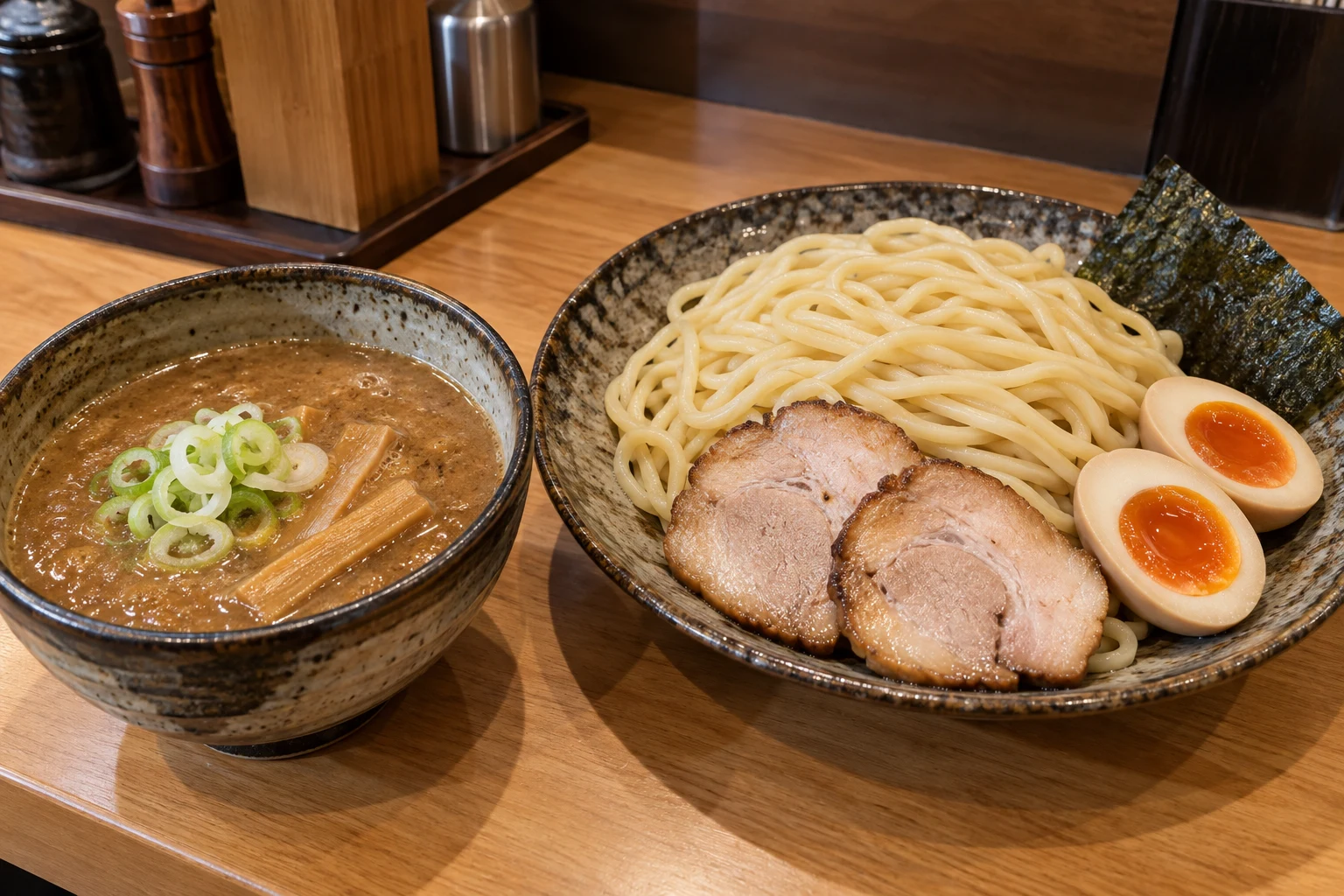
Tsukemen: follow the noodles, then finish the broth
つけ麺
Tsukemen gives noodles and broth separate roles. Learn the dipping rhythm, warm-noodle option, soup-wari finish and Hiroshima’s spicy variation.
Read the storySmartRestro editorial kitchen
← All food storiesDiscover the dishes, cooking traditions, and kitchen stories of Japanese cuisine.
The collection
つけ麺
Tsukemen gives noodles and broth separate roles. Learn the dipping rhythm, warm-noodle option, soup-wari finish and Hiroshima’s spicy variation.
Read the story
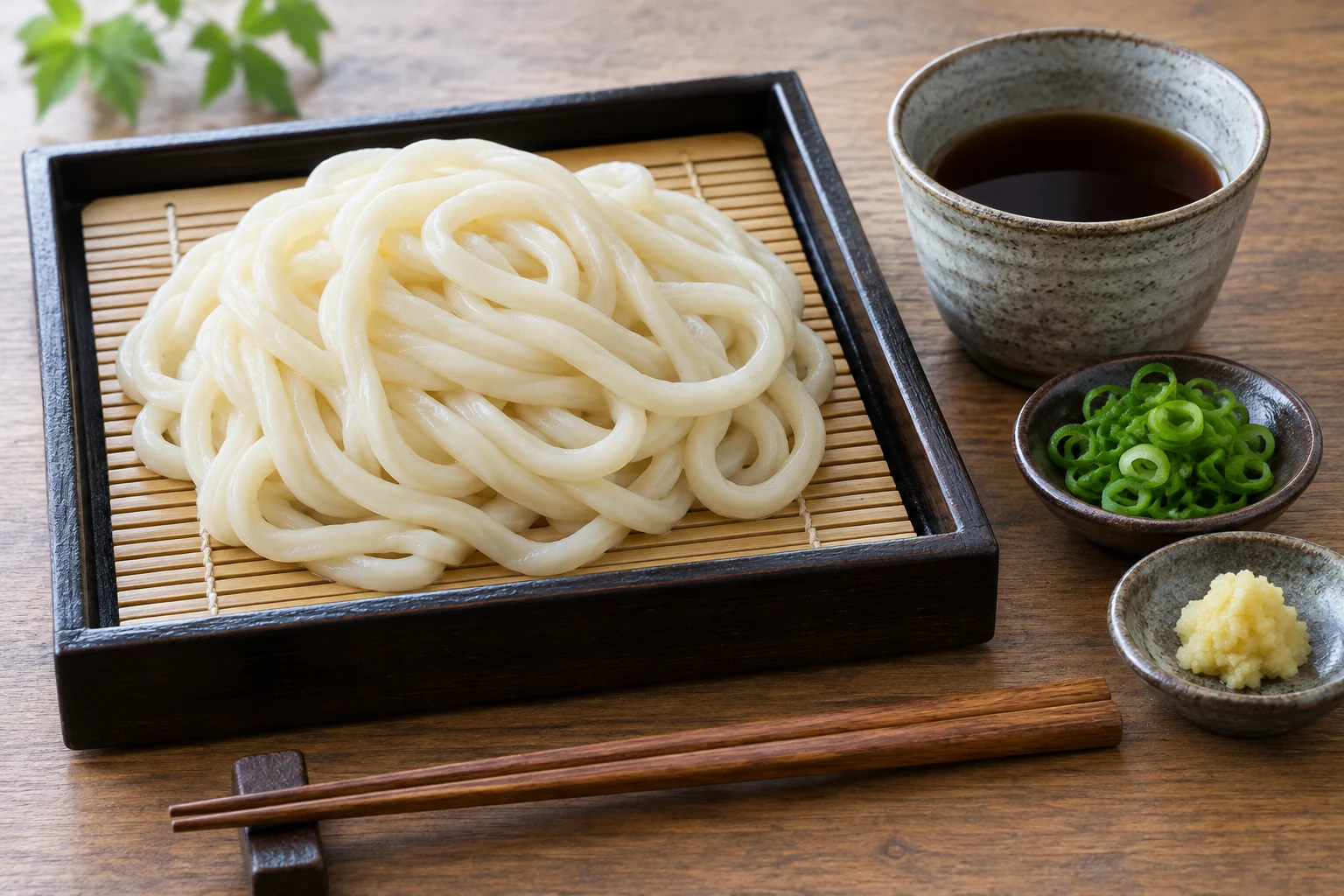
うどん
Hot soup and chilled dipping reveal different sides of udon. Read regional styles, noodle handling and sauce choices before choosing a topping.
Read the story
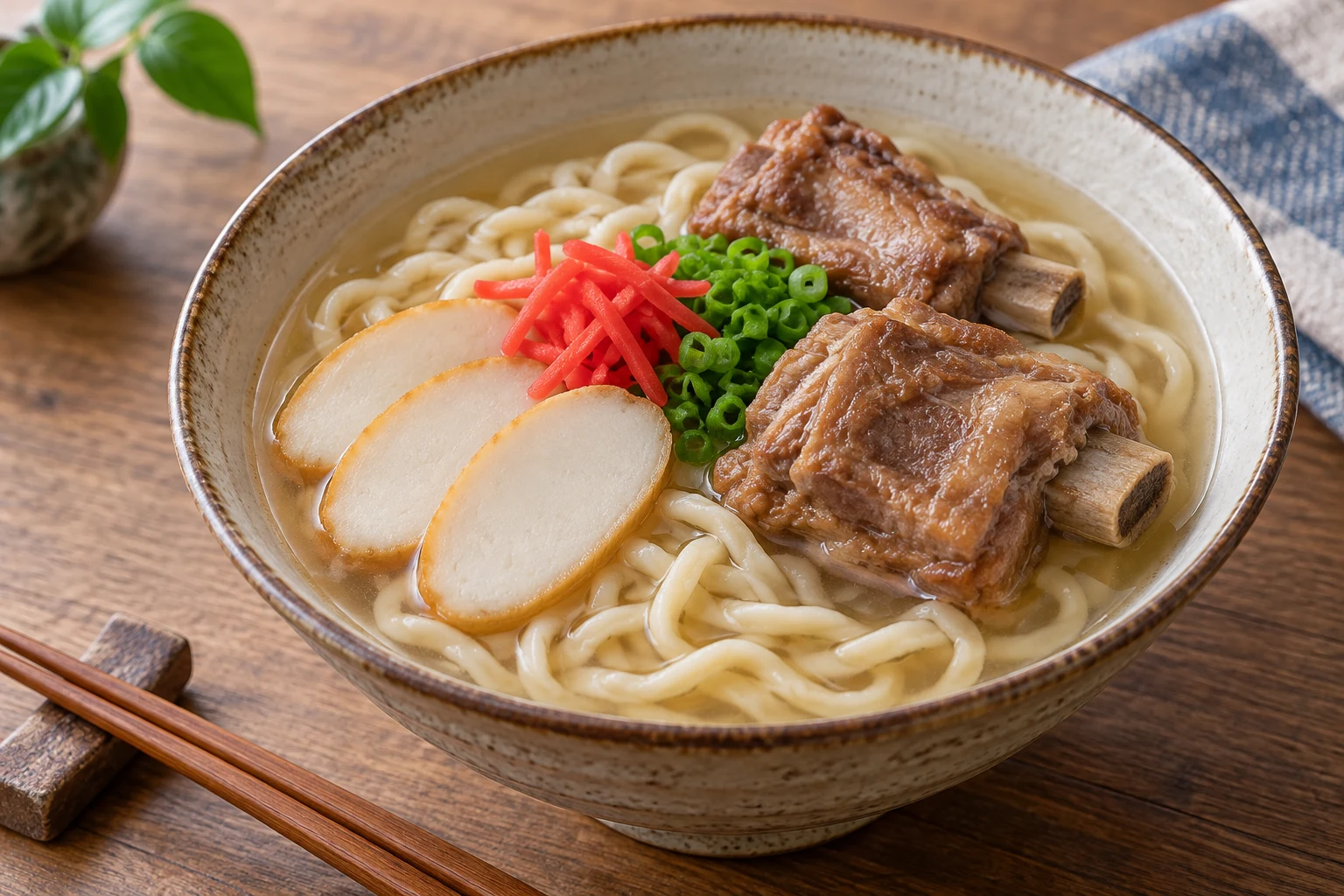
ソーキそば
Wheat noodles, pork-and-bonito broth and a tender rib topping explain soki soba. Learn its place in Okinawa's wider noodle-soup family.
Read the story
団子
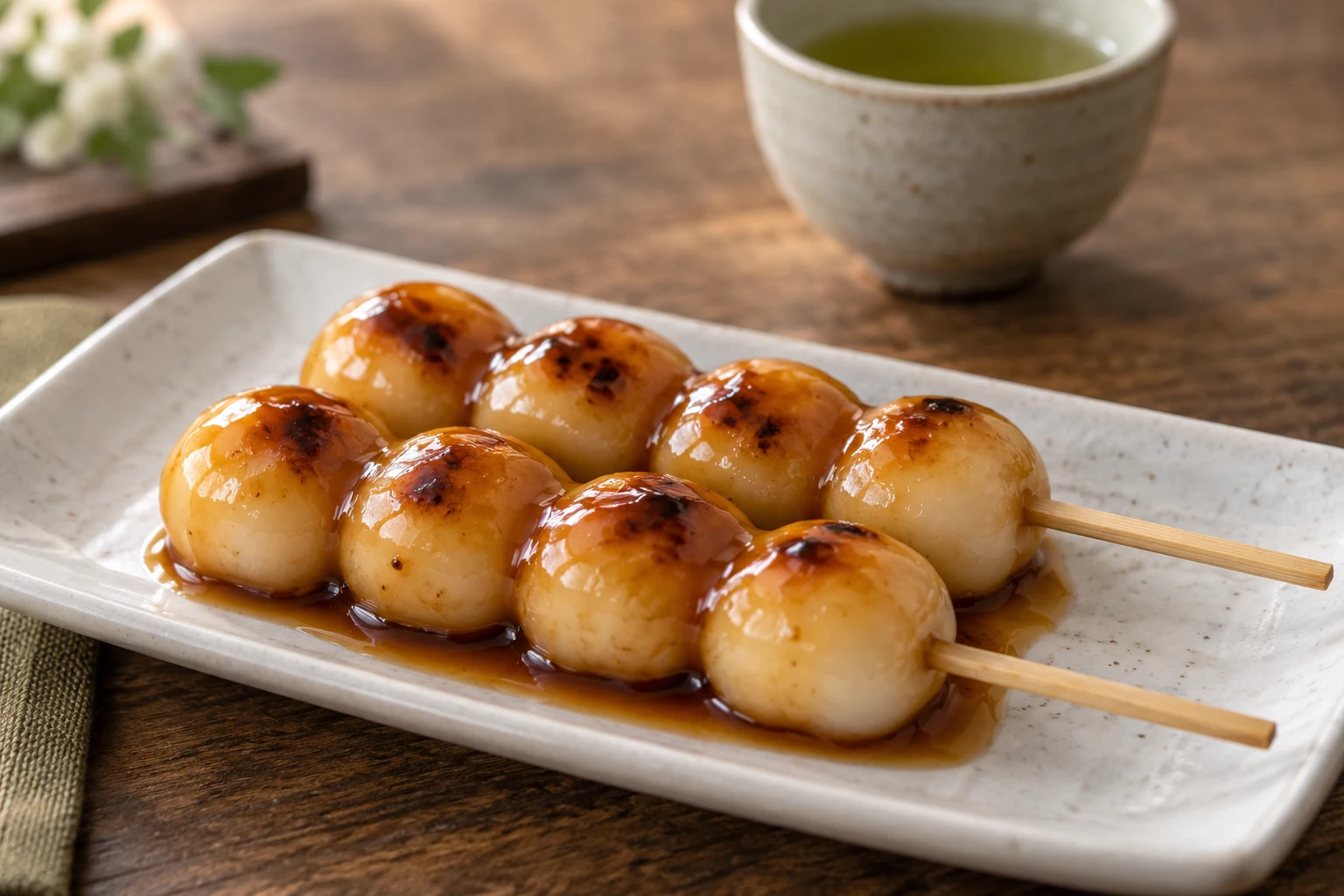
A glossy soy-glazed skewer and pastel hanami dango share a rice-flour foundation. Learn the different finishes, seasonal displays and rice-flour names that help you choose or cook dango.
Read the story
納豆
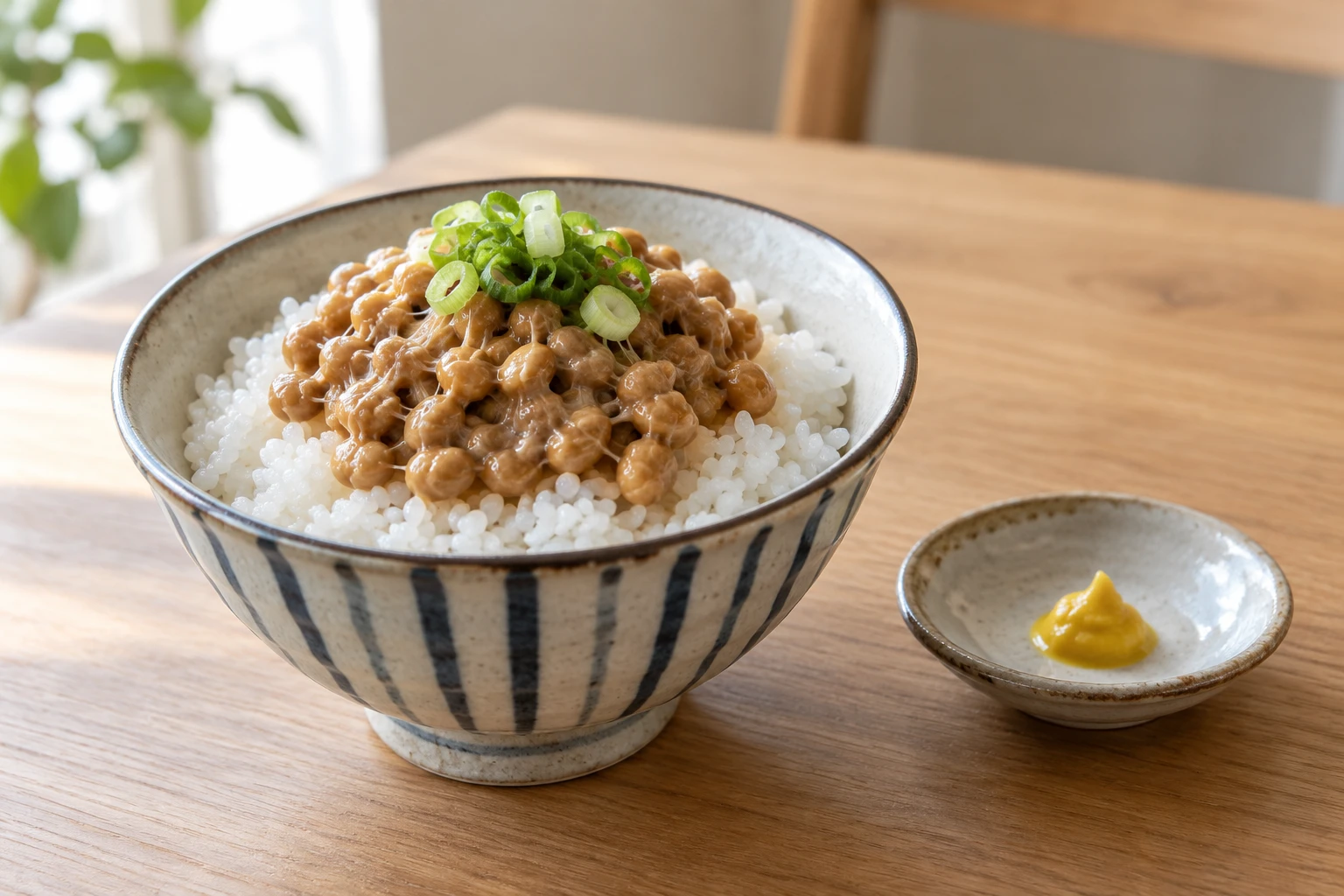
Whole or split soybeans, a sticky coating and a few seasonings shape a natto serving. Start with the product, then decide how to stir and pair it with rice.
Read the story
枝豆
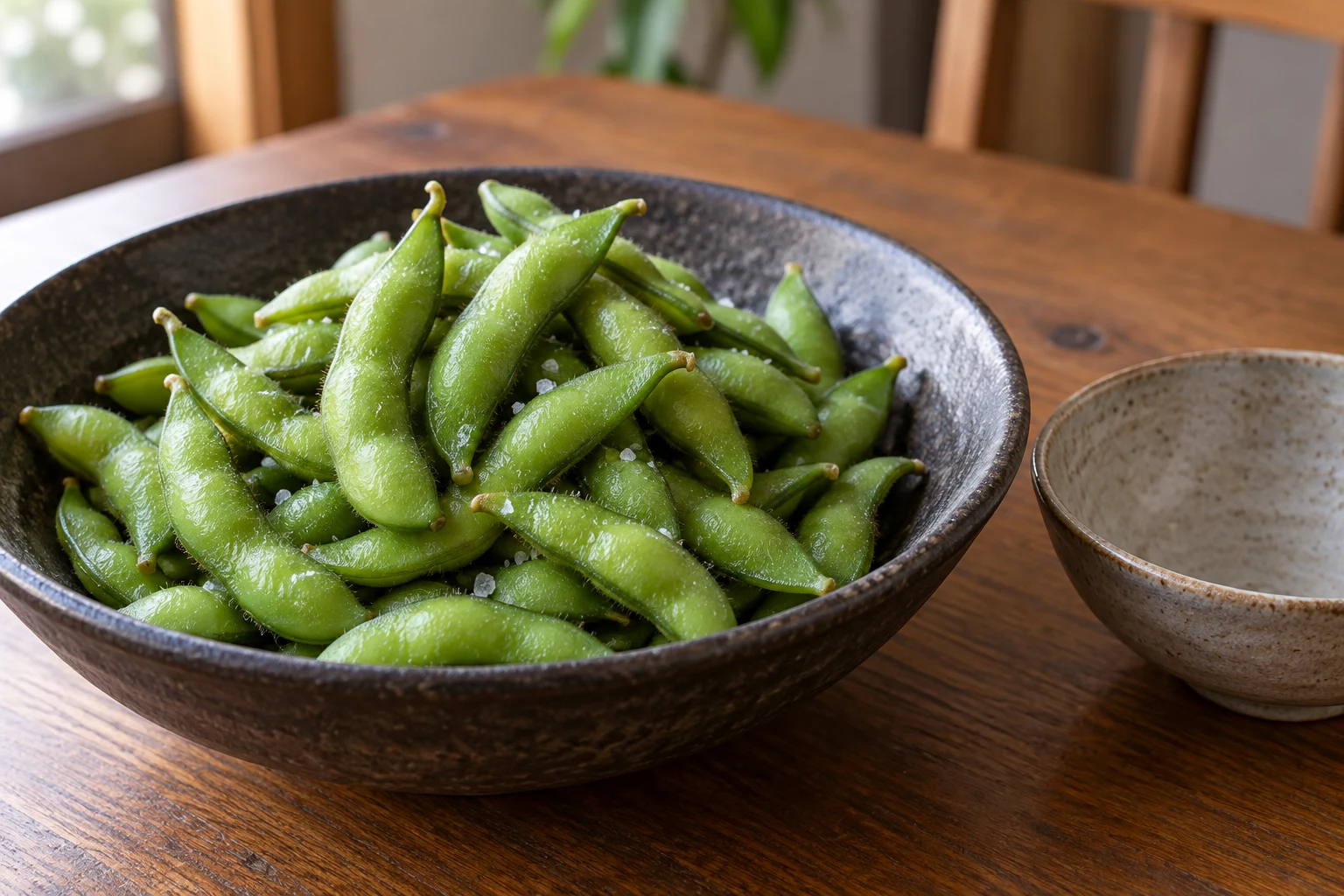
The pod shapes how Japanese edamame is salted, cooked and eaten. Compare fresh and frozen beans, two boiling methods, and Niigata’s seasonal varieties.
Read the story
そば
Soba describes a noodle family, not one flour ratio or one bowl. Ingredient labels, fresh noodle making and Izumo serving styles explain the differences.
Read the story
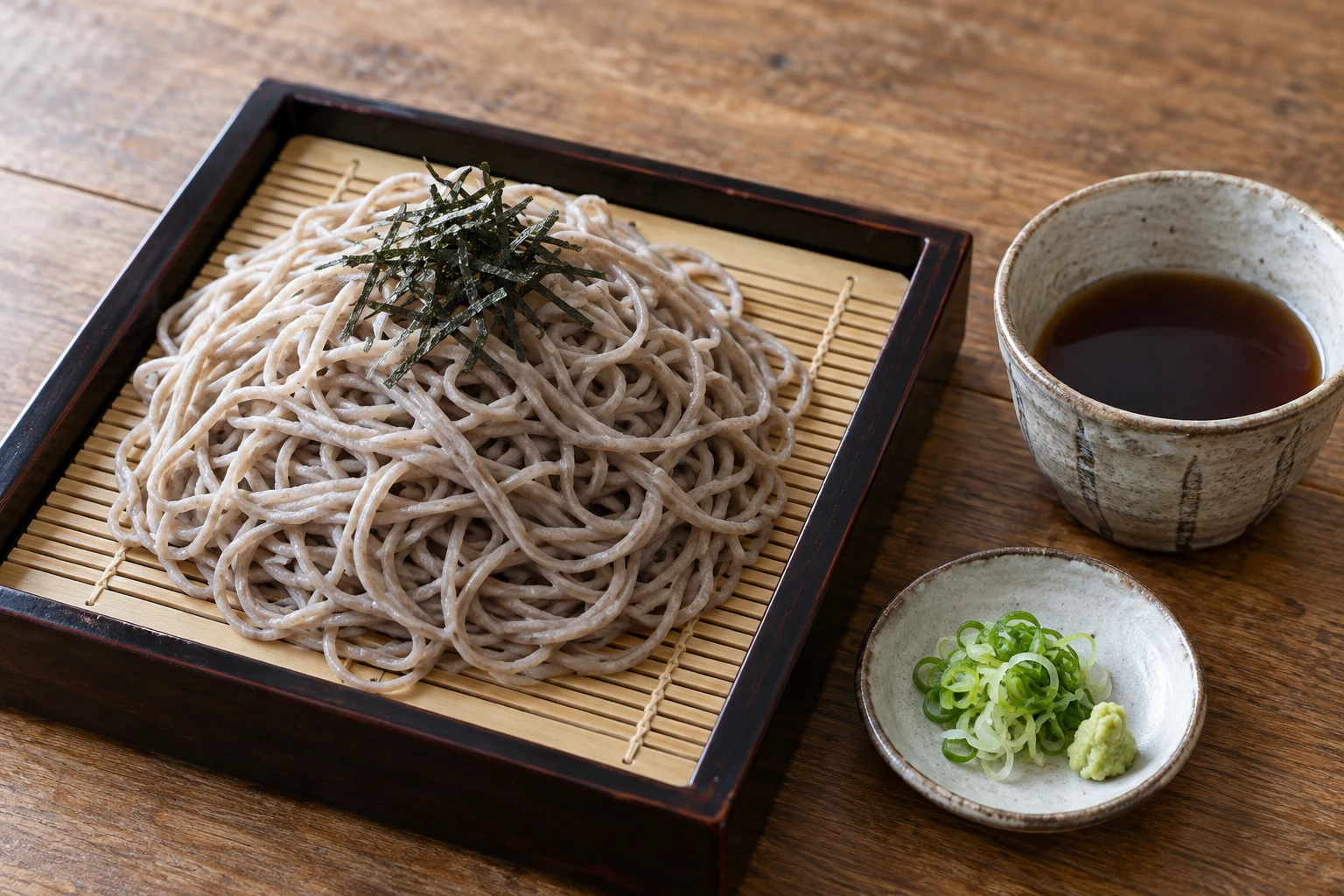
ざるそば
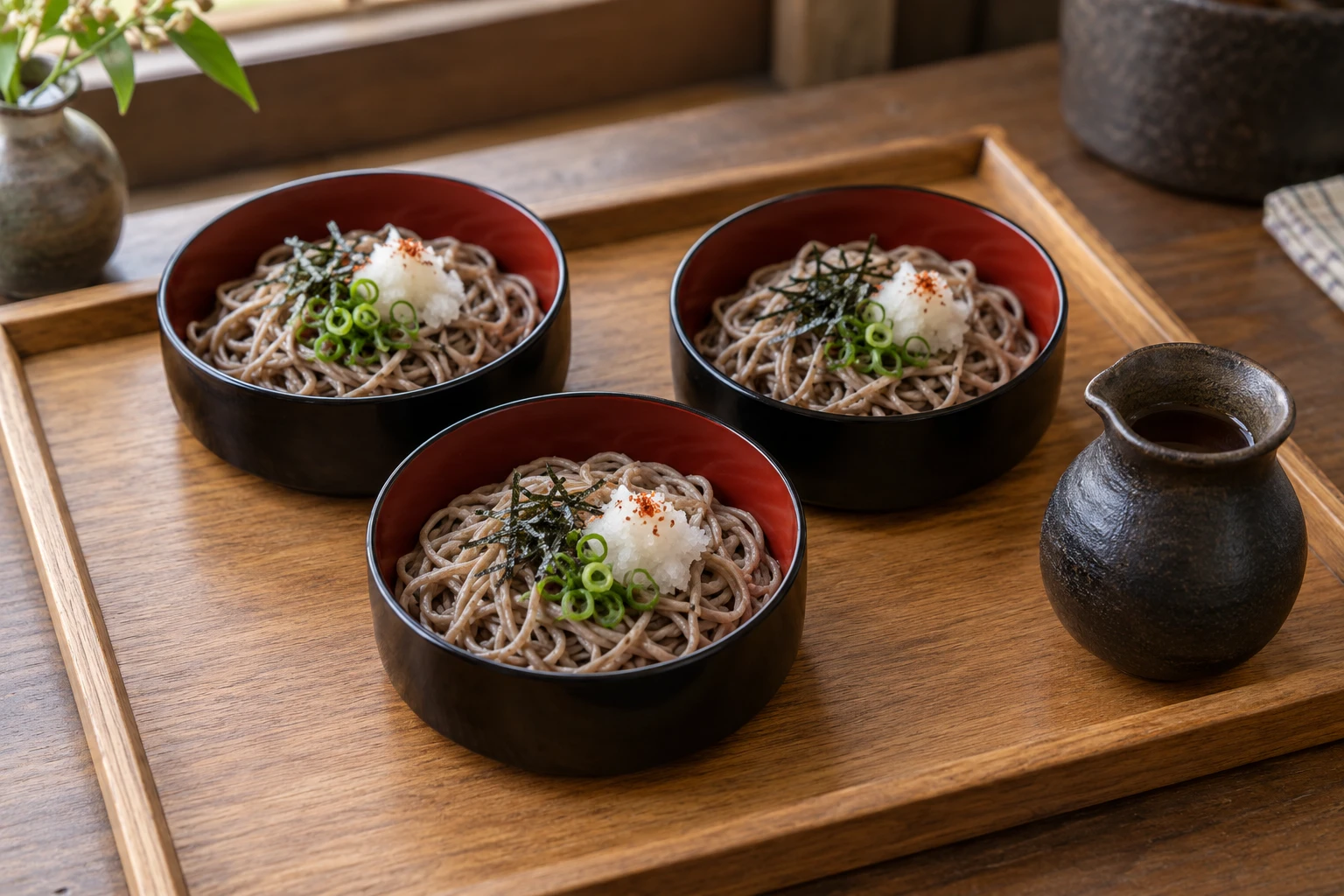
For Japanese cold buckwheat noodles, rinsing and draining matter as much as the dipping sauce. Follow the three roles water plays from the pot to the final cup.
Read the story
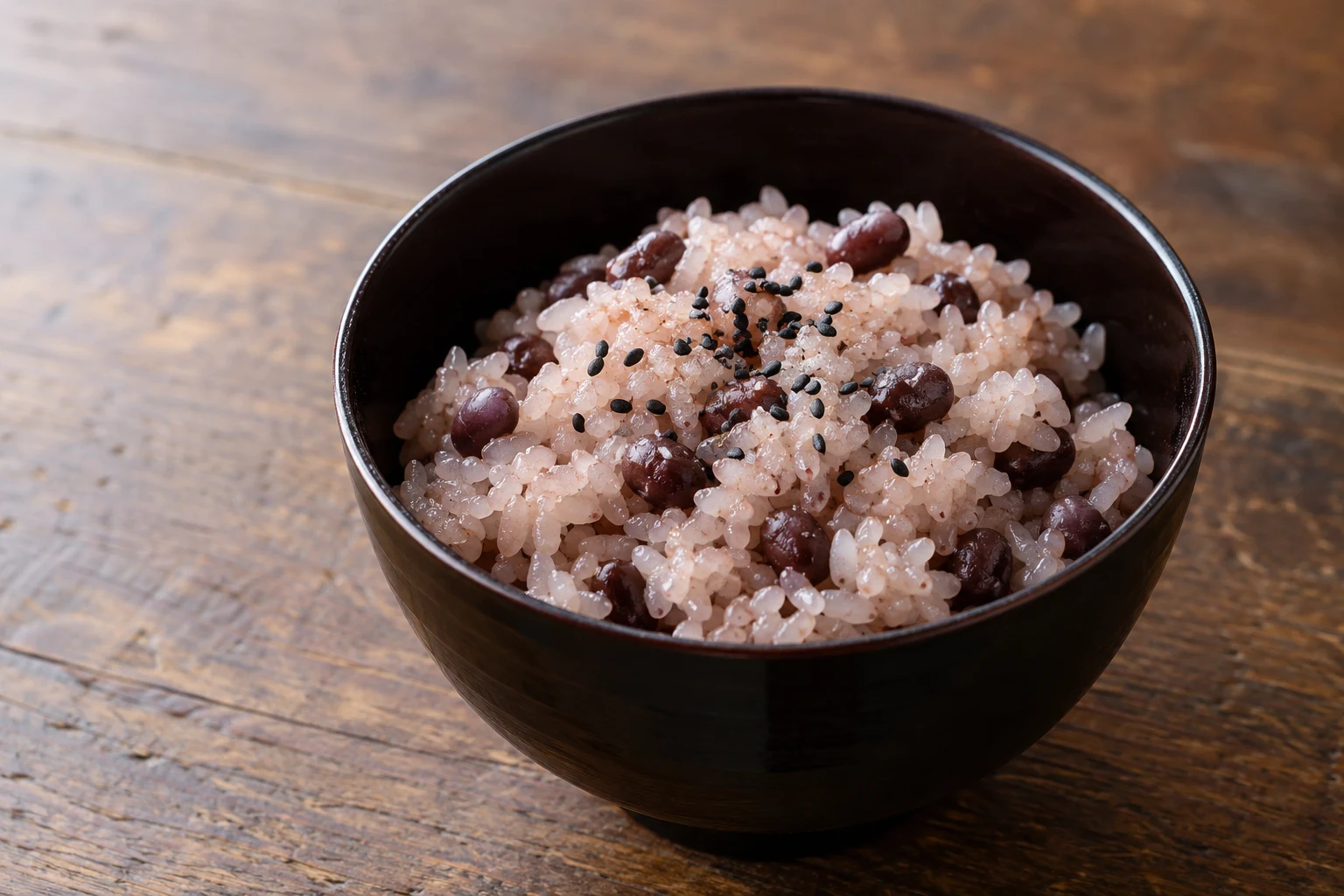
赤飯
Sekihan links red-tinted sticky rice with important occasions, but its sweetness and beans vary by region. Compare azuki rice, Hokkaido’s sweetened-bean version and Akita’s tenko azuki tradition.
Read the story
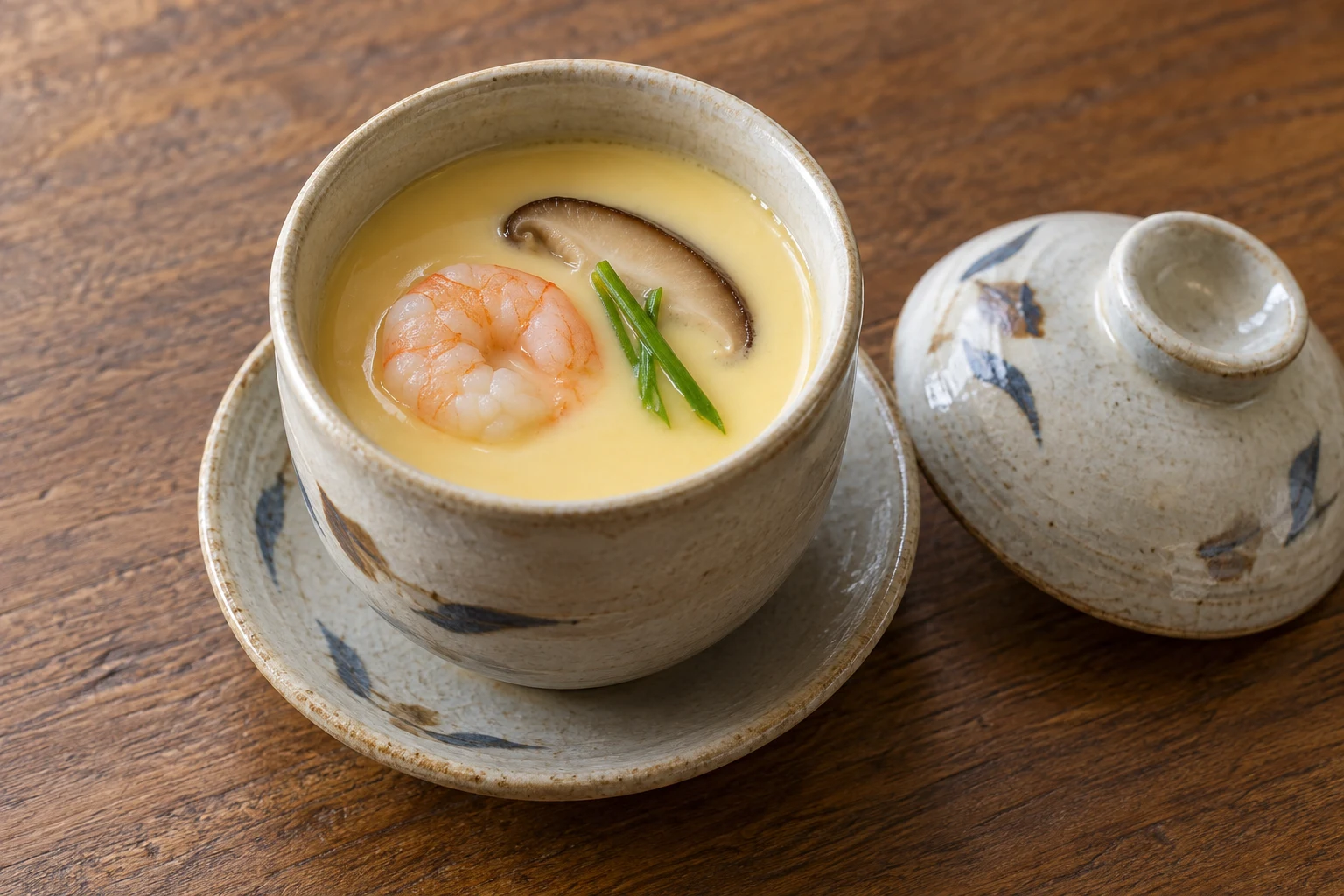
茶碗蒸し
Why Japanese steamed egg custard tastes like broth, how gentle heat preserves its smooth texture, and what different fillings reveal about the dish.
Read the story
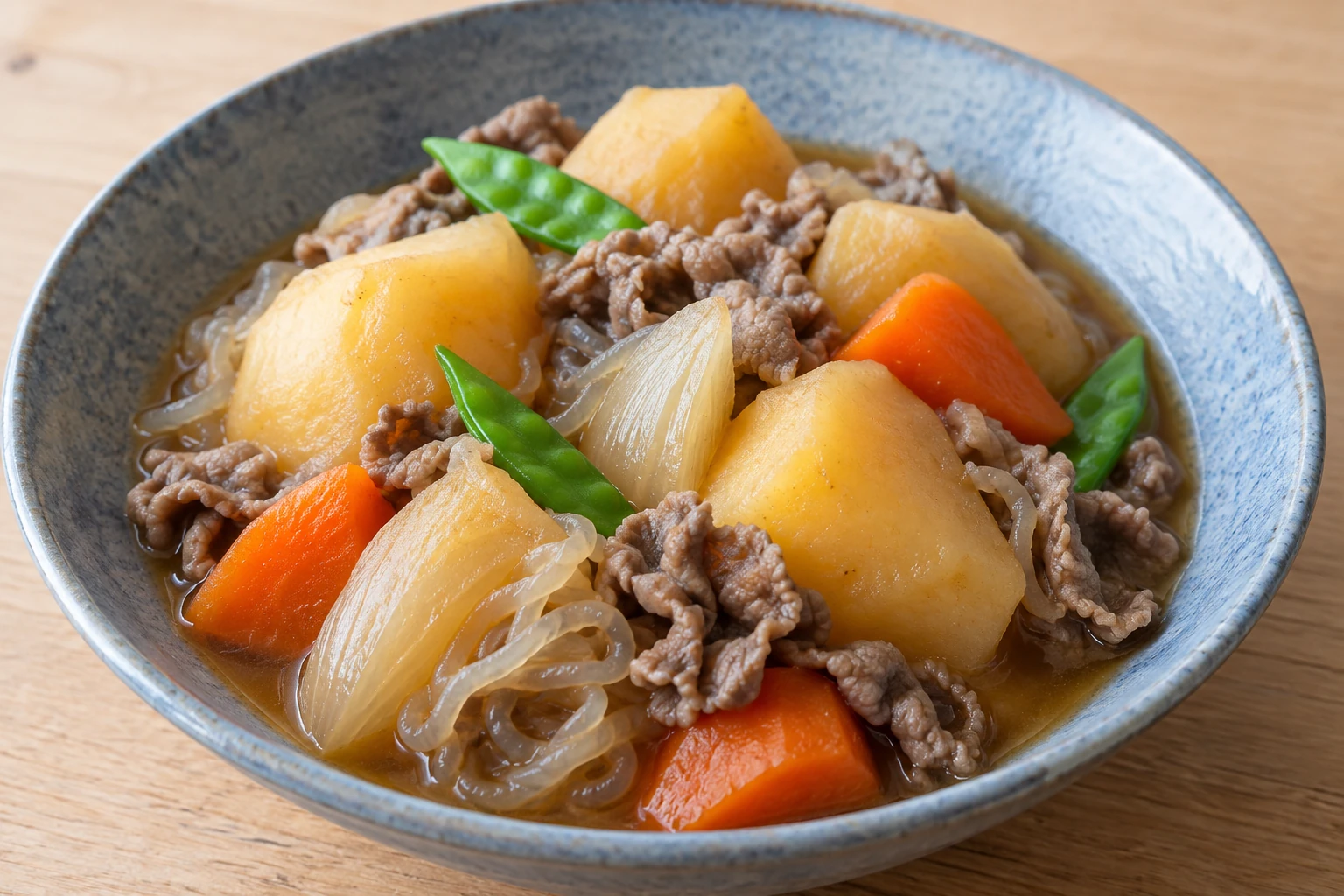
肉じゃが
A gentle simmer, thin beef and a lid resting on the food help nikujaga’s potatoes stay intact. Learn the technique and make a complete four-serving home adaptation.
Read the story
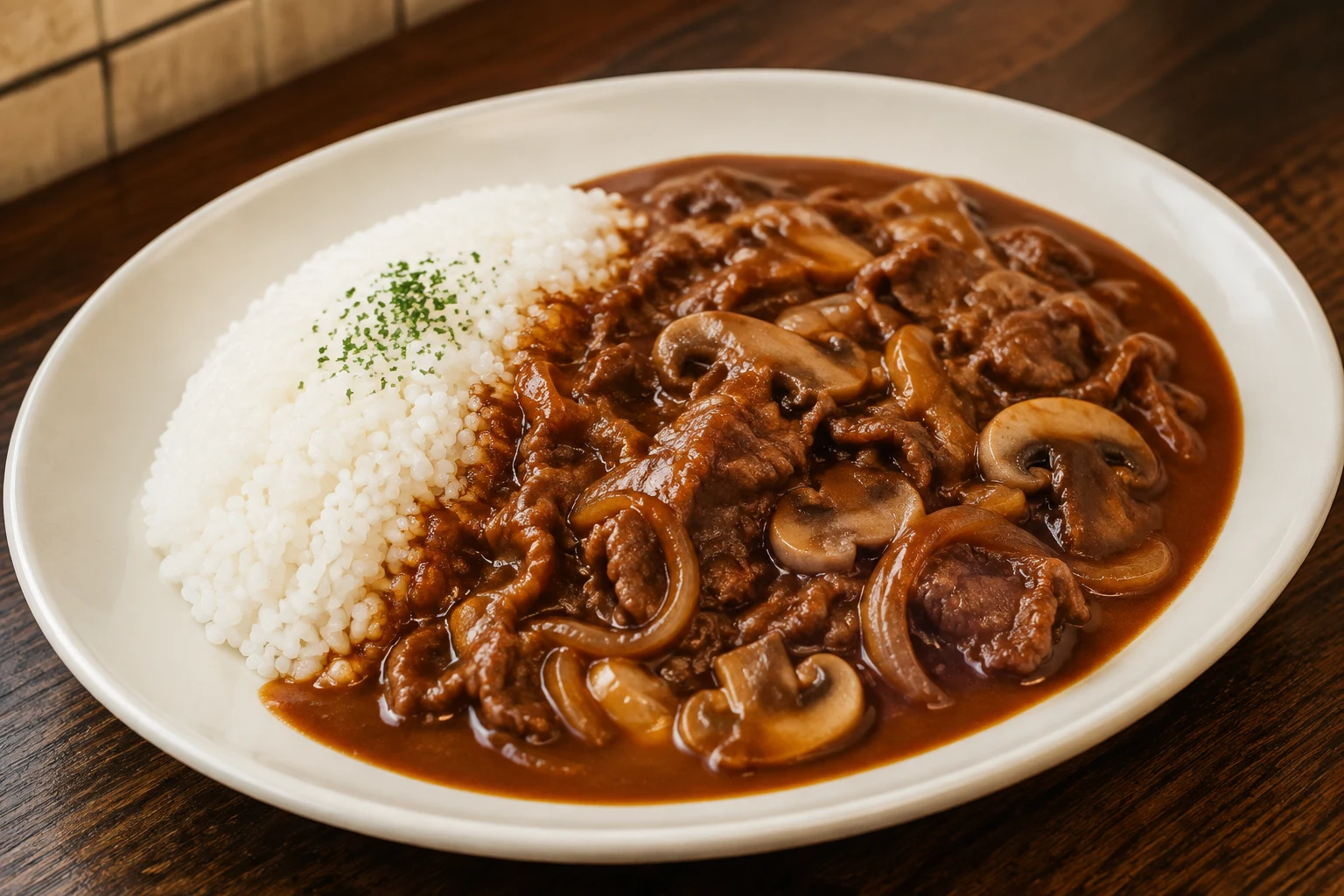
ハヤシライス
Hayashi rice turned a Western-style brown meat sauce into Japanese yōshoku by changing the plate, the seasoning, and eventually the home pantry.
Read the storyHow we work
We cross-check circular citations and separate documented history from a good story.
Measurements, temperatures, texture cues, and variations are designed to be usable.
Food traditions are rarely fixed. We distinguish shared foundations from household and regional variations.