
Edamame: Season the Pod, Eat the Bean
枝豆
The pod shapes how Japanese edamame is salted, cooked and eaten. Compare fresh and frozen beans, two boiling methods, and Niigata’s seasonal varieties.
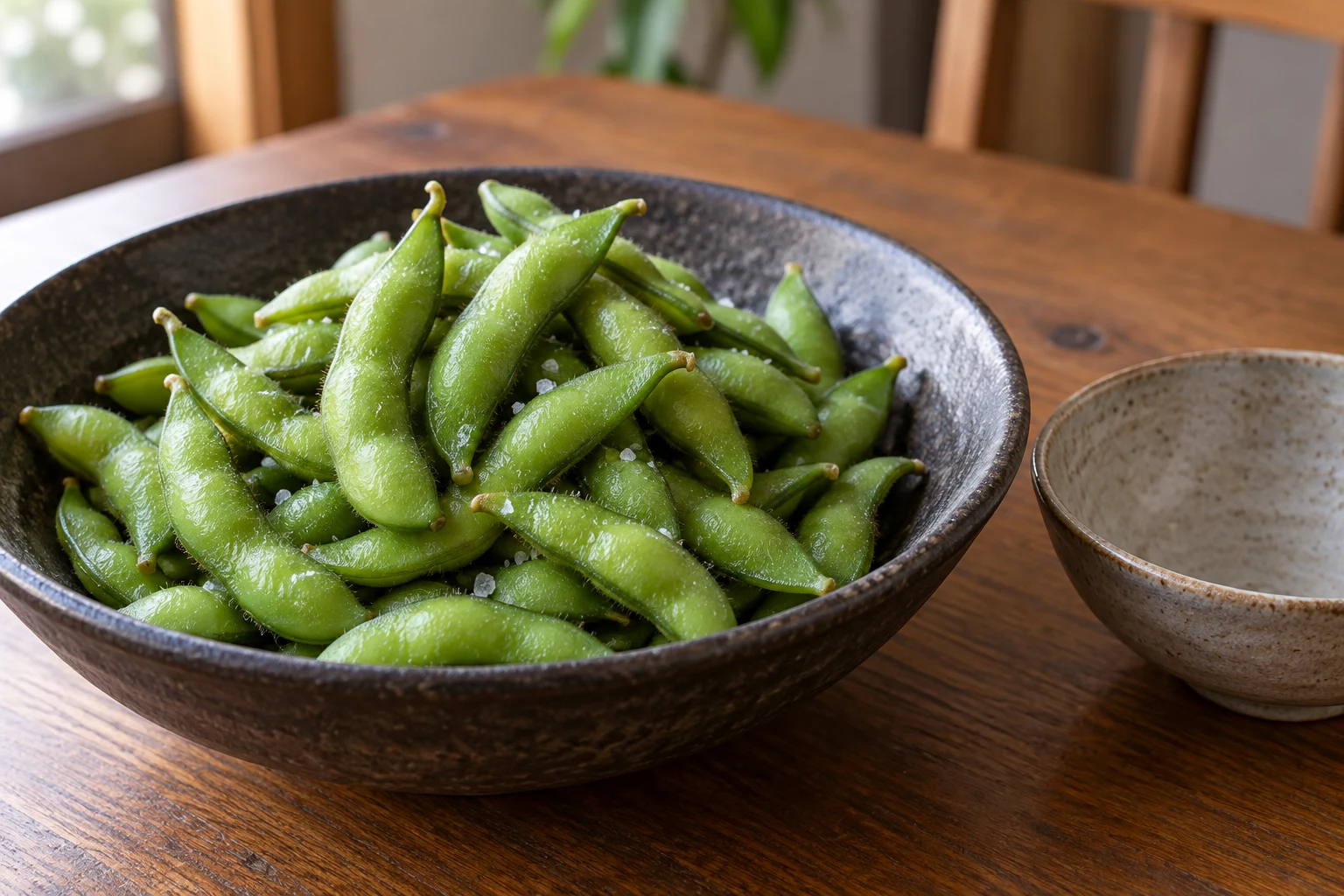
The shell is part of the preparation
A bowl of edamame asks the diner to do a small piece of work: squeeze the cooked green soybeans from their pods, then set the empty shells aside. The pod travels through cooking and seasoning even though it is not eaten. Understanding that distinction explains why edamame recipes spend so much attention on salt, trimming and draining.
Kikkoman’s Food Forum identifies edamame as soybeans harvested while immature. Its name joins the Japanese words for branch and bean. Plain salted pods are a familiar summer appetizer, but this is not simply a miniature version of a bowl of dried soybeans: the young bean and its fresh shell create a different ingredient and a different way of eating.
Fresh pods and frozen packets begin differently
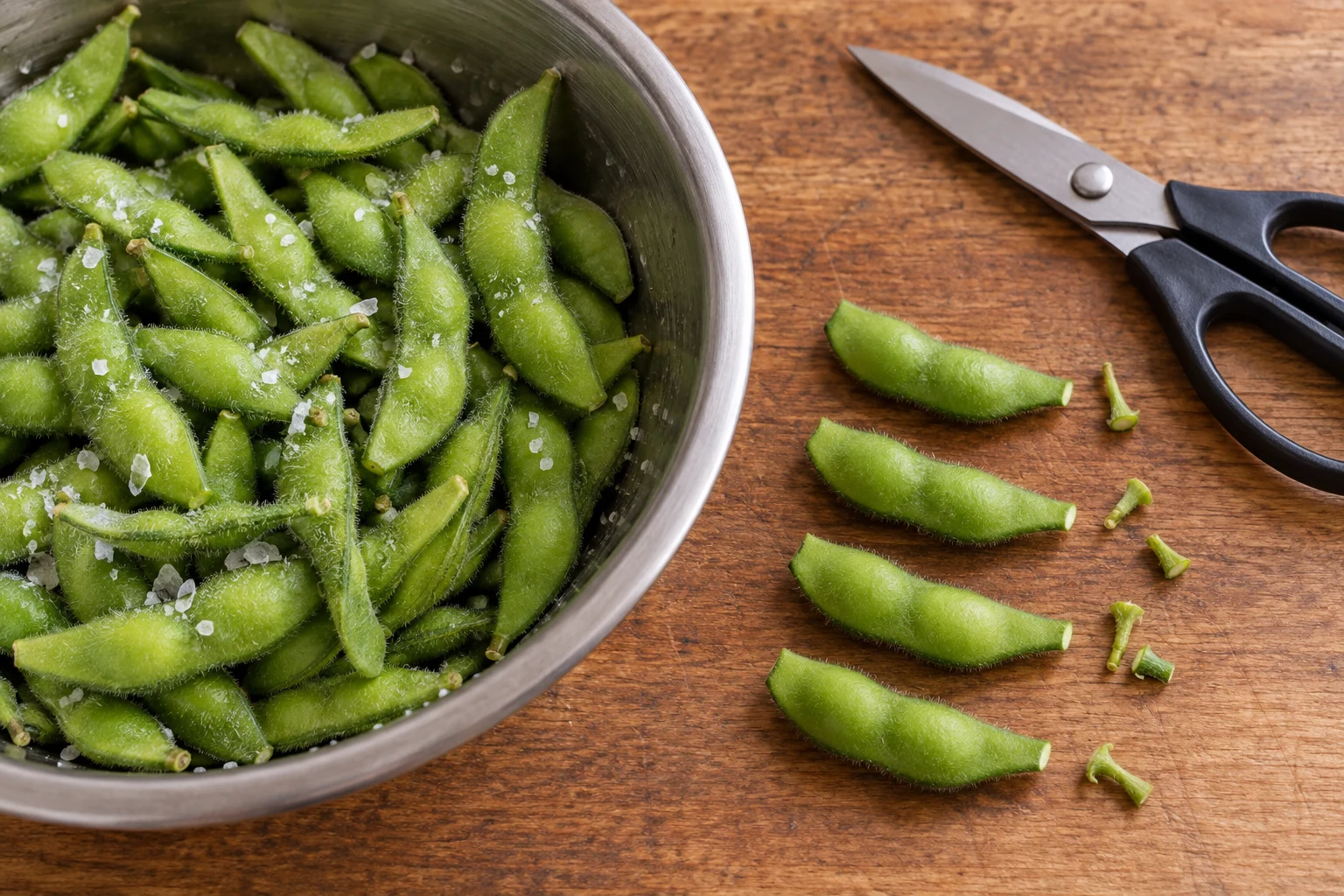
Namiko Hirasawa Chen’s Just One Cookbook separates fresh edamame from frozen edamame, then distinguishes uncooked, partially cooked and fully cooked frozen products. That is the useful first check at the shop or freezer. A single boiling time cannot describe all three states, and green color alone does not tell you whether the beans have already been cooked.
For fresh pods, both Chen and Kikkoman’s Japanese cooking lesson describe cutting off the small ends and rubbing the pods with salt. The rubbing removes surface fuzz; the trimmed openings also help seasoning reach the beans. These are tasks for fresh pods rather than instructions to apply automatically to an already prepared frozen product. With frozen beans, read the packet’s cooking status and preparation directions before choosing a method.
Two recipes use water differently
A measured salted bath
Just One Cookbook describes a relatively large quantity of water with a defined salt concentration. Its fresh-pod salt rub is part of that measured salt allowance, rather than an extra uncounted addition.
A shallow covered pot
Kikkoman’s Japanese lesson uses a shallow layer of water and keeps the pot covered. Salt already rubbed onto the pods supplies the seasoning; the instructions do not add another dose to the water.
Choose a whole method, not half of each
The difference matters because water quantity and salt quantity work together. Borrowing the shallow water from one recipe and the entire salt allowance from another changes the preparation. Follow a complete linked method, keeping its pod weight, water and seasoning together. The comparison is a way to choose, not a new recipe assembled from incompatible measurements.
Japanese Cooking 101 gives a simpler frozen-pod method: boil in salted water, strain and finish with a little salt. Across these accounts, draining is a definite step rather than an afterthought. The recipes also show why the finishing salt and the cooking salt have different jobs: one flavors the preparation, while the other can remain noticeable on the pod the diner brings to their mouth.
One name, a succession of beans
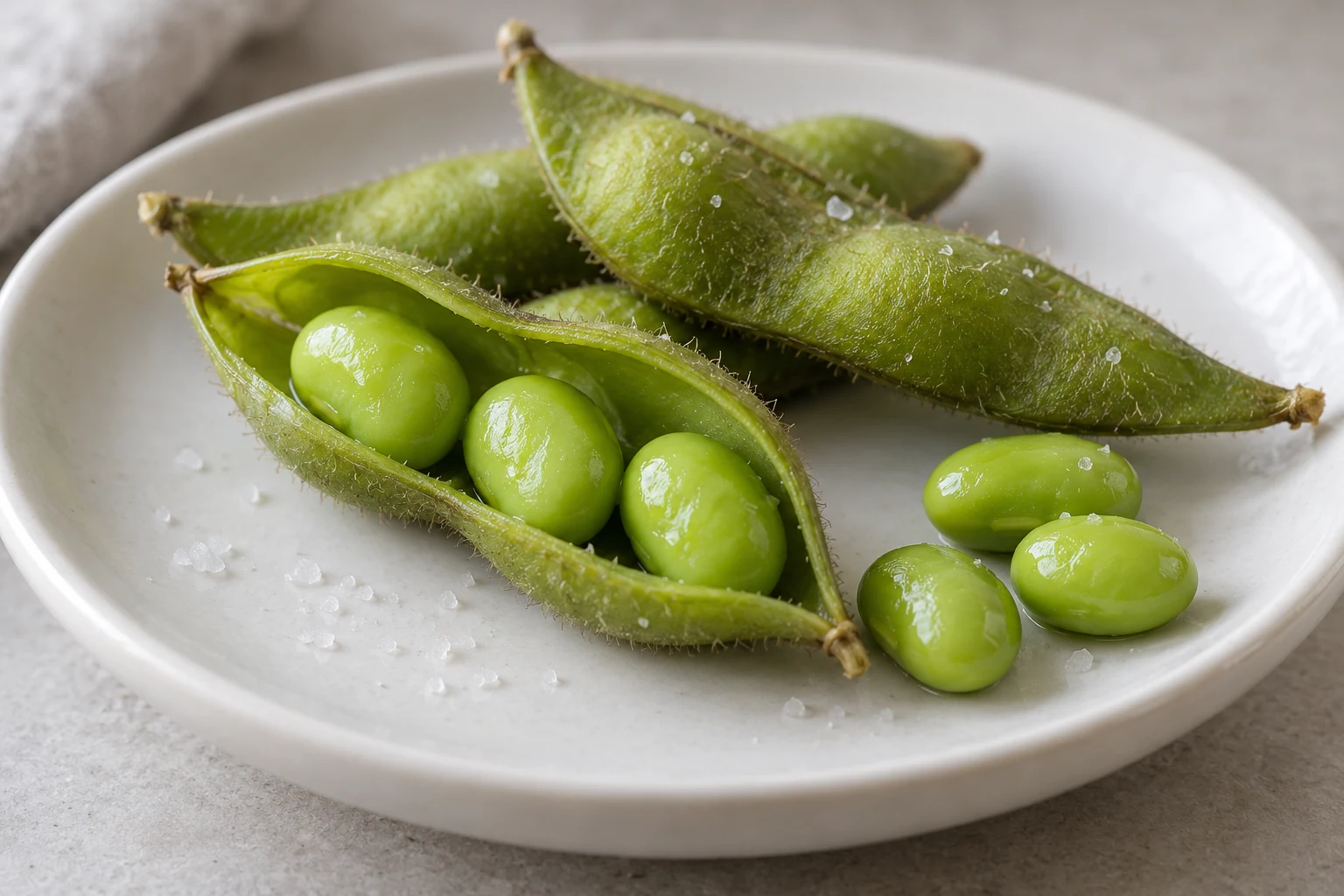
Niigata Prefecture describes a season extended by roughly forty varieties, with shipments running from May into October. Its tea-colored chamame are named for the light brown skin around the bean, not a requirement that the cooked pod look brown. The prefecture associates these beans with a distinctive aroma and rich flavor.
A separate prefectural account of Kurosaki chamame recommends salt rubbing, checking the beans while cooking, and quickly draining them. The same page describes Nagaoka’s sakana-mame as having a brief late-September season. For a shopper, the practical lesson is to look beyond the broad label edamame when a variety and growing region are given: they can describe a short-lived seasonal choice rather than a different seasoning.
Research notes
Sources for the bean and its preparation
Original Japanese cooking lessons and Niigata’s agricultural accounts support the distinctions. Their complete recipes retain their own quantities and timings.
- Namiko Hirasawa Chen: How to Cook Edamame Fresh versus frozen cooking states, salt rubbing, trimming, draining and pod service.
- Japanese Cooking 101: Edamame Noriko and Yuko’s original frozen-pod method and hot or cold appetizer service.
- Kikkoman: Boiled Edamame Japanese cooking lesson using trimmed, salt-rubbed pods and a shallow covered pot.
- Kikkoman Food Forum: Edamame Ingredient identity, name and summer appetizer context.
- Niigata Prefecture: Seasonal Edamame and Chamame Local varieties, extended shipping season and the name of chamame.
- Niigata Prefecture: Traditional Edamame Varieties Kurosaki chamame preparation and Nagaoka sakana-mame’s short seasonal window.
Keep exploring
More stories for your table
Japanese cuisine Steamed egg custard
Chawanmushi: Dashi Held in a Spoon
Why Japanese steamed egg custard tastes like broth, how gentle heat preserves its smooth texture, and what different fillings reveal about the dish.
Japanese cuisine Cold noodles
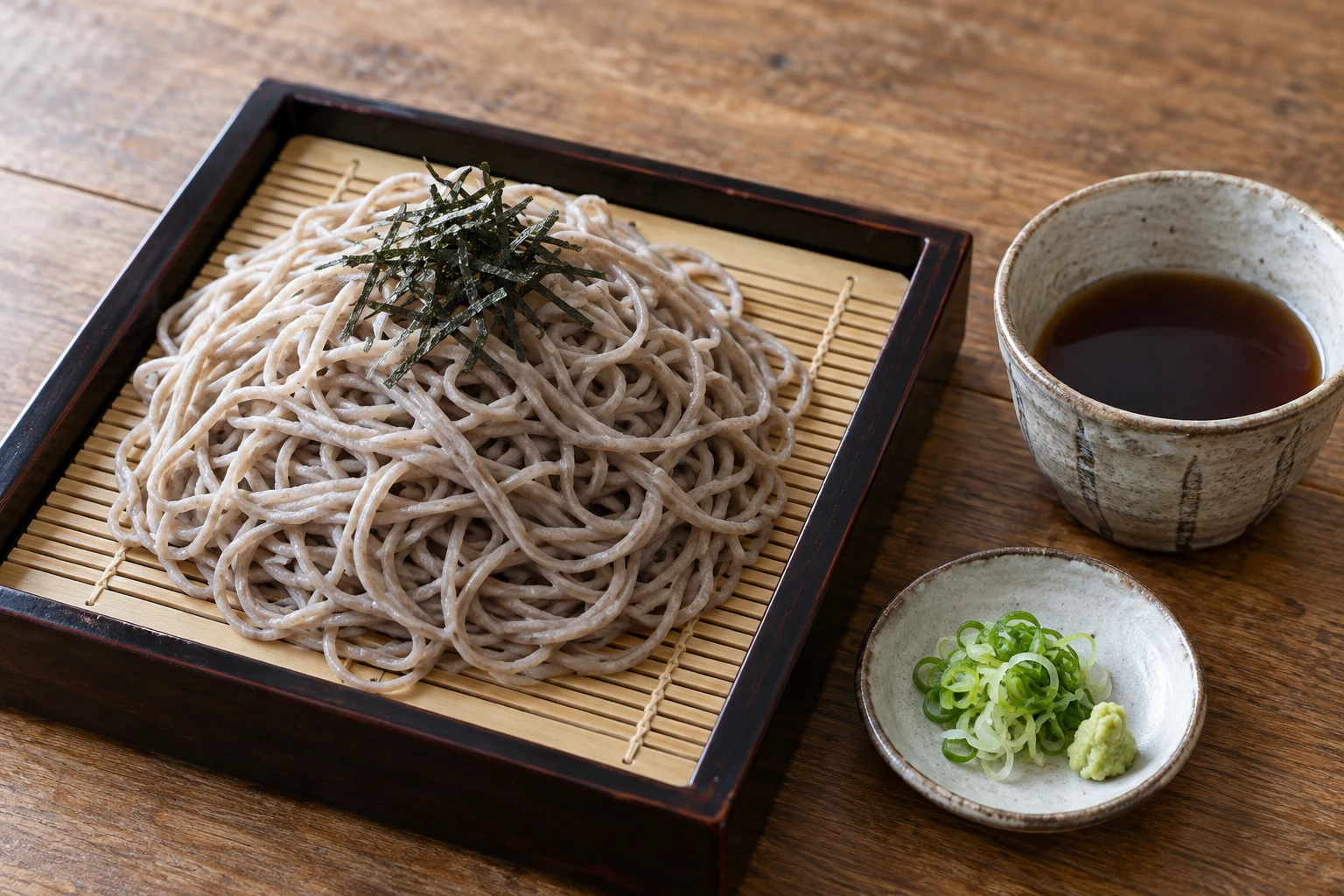
Zaru Soba: The Water Before the Dip
For Japanese cold buckwheat noodles, rinsing and draining matter as much as the dipping sauce. Follow the three roles water plays from the pot to the final cup.
Japanese cuisine Fermented soybeans
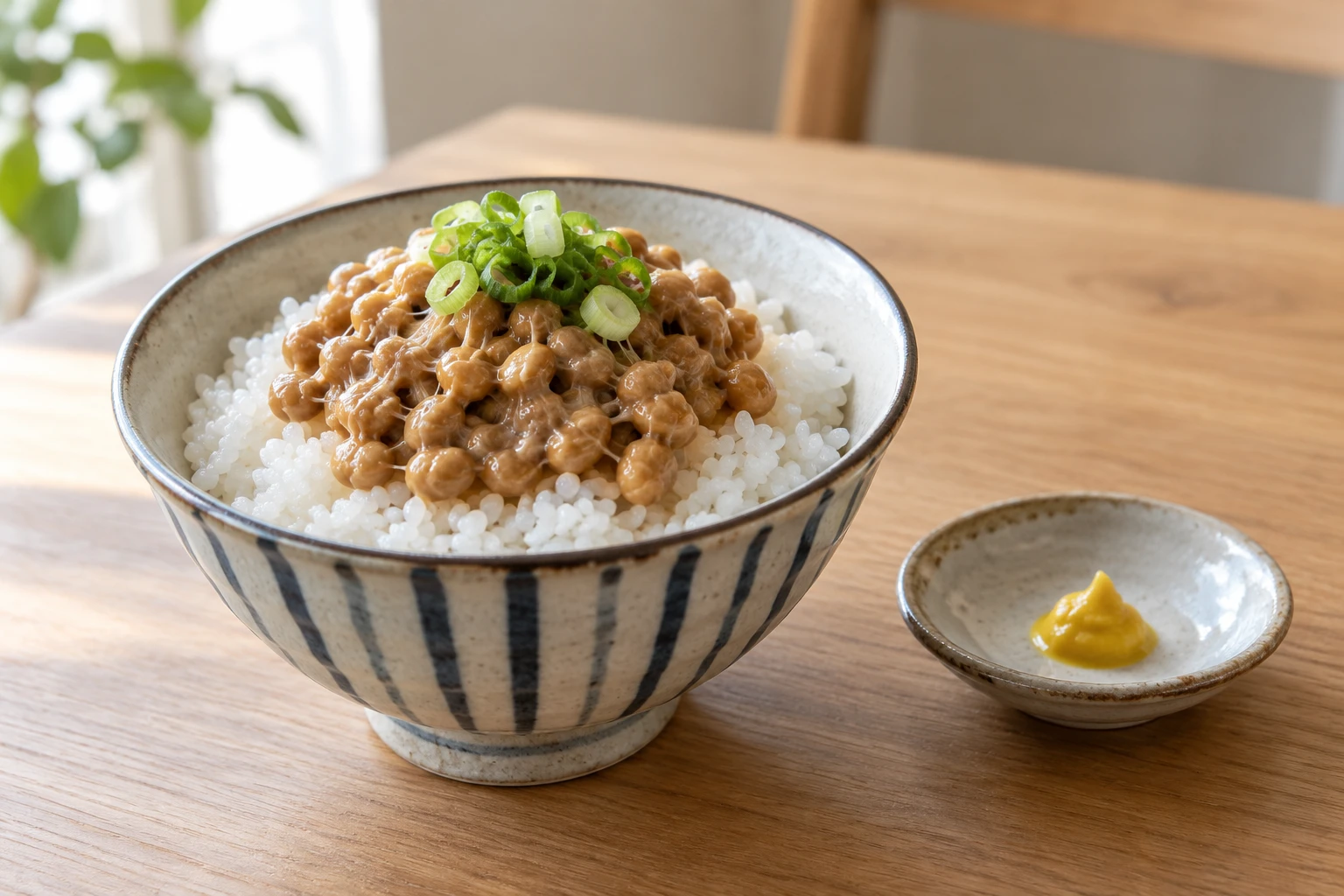
Natto: The Beans, the Stir, the Bowl
Whole or split soybeans, a sticky coating and a few seasonings shape a natto serving. Start with the product, then decide how to stir and pair it with rice.