
Bacon Rösti: Choose the Potato Before the Crust
Rösti mit Speck
Bacon adds savor to Swiss rösti, but the potato and the pan build its shape. Compare raw and cooked potatoes, regional additions and the technique behind a crisp connected cake.
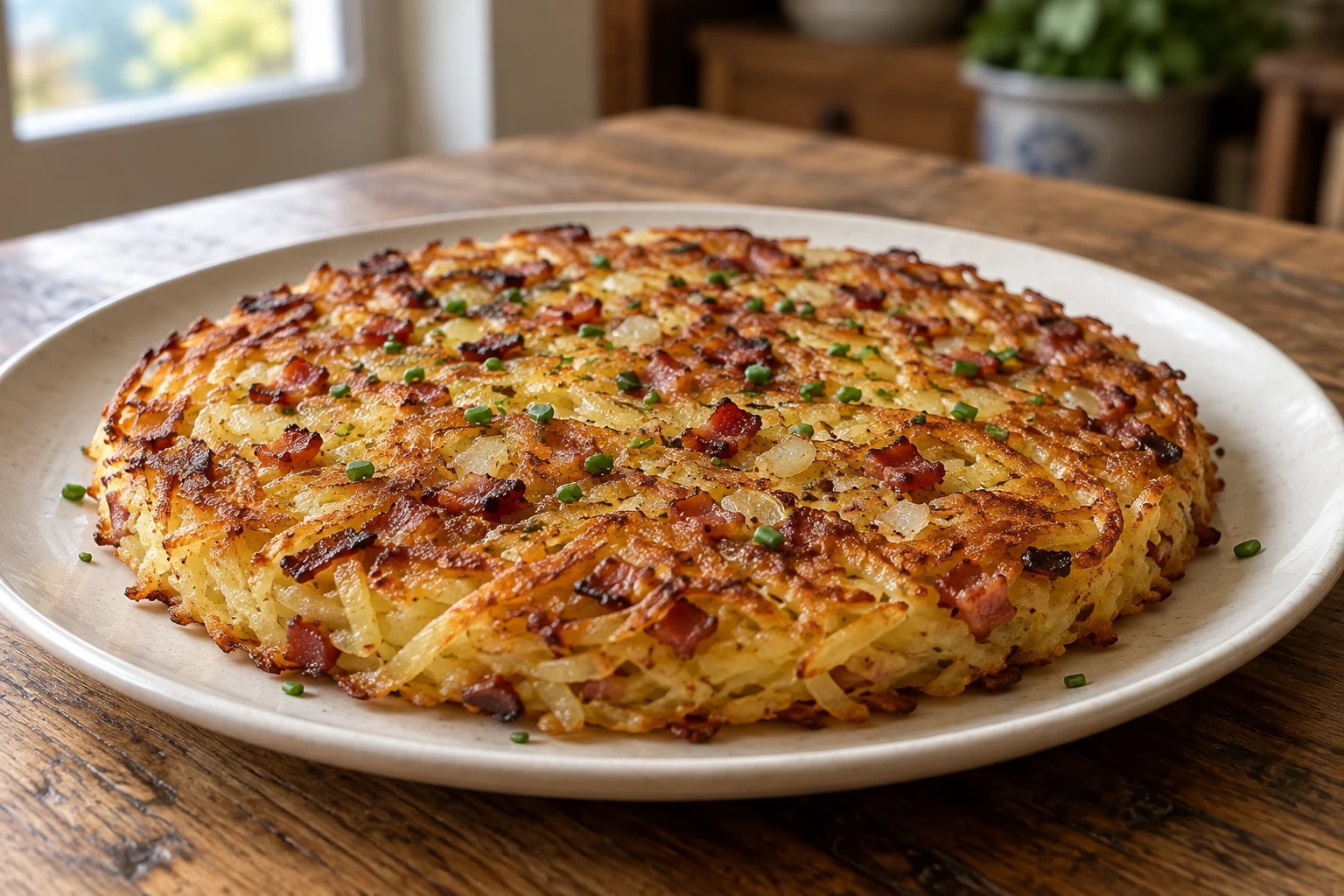
Bacon is an addition; the cake is the dish
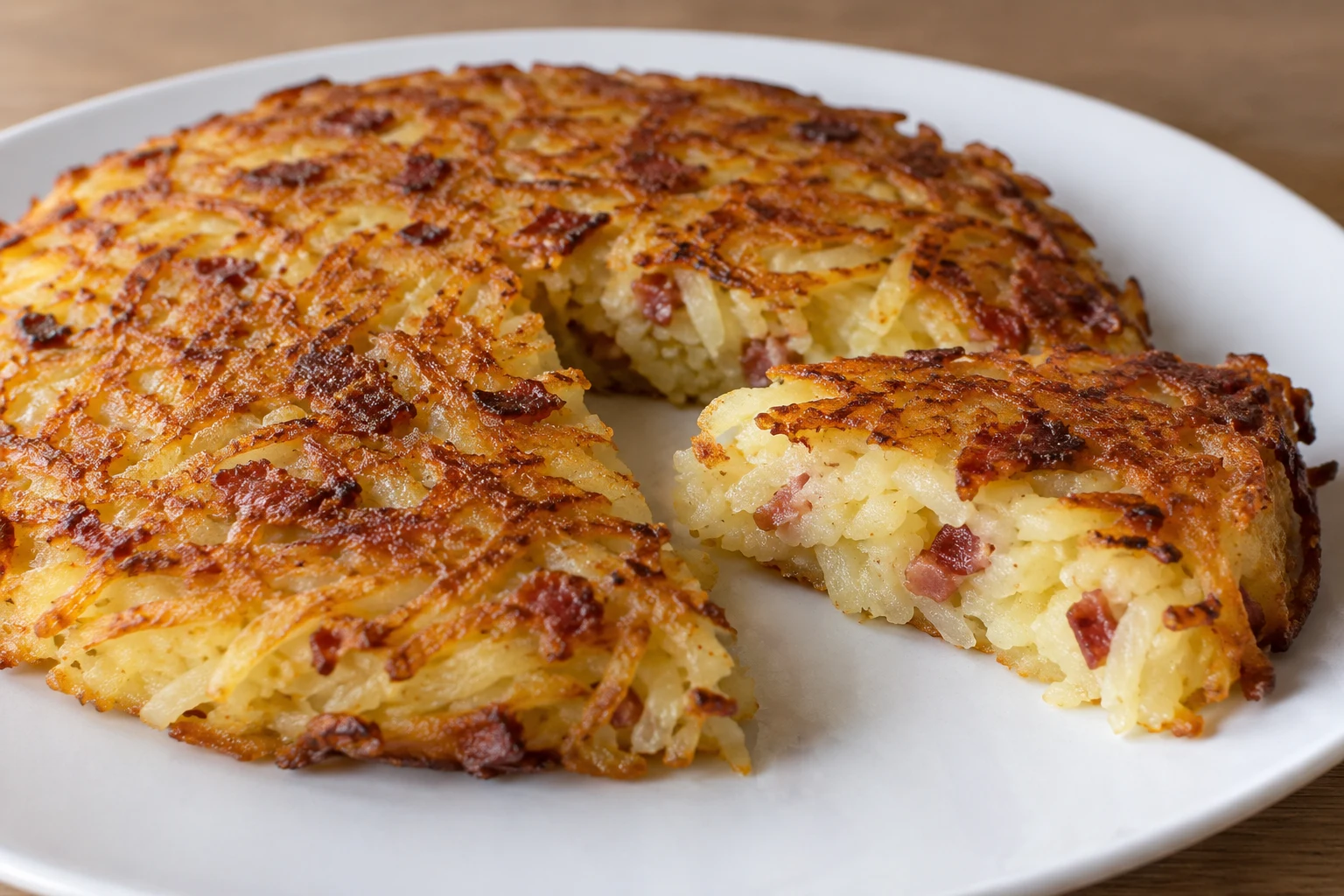
A good bacon rösti gives two impressions at once: a browned surface that holds together and a softer centre where the grated potato remains recognizable. The bacon adds a savory note, but it does not define the structure. Swisspatat, the Swiss potato industry association, describes the basic dish as a compact cake of grated potato, crisped on both sides in a pan.
The association lists bacon and onion in its Bernese example, alongside other regional additions such as onion and caraway in Zurich or Landjäger sausage and cheese in Graubünden. These are useful examples of variation, rather than a rule that every cook in a canton follows the same recipe. For the version on this page, the important decisions begin before the bacon reaches the pan.
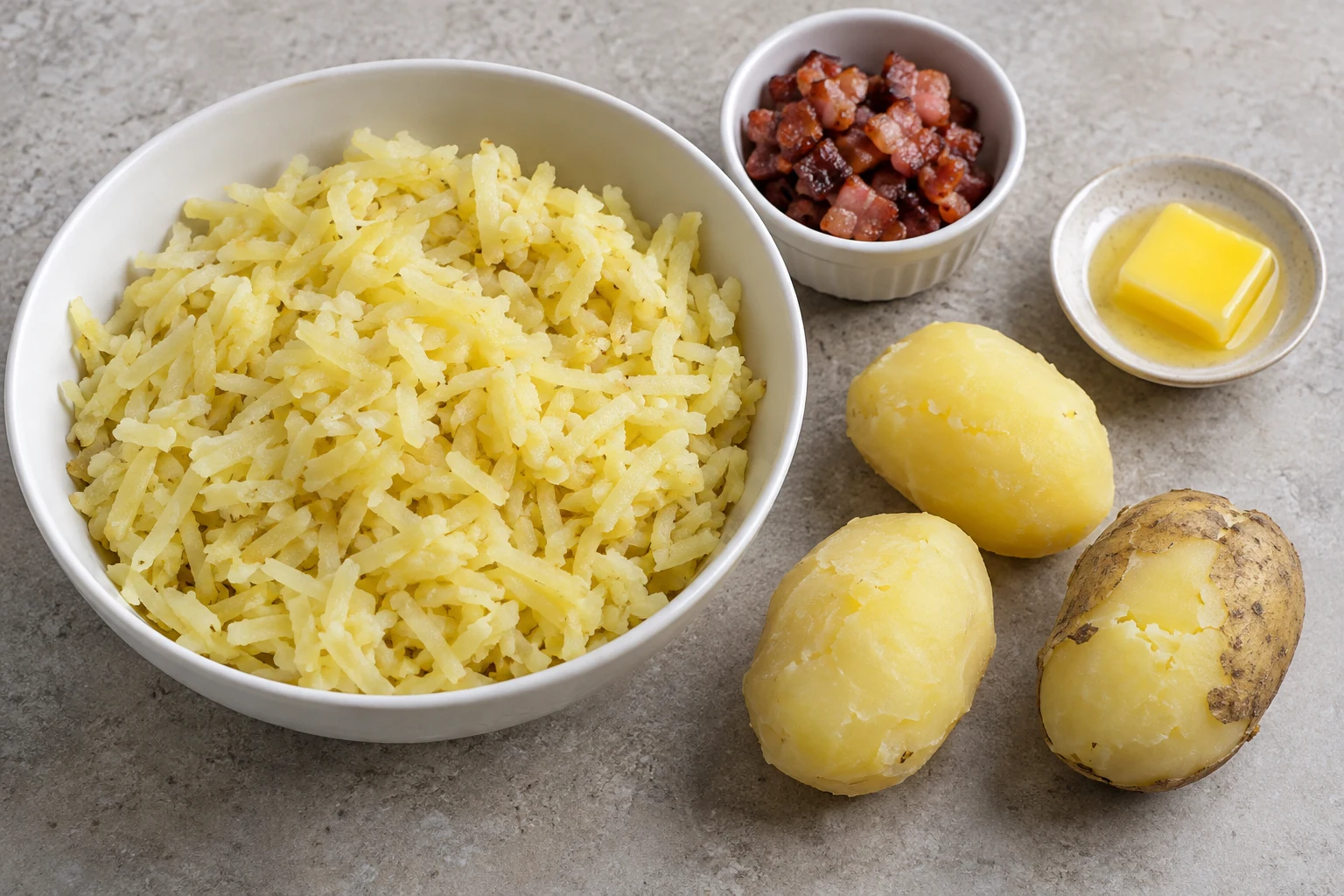
Two established potato routes
Cooked jacket potatoes
Swissmilk recommends waxy potatoes when using Gschwellti, potatoes boiled in their skins. They are easier to grate after cooking. Switzerland Tourism’s rösti method starts with potatoes cooked the previous day and peeled before coarse grating.
- A way to use suitable cooked potatoes
- A waxy potato helps retain separate strands
Raw potatoes
Swissmilk accepts both floury and waxy varieties for raw-potato rösti. Its guidance connects the variety with the desired result, rather than declaring a single potato correct for every method.
- The potato cooks as the cake fries
- Choose the variety for the texture you want
Read the texture, not just the variety name
Swissmilk draws a particularly helpful distinction: waxy potatoes produce a more stable rösti with individual strips still apparent, while floury potatoes make a softer, more cohesive interior and a pronounced crust associated with their higher starch content. That explains why two competent cooks can prefer different potatoes.
Betty Bossi’s general guide favors waxy potatoes or varieties suitable for frying. That narrower recommendation and Swissmilk’s broader advice can coexist because the starting method and the preferred result matter. A label such as waxy is useful information, but it is not a promise that an unsuitable technique will produce the same cake. Select a complete method built for raw or cooked potatoes and keep that choice consistent.
From loose shreds to a connected crust
- 01
Grate coarsely and evenly
Betty Bossi emphasizes a grater that produces even potato strips. Think of recognizable shreds rather than a fine paste: the cutting choice establishes the texture before frying.
- 02
Brown the bacon before adding the potato
Switzerland Tourism’s bacon variation crisps diced bacon first. Its potato method then begins with occasional turning before the shreds are pressed into a flat cake. This is a sequence, rather than a suggestion to bury raw bacon beneath an already finished crust.
- 03
Let a formed side sit
In that cooked-potato method, the shaped cake is left undisturbed over medium heat. The practical lesson is to separate early mixing from the later period in which a connected surface develops.
- 04
Use support when turning
Betty Bossi describes turning with a plate or pan lid, then sliding the cake back to brown the other side. A supported turn suits the broad shape better than trying to lift the entire cake on one small utensil.
Decide how the rösti belongs in the meal
Switzerland Tourism describes rösti as a dish that travelled from farmers’ breakfast in German-speaking Switzerland to wider national popularity. Today its own serving suggestions include a fried egg, while its cuisine overview places rösti alongside meat dishes. Those accounts show flexibility at the table without settling every question of origin.
A bacon version already includes pork. Butter or clarified butter may also be present, and cheese is another documented regional addition. If the goal is a vegetarian or dairy-free plate, ask about the entire preparation, including the frying fat and toppings. A plain-looking potato cake is not enough information.
For a home cook, the strongest starting question is simple: do you have cooked potatoes suited to grating, or are you choosing a raw-potato method? Answer that first, then choose the bacon finish and the place of the rösti in the meal. It keeps the texture decision connected to the food you actually have.
Research notes
Sources behind the potato choice
Swiss potato and dairy organizations supply the variety and regional guidance; Betty Bossi and Switzerland Tourism document the pan sequence and turning method. Culinary Heritage clarifies the limits of its inventory. This is a technique comparison, not a complete tested recipe.
- Swisspatat — Rösti and regional additions Defines the compact grated-potato cake and gives bacon/onion, caraway and sausage/cheese examples.
- Swissmilk — Which potatoes for rösti? Separates raw and cooked starting methods and explains waxy versus floury texture.
- Betty Bossi — Rösti technique guide Documents coarse even grating, potato choice, frying fat and a plate or lid for turning.
- Switzerland Tourism — Rösti method Previous-day cooked potatoes, the separate mixing/forming/resting stages, bacon variation and serving context.
- Culinary Heritage of Switzerland — Inventory scope Explains why dishes such as rösti are excluded from its processed-product inventory despite their cultural significance.
Keep exploring
More stories for your table
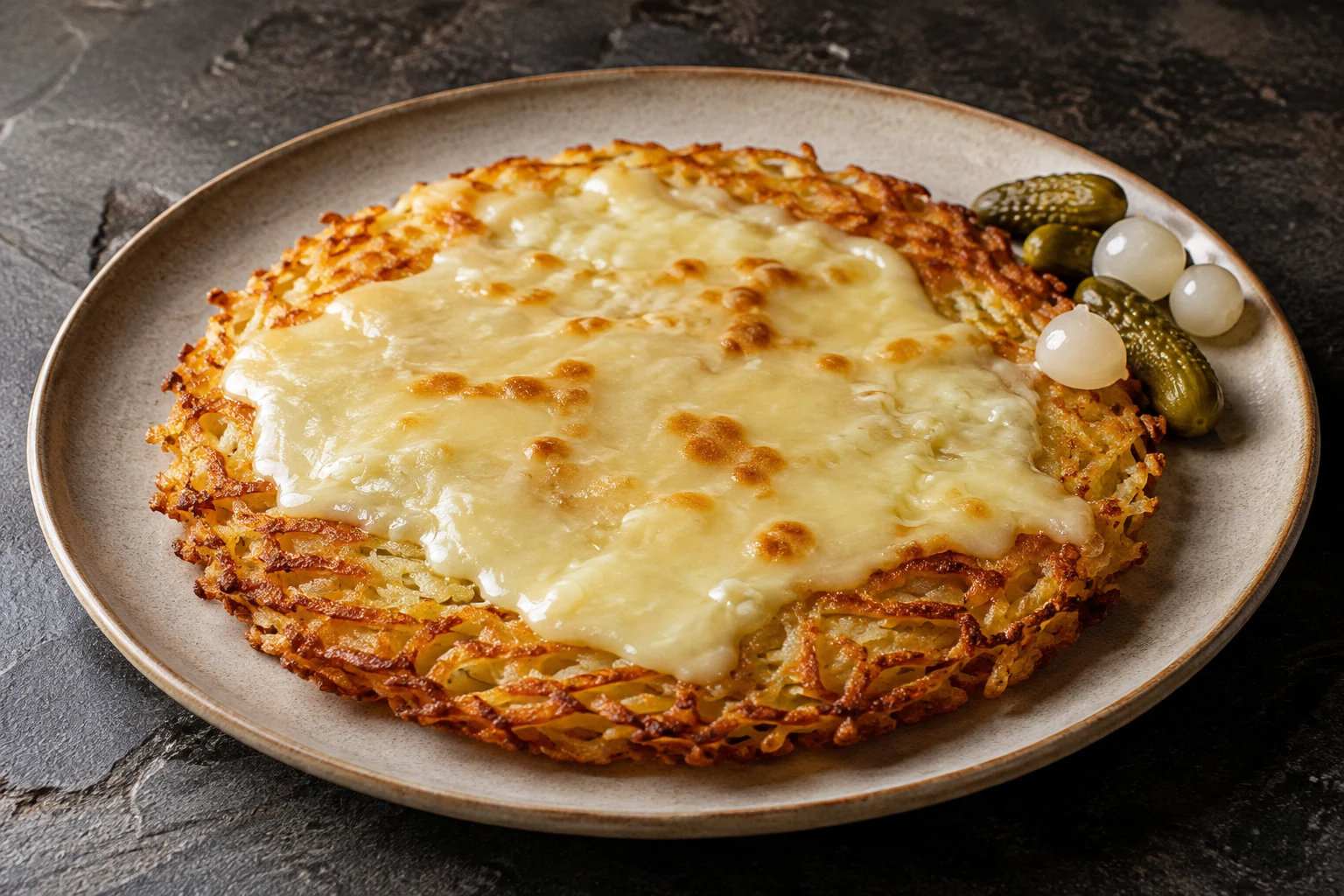
Swiss cuisine Potato dish
Rösti with Raclette Cheese
A crisp Swiss potato cake meets molten raclette in a cross-regional pairing that separates documented tradition from a practical home adaptation.
French cuisine Potato and cheese dish
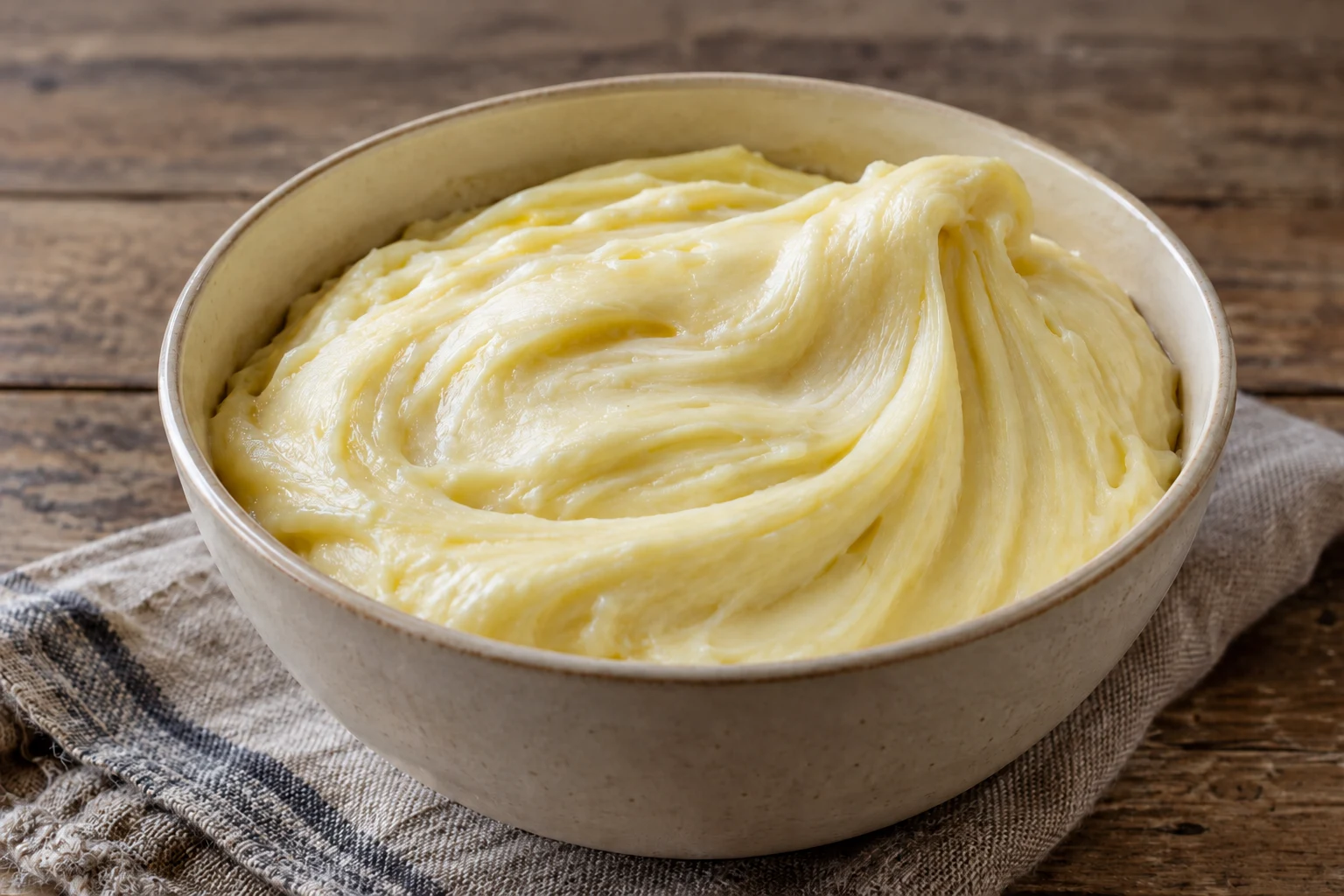
Aligot: The Fresh Cheese Behind the Famous Stretch
Aligot turns potato purée and fresh Aubrac tome into a flowing ribbon. Understand the cheese, compare regional proportions, and follow a home adaptation built around gentle heat and decisive folding.
American cuisine Breakfast potatoes
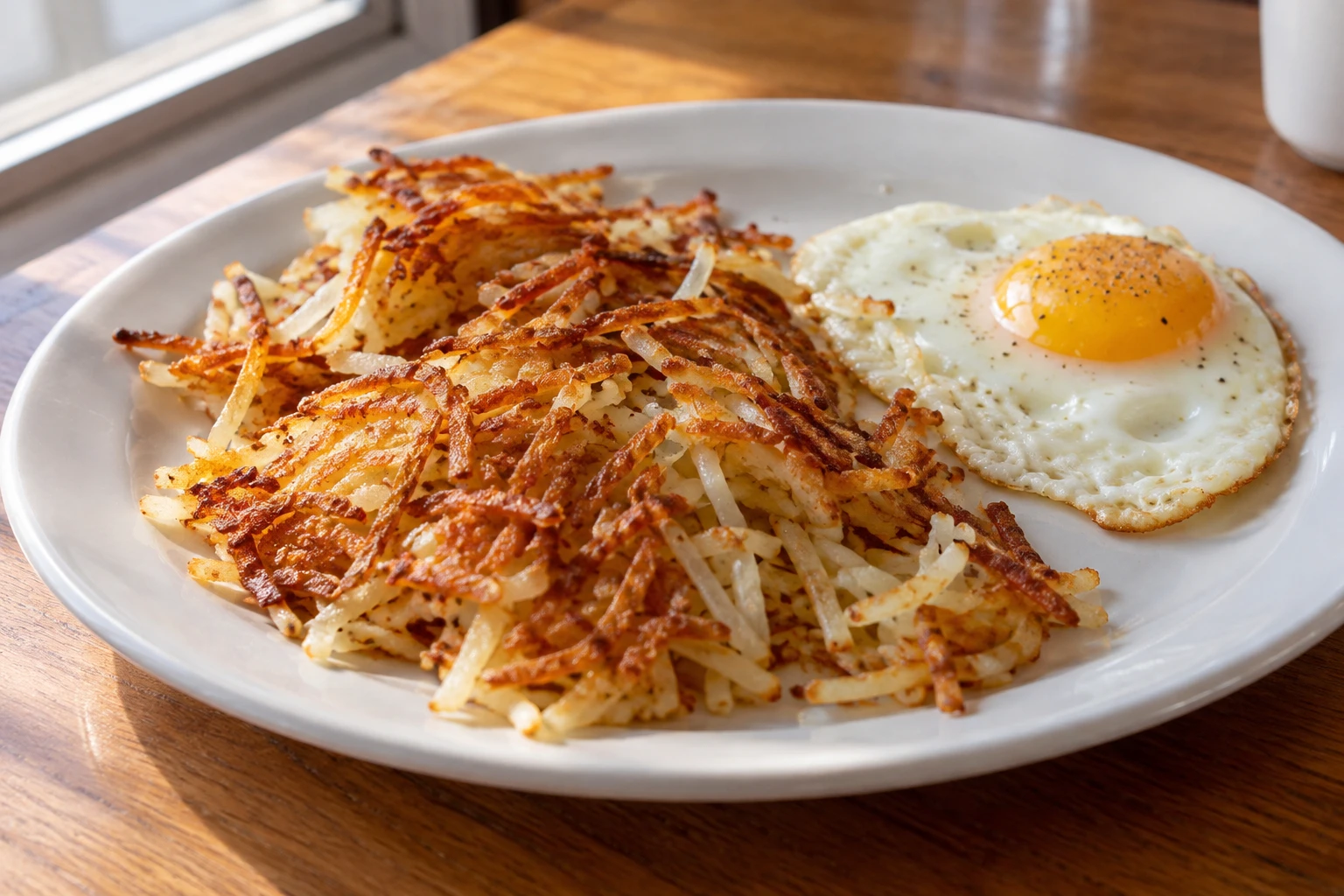
Hash Browns: Choose the Shreds and the Shape
Loose shreds, a skillet cake and small patties ask different things of the potato. Compare drying, rinsing and partly cooked starts before frying hash browns.