
Perdiz Estofada: Finish the Bird, Then the Sauce
Perdiz estofada a la toledana
Toledo-style partridge stew gives the bird and its vegetable sauce separate stages. Compare the wine, vinegar and finishing choices before cooking.
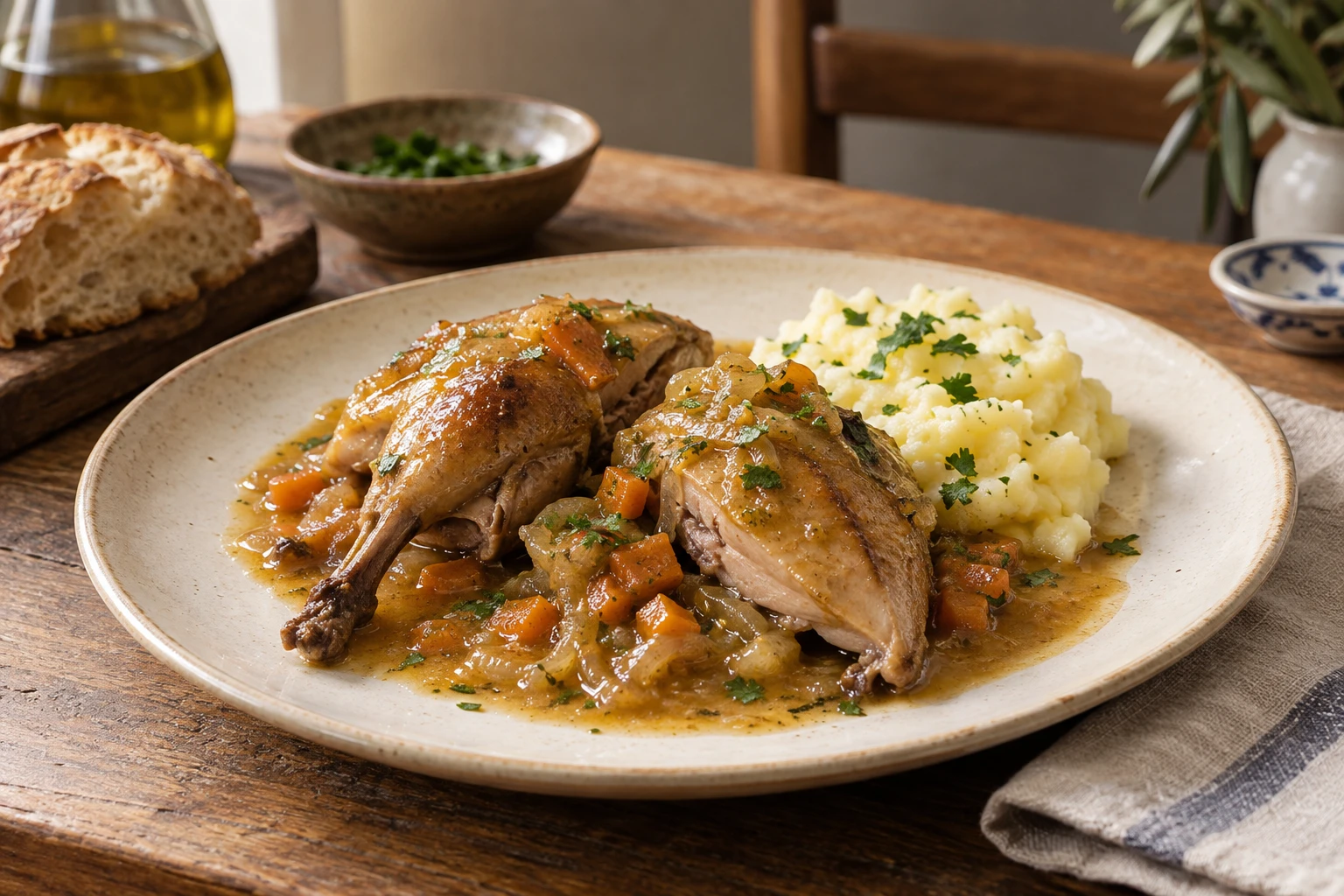
One stew, two things to finish
Perdiz estofada a la toledana brings a small game bird and a vegetable sauce to the same plate. The municipal tourism guide for Toledo places slow cooking, garlic, onion and bay at its centre, with wine, vinegar and aromatic herbs shaping the result. The useful detail in the recipes is how they finish the bird and sauce separately.
A browned partridge is the beginning of these stews, not the end. The bird then cooks with liquid and aromatics. Later, it can leave the casserole while the vegetables and cooking liquid are worked into a sauce. Thinking in stages helps explain why a stew is more than a pot left untouched for a fixed number of hours.
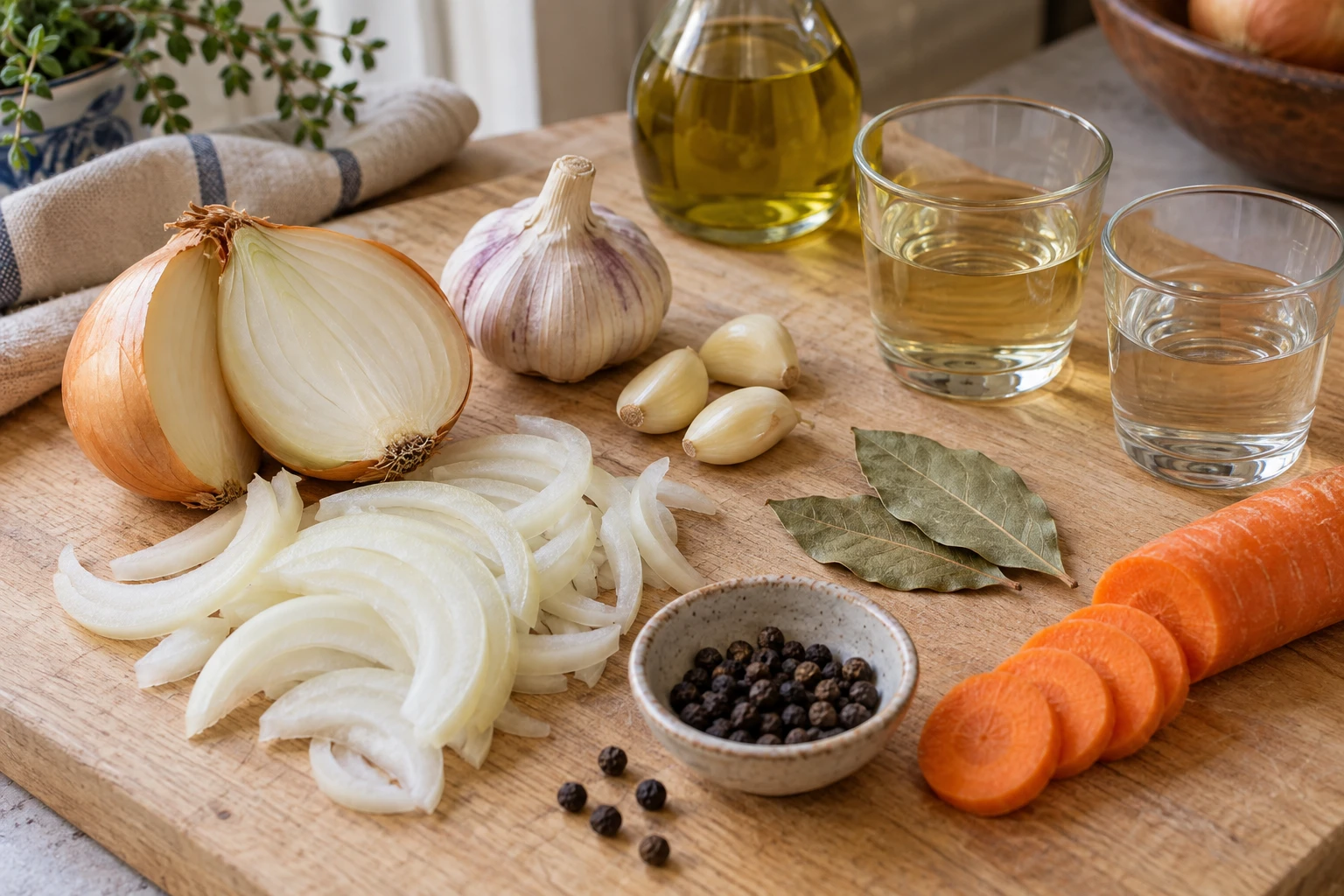
Keep the cooking liquids with their recipe
Both are published as Toledo-style stewed partridges, but their liquid and vegetable choices differ.
Wine with a vinegar note
Karlos Arguiñano’s Hogarmania preparation uses white wine and vinegar with onion, garlic, carrot, bay and whole black pepper. After the birds brown, the vegetables join them; the liquids briefly boil before the covered gentle cook.
Wine and water over onion
María Ángeles Fernández’s Bon Viveur version uses abundant onion, garlic, bay, thyme and pepper, with white wine and water. It first browns the birds, removes them to cook the onion and garlic, then returns them for the covered braise.
The whole bird is a practical choice
Both cooks truss the partridges before browning. Fernández explains the purpose: the legs and wings stay gathered, preserving the shape and making the birds easier to turn during the long cook. The string is removed before serving.
Whole-bird preparation does not oblige a whole-bird presentation. Arguiñano halves the cooked partridges and removes the breastbone and ribs before saucing them. Fernández offers either whole or halved service. Read the finishing instructions when planning the meal; the same starting shape can lead to a different plate.
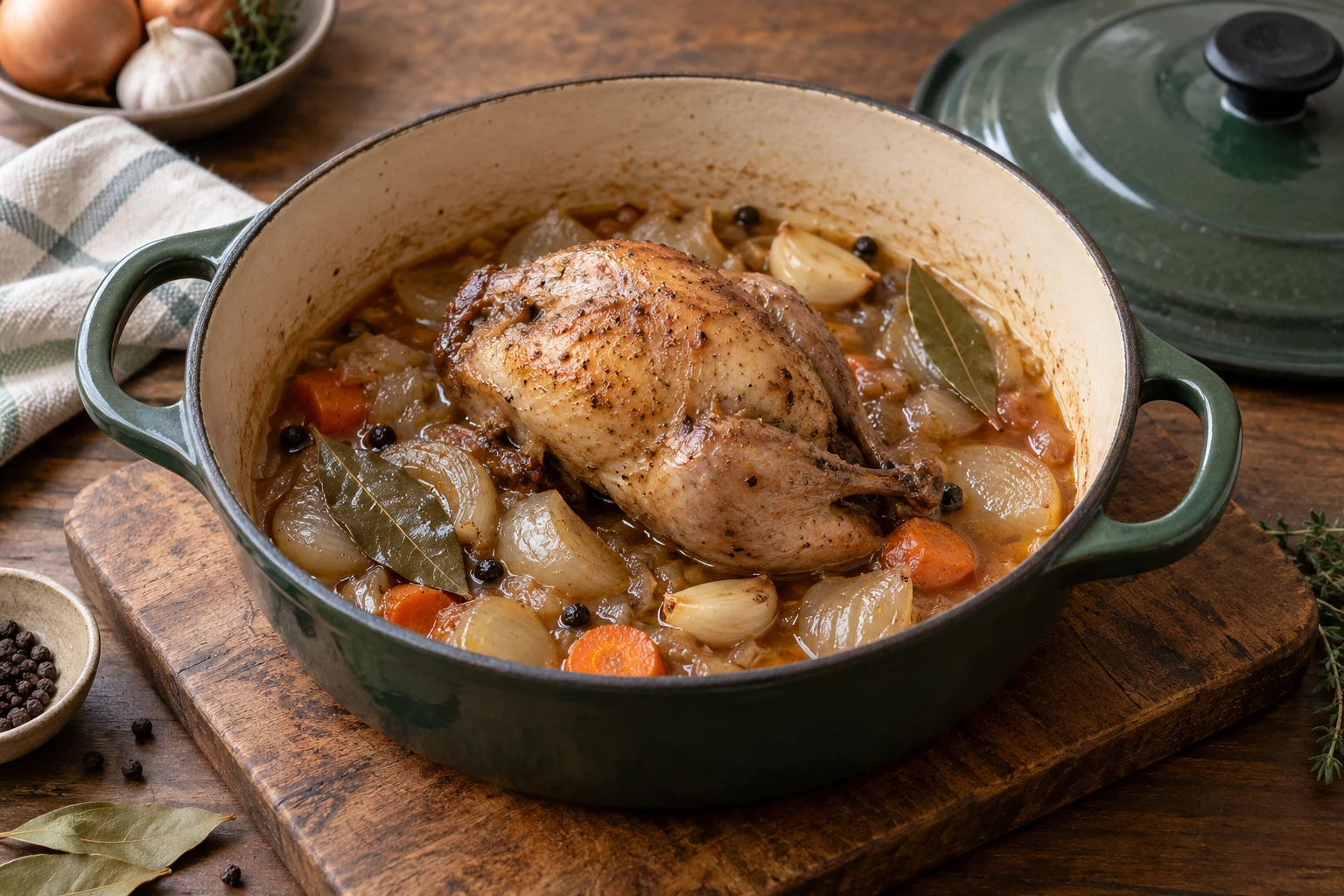
Give the sauce its own stage
- 01
Cook the bird through
Browning supplies colour before the covered cook. Check the meat with a food thermometer: FoodSafety.gov gives poultry a minimum internal temperature of 165°F/74°C. A brown exterior and a recipe’s elapsed time cannot substitute for that measurement.
- 02
Remove before reducing
Fernández takes the cooked birds out and keeps them covered while she blends and reduces the sauce. This makes the sauce’s finishing stage explicit rather than requiring the birds to remain in the pot through every adjustment.
- 03
Choose the sauce texture
Arguiñano passes his vegetable sauce through a food mill, then sauces and warms the halved birds together. The finished sauce in that method is worked smooth; visible vegetable pieces on another plate indicate a different finishing choice.
Research notes
Sources and recipe differences
The two stews retain their own sequences. The escabeche is identified separately; the government source supports the cooking-temperature check.
- Toledo municipal tourism: Gastronomy Local partridge stew with garlic, onion, bay, wine and a vinegar note.
- Hogarmania: Karlos Arguiñano’s Toledo-style partridges Whole-bird browning, wine and vinegar braise, halving and a milled sauce.
- Bon Viveur: María Ángeles Fernández’s stewed partridges Onion-rich wine-and-water braise, bird removal before sauce blending and reduction.
- Canal Cocina: Abraham García’s Toledo partridge preparation A related escabeche with amontillado and sherry vinegar; kept distinct from the stews.
- FoodSafety.gov: Minimum internal temperatures Poultry minimum 165°F/74°C, checked using a food thermometer.
Keep exploring
More stories for your table
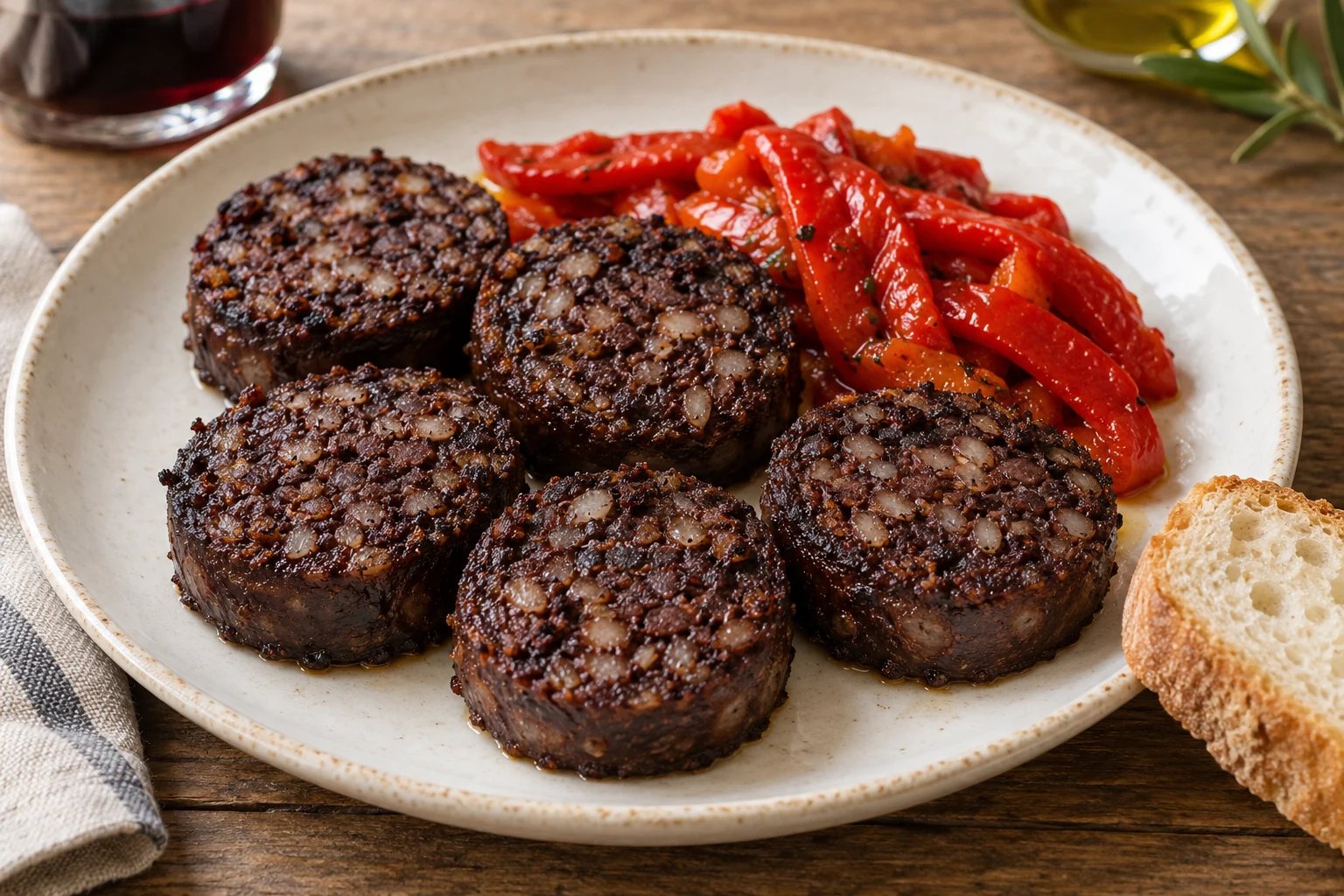
Spanish cuisine Rice-filled blood sausage
Morcilla de Burgos: what the rice tells you
Rice and onion give Burgos morcilla its distinctive filling. Read the product, then compare crisp slices, peppers and an apple-compote serving.
Portuguese cuisine Lamb stew
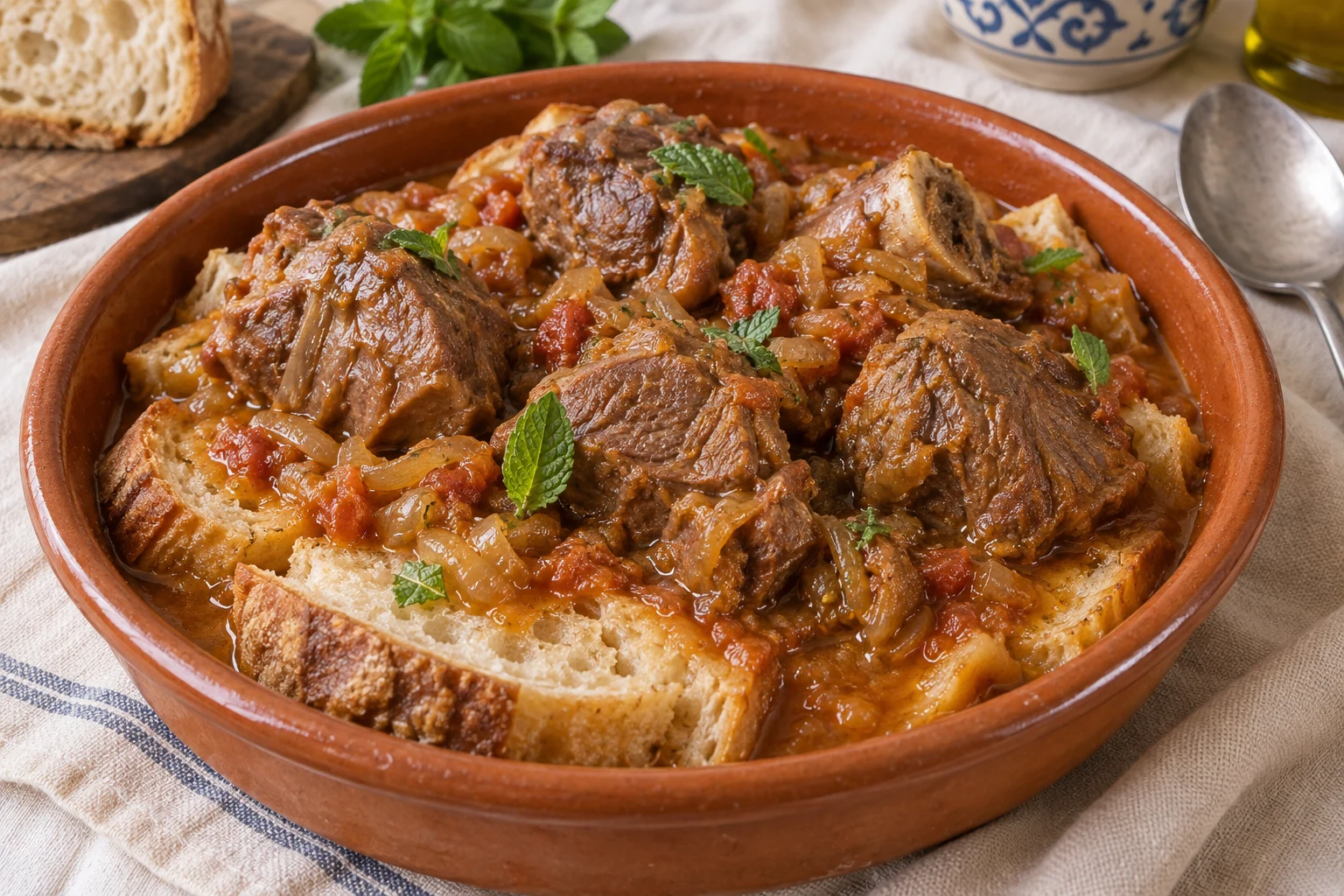
Ensopado de Borrego: Save the Broth for the Bread
Alentejo’s lamb ensopado makes the bread part of the meal. Compare wine, tomato and potato choices while keeping enough broth to soak the slices.
Afghan cuisine Meat stews
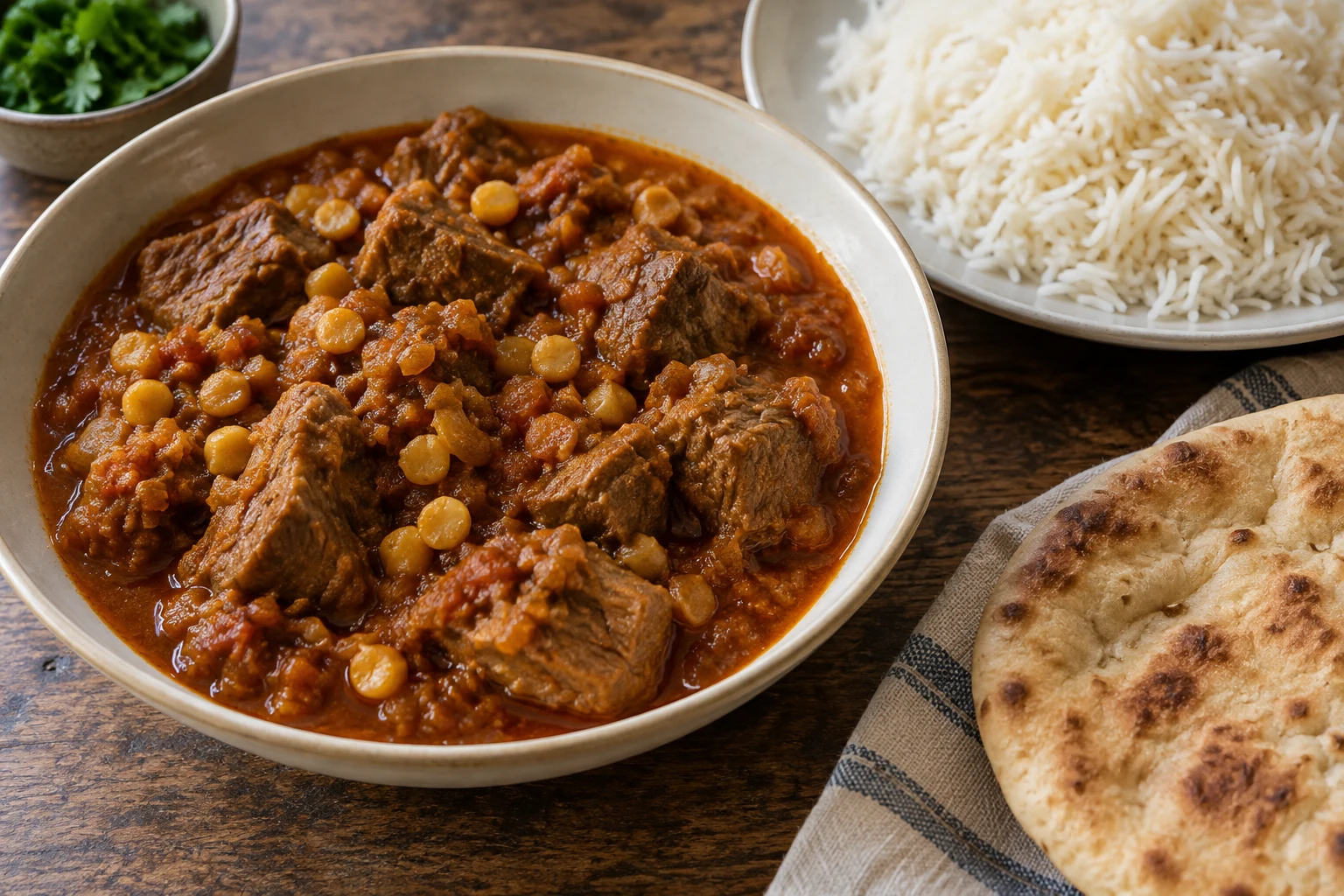
Afghan Qorma: One Braise, Several Pots
Afghan cooks make meat qorma with potatoes, tomato, pulses or fruit. Their recipes show how to choose a whole preparation and read beyond a familiar curry name.