
Shchi: choose the cabbage, then build the bowl
Щи
Fresh cabbage, sauerkraut or both lead shchi in different directions. Explore broth, mushrooms, roasted vegetables and the sour-cream finish.
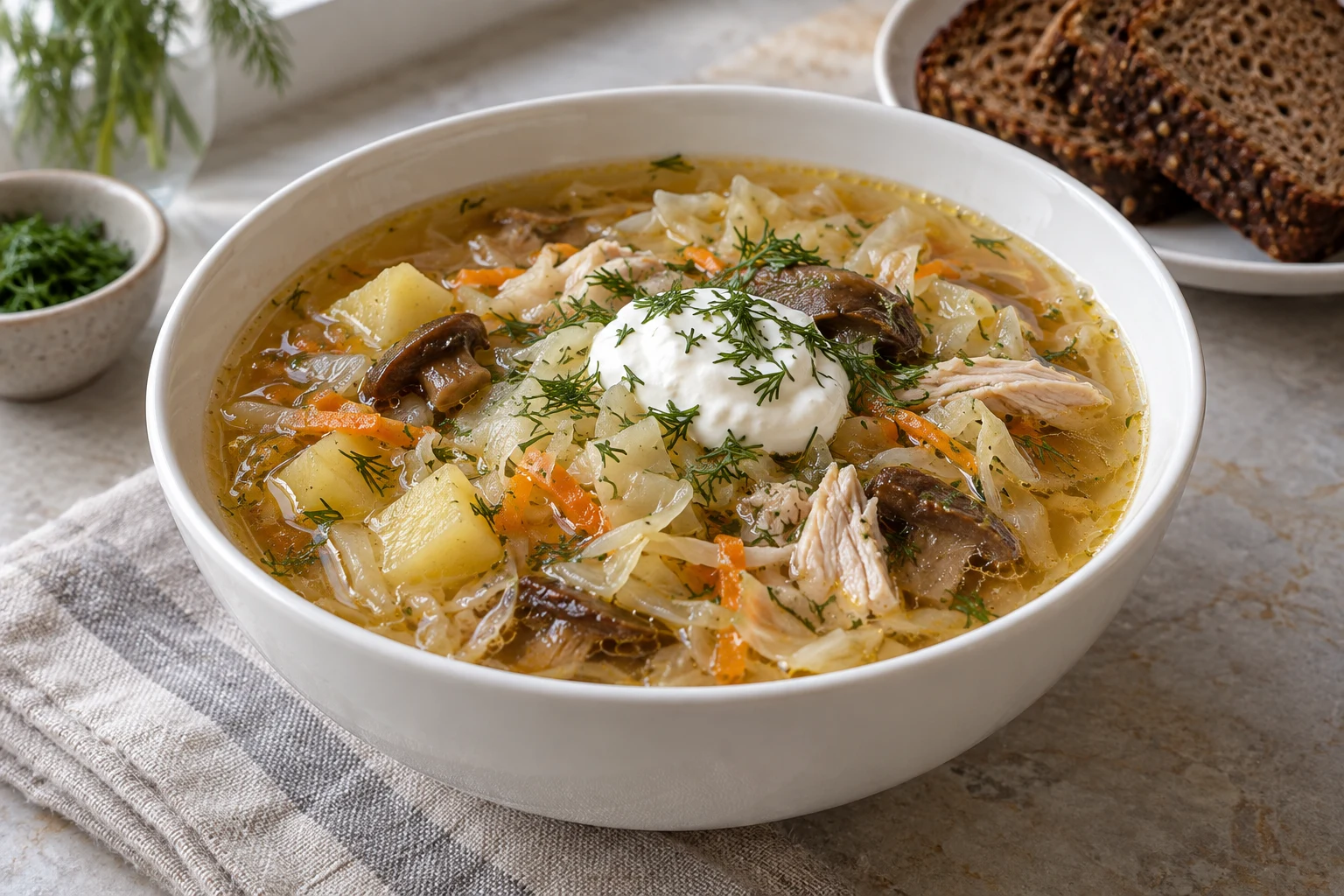
The first useful question about a bowl of shchi is simple: which cabbage went into it? Fresh leaves, fermented shreds and a mixture of the two give the cook different starting points. The next questions concern the broth and the ingredients around the cabbage. A soup with beef and potatoes will not taste like one built around chicken and dried mushrooms, even when both carry the same name.
The four references here are deliberately different. Peter’s Food Adventures begins with a fresh-cabbage beef soup; Olga’s Flavor Factory combines fresh cabbage with sauerkraut; Asif presents a beef-and-sauerkraut recipe from a cookbook; Jennifer Eremeeva takes a roasted-vegetable route. Their differences make shchi easier to understand as a set of practical choices.
Read these details before choosing a version
- Cabbage
- Fresh, fermented or mixed
- Broth
- Part of the flavour
- Supporting ingredients
- Recipe-specific
Look for the actual ingredient, rather than inferring sourness from the soup’s pale or red-brown colour.
A vegetable broth and a meat broth are different choices. Cabbage in the title does not tell you which one is in the pot.
Potatoes, mushrooms and tomatoes appear in some versions and are omitted in others. Read the ingredient list before expecting all three.
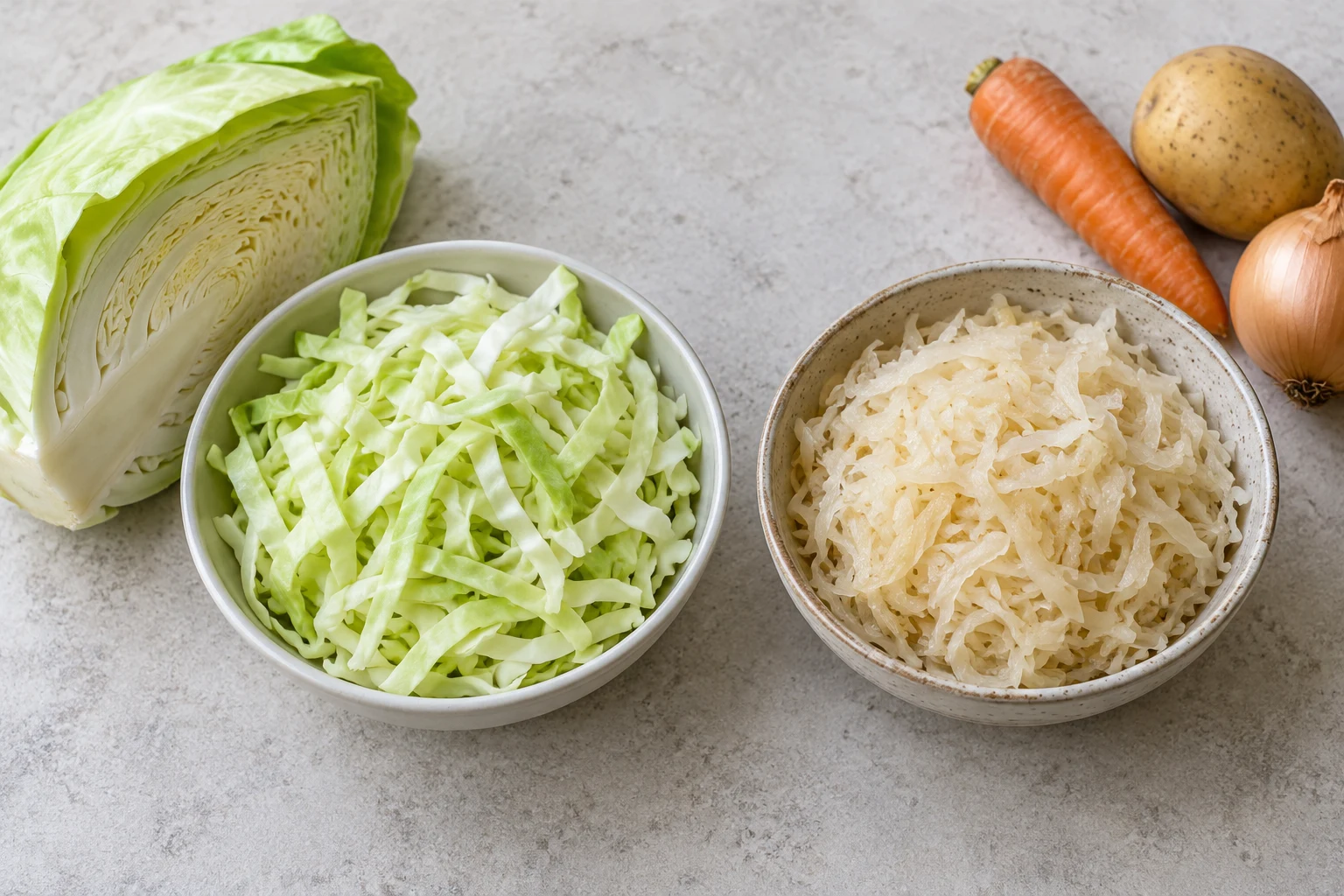
A mixed-cabbage bowl has its own logic
Olga explains why she uses both: the fresh cabbage moderates the tartness of the sauerkraut and brings another texture to the soup. That gives the reader a clear purpose for the combination. It is a considered balance, rather than an incomplete attempt at a purely fresh or purely sour version.
At a restaurant, ask whether the cabbage is fresh or fermented if tang is the feature you are looking for. At home, choose a recipe whose cabbage balance sounds appealing before deciding what to substitute. The question becomes easier when it is about flavour rather than the label “traditional”.
Dried mushrooms add another preparation stage
Olga favours dried porcini or chanterelles, while allowing other mushrooms or omitting them. Her method rehydrates the dried mushrooms and filters their soaking liquid before adding it to the broth. That filtered liquid is part of her flavour-building approach, alongside the mushrooms themselves.
Fresh and dried mushrooms should therefore not be treated as identical items merely because both are called mushrooms. Check how the chosen recipe prepares them and whether it uses their liquid. The shopping list and the first few steps need to agree before the soup begins.
Broth and meat do not always start separately
Asif’s recipe from “Commonwealth of Independent Tastes” simmers beef shin with halved vegetables and seasonings until the meat is tender. It removes those stock vegetables, then adds potatoes; sautéed onion and carrot and the sauerkraut follow later. The sequence distinguishes vegetables used to make the broth from those intended to remain in the bowl.
This is useful when planning the work. Starting with prepared broth is a different task from starting with raw beef and making the broth as part of the soup. Compare recipe stages, rather than only the advertised time or the final ingredient count.
Roasting offers a different route to depth
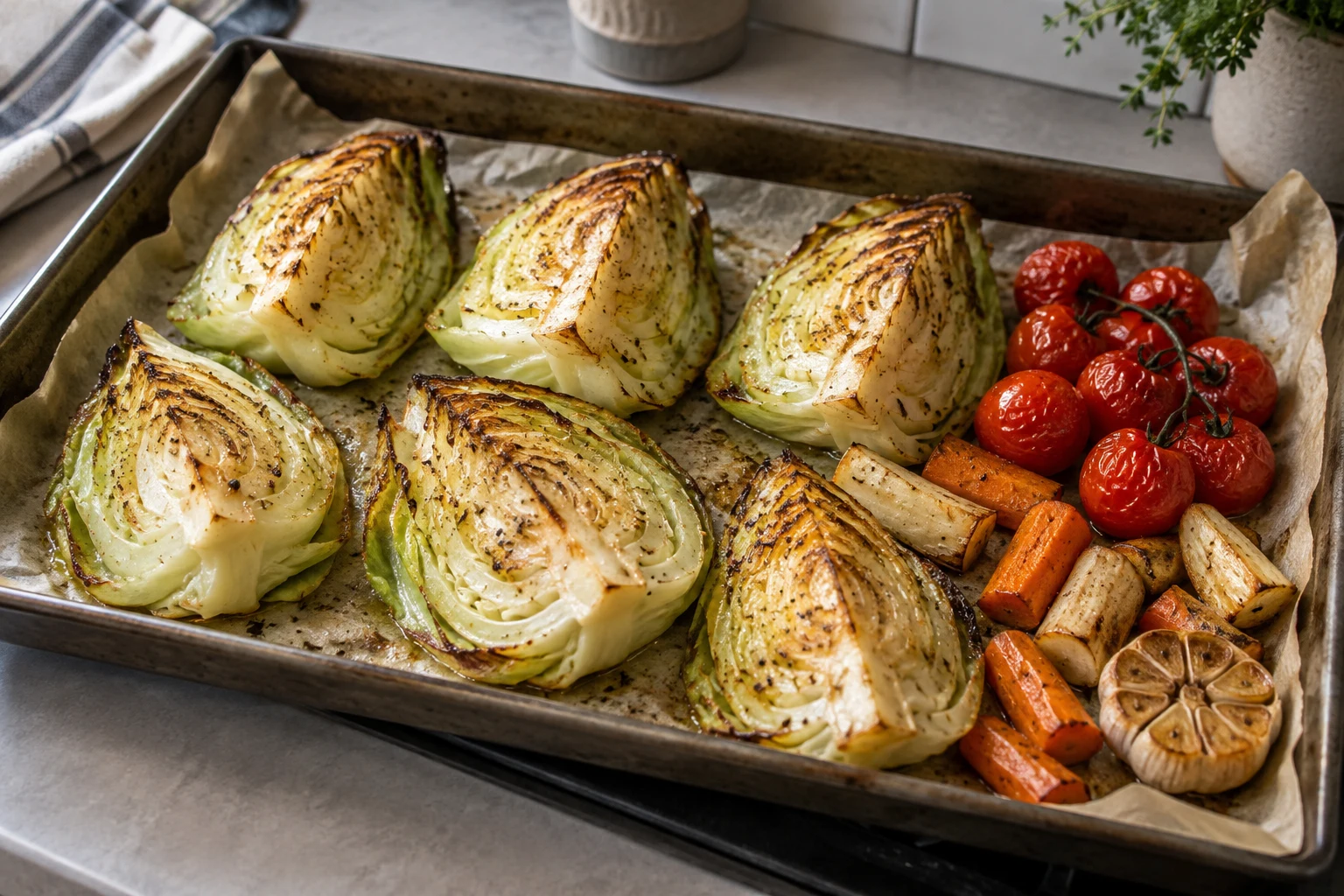
Writing in The Moscow Times, Eremeeva roasts cabbage, tomatoes, garlic, carrots and parsnips before they join a smoked-pork soup. Sauerkraut and its juice bring the tart element. She leaves out potatoes and mushrooms in that version, making room for the root vegetables and roasted flavours instead.
This changes the work before the simmer: the oven becomes part of the preparation, and the fresh cabbage is cooked before it enters the pot. Treat that as a distinct method with its own sequence. It cannot be reduced to sprinkling an extra spice into a quicker fresh-cabbage soup.
The finish can stay in the bowl
Peter’s Food Adventures suggests sour cream, rye bread and fresh herbs with its shchi. Olga also adds sour cream and herbs at service, while Asif marks the sour cream as optional. Serving it alongside the pot gives each diner a choice about how much to stir into the broth.
Taste a spoonful before adding the cream if you want to notice the cabbage, stock and any mushrooms first. Then compare a spoonful after stirring in a little. The change is easier to appreciate in the bowl than when a large amount has already been mixed into the whole batch.
Research notes
Sources for the four approaches
The article compares independently published recipes and uses their specific preparation choices. It does not combine them into a single recipe.
- Peter’s Food Adventures — Shchi Fresh-cabbage beef version and rye bread, herbs and sour-cream serving suggestions.
- Olga’s Flavor Factory — Shchi Mixed fresh cabbage and sauerkraut, optional dried mushrooms and filtered mushroom liquid.
- Asif — Shchi from Commonwealth of Independent Tastes Beef-shin broth, separate stock vegetables and later sauerkraut; optional sour cream.
- Jennifer Eremeeva, The Moscow Times — Cabbage Soup Roasted vegetables, smoked pork and sauerkraut; excludes historical and health claims.
Keep exploring
More stories for your table
Russian cuisine Appetizers
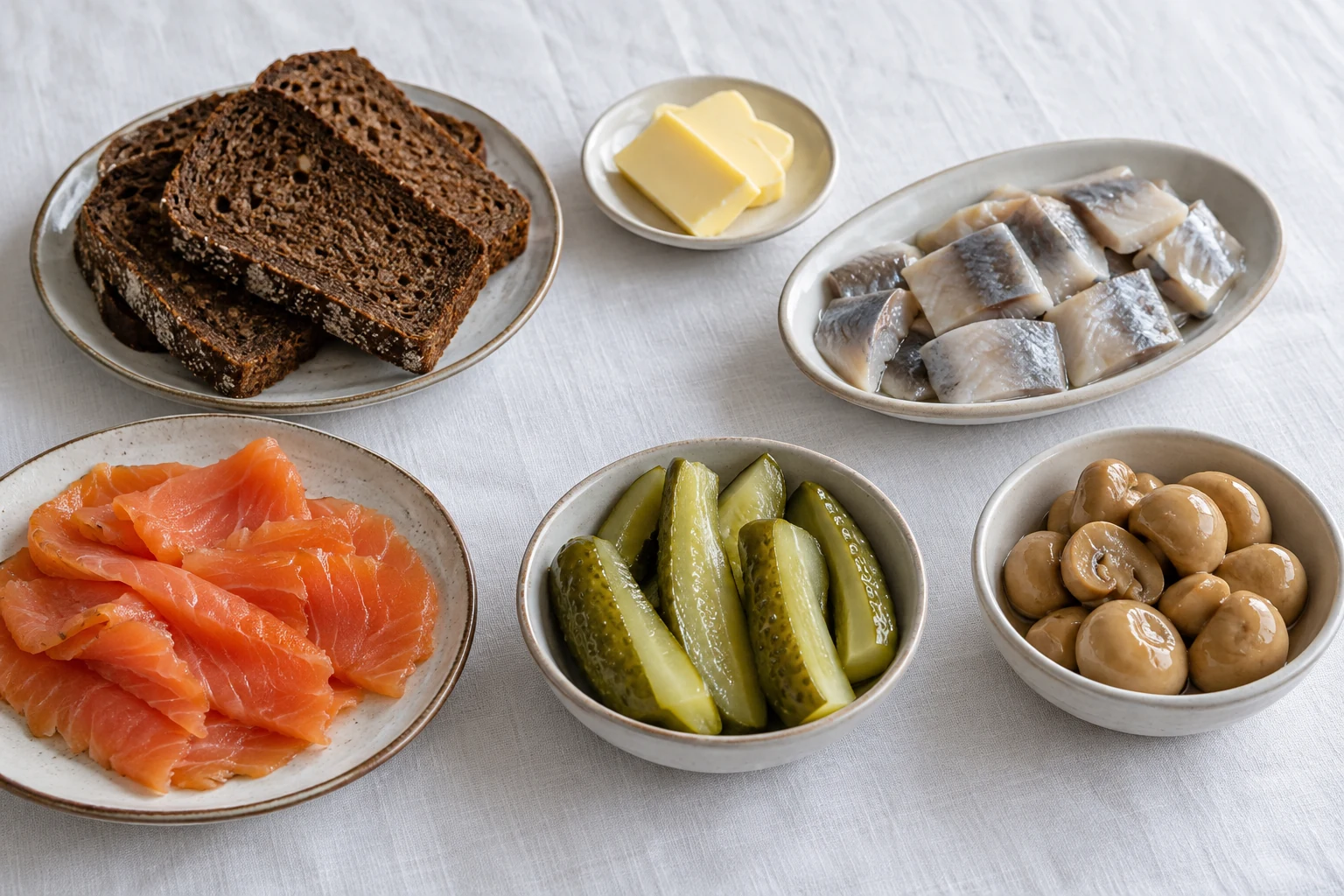
Zakuski: A First Course Made for Sharing
Understand the Russian zakuski table: a generous shared first course of small dishes, with a practical plan for a modest assortment.
Russian cuisine Buckwheat porridge
Buckwheat Kasha: A Pantry Word and a Bowl of Home
The word kasha can name a broad family of porridges or toasted buckwheat on an English label. Learn which groats to buy, how cooking methods differ and why a plain bowl carries family meaning.
Hungarian cuisine Stuffed cabbage
Töltött Káposzta: Cabbage in Two Roles
Hungarian stuffed cabbage combines a leaf-wrapped filling with cabbage in the cooking pot. Explore sour and fresh leaves, a Szabolcs tomato variation, and the dish’s place at festive tables.