
Mors: three ways to draw flavor from berries
Морс
Compare Russian mors methods that handle berry juice differently, then make a complete cooked cranberry version with sweetness adjusted to your taste.
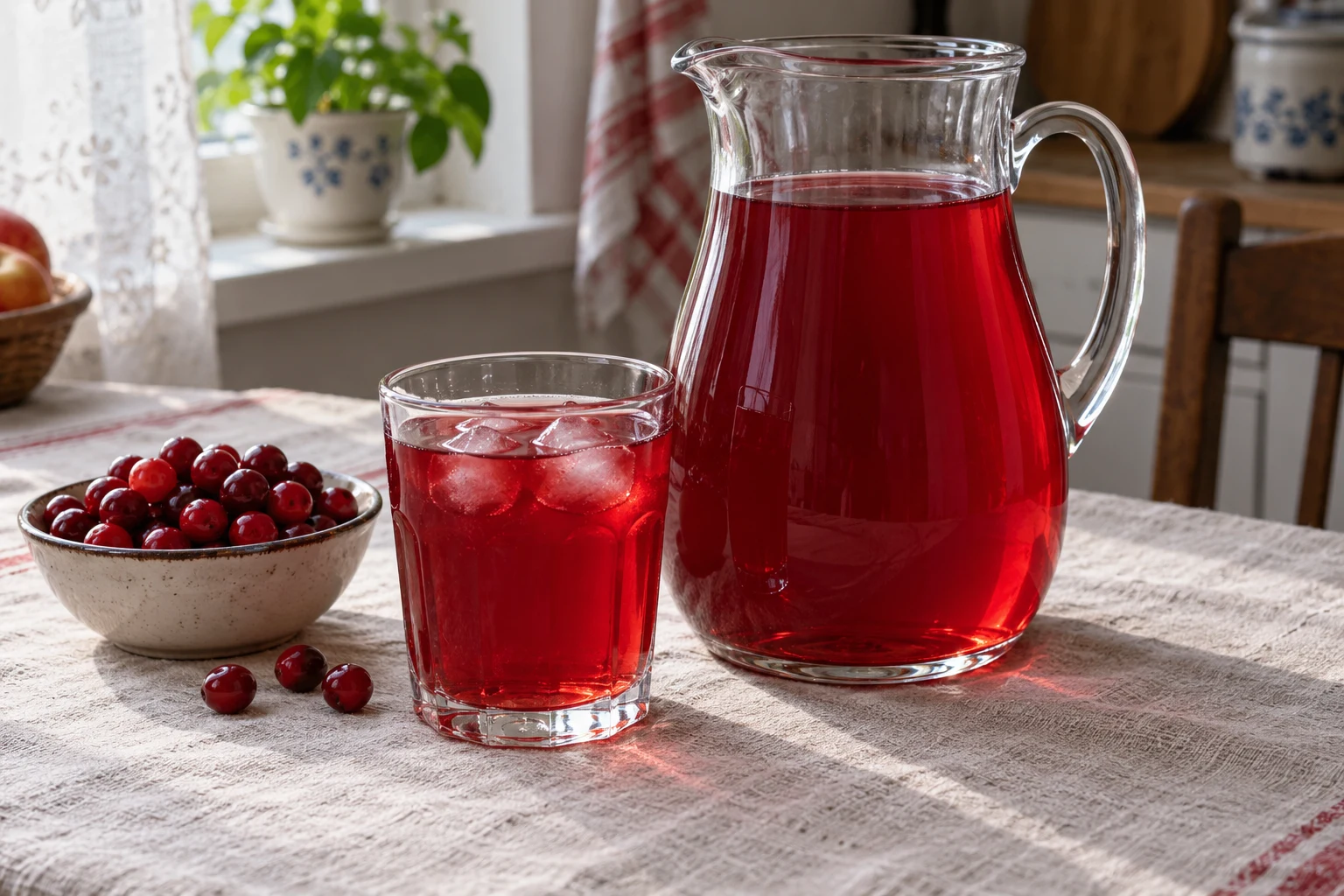
The berry drink has more than one method
Mors is a Russian berry drink whose recipes can take different routes from fruit to glass. Peter's Food Adventures uses cranberries in a method drawn from the berry drinks of his family kitchen. Water and sweetening make the fruit into a drink, while the handling of the juice and skins gives the preparation its particular sequence.
Look at that sequence before choosing a recipe. Does it reserve uncooked juice, cook all the berries together, or soften the fruit before separating it? These are meaningful differences even when the finished drinks share a red color and the same familiar name.
Follow the path of the juice
Reserve juice before cooking
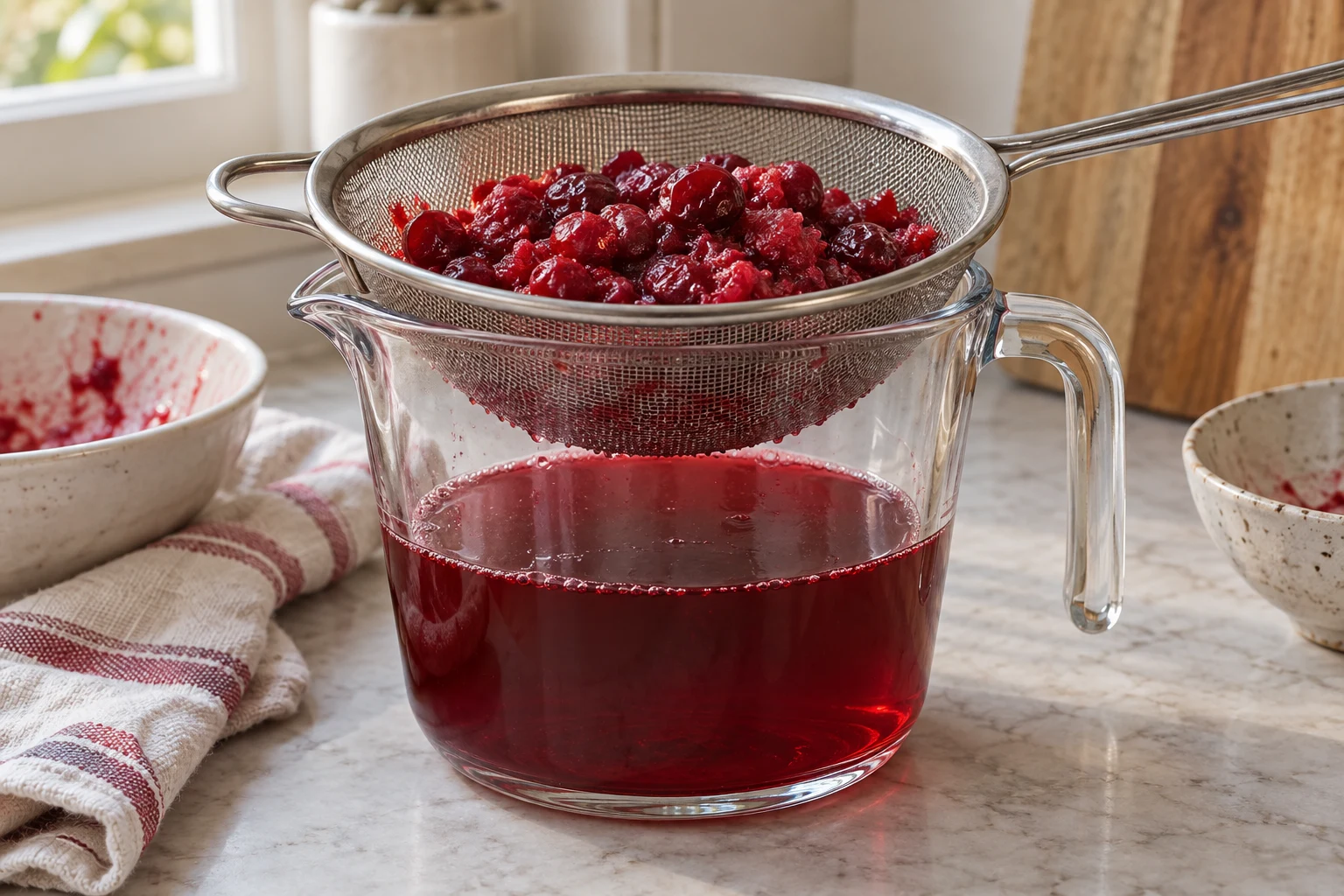
Peter crushes and squeezes the cranberries, cooks the remaining pulp with water, then adds the reserved juice to the cooled strained liquid. The last addition brings uncooked berry juice into the drink.
Cook the berries together
Emily Han's cranberry mors, published by Imbibe, boils the berries in water, mashes them and boils again before straining. Her sweet finish uses honey and lemon. The fruit is heated during extraction.
Soften before separating
Victoria Frolova's cranberry adaptation at Bois de Jasmin briefly cooks the berries until they burst. She separates the juice, simmers the skins with more water, then recombines them. This adapts her grandmother's earlier method to the cranberries available to her.
Choose a berry combination you can recognize
Florian Pinel's Food Perestroika version uses red currants and blueberries, inspired by what he found at a New York market. He limits his blend to two berry flavors because he wants to distinguish them in the finished drink. That is his practical preference, not a rule restricting every mors to two fruits.
The useful lesson is to choose the blend intentionally. One berry gives you a clear starting point; a small combination asks what each fruit contributes. Pinel cooks his chosen berries with water and strains the liquid, then adds sugar and lemon juice. His formula belongs to that fruit mixture, so its sweetness and dilution are a separate choice from a cranberry recipe.
Cook it at home
Cooked cranberry mors
An editorial home adaptation of the cooked-berry methods below, with its own measurements. Makes about 1.2 litres for four servings. Allow extra time for chilling; the stated time is for warm service.
Ingredients
For the drink
- 300 g fresh or frozen unsweetened cranberries
- 1.2 litres, plus a little extra if needed drinking water
- 80 g, plus optional extra to taste granulated sugar
Method
- 1
Prepare
Rinse fresh berries under running water and discard spoiled fruit, stems and leaves. For frozen berries, follow the package handling instructions.
- 2
Cook and crush
Put the berries and 1.2 litres water in a saucepan. Bring to a boil and cook until the berries burst. Mash them carefully in the pan, then simmer for 5 minutes.
- 3
Strain
Strain through a fine-mesh sieve into a heatproof jug, pressing the cooked fruit with a spoon. Discard the remaining solids. Add drinking water if needed to make 1.2 litres.
- 4
Sweeten and serve
Stir in 80 g sugar while warm. Taste a cooled spoonful and adjust with a little more sugar if wanted. Serve warm, or cool briefly and refrigerate for cold service. Keep the prepared drink refrigerated.
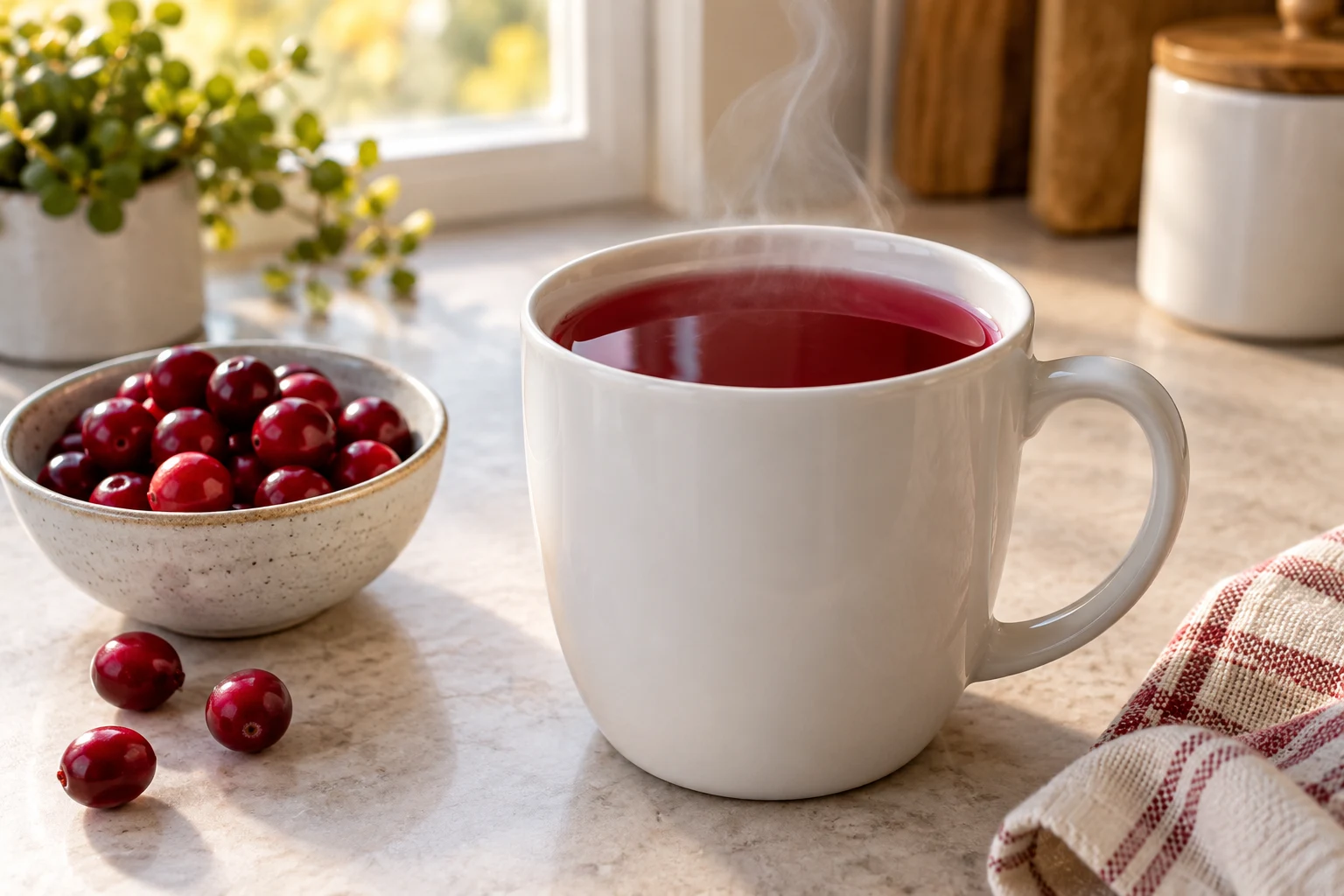
Leave room for the cranberry's tartness
Frolova describes keeping enough sweetness to soften the cranberry's sharp edge while allowing its aroma to remain recognizable. Her account is useful because it treats sweetness as part of the berry flavor, rather than a reason to cover it completely.
For the adaptation here, taste a cooled spoonful before increasing the sugar. Record the amount you prefer for that batch of berries. Frolova enjoys mors hot as well as cold, so serving temperature is another choice to make after the extraction method. A warm mug and a chilled glass can come from the same simple berry preparation.
Research notes
Sources
Four independent culinary accounts inform the comparison; current FDA guidance explains the relevance of untreated juice. The measured cooked cranberry version is an editorial adaptation.
- Peter's Food Adventures: Homemade Cranberry Juice Russian mors name and a reserved-juice, cooked-pulp method.
- Emily Han in Imbibe: Cranberry Mors A complete cooked-berry method, reproduced with permission from her book.
- Florian Pinel: Mors, Russian Berry Cocktail An original redcurrant and blueberry mixture with deliberate flavor selection.
- Victoria Frolova: Cranberry Mors A firsthand family method, cooked-cranberry adaptation and sweetness approach.
- FDA: Juice Safety Current untreated-juice guidance and produce preparation.
Keep exploring
More stories for your table
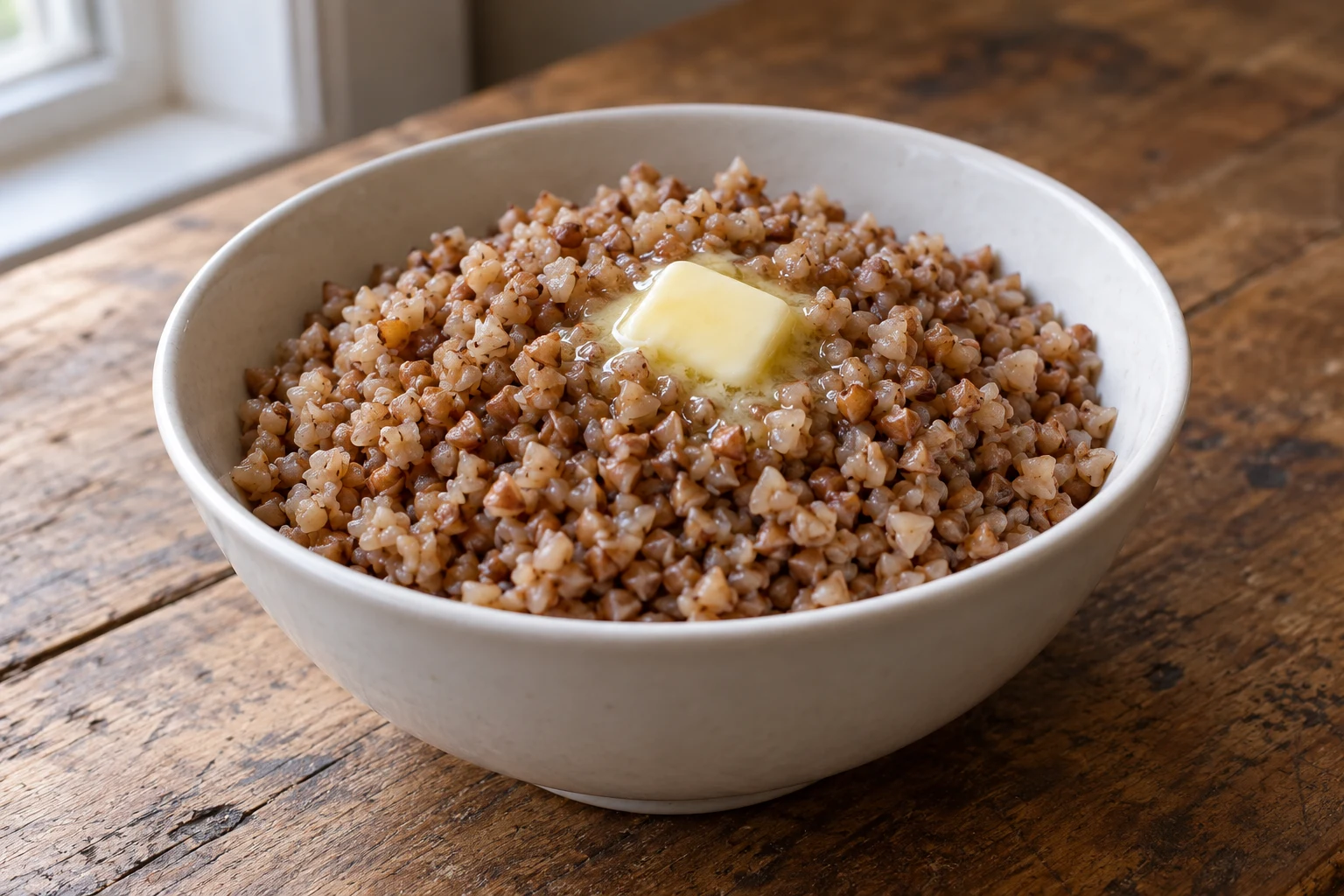
Russian cuisine Buckwheat porridge
Buckwheat Kasha: A Pantry Word and a Bowl of Home
The word kasha can name a broad family of porridges or toasted buckwheat on an English label. Learn which groats to buy, how cooking methods differ and why a plain bowl carries family meaning.
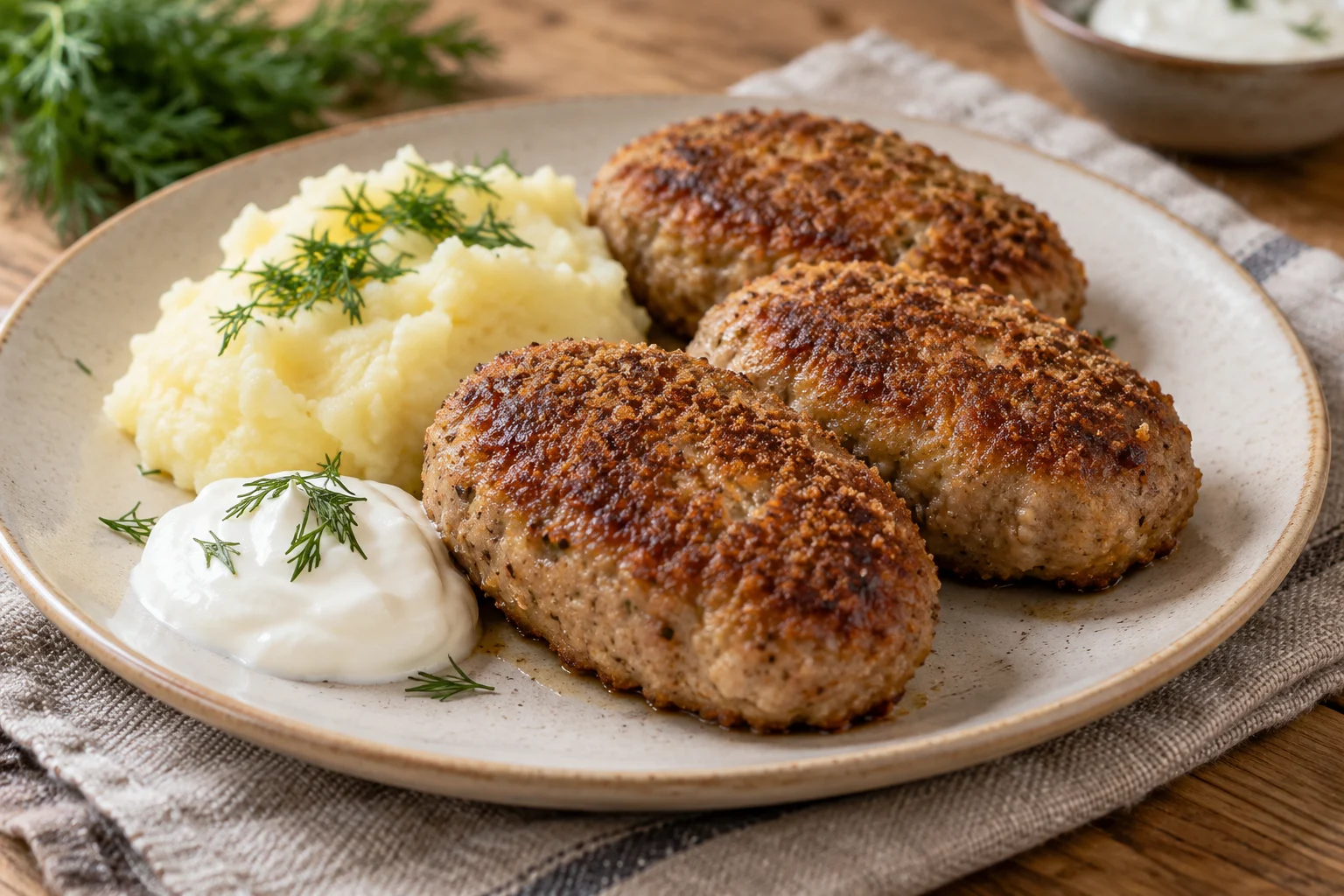
Russian cuisine Stuffed patties
Zrazy: closing a mushroom centre inside a meat patty
Russian home-style mushroom-filled zrazy, with an original beef-and-pork recipe and practical guidance for a dry filling, a closed seam and a fully cooked centre.
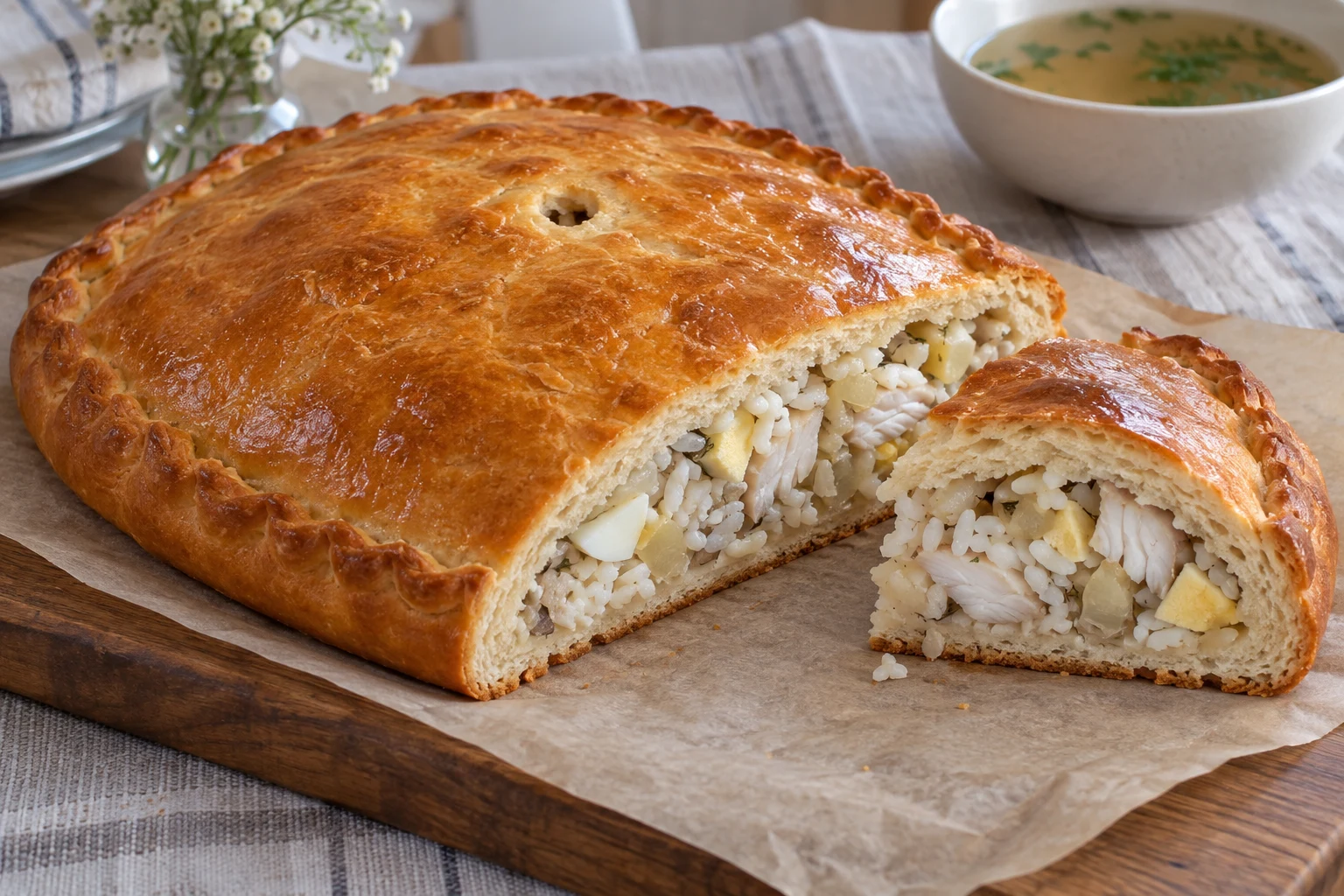
Russian cuisine Savory pie
Fish Pirog: Decide What Goes Under the Lid
A closed yeast-dough fish pirog can begin with fillet, poached fish or a tin. Compare its filling, rice and steam vent before choosing a recipe.