
Buckwheat Kasha: A Pantry Word and a Bowl of Home
Гречневая каша
The word kasha can name a broad family of porridges or toasted buckwheat on an English label. Learn which groats to buy, how cooking methods differ and why a plain bowl carries family meaning.
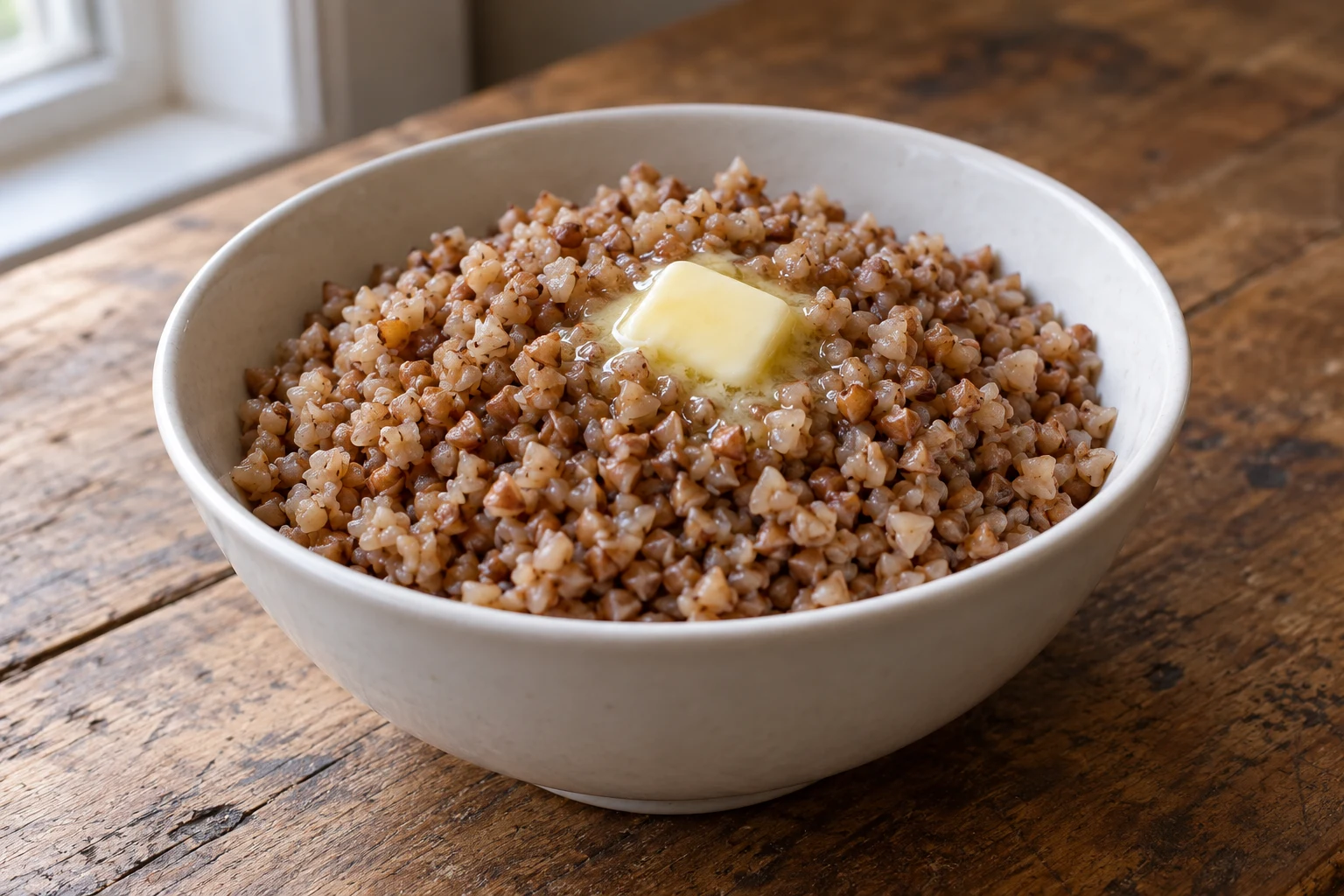
Start by asking what kasha means here
In Russian food culture, kasha is a broad category of porridge-like dishes. A bag labelled kasha in an English-speaking grocery, however, often contains one specific ingredient: toasted buckwheat groats. Food.com’s kitchen dictionary makes that distinction between the wider Russian meaning and the narrower American usage.
This page concerns buckwheat kasha, гречневая каша, rather than every dish covered by the word. It is the cooked groats that matter: the hulled kernels, with an earthy roasted character and a texture that can range from separate pieces to a softer bowl. The label and the intended texture are useful starting points before choosing a cooking method.
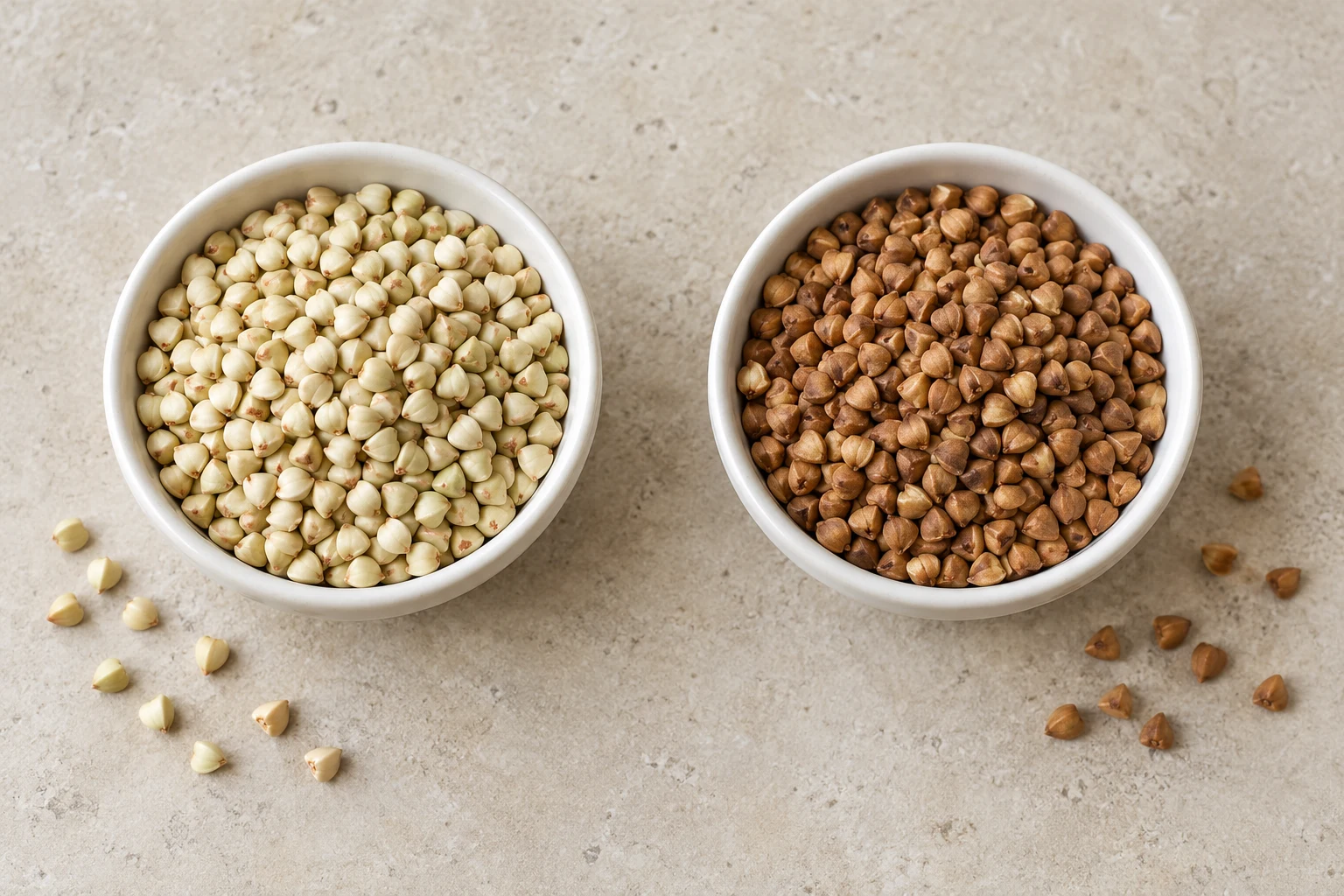
Three forms that answer different needs
Untoasted groats
The University of Missouri’s crop guide describes the dehulled seed as a groat. It begins pale, often greenish-tan, and can darken with age. A recipe may toast these kernels before cooking.
- Whole edible kernels
- Check the intended preparation
Toasted groats, often sold as kasha
King Arthur Baking’s ingredient account distinguishes groats from kasha, its name for toasted hulled seeds. Missouri Extension also notes that shops sell groats already toasted.
- Roasting is already part of the starting flavor
- Do not assume every package needs another toast
Buckwheat flour
The same King Arthur account treats flour as a separate form used in baked goods, blini and other preparations. It cannot replace whole groats while preserving their cooked-kernel texture.
- Milled rather than whole
- Suited to a different family of dishes
The name is botanically misleading
Buckwheat is a broadleaf plant rather than one of the grasses that produce wheat, oats or barley. Missouri Extension calls it a pseudocereal because its seeds are used much like cereal grains. This is a useful ingredient distinction, without turning the meal into a nutritional promise.
King Arthur’s account identifies buckwheat itself as naturally gluten-free. A prepared dish still needs an ingredient check: noodles, mixed flours, seasonings and additions can introduce other grains. The plain groat is one thing; the contents of a finished plate are another.
Keep the water method consistent
A covered pot
Gastronom’s Russian-language loose-textured kasha method toasts prepared groats, then cooks them gently under a lid without stirring. Its measured water and low heat belong to that method as a whole.
- Water is measured for the pot
- The lid and gentle heat are part of the plan
Simmer, then drain
Anna Glover’s Good Food guide uses a different approach: simmer the groats until tender with some bite, then drain. It also describes toasting as optional for added roasted flavor.
- Excess water is removed at the end
- Tenderness is checked before draining
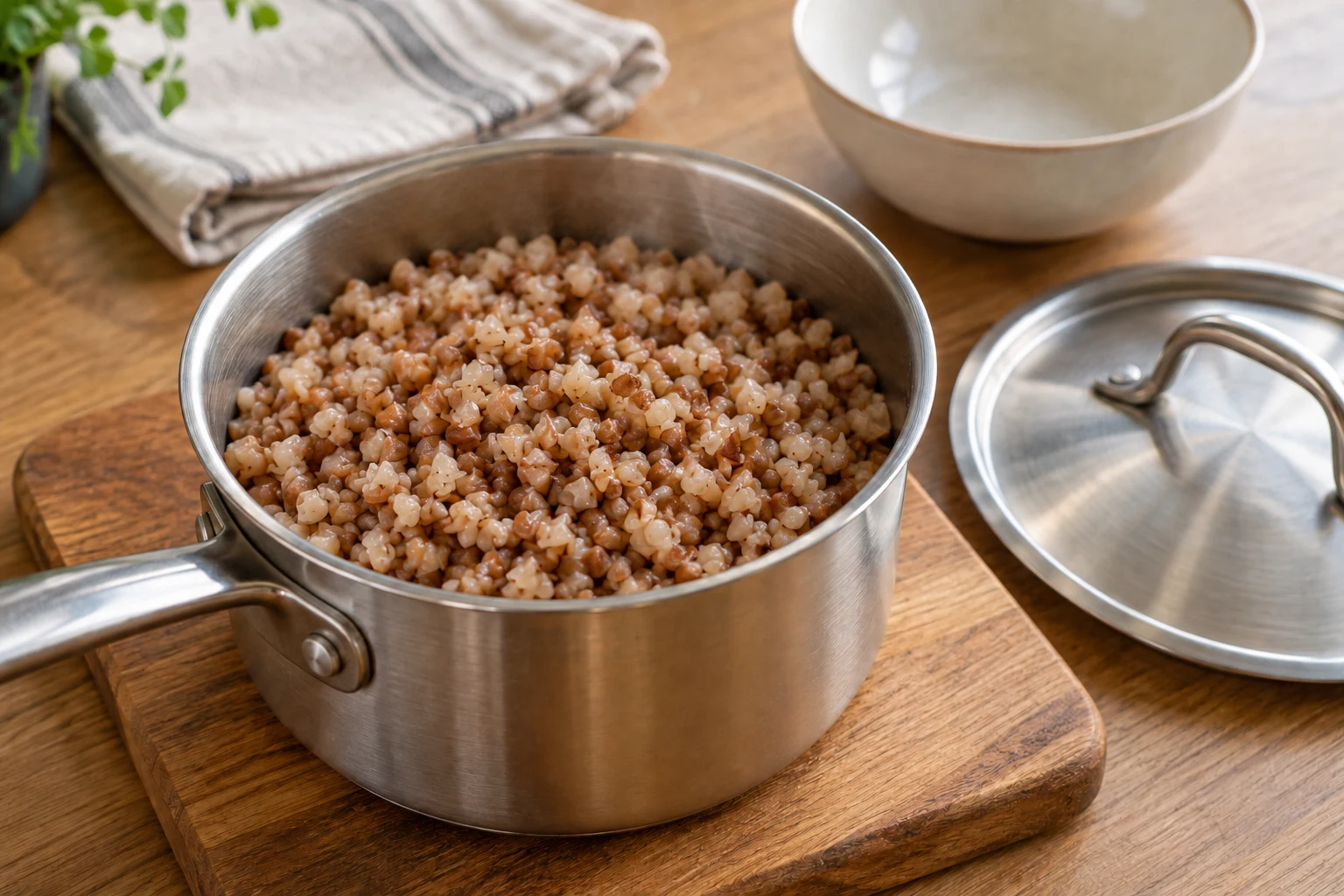
One method is more useful than borrowed fragments
The two approaches are not contradictory instructions for one pot. They manage water differently. A measured covered-pot recipe depends on its specified starting ingredient, water and heat; a simmer-and-drain approach removes surplus liquid. Switching between the two halfway through can change the result.
For your first bowl, choose a complete method suited to the groats you bought and follow it through. Glover’s description of tenderness with a little bite gives a sensory target for her method; it is more informative than expecting every brand or degree of roasting to finish identically. The first decision is the texture you want and the method suited to the groats in your pantry.
A plain bowl can carry a complicated memory
In her 2021 research note for Digest: A Journal of Foodways & Culture, Dana E. Modell explores buckwheat kasha through her own Russian Jewish family’s migration and memories. Her grandmother often served it plain, with butter or oil and sometimes milk. The dish’s importance in the account comes from continuity and resourcefulness as much as taste.
That is a named family’s experience, rather than a recipe for all Russian or Jewish households. It gives a useful way to understand a modest bowl: everyday food can remain meaningful without elaborate toppings or a single fixed presentation. Gastronom likewise records buckwheat kasha as a side to meat or chicken, or as a bowl served with warm milk. The table determines the finish.
Research notes
Sources for the word, seed and bowl
A culinary dictionary establishes the naming distinction; ingredient and agricultural sources explain the groats. Good Food and Gastronom supply contrasting cooking methods, while Modell’s research note provides an explicitly personal foodways account.
- Food.com — Kasha kitchen dictionary Distinguishes the broad Russian porridge meaning from American use for toasted buckwheat.
- King Arthur Baking — Buckwheat forms Explains whole groats, toasted kasha and flour, and separates buckwheat from wheat.
- University of Missouri Extension — Buckwheat Named plant-science author explains pseudocereal classification, hulls, groats and optional toasting.
- Good Food — Anna Glover’s buckwheat guide Documents optional toasting and a simmer-until-tender, then-drain approach.
- Gastronom — Loose-textured buckwheat kasha Russian-language naming, covered-pot method without stirring, and milk or meat-side serving examples.
- Dana E. Modell — Kasha: The Mighty Buckwheat Groat 2021 American Folklore Society journal research note on the author’s Russian Jewish family and food memories.
Keep exploring
More stories for your table
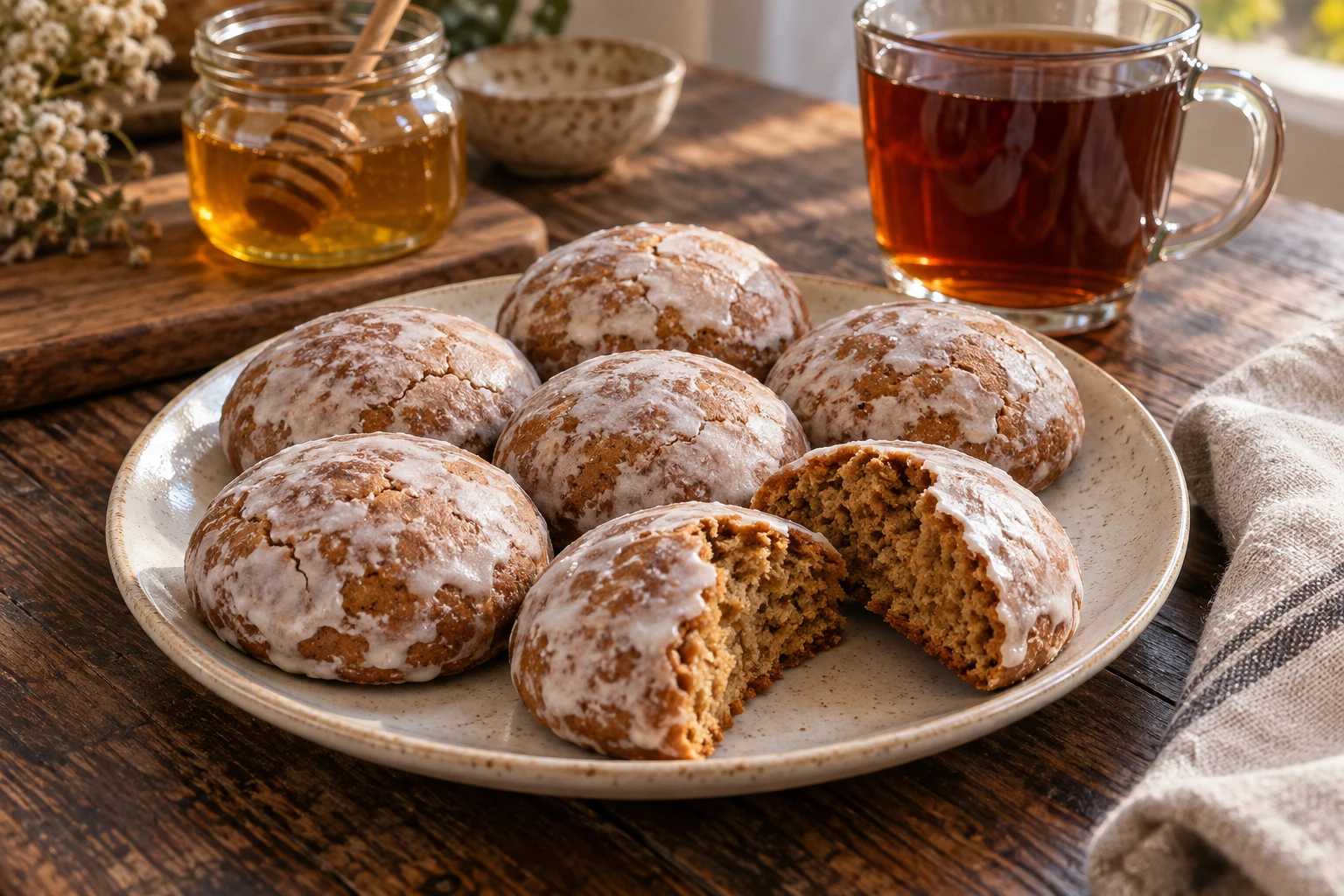
Russian cuisine Cookie
Pryaniki: Shape Before the Glaze
Domed honey spice cookies, jam-filled rounds and Tula's printed pryanik belong to a varied family. Their shapes ask for different doughs and finishes.
Russian cuisine Savory pie
Fish Pirog: Decide What Goes Under the Lid
A closed yeast-dough fish pirog can begin with fillet, poached fish or a tin. Compare its filling, rice and steam vent before choosing a recipe.
Nepalese cuisine Cooked rice
Bhat: Plain Rice with Room for the Rest
Understand Nepali bhat as cooked rice: its place beside dal and tarkari, the distinction from uncooked chamal, and why documented rice methods use different ratios.