
Sharlotka: apples held in a light egg sponge
Шарлотка
Sharlotka brings apples and whipped-egg sponge together. Compare fruit placement, batter cues and a sour-cream variation before choosing a recipe.
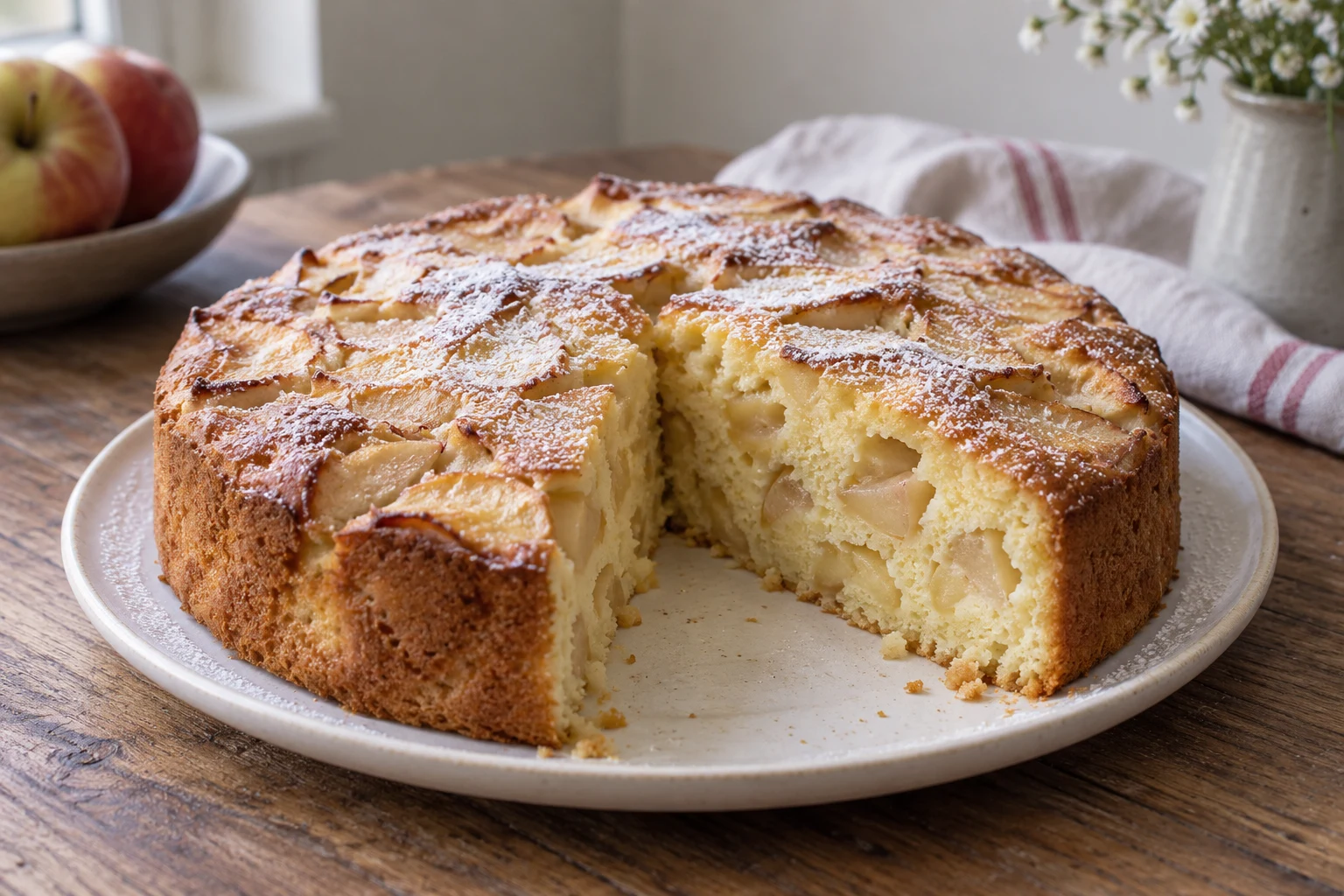
Look inside the slice
Sharlotka is a home-style apple cake whose small ingredient list hides an interesting choice: how much of each bite should be fruit, and how much should be sponge? The recipes opened here all combine apples with an egg-based batter, yet they arrange and enrich that combination differently. A single name does not promise an identical crumb.
Deb Perelman's Smitten Kitchen version makes the apple pile central: chopped fruit goes into the pan, and thick batter is worked down among it. Julia Frey's Vikalinka version also starts with apples in the prepared pan. Marina's Let the Baking Begin method alternates sponge batter and apple slices. Those are useful differences to notice before you start.
Two ways to place the fruit
Follow the arrangement in the complete recipe you choose; these descriptions explain the difference.
Apples first
Smitten Kitchen calls for chopped tart apples beneath the batter. Its clarification asks the baker to press the batter into the pile so it reaches the fruit, rather than leaving a separate cap above it.
- Look for batter distributed among the apples.
- This version deliberately gives fruit a large role.
Alternating layers
Let the Baking Begin places sliced apples between layers of sponge batter. Marina also supplies a separate, quantified fruit-heavy option, explaining that it makes a denser, moister cake.
- Slices and batter are arranged in stages.
- Use the option's whole formula if you want more fruit.
The foam comes before the flour
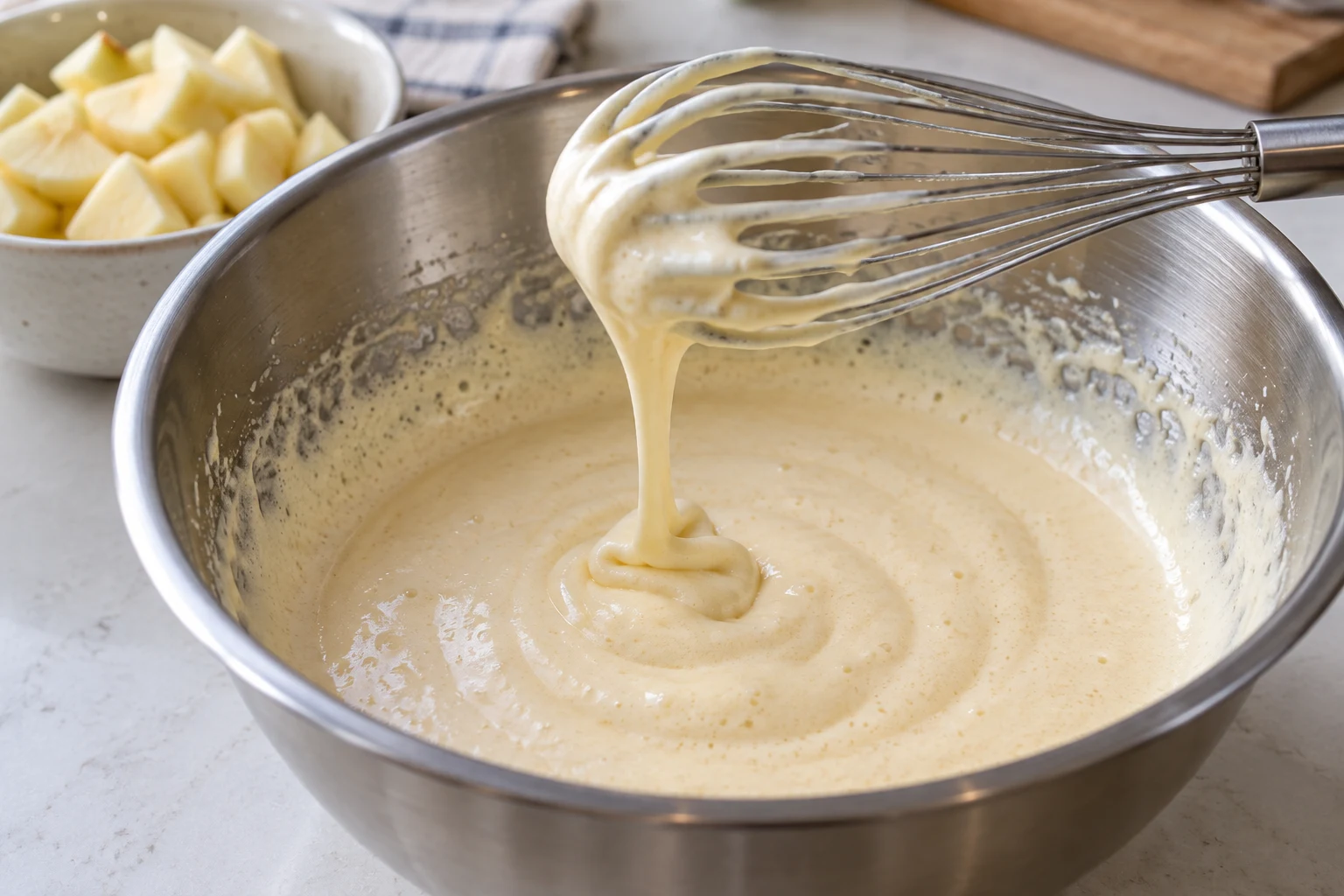
Frey stresses thoroughly whipped eggs and sugar, then gentle incorporation of flour to preserve their volume. Her recipe lists no chemical raising agent. The important work happens in the bowl before the cake enters the oven: a short ingredient list still asks for attention to texture.
Marina describes a pale, fluffy mixture that falls from the whisk in a ribbon and leaves a trail briefly on the surface. Her notes also show that whipping time changes with equipment. Read the visual cue as well as the clock. A thicker-looking mixture alone is not the same observation as the specified ribbon and volume.
Three things to check in the chosen method
These are reading cues, not a replacement baking schedule.
- 01
Whipping endpoint
Notice whether the author asks for increased volume, a pale colour, or a visible ribbon. Use that recipe's equipment guidance.
- 02
Flour incorporation
Find the instruction for folding or gentle mixing. Vikalinka warns against deflating the whipped mixture during this stage.
- 03
Fruit arrangement
Check whether apples are placed first, layered, or mixed into the batter. Changing the arrangement can change what you see in a cut slice.
Sour cream belongs to a documented variation
Maria Ushakova's Curious Cuisiniere recipe includes sour cream and baking powder, alongside whipped eggs. It flavours diced apples with lemon and cinnamon and offers thin apple wedges on top. That is an explicitly different formula from the minimal sponge versions; it still carries the sharlotka name.
This variation makes absolute rules unhelpful. You need not declare every sharlotka dairy-free or every sharlotka free of raising agents. Read the actual ingredients, including what greases the pan and what accompanies the cake. If you want the sour-cream version, use its full method rather than adding a spoonful to another author's batter and assuming the result will match.
Finishing is part of the recipe choice
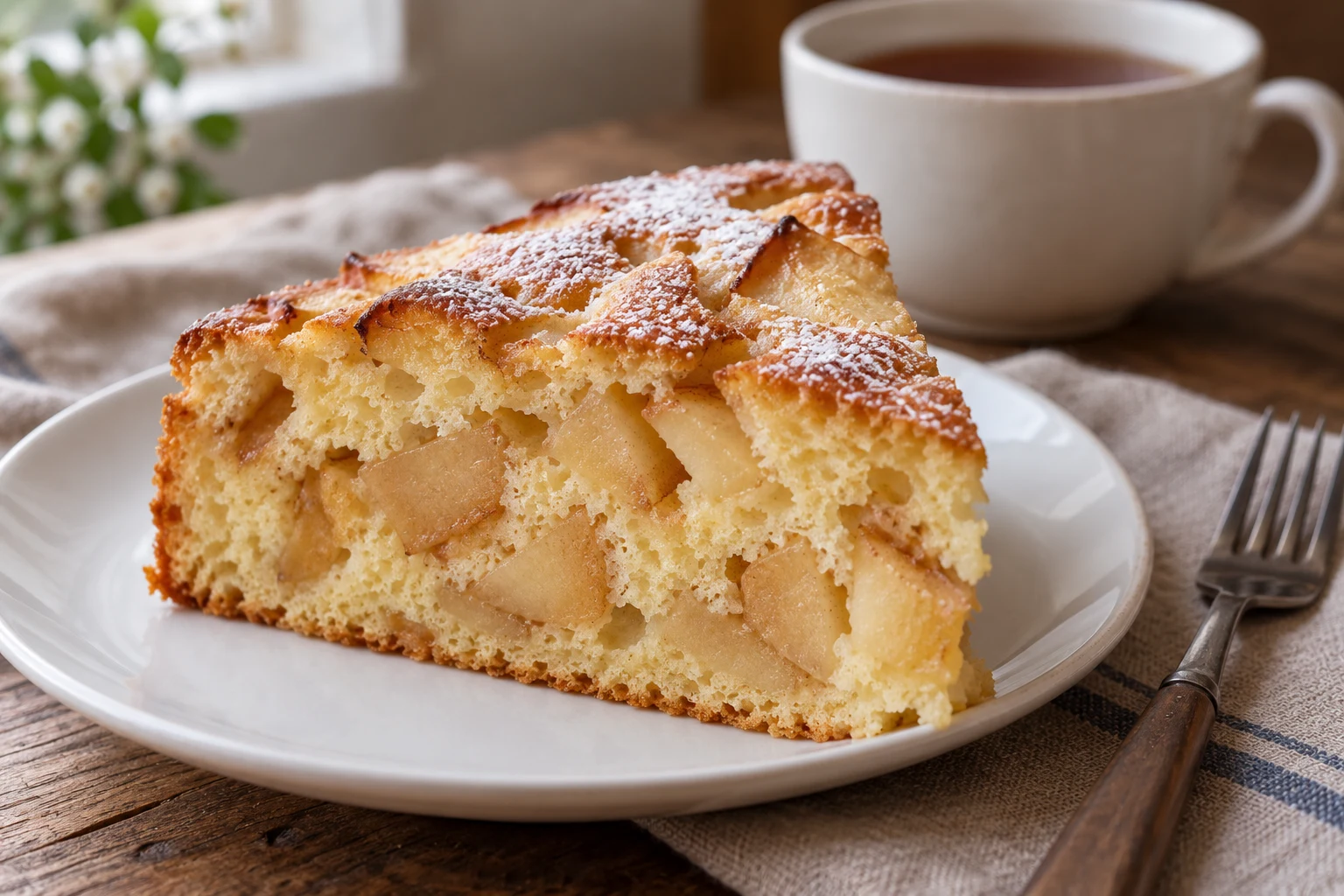
Perelman finishes her apple-heavy version with cinnamon and powdered sugar and allows warm or cooled serving. Frey emphasises cooling before removing a delicate sponge from the pan and describes a plain, lightly dusted cake with tea. Keep each release instruction with its own cake: similar pans do not make the formulas identical.
Ushakova's apple wedges create a visibly decorated top, while cinnamon inside her fruit mixture changes the interior's appearance. A plainer top is equally compatible with the other opened methods. For a first slice, taste the apple and sponge together before adding a rich topping; then decide whether you want the fruit, the airy crumb or the contrast between them to lead.
Research notes
Four home-baking approaches
Four independently published recipes support the comparison. Their ingredient quantities, pan preparation and baking instructions belong to their own complete methods.
- Julia Frey: Vikalinka sharlotka Apple-first sponge, whipped-egg volume and careful cooling.
- Marina: Let the Baking Begin sharlotka Ribbon cue, alternating layers and a separately quantified fruit-heavy option.
- Deb Perelman: Smitten Kitchen apple sharlotka An apple-heavy family recipe with batter worked into the chopped fruit.
- Maria Ushakova: Curious Cuisiniere sharlotka Sour cream, baking powder, cinnamon fruit and a decorative apple top.
Keep exploring
More stories for your table
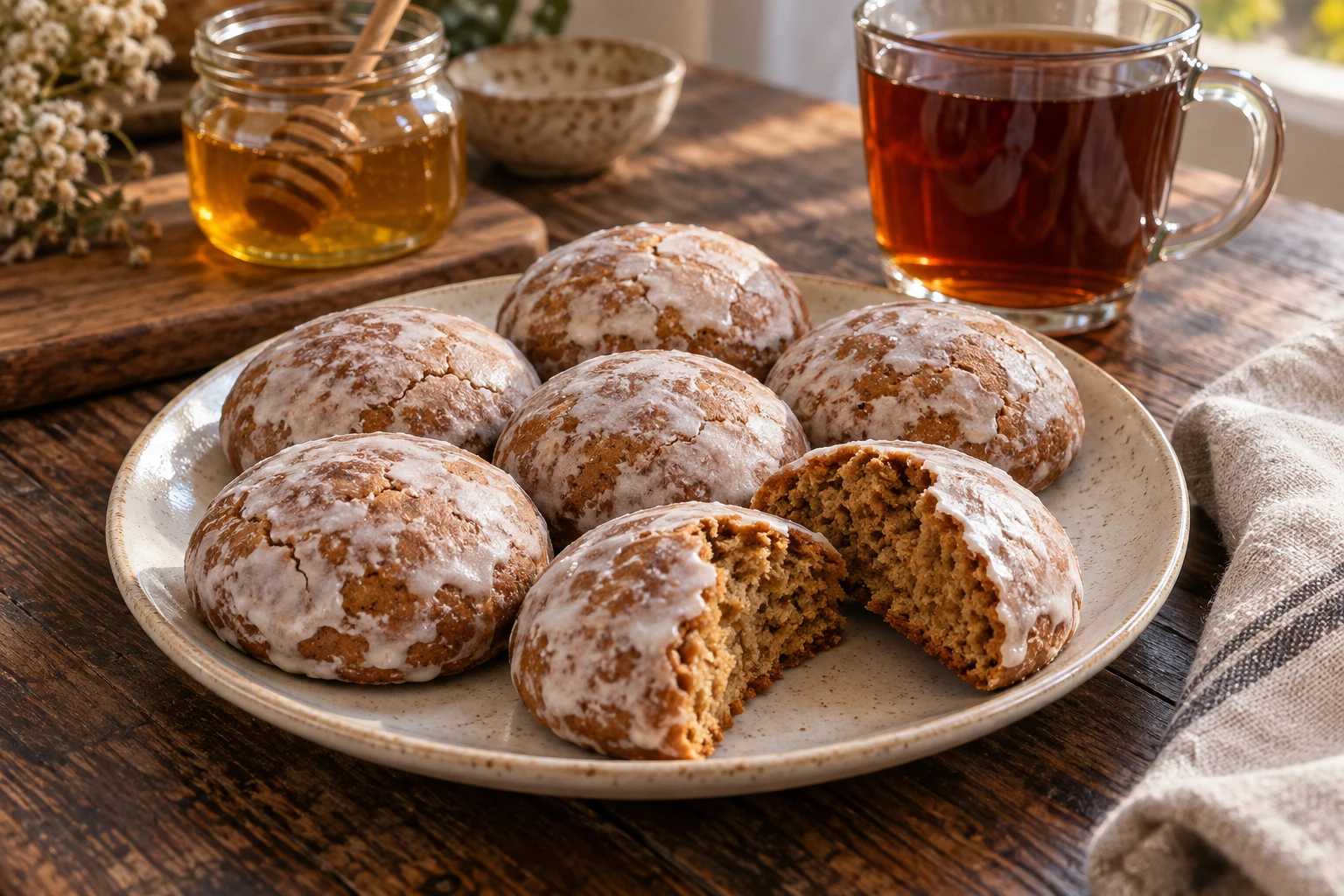
Russian cuisine Cookie
Pryaniki: Shape Before the Glaze
Domed honey spice cookies, jam-filled rounds and Tula's printed pryanik belong to a varied family. Their shapes ask for different doughs and finishes.
Russian cuisine Savory pie
Fish Pirog: Decide What Goes Under the Lid
A closed yeast-dough fish pirog can begin with fillet, poached fish or a tin. Compare its filling, rice and steam vent before choosing a recipe.
Polish cuisine Baked cheesecakes
Sernik: read the cheese before choosing the cake
Polish sernik begins with twaróg. Compare crustless and pastry-based cakes, folded egg whites and cooling choices before picking a recipe.