
Tuna Causa: Build Layers That Hold Together
Causa rellena de atún
Peruvian tuna causa layers ají amarillo-seasoned potato, a creamy tuna filling and sometimes avocado. Smooth potato and drained fish make a cleaner slice.
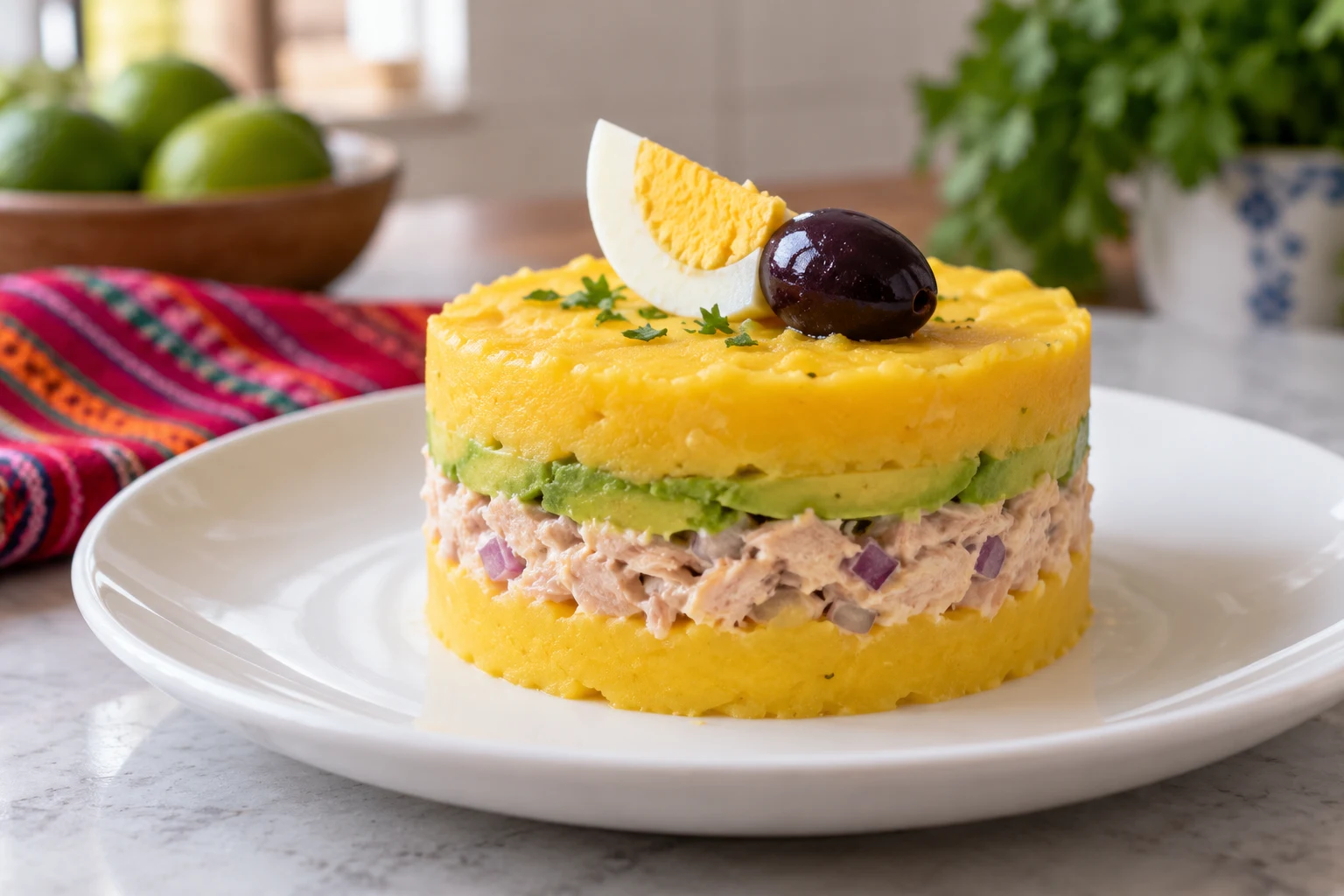
Cold potato with a bright seasoning
Causa rellena de atún is a Peruvian layered dish: cooked potato seasoned with ají amarillo and citrus surrounds a tuna filling. It is served cold, with the potato forming an edible frame. Avocado, hard-boiled egg, onion and olives appear in different versions, either inside or as a finishing touch.
The potato needs enough body to hold its shape and enough softness to feel pleasant beside the fish. A watery filling can slide between the layers; overworked potato can become sticky. Both problems are easier to address before the mold is full.
Make each layer useful
- 01
Press the potato without blending it
Cook the potatoes until tender, then peel and press or mash them while warm enough to work. Peruvian papa amarilla is a favored choice; Sibarita specifies its floury texture. Karlos Arguiñano advises hand mashing rather than a blender, which can make the potato gluey. The aim is a smooth, cohesive mash with no hard lumps.
- 02
Season without flooding the mash
Ají amarillo gives the potato its distinctive pepper flavor. Add the citrus and other seasoning according to your chosen recipe, mixing until evenly distributed. Pause between additions rather than pour extra liquid into a mash that already spreads easily. Once cooled, a spoonful should hold a soft mound that you can flatten into a layer.
- 03
Drain before binding the tuna
Use cooked canned tuna, drain it, and break it into flakes before adding mayonnaise and the recipe's other ingredients. A little binding makes the fish spreadable; loose canning liquid makes it wet. Commercial mayonnaise is a straightforward choice. Cut any onion finely so a large piece does not pull apart a neat slice.
- 04
Spread, then close
Flatten the potato base evenly, spread the tuna without piling it in the center, and arrange avocado if using it. Finish with another even potato layer. The published versions use different sequences: Teresa Ocampo separates avocado and egg from the tuna with an additional potato layer, while Arguiñano builds one filling layer in a ring.
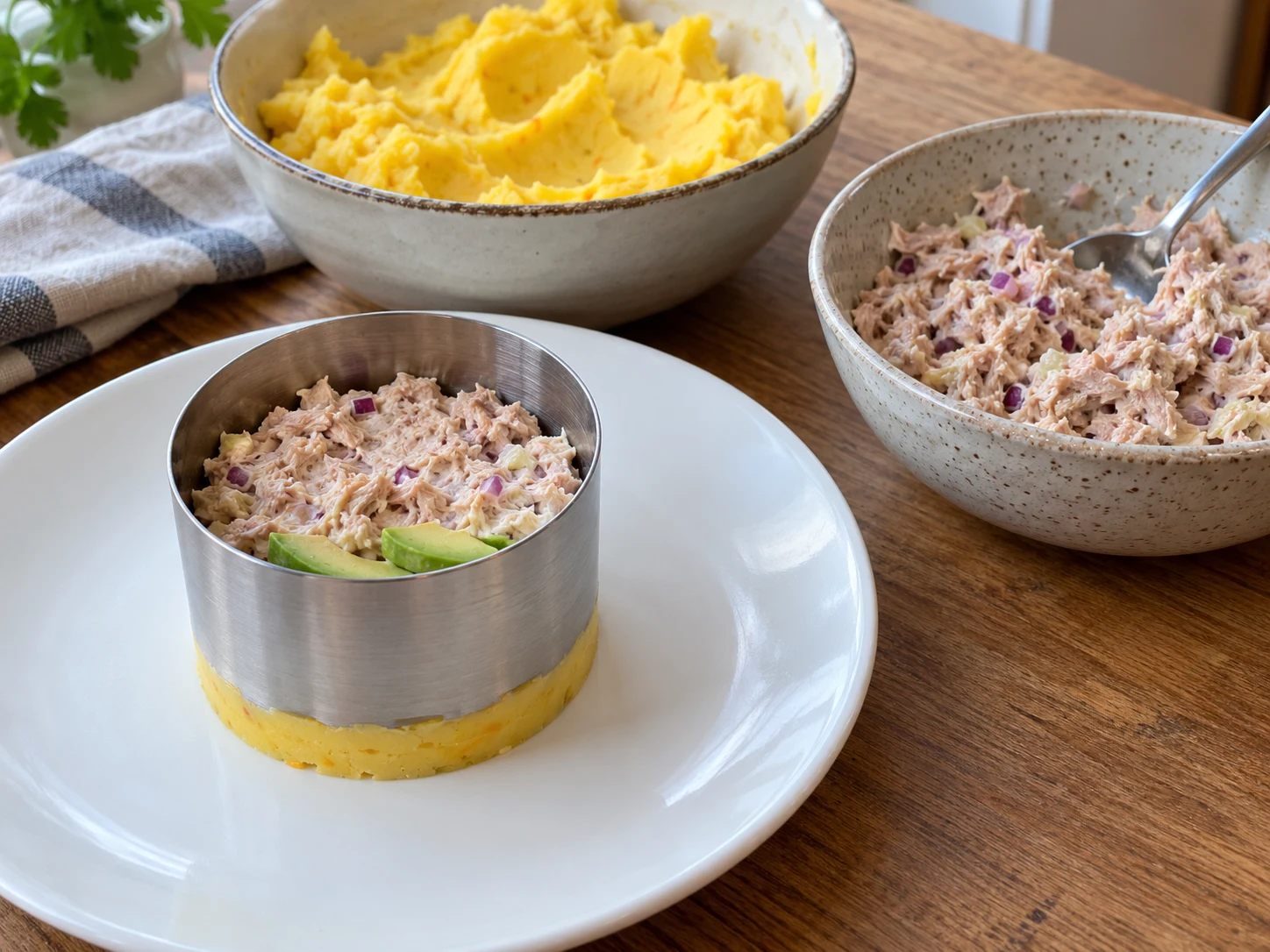
Two ways to serve it
- Individual ring
- A portion on its own plate
- Rectangular dish
- A shared causa to cut
The ring supports straight sides during assembly. Keep the potato and filling level so the portion lifts out evenly.
Ernestina Reyes Ballumbrosio's version alternates three potato layers with two tuna layers, then chills the dish before serving.
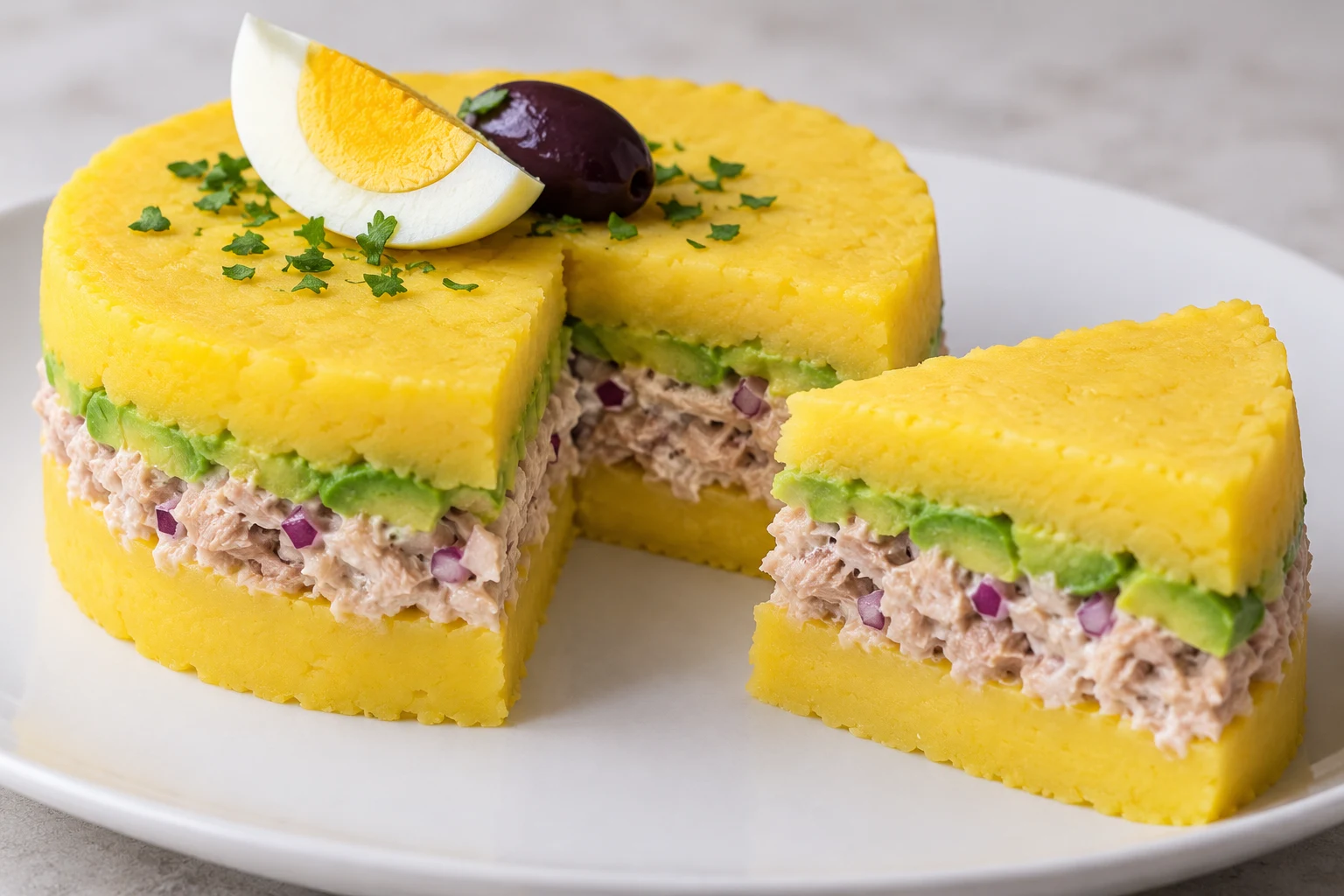
Let the layers do the work
A causa does not need an elaborate garnish to be recognizable. A little cooked egg, an olive or avocado on top can echo ingredients already inside. Keep the decoration modest enough that you can still taste the seasoned potato with the tuna in the same bite.
Chill the assembled causa and cut it with a clean knife, wiping between portions when necessary. Its layers should remain visible without becoming hard or compressed. If a mold is awkward or the mash is softer than expected, serving from a shallow dish offers a useful alternative to forcing a tall presentation.
Research notes
Recipes and chilled handling
These independent cooking sources show several assembly styles; the official guidance supplies the refrigeration limits.
- Teresa Ocampo: tuna causa, El Comercio The Peruvian cook's credited recipe with separate avocado-and-egg and tuna layers.
- Karlos Arguiñano: causa limeña, Hogarmania Original tuna version with hand-mashed potato and individual ring assembly.
- Sibarita: causa rellena Peruvian recipe emphasizing floury yellow potato, drained tuna and ring or dish presentation.
- Ernestina Reyes Ballumbrosio: Recetas de antaño con sazón afroperuana Original cookbook hosted by Peru's Ministry of Culture; tuna causa appears on printed page 6 with a rectangular layered presentation.
- FoodSafety.gov: chilling perishable food Official refrigerator temperature, prompt cooling and limits for food out of refrigeration.
Keep exploring
More stories for your table
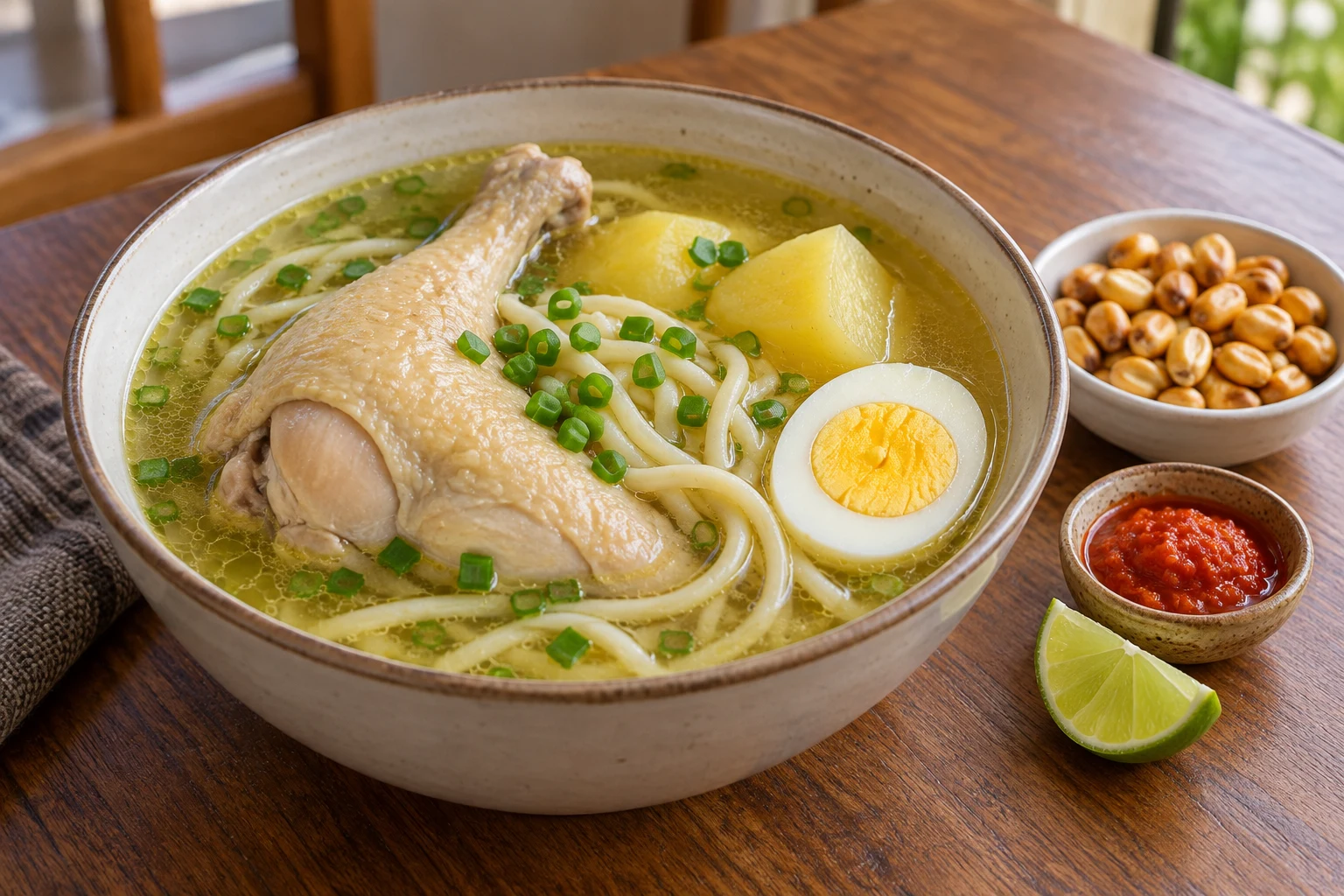
Peruvian cuisine Soup
Caldo de Gallina: Let the Hen Set the Pace
A satisfying Peruvian hen soup depends on timing the meat, yellow potatoes and long noodles separately. The garnish belongs to the final minute.
Chilean cuisine Fish soup
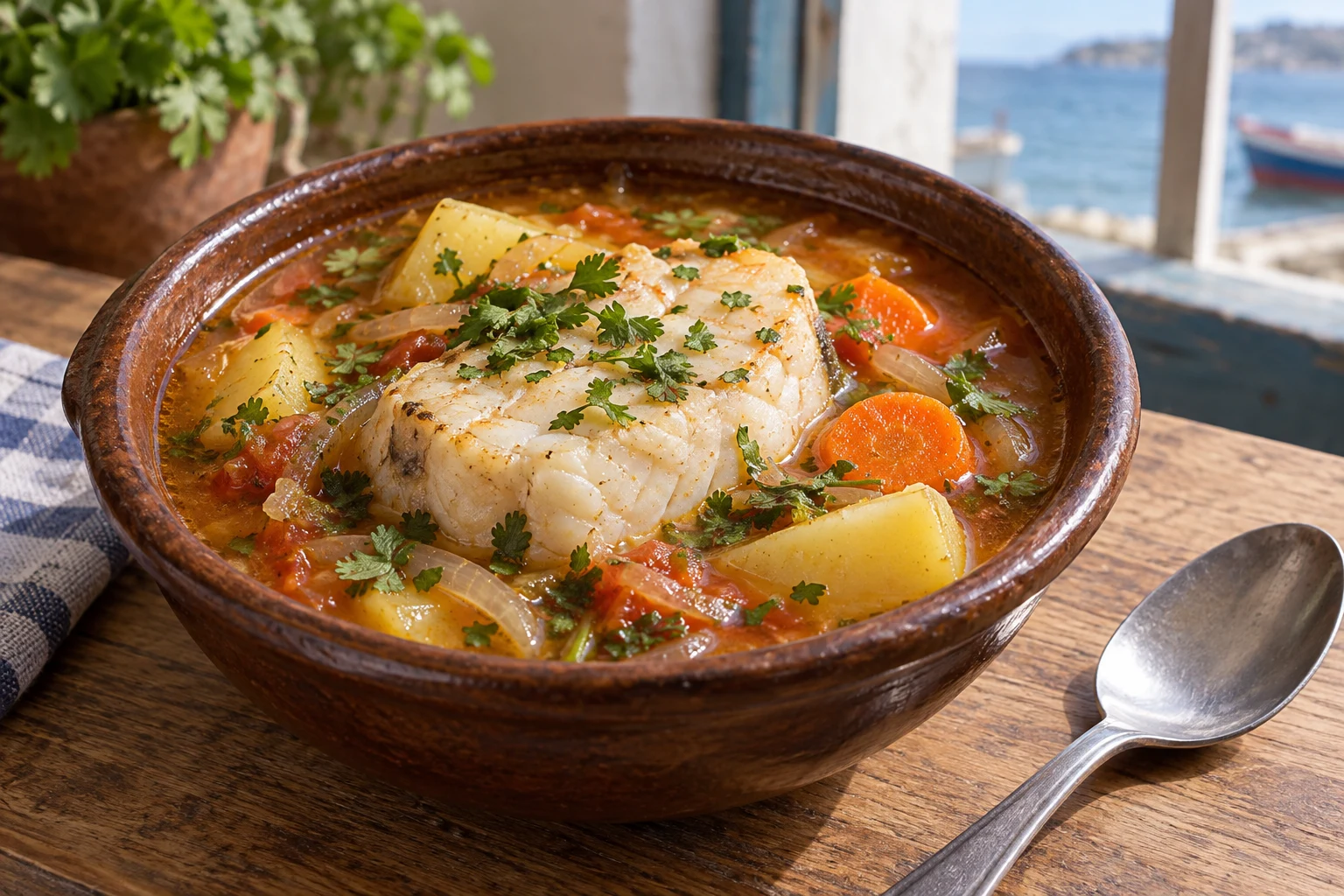
Caldillo de congrio: build the broth, protect the fish
A practical guide to Chilean caldillo de congrio, from fish cuts and stock choices to potatoes, shellfish, dairy finishes and gentle final cooking.
Colombian cuisine Chicken stew
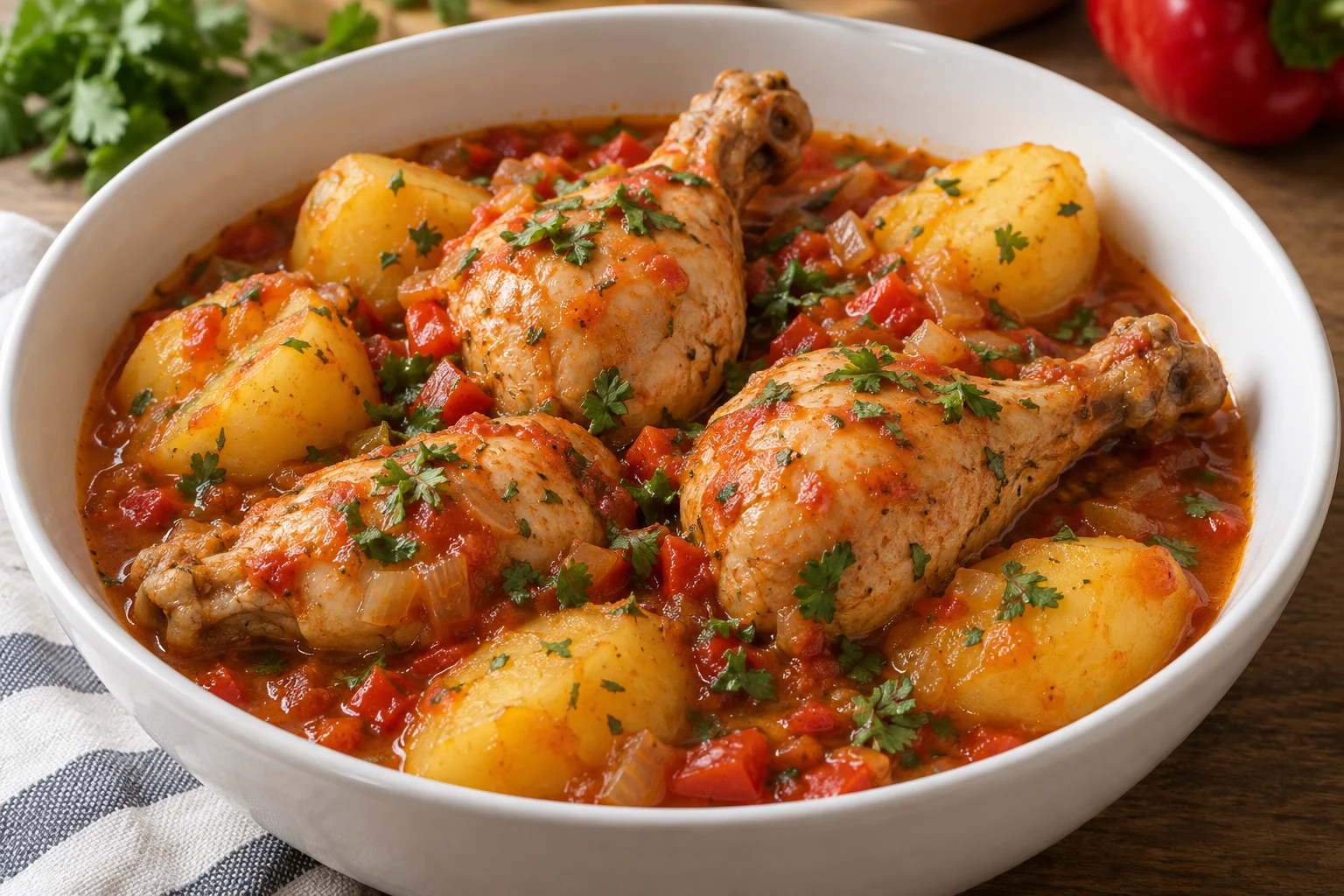
Sudado de Pollo: Read the Potato Schedule
Cook a Colombian-style sudado de pollo with a tomato base and a separate potato stage. Includes a complete stovetop adaptation and documented household variations.