
Caldo de Gallina: Let the Hen Set the Pace
Caldo de gallina
The hen needs time. The noodles need restraint. Bring them together when the broth and meat are ready.
Read the bowl before reading the clock
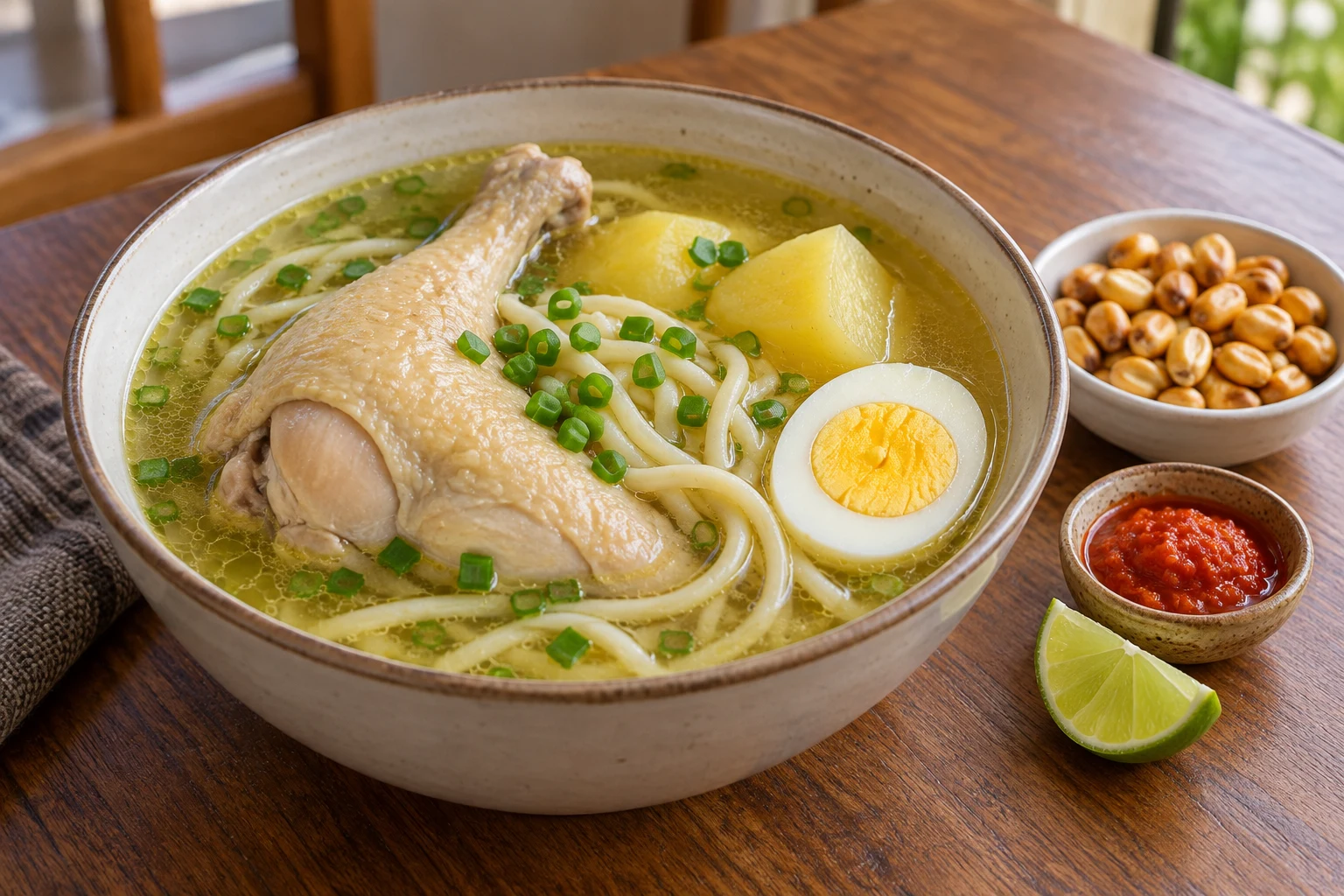
Caldo de gallina arrives as both broth and meal: a portion of hen, long noodles, yellow potato and a hard-boiled egg, finished with cebolla china, or scallion. Canchita, toasted corn, and a little lime or rocoto can sit within reach. The broth is the part you sip, but the meat needs to be pleasant to eat too.
That creates a timing problem. A firm hen may need a longer simmer than a younger chicken. Potato can soften and break while you wait. Noodles can swell until there is little broth left between them. Treat these as different tasks, then let the finished bowl bring them together.
First, give the hen time
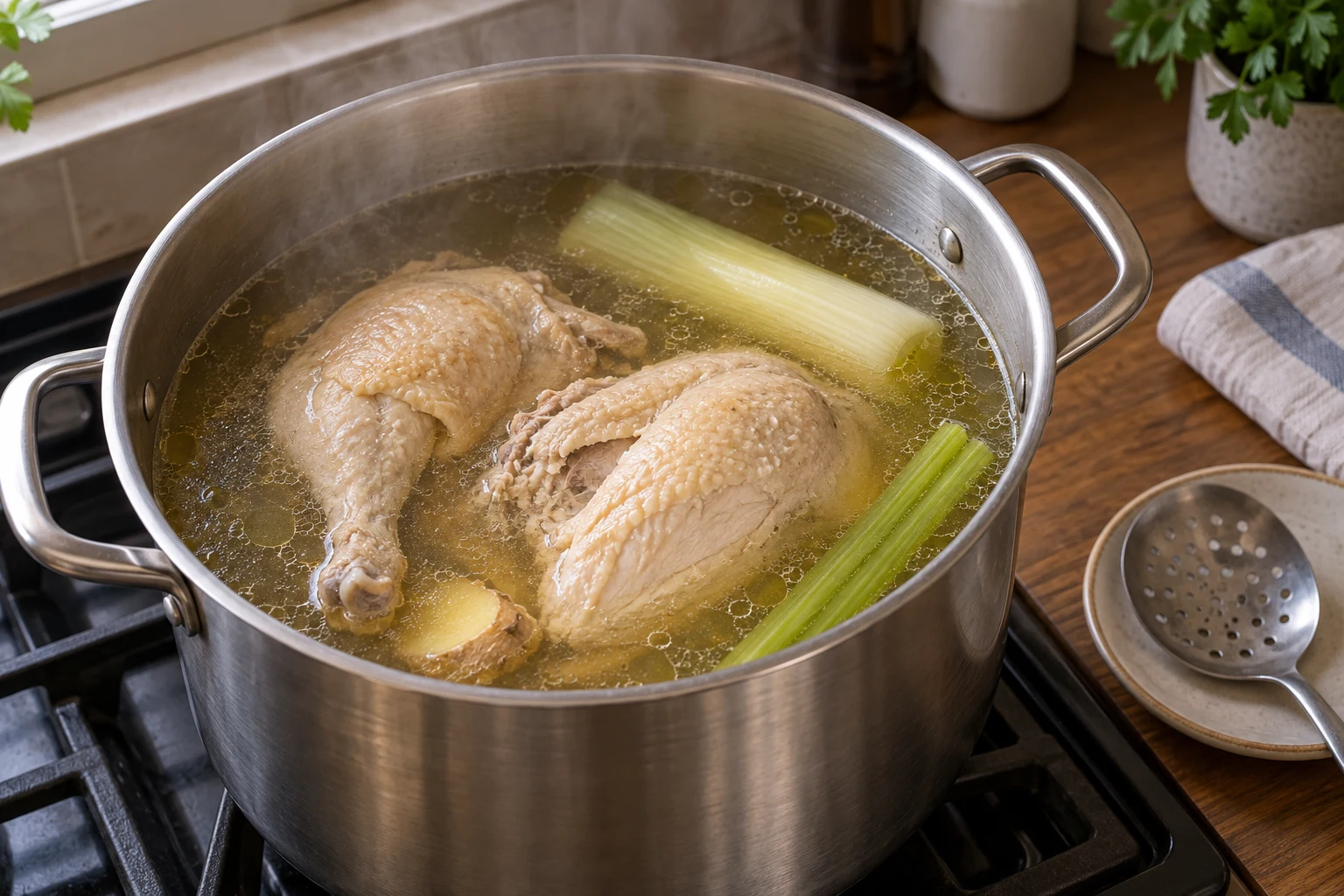
Buenazo’s general guide distinguishes the firmer meat of gallina from pollo and advises a longer cooking process. Its short numbered method and its longer explanatory tips do not offer one consistent stopwatch answer. The useful lesson is to check the bird you actually bought rather than borrowing the quickest number.
Rocío Oyanguren’s recipe in El Comercio starts the hen with water, ginger, oregano and salt, then adds vegetables later. Irene Gamboa’s Buenazo recipe begins with parsley, celery and ginger, waiting until the hen is tender before the potatoes go in. These are different sequences, but each gives the bird a head start.
Check safety with a thermometer in the thickest meat, away from bone: FoodSafety.gov specifies 165°F/74°C for poultry. Tenderness is a separate judgment. If the meat still feels tough when lifted and pierced, continue a gentle simmer and postpone the ingredients that would become mushy while you wait.
The broth can have more than one texture
A broth with distinct droplets of fat and a clear space between the solids is one appealing direction. Skim excess surface fat to suit your taste, without trying to remove every trace. You should still be able to taste the hen beneath the ginger and vegetables.
Oyanguren takes another route: she blends the cooked vegetables with some broth and returns them to the pot. Nestlé Peru’s recipe likewise suggests blending a cooked piece of zapallo to strengthen its color and consistency. These choices make a fuller liquid. They do not mean every caldo de gallina must be thick, nor that a clear version is unfinished.
Choose the texture deliberately. If blending hot liquid, work in small batches with equipment intended for hot foods and follow its venting instructions. Keep the cooked potato pieces you want to serve intact out of that blending step.
Two sensible plans for the noodles
Cook them in the broth
Irene Gamboa adds thick noodles while the potatoes are cooking and serves them al dente. Nestlé Peru also cooks its noodles in the soup. This suits a meal that will be served promptly, once the hen is already ready.
Cook them separately
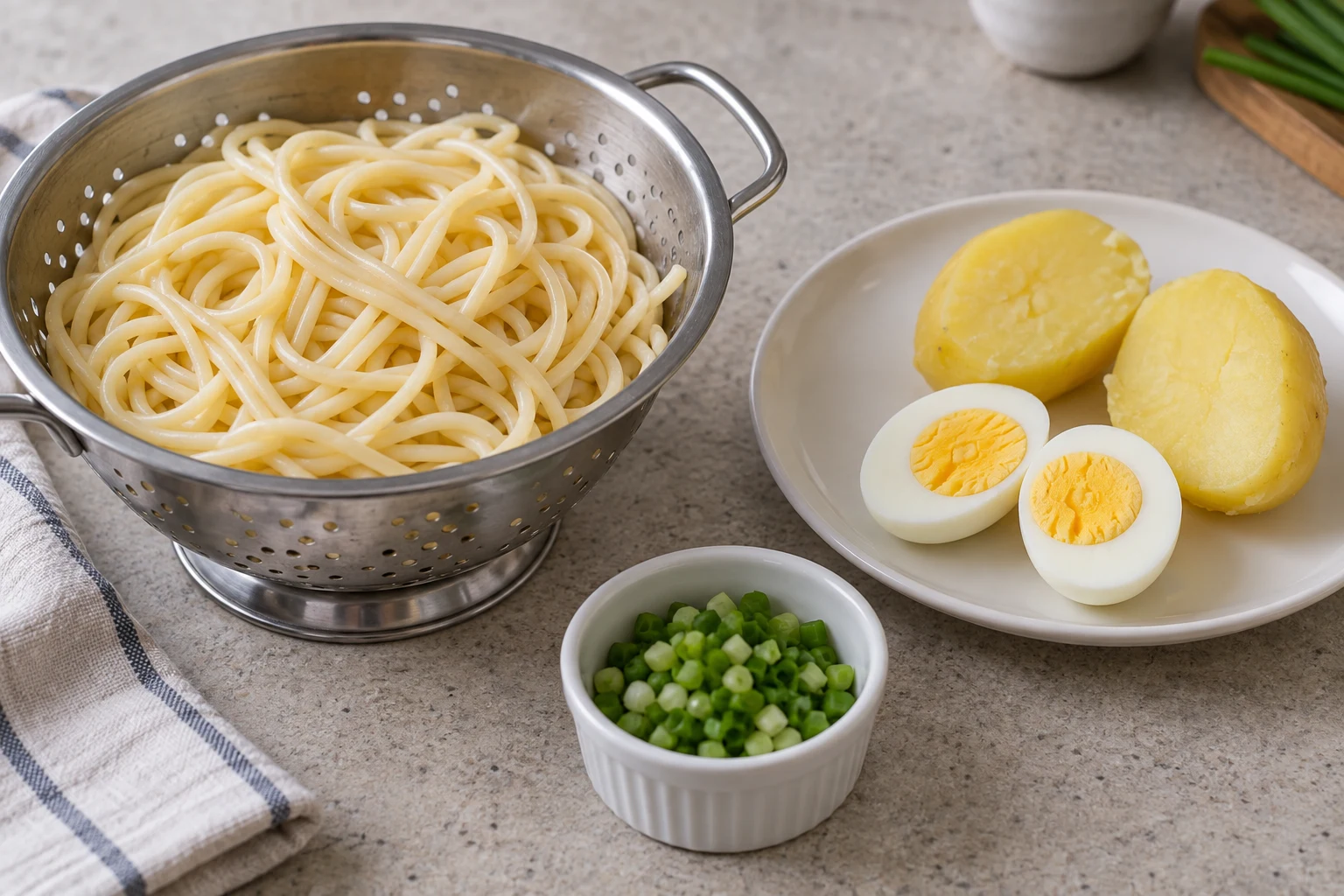
Oyanguren uses cooked spaghetti, adding it only to warm through at the end. Her advice is explicit: keep the noodles apart if you will not serve immediately. This gives a delayed meal more flexibility.
Let the finish stay fresh
Yellow potato needs a watchful eye. Check it with the point of a knife, and take it out when tender if the hen still needs time; Oyanguren recommends reserving it rather than letting it collapse. Prepare the eggs separately until their whites and yolks are firm. The final assembly should warm prepared components, not attempt to finish everything at once.
Put a generous portion of hen into each bowl, add the potato, noodles and egg, then ladle over hot broth. Scatter the scallion at the end. Keep lime, ground rocoto and canchita alongside, so a diner can brighten a spoonful, add heat or take a crunchy bite without committing the whole pot.
For leftovers, divide the soup into shallow containers and refrigerate promptly, within two hours or one hour above 90°F/32°C. Store noodles separately when practical and reheat leftovers to 165°F/74°C. A well-timed first bowl and a carefully handled second one are both part of making the meal work.
Research notes
Sources and further reading
Peruvian recipe writers document different broth and noodle sequences. The government references support cooking temperatures and leftover handling, rather than promises that soup treats illness.
- Buenazo: Caldo de gallina guide Hen versus chicken, broader cooking advice and serving accompaniments; the article avoids its medical claims.
- Irene Gamboa, Buenazo: Caldo de gallina Hen first, then potatoes and thick noodles, with hard-boiled eggs and fresh accompaniments.
- Rocío Oyanguren, El Comercio: Caldo de gallina Reserving cooked potatoes, blending vegetables and keeping separately cooked spaghetti out until serving.
- Nestlé Peru: Caldo de gallina A vegetable-rich version with noodles cooked in the pot and an optional blended squash finish.
- FoodSafety.gov: Safe cooking temperatures Poultry and leftovers require 165°F/74°C; hard-boiled eggs should have firm whites and yolks.
- FoodSafety.gov: Four steps to food safety Prompt refrigeration and shallow containers for cooling perishable food.
Keep exploring
More stories for your table
Afghan cuisine Soup
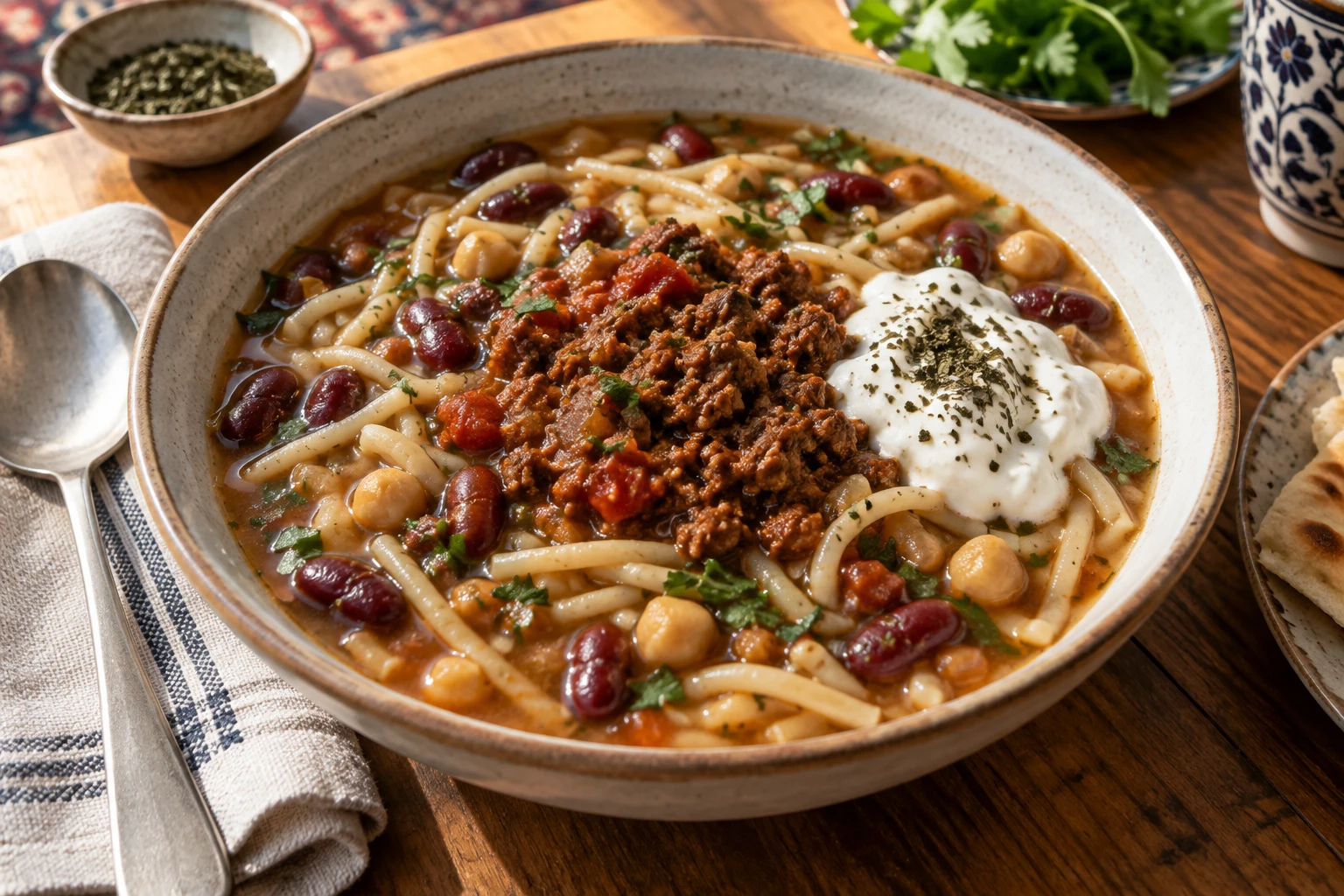
Aush: Keep the Layers in View
Afghan aush brings noodles, legumes, savory meat and tangy dairy together. Different family methods make the final assembly as important as the pot.
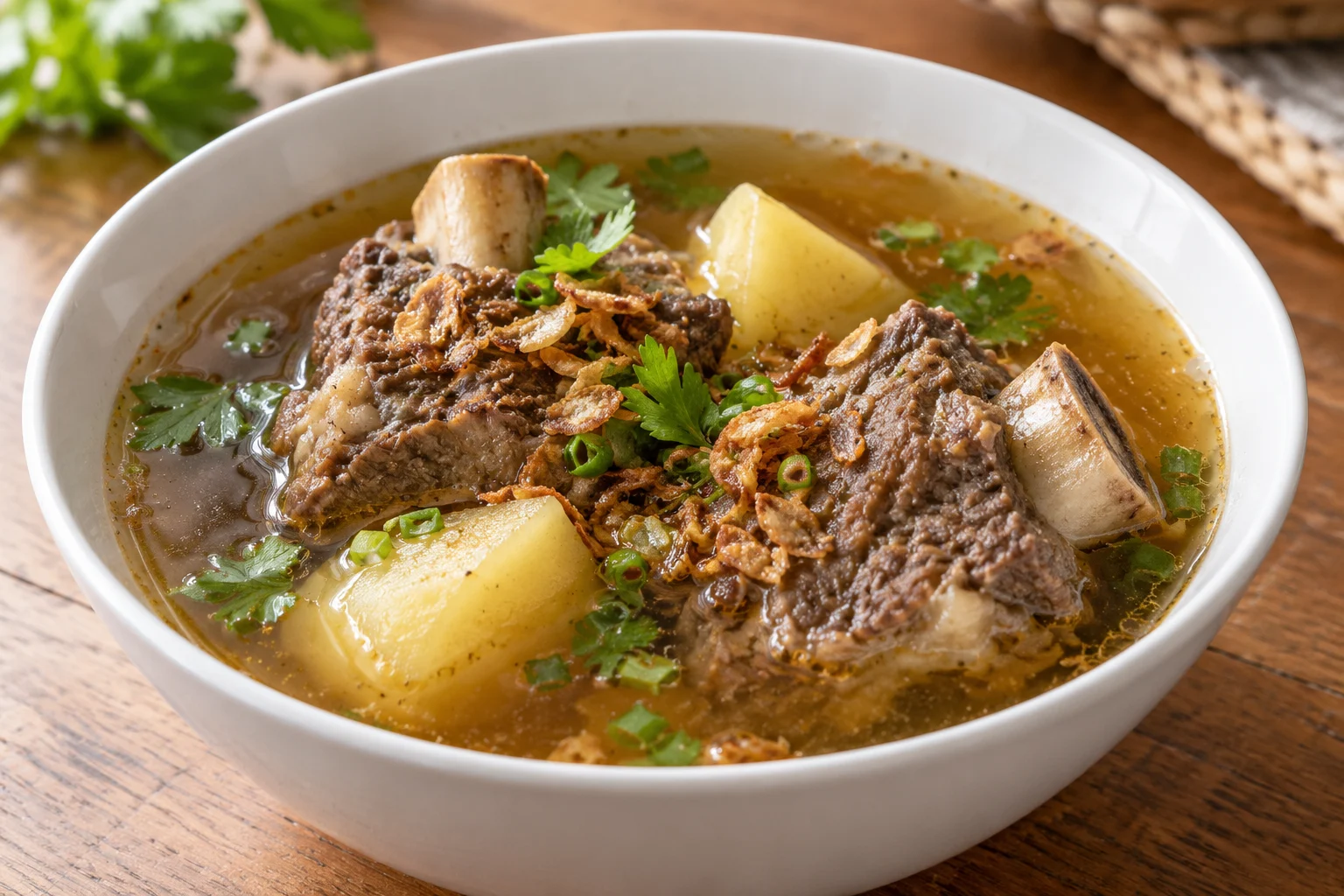
Malaysian cuisine Beef-bone soup
Sup Tulang: The Broth and the Last Spoonful
Compare Malaysian sup tulang preparations through aromatic bases, tender bone-in beef and the final seasonings that make each bowl distinctive.
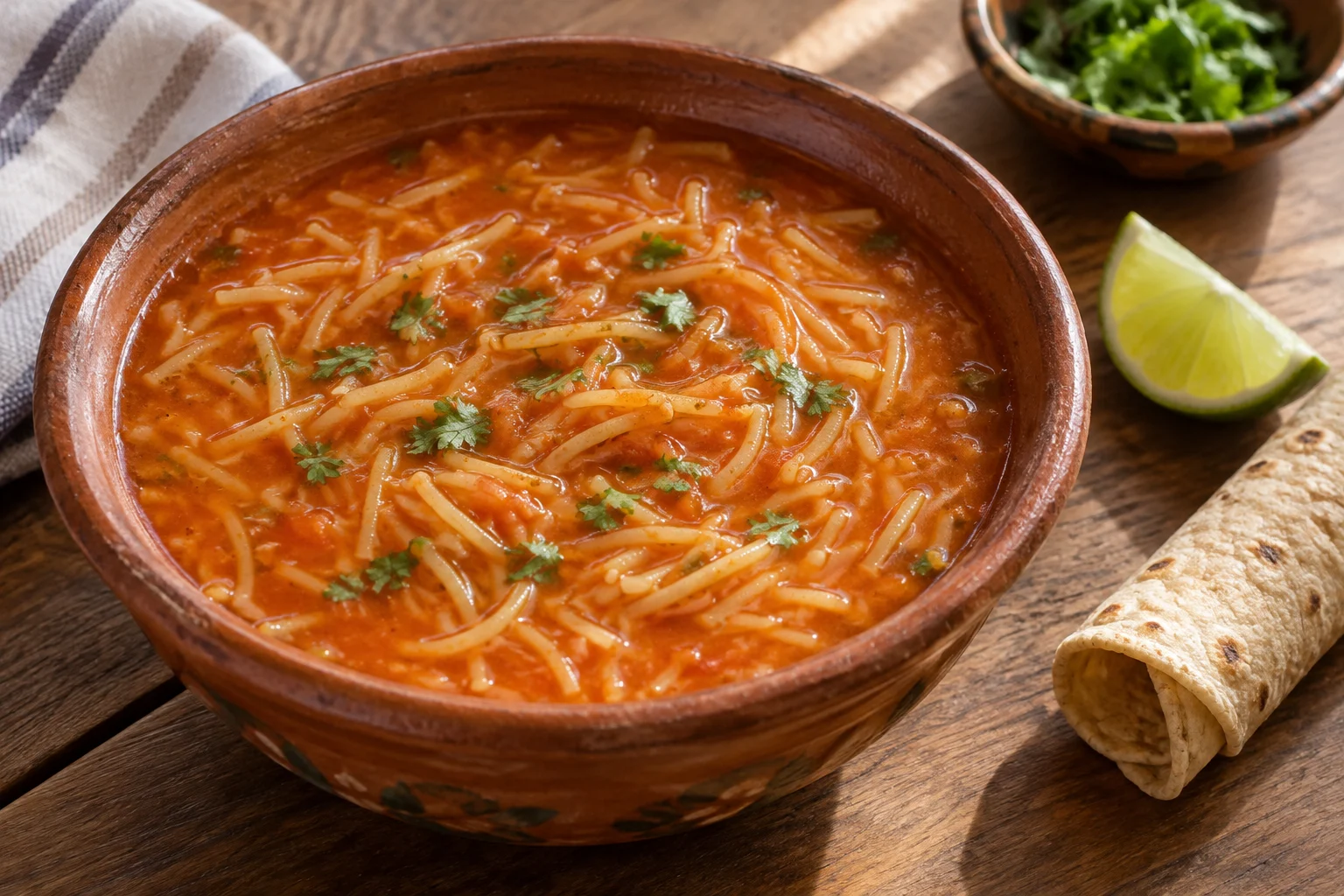
Mexican cuisine Noodle soup
Sopa de Fideo: Have the Tomato Ready Before the Noodles Toast
A brothy Mexican sopa de fideo starts with short wheat noodles lightly toasted in oil. Prepare the tomato base first, then make this four-serving soup.