
Shirazi Faloodeh: Rose-Scented Ice with a Noodle Bite
فالوده شیرازی
Shirazi faloodeh combines fine noodles, rosewater syrup and loose ice crystals. A texture guide to traditional starch strands, rice-noodle home versions and citrus finishing.
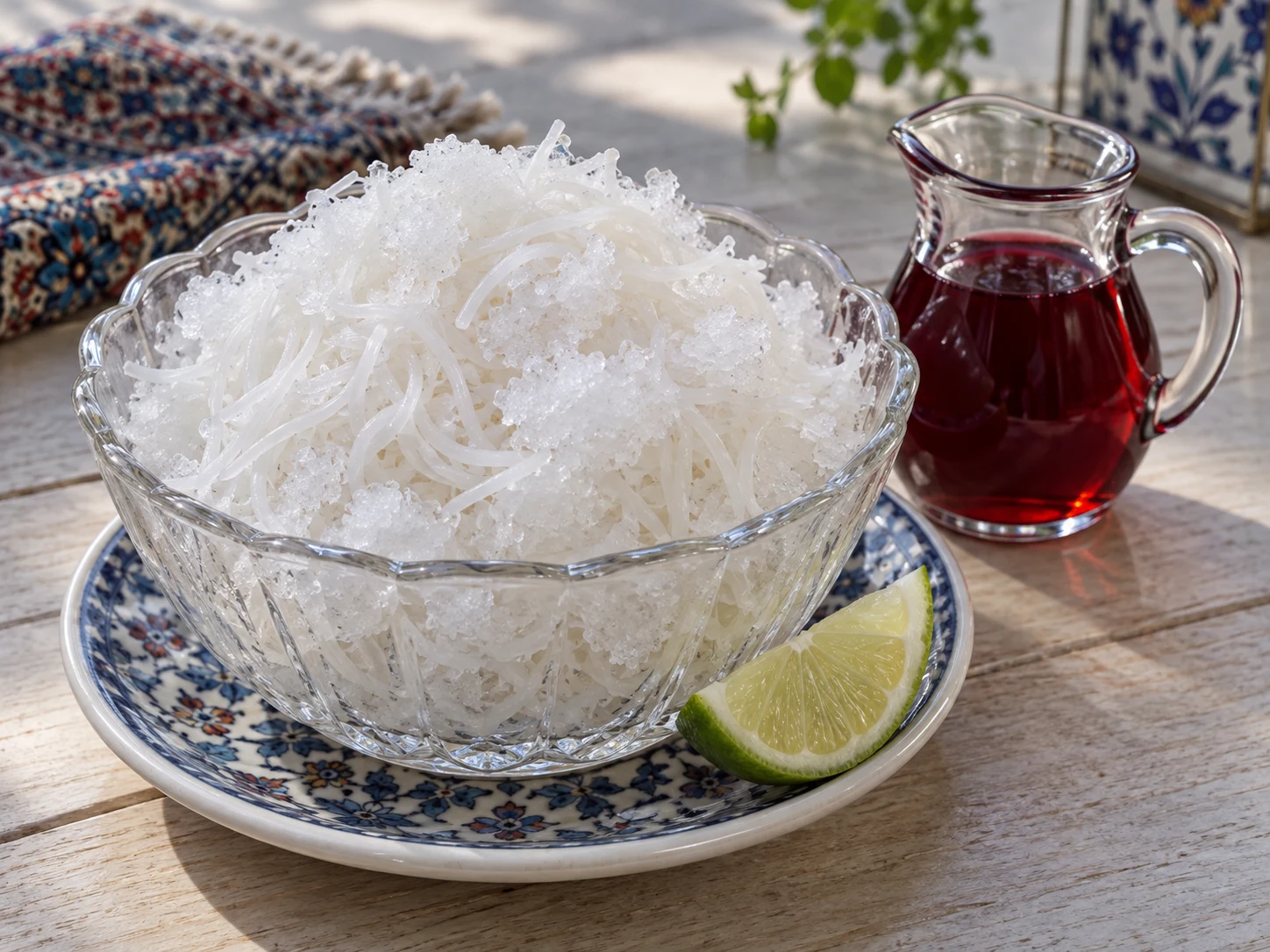
Two textures in one spoonful
Ice that keeps its strands
Shirazi faloodeh is a frozen Iranian dessert associated with Shiraz: fine noodles suspended among icy rosewater syrup. The strands give a little resistance, while the crystals break apart on the tongue. Its pleasure depends on keeping both textures recognizable.
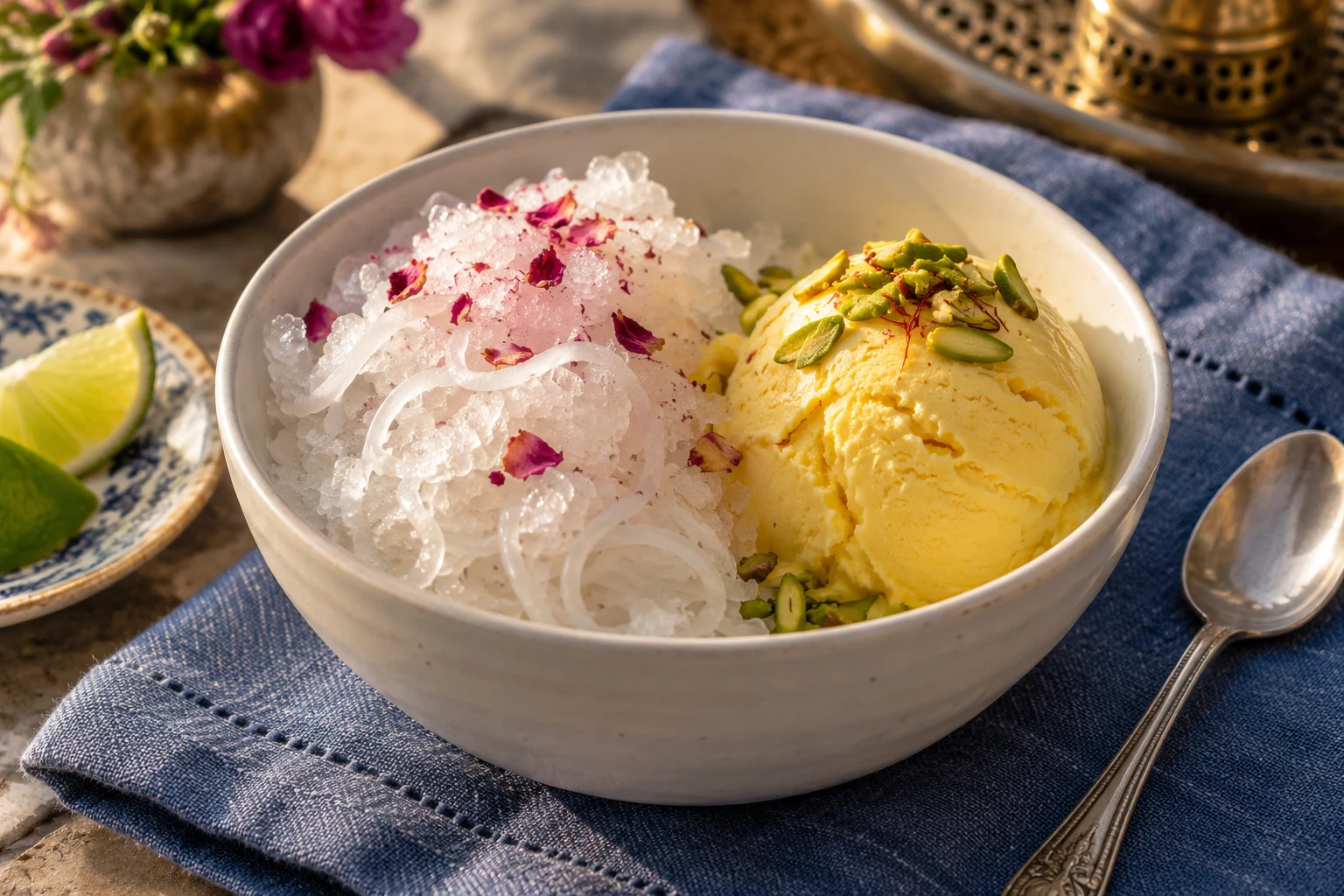
Rosewater supplies fragrance, sugar makes the syrup sweet, and fresh citrus at serving cuts through that sweetness. Sour cherry syrup is another documented accompaniment. The base can be served on its own, or beside saffron ice cream, which adds a separate creamy element to the icy noodles.
Choose the noodle method first
Formed starch strands
The Persian method described by Namnak cooks a starch mixture and presses it into fine strands over ice water. Making those strands is a separate task from freezing the flavored syrup.
Rice-vermicelli home versions
Emily Han, Shabnam Asmai and Parisa Z document versions using ready-made thin rice noodles. These are useful home methods, with a texture that depends on the noodles you buy.
Short, tender strands mix more evenly
For a rice-noodle version, follow the package’s cooking instructions rather than borrowing a universal time from a different brand. Thin noodles can soften quickly; thicker rice sticks may need longer. Drain and cool them, then shorten them enough to distribute through the syrup without winding into one large tangle.
The same ingredient name can cover very different products. A thick noodle intended for a stir-fry will not behave like fine vermicelli. Choose a complete recipe suited to the product you have. If you make strands from starch instead, use that method’s starch type and equipment rather than treating cooked rice noodles as an exact replacement.
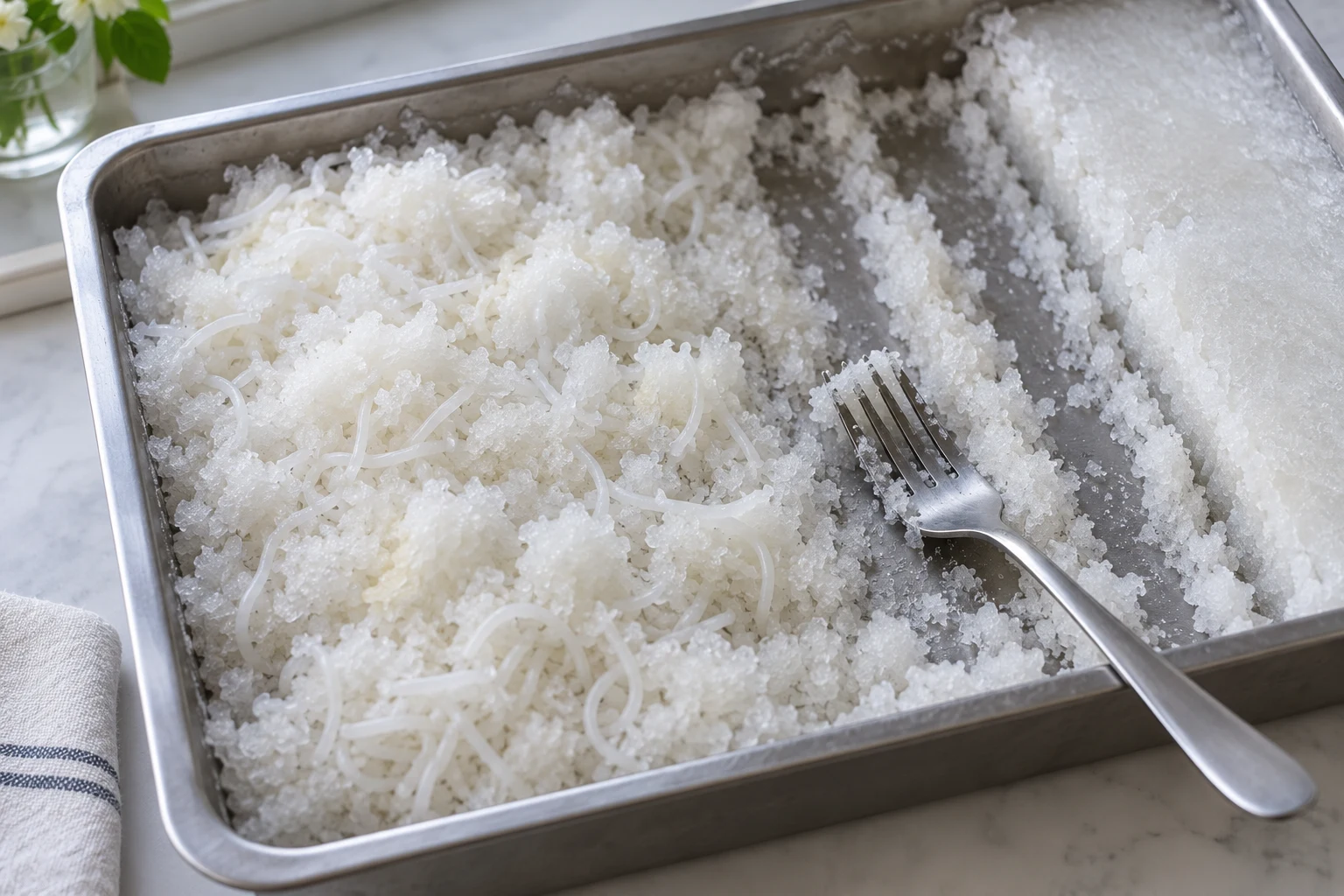
Manage the freeze as a process
The published home methods differ in whether noodles join the syrup before or after its first freeze. Follow one method throughout, then watch the texture.
- 01
Cool the syrup before freezing
Dissolve the sugar fully and let the prepared syrup cool. Use a shallow freezer-safe container so you can reach the edges and mix them back toward the center.
- 02
Break up frozen edges
As ice develops, scrape or rake it with a fork and redistribute the mixture. Look for separate crystals and evenly spread strands, rather than a smooth solid slab.
- 03
Allow for a variable finish
Freezer temperature, syrup concentration and container depth affect the time. Plan for several hours and check the mixture; a short fixed countdown does not guarantee a spoonable result.
Keep the fragrance in balance
Use rosewater sold for cooking and follow the amount in your chosen recipe. Products differ in strength, and floral flavor can overwhelm a small bowl. Lime or lemon is best considered part of the finish: taste a spoonful with it before deciding you need more sweetness.
Serve soon after scooping, while the crystals remain distinct. Offer sour cherry syrup separately so each person can choose how much to add. If you add saffron ice cream or pistachios, account for milk and nuts. Starch type and noodle ingredients also matter for gluten; the dessert’s name alone does not identify every allergen.
Research notes
Four documented methods
The Persian source describes formed starch noodles. The other three sources are independently written home versions using prepared rice noodles, with different freezing sequences and serving choices.
- Namnak: homemade Shirazi faloodeh Persian-language starch-strand preparation, iced syrup method and optional ice cream serving.
- Emily Han: Persian rosewater ice An explicitly hybrid home recipe with thin rice noodles, periodic raking and citrus.
- Shabnam Asmai: Faloodeh Shirazi A documented rice-stick version that freezes the syrup before combining the cooled noodles.
- Parisa’s Kitchen: frozen noodle dessert Original first-person rice-vermicelli preparation, package-direction advice and serving variations.
Keep exploring
More stories for your table
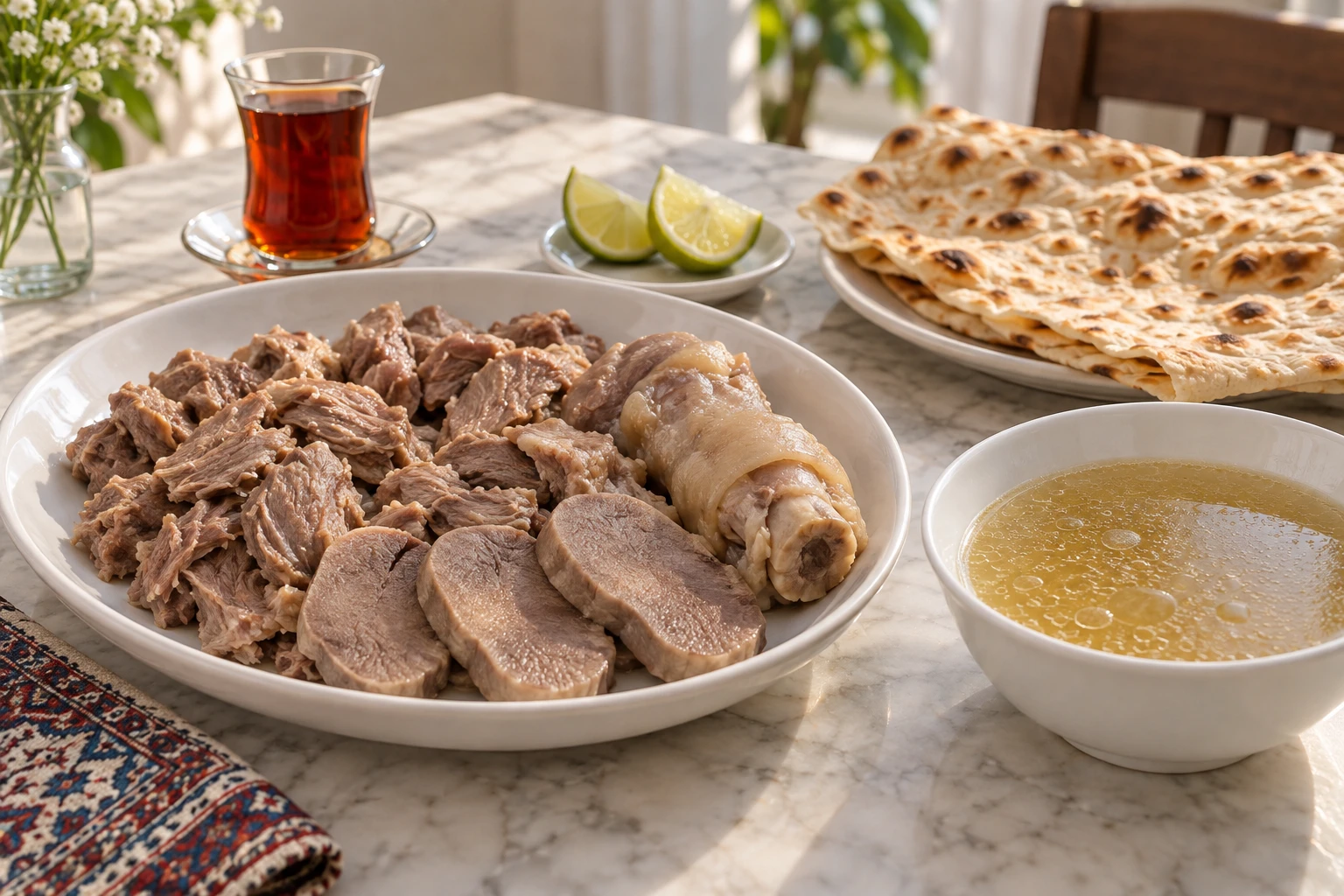
Persian cuisine Breakfast soups
Kaleh Pacheh: Broth, Bread and a Choice of Cuts
Iran’s sheep-head-and-trotter breakfast is a spread of textures: a warm broth, separately served cuts, flatbread and citrus chosen at the table.
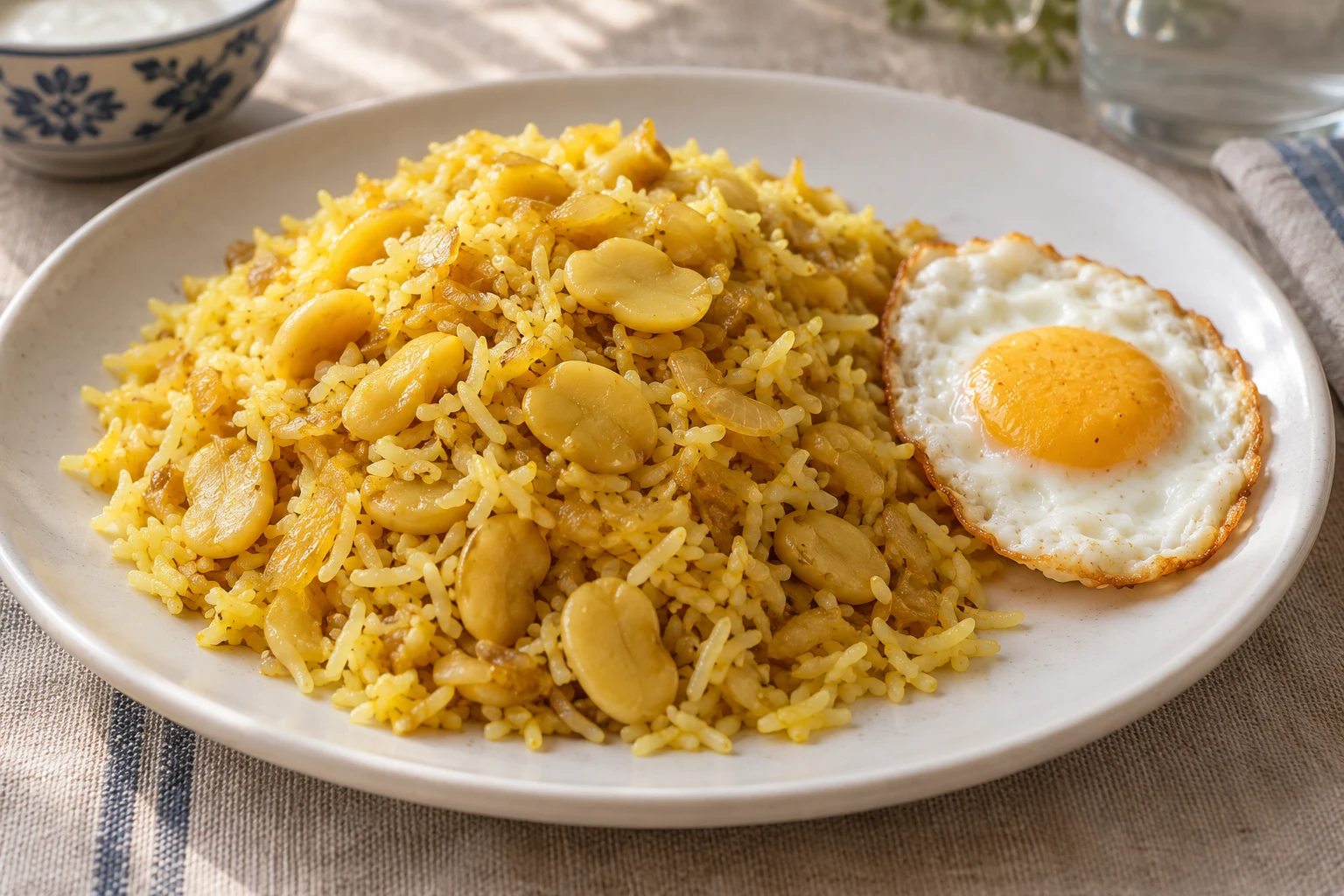
Persian cuisine Turmeric rice
Dam Pokhtak: Match the Beans to the Rice
Iranian turmeric rice depends on getting the beans tender before the rice dries out. Understand split fava beans, the covered finish, and simple accompaniments.
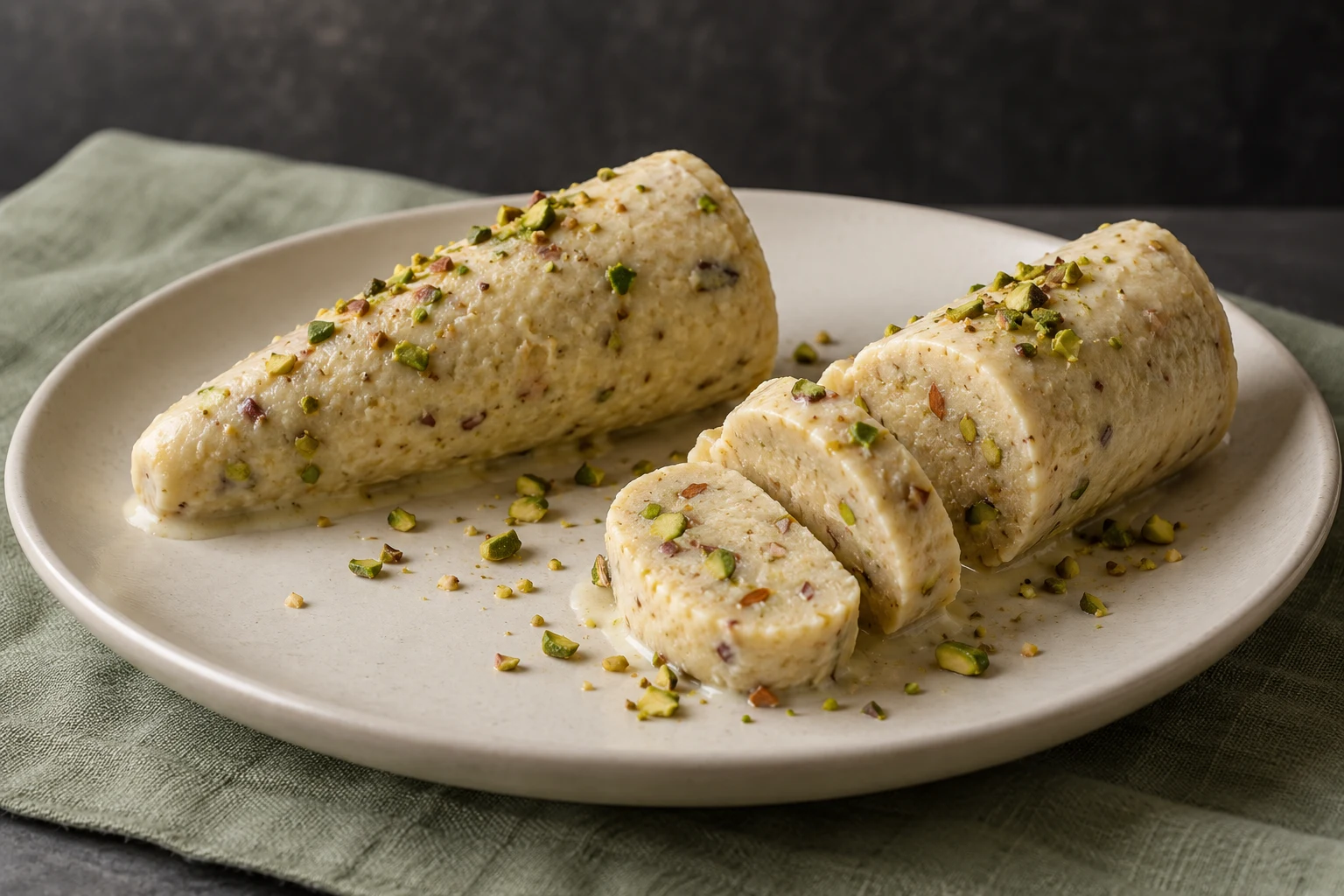
Pakistani cuisine Frozen milk dessert
Kulfi: choose the milk base, then the finish
Read reduced milk, khoya and condensed-milk kulfi methods, then discover how falooda noodles and syrup change the Pakistani serving.