
Taas: the tawa, the garlic and the whole snack plate
तास
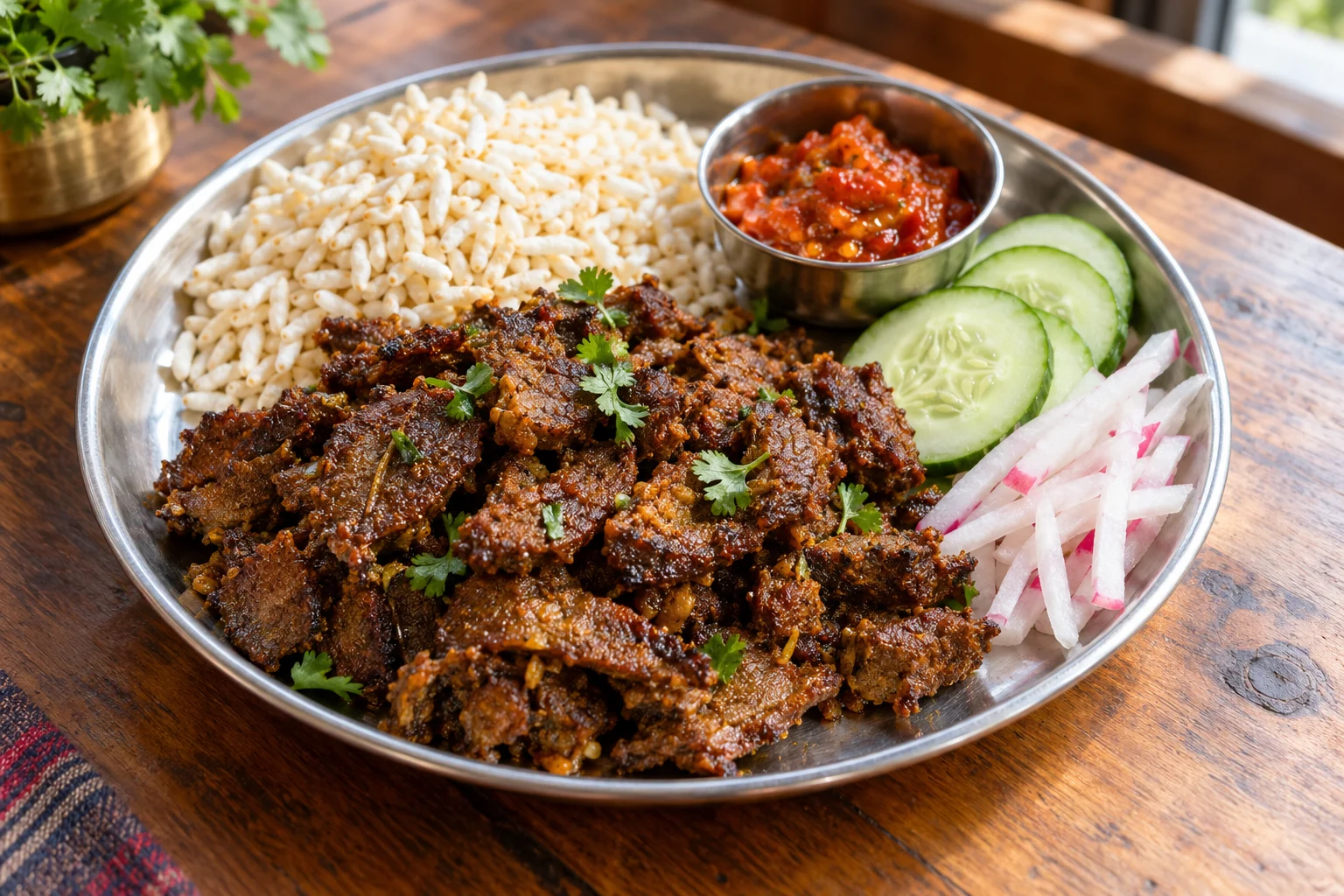
Taas brings several textures to one plate: browned spiced meat, crunchy rice, fresh salad and a sharp achar. The pan builds the meat’s flavour; the accompaniments give each mouthful a different balance.
A dish closely associated with Chitwan
Taas is spiced meat cooked on a tawa, a broad, heavy griddle or shallow pan. Goat and mutton feature in Nepali accounts; lamb also appears in home recipes. The meat arrives in small pieces with browned edges and a spice coating, accompanied by rice, salad and achar rather than a bowlful of gravy.
Its connection with Chitwan is strong, though accounts of its beginnings differ. Chef Binod Baral’s Annapurna Express feature describes a route through Raxaul and the Bhetghat restaurant in Bharatpur. Other writers describe the dish through Chitwan itself. The useful common ground is the plate: Baral stresses the combination of meat, bhuja, tomato achar and salad, while Seema Bhandari’s OMG Nepal account gives fried garlic a prominent place. Neither accompaniment is merely decoration.
Three states to watch in the pan
- Juices released
- Moist and bubbling
- Liquid reduced
- A coating, not a pool
- Edges browning
- More frequent attention
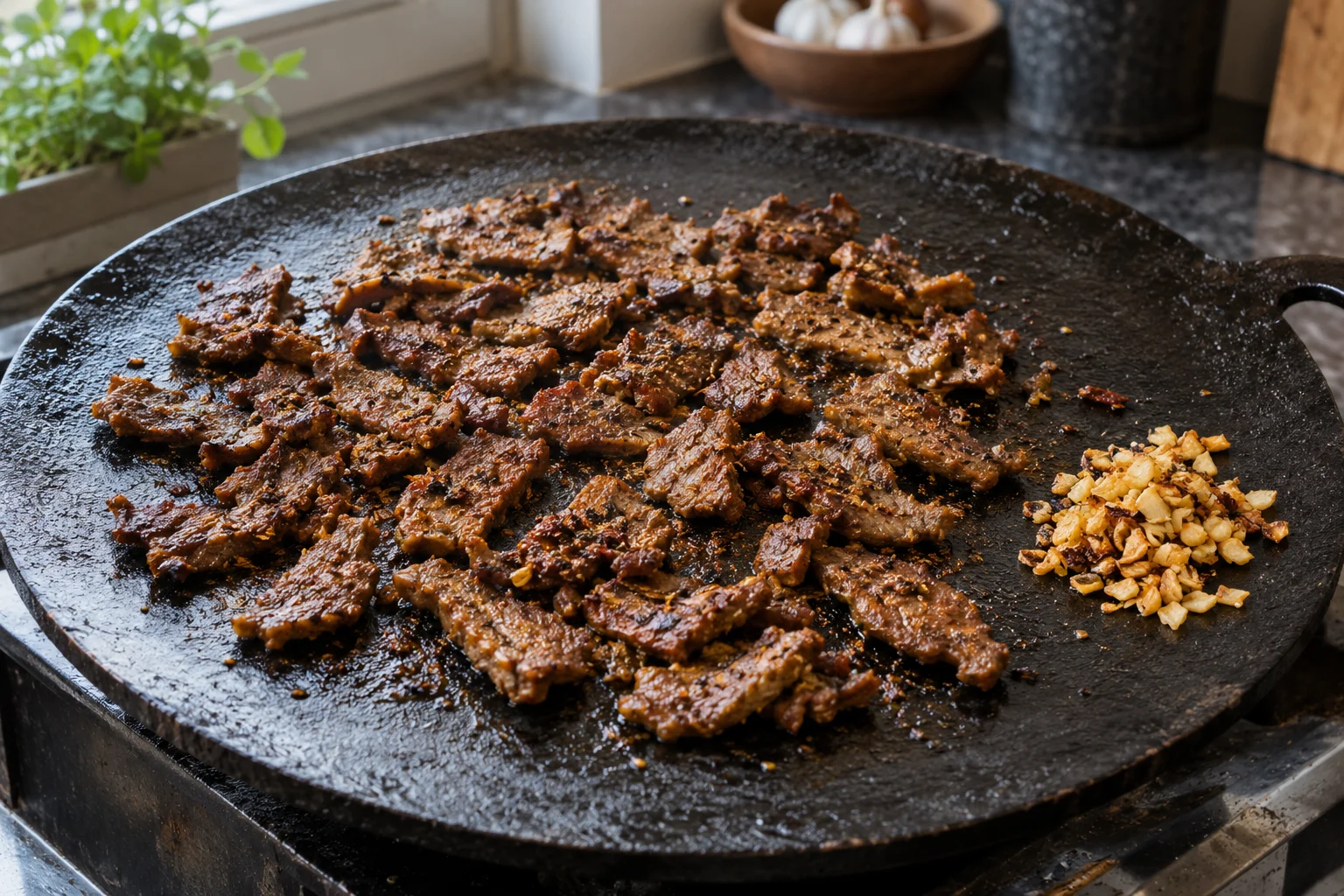
The meat and marinade release moisture. Spread the pieces so the liquid has room to evaporate; a deep heap prolongs this stage.
Spices begin to cling to the meat as free liquid diminishes. Watch the bottom of the pan as well as the tops of the pieces.
Once the pan is drier, the spice paste can scorch quickly. Turn the pieces, moderate the heat and move garlic away from the hottest area.
Three controls that matter more than a fixed minute count
Use a complete recipe for its meat cut and quantities. These cues help interpret what that recipe is asking the pan to do.
- 01
Match the pieces before marinating
Small, similarly thick slices cook more evenly than a mixture of slivers and large chunks. Tulsi Regmi’s Food.com recipe uses thin boneless lamb; chef R. B. Budhathoki’s Nepali-language version describes small sliced goat pieces. Both refrigerate the seasoned meat overnight. Ginger, garlic, cumin, coriander, turmeric and chilli appear across their versions, with timur providing another aromatic note. Keep the meat refrigerated while the other components are prepared.
- 02
Give the pan an evaporation route
Choose a broad, heavy pan and work in batches if the meat would pile up. Regmi uses a low-heat cooking phase; Budhathoki describes medium heat. This variation is a reason to read the pan, not to chase one universal time. While there is free liquid, allow it to reduce. As the surface becomes drier, turn and reposition pieces so the spice coating browns without leaving black deposits on the pan.
- 03
Drain without turning the plate into a sauce
Regmi moves the cooked meat toward the side of the pan so excess oil drains away. At home, lift it with a slotted spoon onto its serving plate. Carry over the clinging spice coating and browned aromatic bits, while leaving a pool of frying oil behind. Prepare the rice and achar before the meat finishes so the crisp edges can be enjoyed promptly.
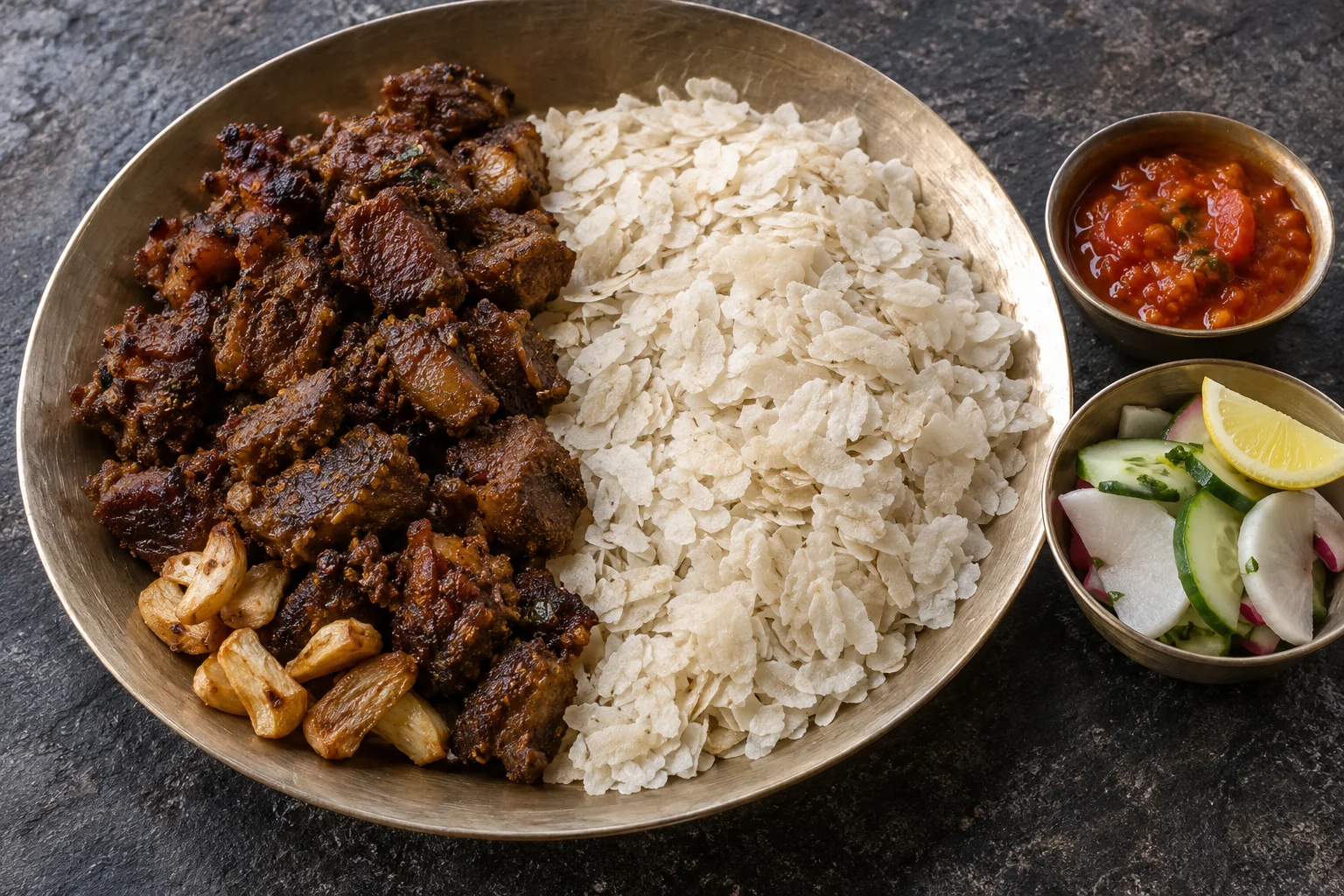
Bhuja or chiura?
Both appear with taas in the cited cooking accounts. Choose for the texture you want, then keep the wet accompaniments separate until eating.
Bhuja: puffed rice
Light, expanded grains give an airy crunch beside the meat. They soften rapidly when mixed into achar or pan juices. Put them on the dry side of the plate and combine small amounts as you eat.
- A light contrast to rich meat.
- Best assembled close to serving.
Chiura: beaten rice
Flattened rice flakes give a firmer, denser bite. They are a different rice preparation, not another name for puffed rice. Serve the flakes beside the meat and use achar in small portions to vary the moisture of each mouthful.
- A more substantial crunch.
- Keep the flakes distinct from the salad.
Check the meat, then finish the balance
Brown edges are a texture cue, not a safety measurement. FoodSafety.gov gives whole-muscle goat and lamb a minimum of 63°C/145°F with a three-minute rest, and chicken 74°C/165°F. Check the thickest pieces with a suitable food thermometer. Tougher cuts may need further cooking for tenderness even after reaching a safe minimum; replacing thin slices with large chunks changes the cooking task.
Tomato achar adds acidity and moisture; cucumber and radish contribute a cooler, fresh bite. Let these components remain visible on the plate instead of mixing everything into one mound. The next mouthful can then contain more garlic, less chilli, or more rice. Check the chosen recipe and accompaniments for allergens: yogurt marinades contain milk, mustard oil contains mustard, and achar recipes vary.
Research notes
Cooking accounts and further reading
Independent Nepali food writers and recipes describe the griddle method and snack set; official guidance supplies the meat-temperature checks.
- Binod Baral, Annapurna Express: That meaty delight from Chitwan A chef’s account of the regional connection, tawa cooking and the complete snack set.
- Tulsi Regmi, Food.com: Classic Nepali Taas A complete home recipe using thin lamb, a refrigerated marinade and a drained griddle finish.
- OMG Nepal: The secret behind the taste of taas from Chitwan Seema Bhandari’s account of meat, fried garlic and separate areas of heat on the tawa.
- R. B. Budhathoki, Titopati: Chitwan’s taas A Nepali-language chef’s recipe and commentary on browned spices, meat and rice accompaniments.
- FoodSafety.gov: safe minimum internal temperatures Minimum temperature and rest guidance for goat, lamb and chicken.
Keep exploring
More stories for your table
Nepalese cuisine Cooked rice
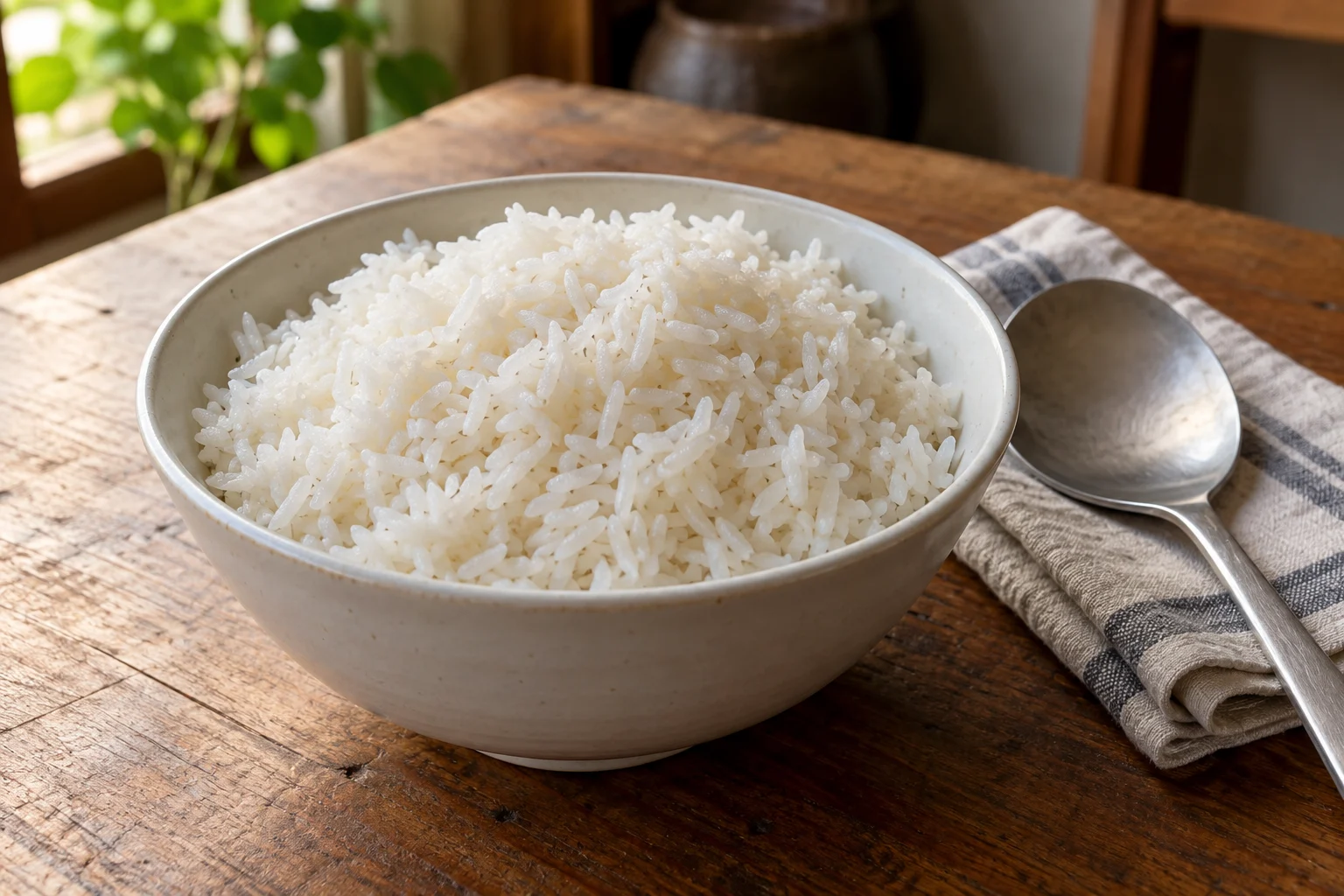
Bhat: Plain Rice with Room for the Rest
Understand Nepali bhat as cooked rice: its place beside dal and tarkari, the distinction from uncooked chamal, and why documented rice methods use different ratios.
Nepalese cuisine Offal and snacks
Bhutan: The Cook Before the Pan
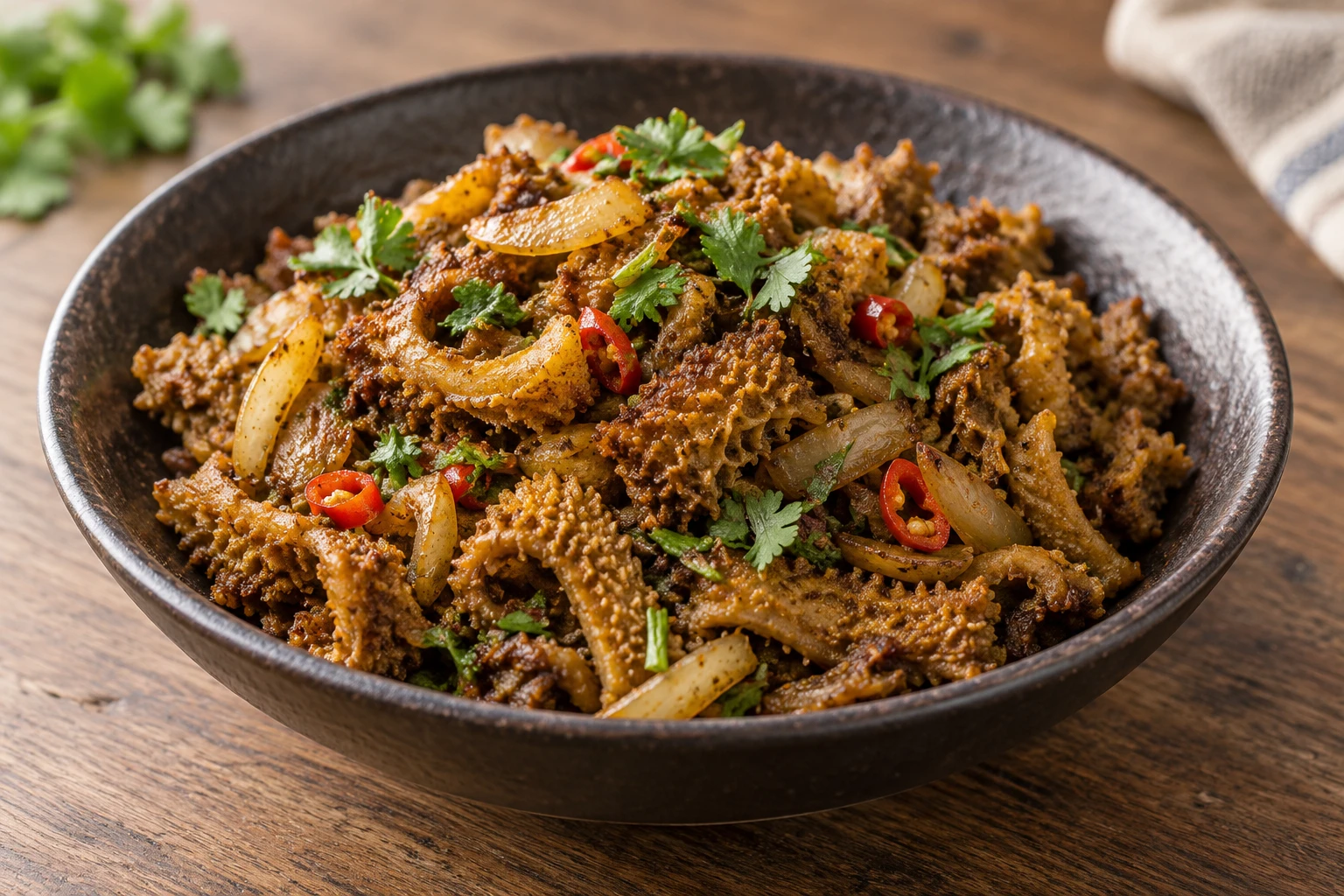
Nepali bhutan combines varied offal with a fragrant fried finish. A tripe-only household version starts with fully cooked meat and serves it with chiura.
Nepalese cuisine Egg curry
Nepali Egg Curry: A Surface Worth Frying
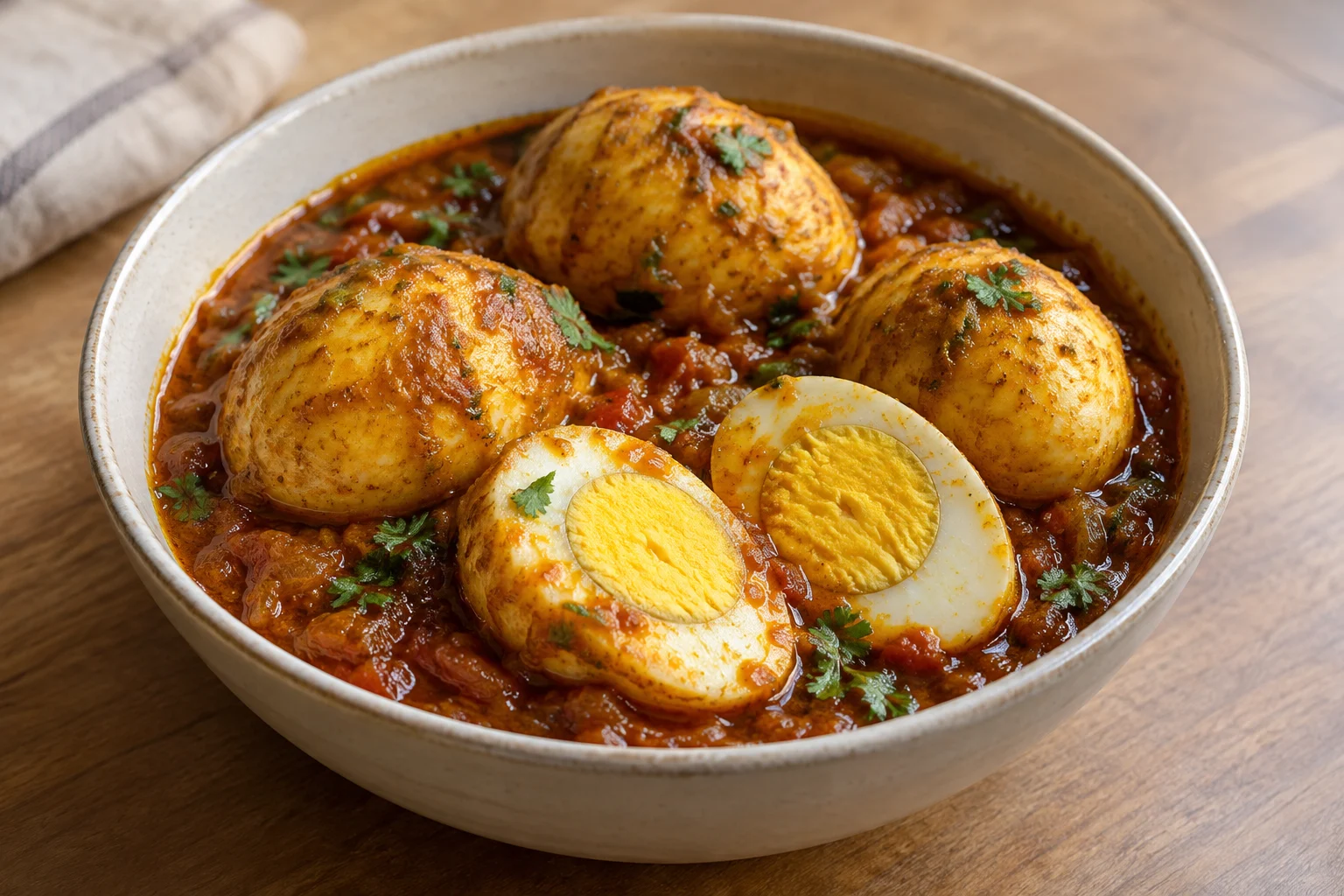
Explore Nepali egg curry through the difference between a fried whole egg, a carefully sauced half and the tomato-based gravy around them.