
Sekuwa: spice, charcoal and a crisp companion
Sekuwa
Nepali sekuwa through its chicken, buffalo and mutton variations, with an original chicken recipe, a controlled charcoal fire and rice-side choices.
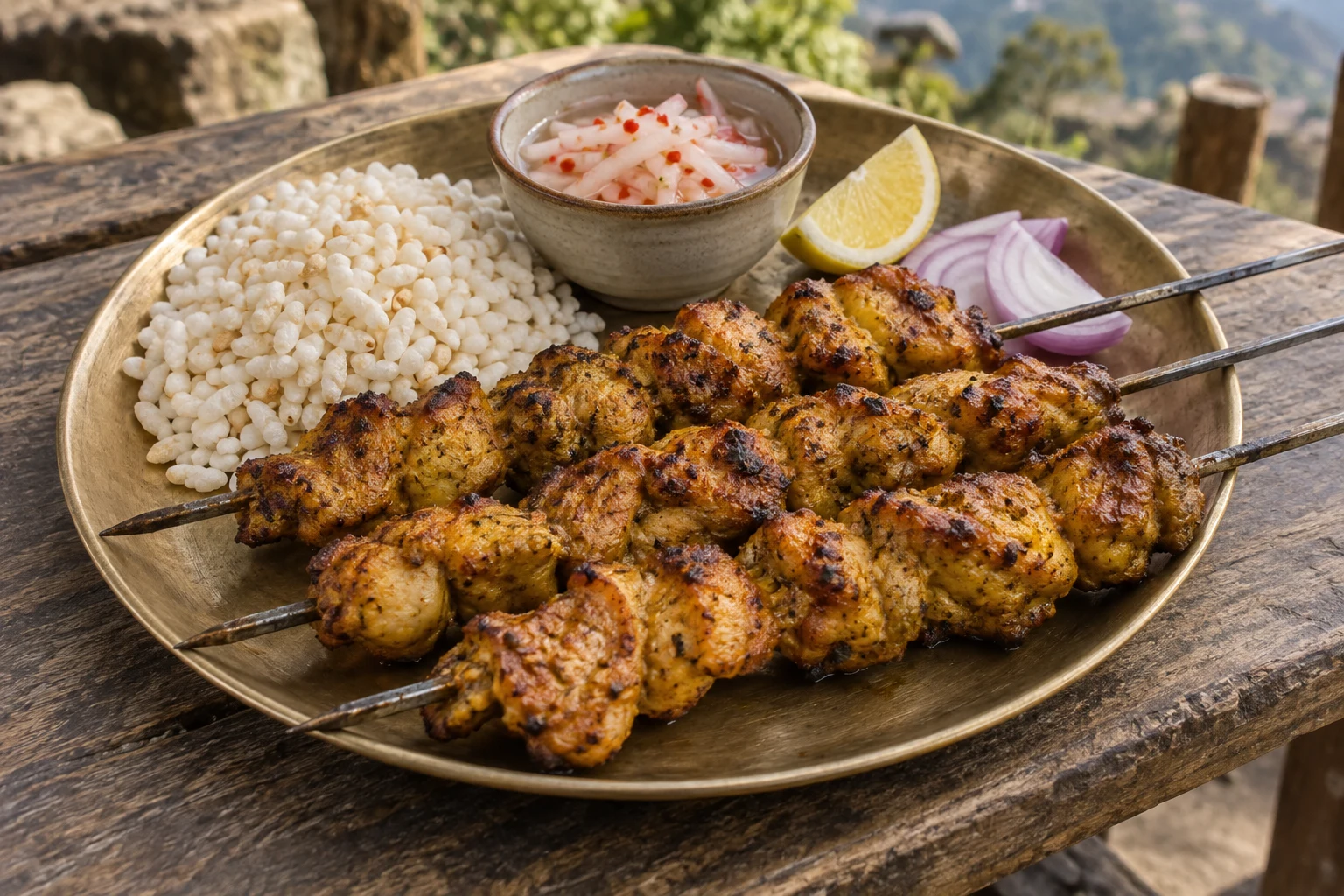
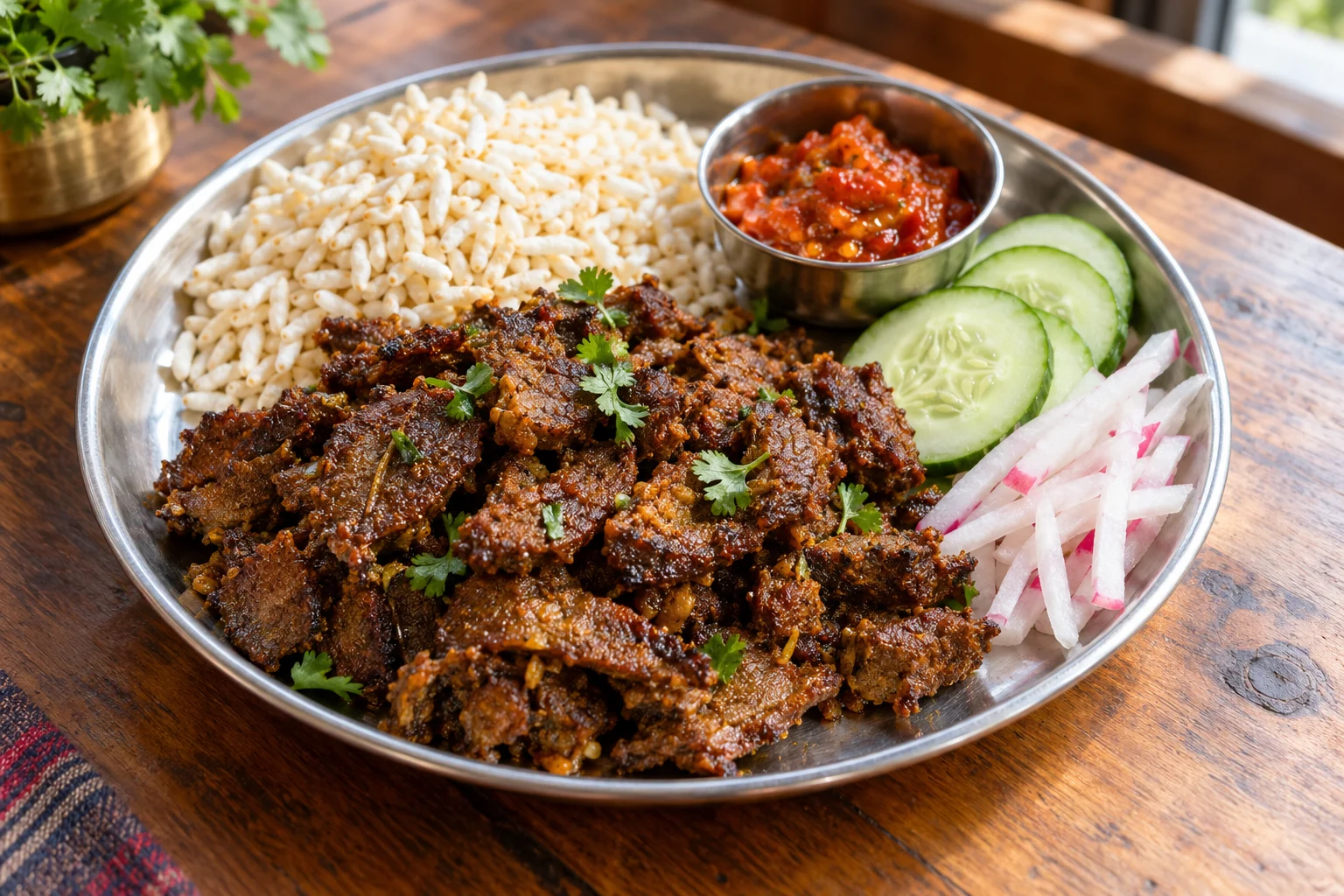
Sekuwa brings spiced pieces of meat to the fire, then to a plate where crunch and acidity have room to answer them. In an interview with Outlook Traveller Eats, chef Ram Bahadur Budhathoki describes wood-fire cooking and aromatic seasoning as central to the dish. The Nepal Tourism Board's recipe collection offers a chicken version with a yogurt marinade. These are useful starting points, rather than evidence of one compulsory recipe.
The practical question is how to get a seasoned surface, cooked center and lively plate at the same time. A large flame can darken a skewer long before the middle is ready. This chicken adaptation therefore leaves room to manage the fire, checks the meat with a thermometer and keeps its accompaniments separate until serving.
Read the meat and the side together
Buffalo beside puffed rice
Alisha Sijapati's 2018 Kathmandu Post report records Sundhara vendors seasoning buffalo with ginger, garlic, cumin and peppers, then roasting it on skewers. Customers eat it with handfuls of muri, or puffed rice. That is a documented street preparation, with its own lean spice profile.
Mutton with a sour counterpoint
In a separate firsthand restaurant review, Hantakali describes mutton sekuwa accompanied by radish pickle, furandana and salad. The pickle's acidity answers the rich meat. Those observations explain a plate's balance; they do not establish a single mandatory side for all sekuwa.
Cook it at home
Chicken sekuwa for a home grill
An original editorial adaptation for four modest servings. Neutral oil replaces the mustard oil used in the Tourism Board version; the seasoning amounts and grill method below are our own practical choices.
Ingredients
Chicken and marinade
- 700 g boneless skinless chicken thighs, cut into 2.5 cm pieces
- 80 g plain unsweetened yogurt
- 2 tbsp neutral cooking oil
- 1 tbsp lemon juice
- 10 g fresh ginger, finely grated
- 3 cloves garlic, finely grated
- 1 tsp each ground cumin and ground coriander
- ¾ tsp each garam masala and fine salt
- ½ tsp each ground turmeric and red chili powder
For serving
- Plain puffed rice, lemon wedges and a small radish pickle or salad portion, as desired
Method
- 1
Season and chill
Mix yogurt, oil, lemon, ginger, garlic and all measured seasonings. Coat chicken; cover and refrigerate for 2 hours.
- 2
Prepare the fire
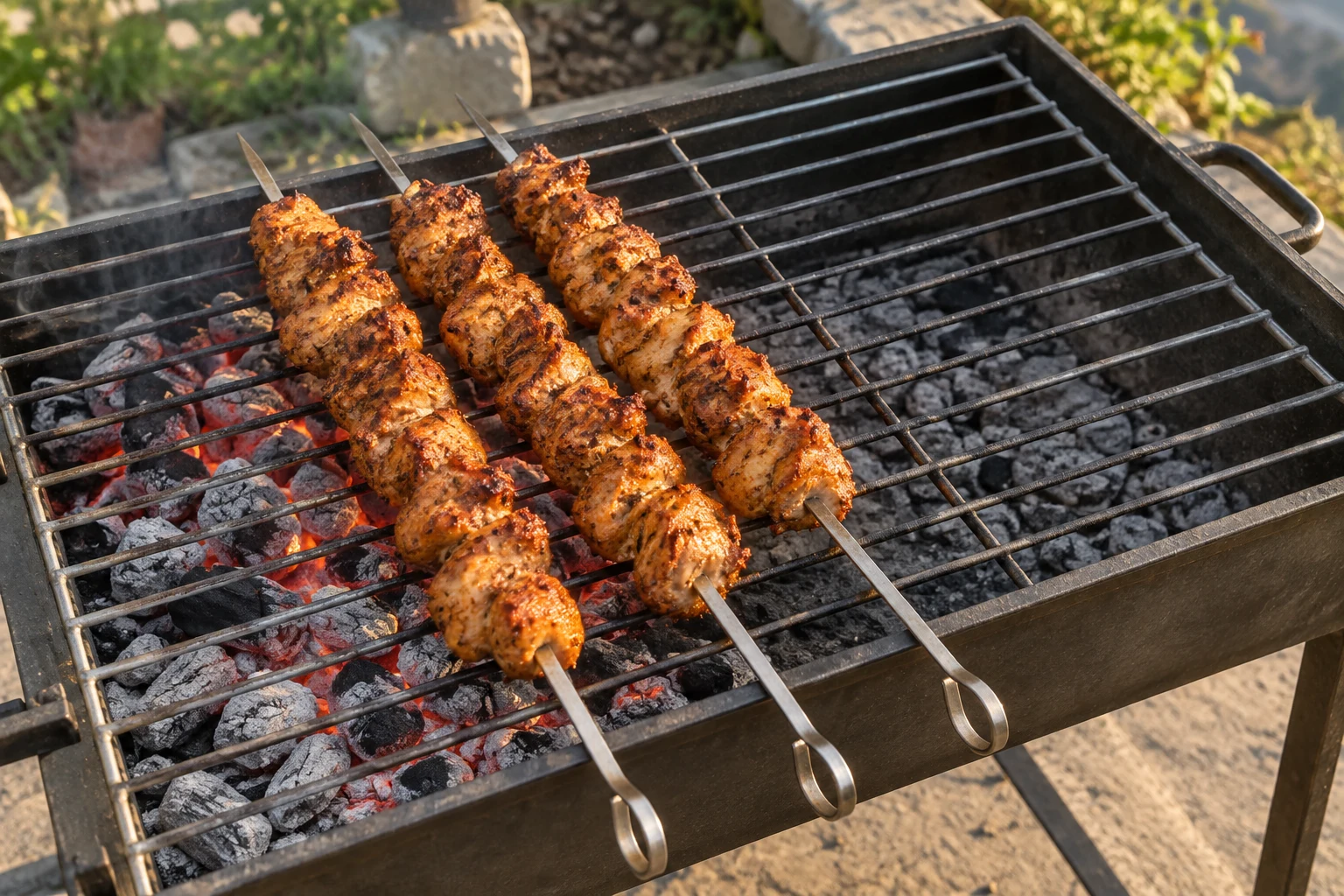
Heat an outdoor charcoal grill with coals banked toward one side. Clean the grate. Thread chicken onto metal skewers with small spaces between pieces; discard leftover raw marinade.
- 3
Brown, then finish safely
Grill over medium direct heat, turning regularly. Move toward the cooler side if the coating darkens quickly. Allow roughly 15–20 minutes, but check several thick pieces with a thermometer: each must reach 74°C/165°F. Transfer with clean utensils to a clean plate; serve immediately with the sides.
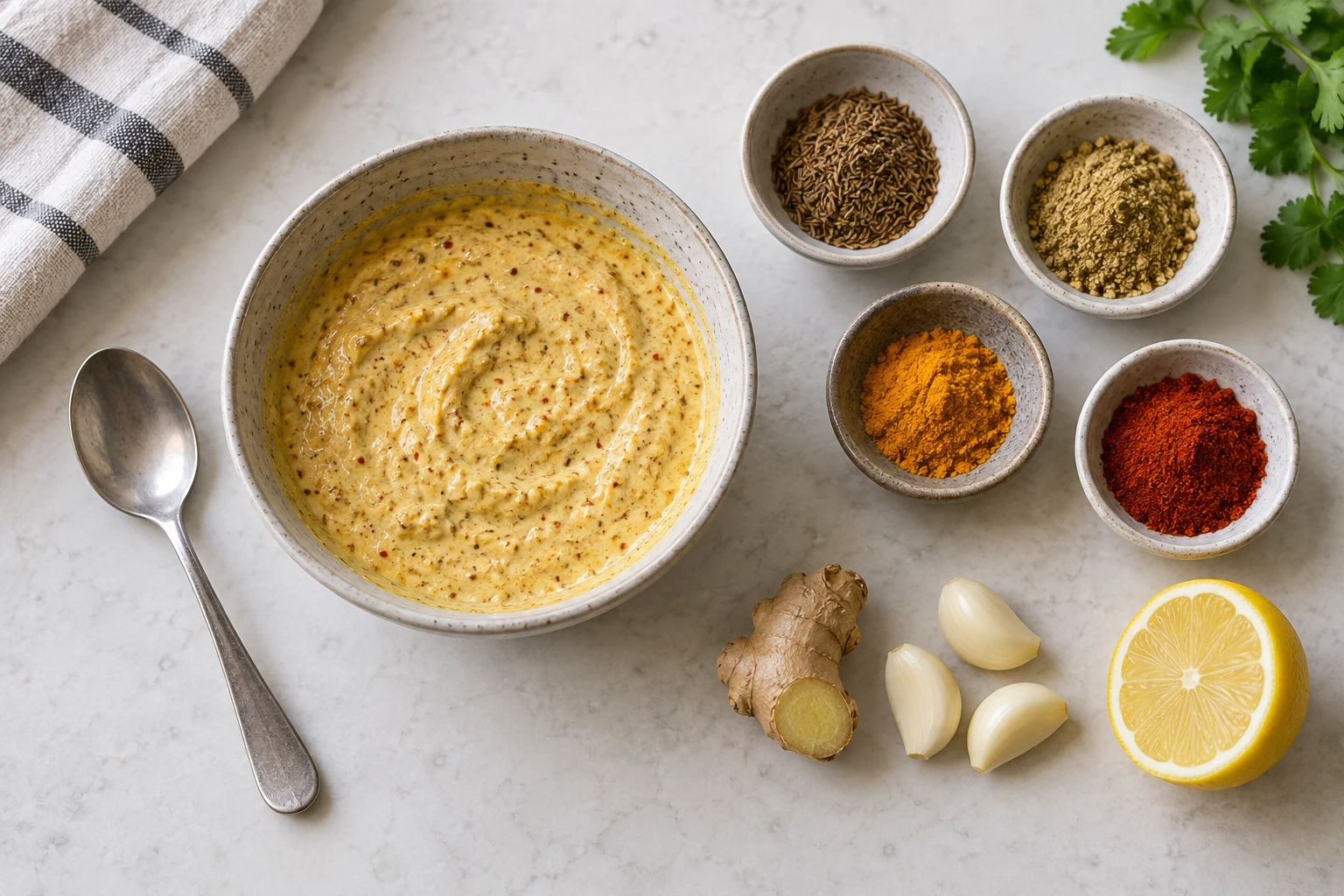
Control the surface before chasing more smoke
Keep the pieces close in size so one skewer does not mix tiny fragments with large chunks. A coating should cling to the meat; a pool of marinade dripping onto the coals makes the heat harder to manage. Turn the skewers to expose another face, and use the spare grill space when the first face browns faster than the rest.
The clock is a planning estimate. Piece thickness, grate height and fuel all change it. FoodSafety.gov sets the safe minimum for poultry at 74°C/165°F, measured with a food thermometer. Check more than one thick piece, inserting the probe into its center without touching the metal skewer. Attractive brown edges cannot replace that check.
Let the accompaniments stay distinct
Puffed rice offers an airy crunch, while beaten rice is a different accompaniment also named in the Tourism Board collection. Choose deliberately rather than treating the two as interchangeable labels. Put a small amount alongside the meat, with more available separately; drowning it under a wet pickle would lose the texture contrast.
A sour radish side, a salad or a lemon wedge can make the next bite feel brighter. Serve the chicken as the center of the plate and let diners choose the balance of meat, crisp rice and sharpness. The documented versions show why those contrasts matter, even when the meat and seasoning change.
Research notes
Sources behind this article
- Nepal Tourism Board · Experience Nepal recipe book Original Sekuwa spread, printed pages40–41: chicken, yogurt marinade, refrigerated preparation and rice accompaniments.
- Outlook Traveller Eats · Chef Ram Bahadur Budhathoki Direct chef interview on fire cooking, aromatic seasoning and rice accompaniments.
- Alisha Sijapati · The Kathmandu Post Firsthand 2018 reporting on buffalo skewers at Sundhara, their seasoning and muri accompaniment.
- Hantakali · The Kathmandu Post Independent firsthand 2019 review documenting mutton sekuwa with radish pickle, furandana and salad.
- FoodSafety.gov · Safe internal temperatures Official poultry minimum74°C165°F measured with a food thermometer.
Keep exploring
More stories for your table
Nepalese cuisine Egg curry
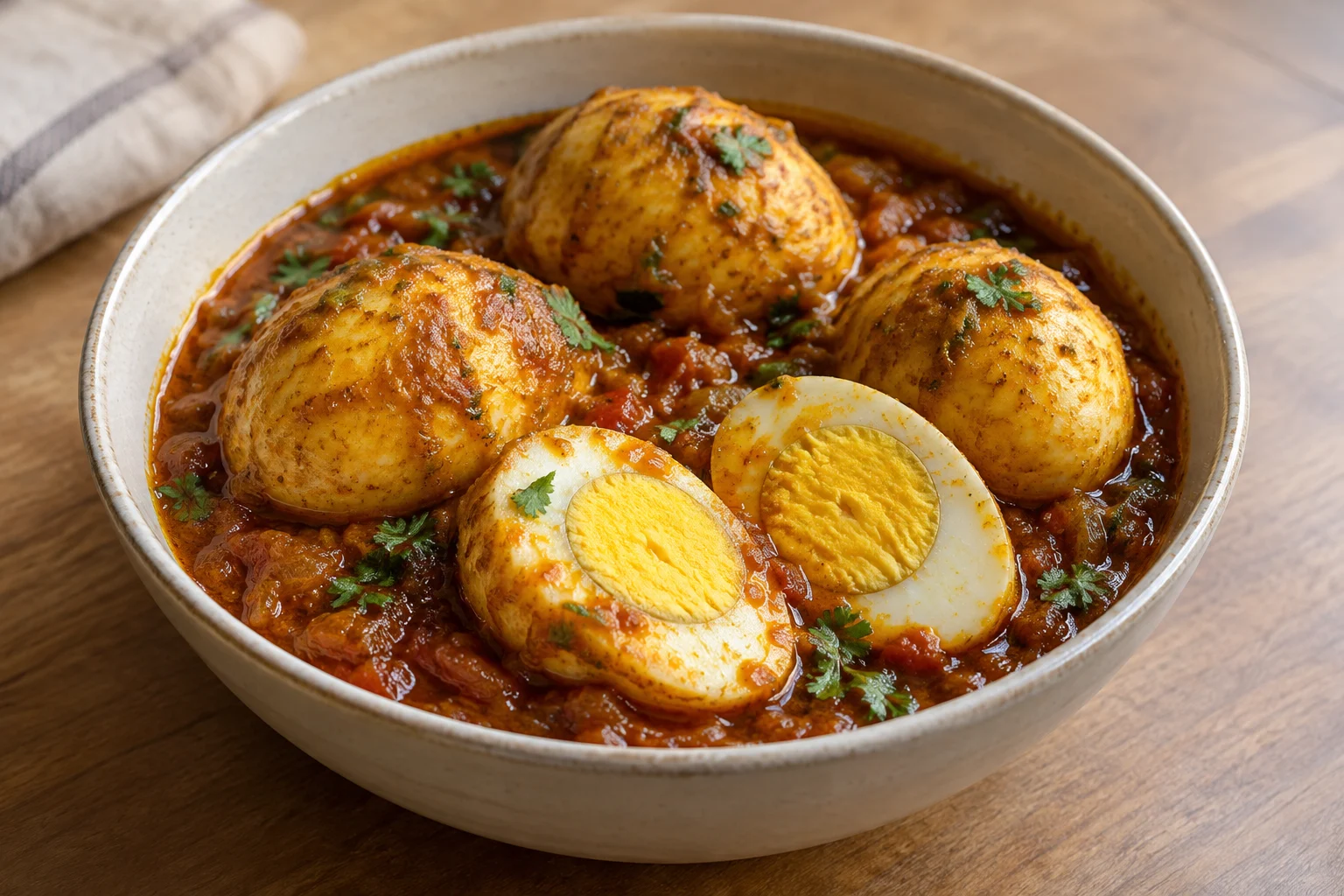
Nepali Egg Curry: A Surface Worth Frying
Explore Nepali egg curry through the difference between a fried whole egg, a carefully sauced half and the tomato-based gravy around them.
Nepalese cuisine Spiced meat snack
Taas: the tawa, the garlic and the whole snack plate
A practical guide to Nepali taas: spiced griddle-cooked meat, separate fried garlic, puffed or beaten rice and sharp achar, with cues for browning without scorching.

Pakistani cuisine Chicken
Pakistani Chicken Shawarma: From Pan to Pita
Explore Pakistani home versions of chicken shawarma: pan versus oven cooking, two sauce approaches, and a complete adaptation for soft pita pockets.