
Sinki: The Radish Root Behind the Sour Broth
सिन्की
Fermented radish root gives sinki its sour character. Learn how it differs from leafy gundruk, why drying matters, and how prepared sinki becomes soup.
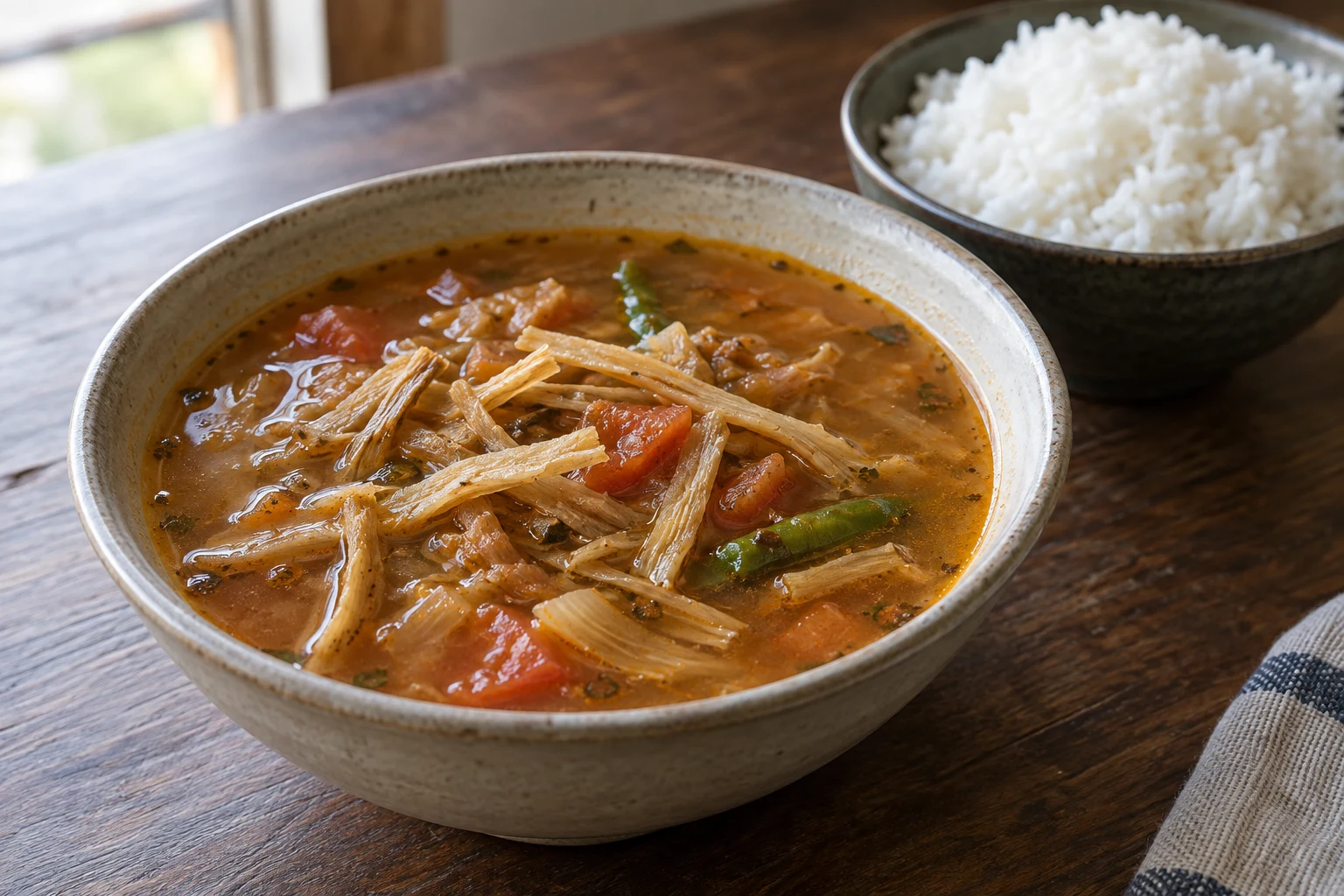
Start with the part of the plant
A packet of sinki can look far removed from the fresh radish that began it: pale-brown, wrinkled pieces of root, ready to bring sourness to a meal. In Nepalese cooking, this preserved ingredient has its own identity. Knowing which part of the plant was fermented is the clearest way to distinguish it from its leafy relative, gundruk.
Jyoti Prakash Tamang and Prabir Kumar Sarkar’s original 1993 research identifies sinki as fermented radish taproot, used for soup and pickle in Nepal, parts of northeastern India and some places in Bhutan. That wider setting matters. The ingredient belongs to food traditions across the region, even when a shop labels a packet simply as Nepali sinki.
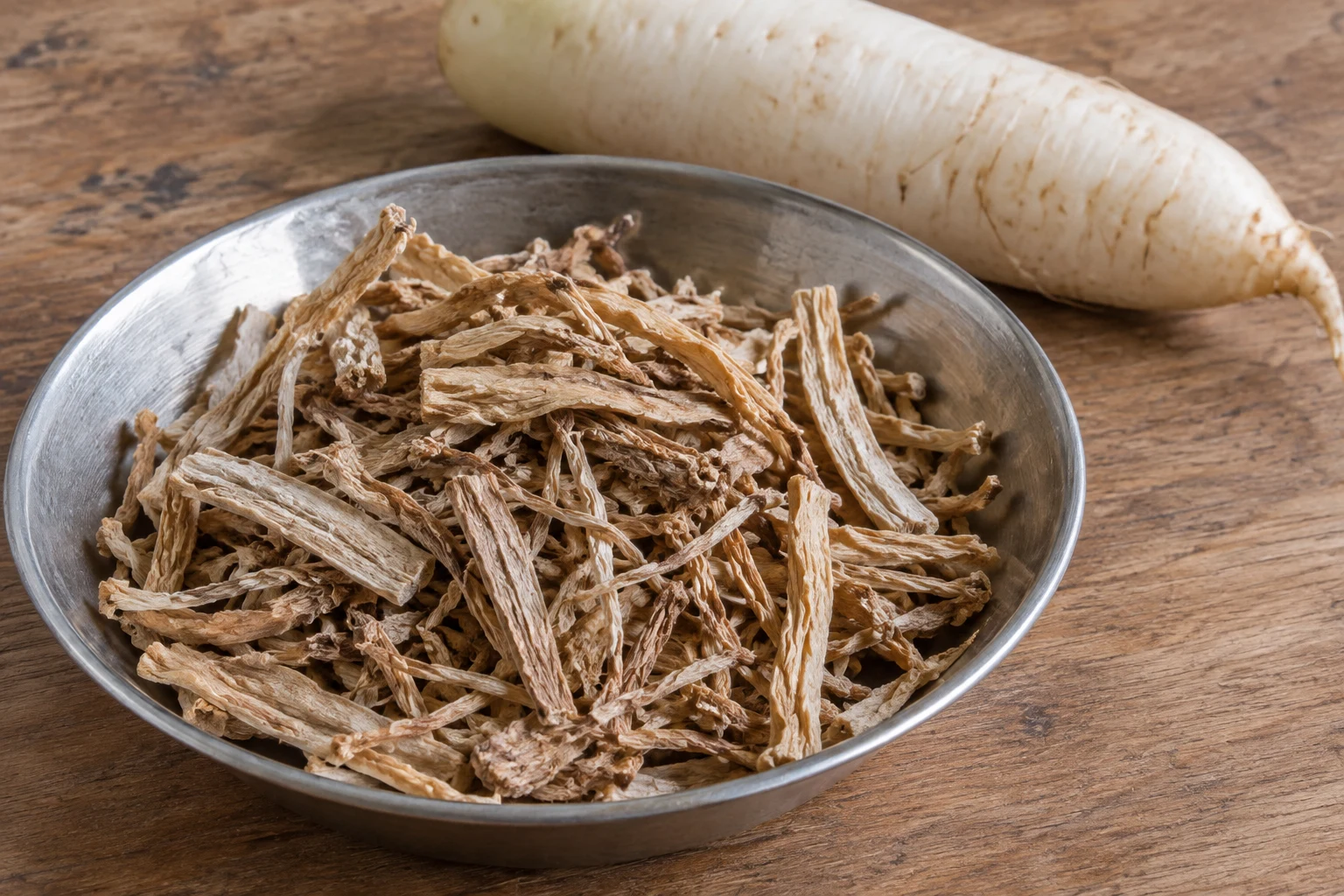
Root and leaf are different ingredients
Sinki
The fleshy radish root is fermented. In its dried form, the pieces retain a fibrous root structure and are prepared for a later dish.
Gundruk
Leafy vegetables are fermented and dried. Radish leaves can be among those greens, so a shared plant name does not make the two preserves identical.
Fermentation and drying do different work
The 1993 study examined forty sinki samples and documented lactic acid bacteria involved in the process. Its controlled fermentation work showed acidity increasing as the root fermented. This explains the central culinary change: the radish becomes a sour ingredient through fermentation, before it is dried for later use.
A separate 2025 BMC Microbiology study included two Nepalese sinki samples among a much broader collection of traditional ferments. It describes sinki as a spontaneous radish ferment and records sun-drying as part of its preparation. These are observations about particular products and practices; they do not turn every dried radish into sinki or establish one process for every household.
For the cook, the distinction is useful when choosing an ingredient. Fresh radish brings its own texture and taste, but it has not undergone the same transformation. Adding fresh root to a soup is a different preparation, rather than a way to reproduce prepared sinki simply by cutting it thinly.
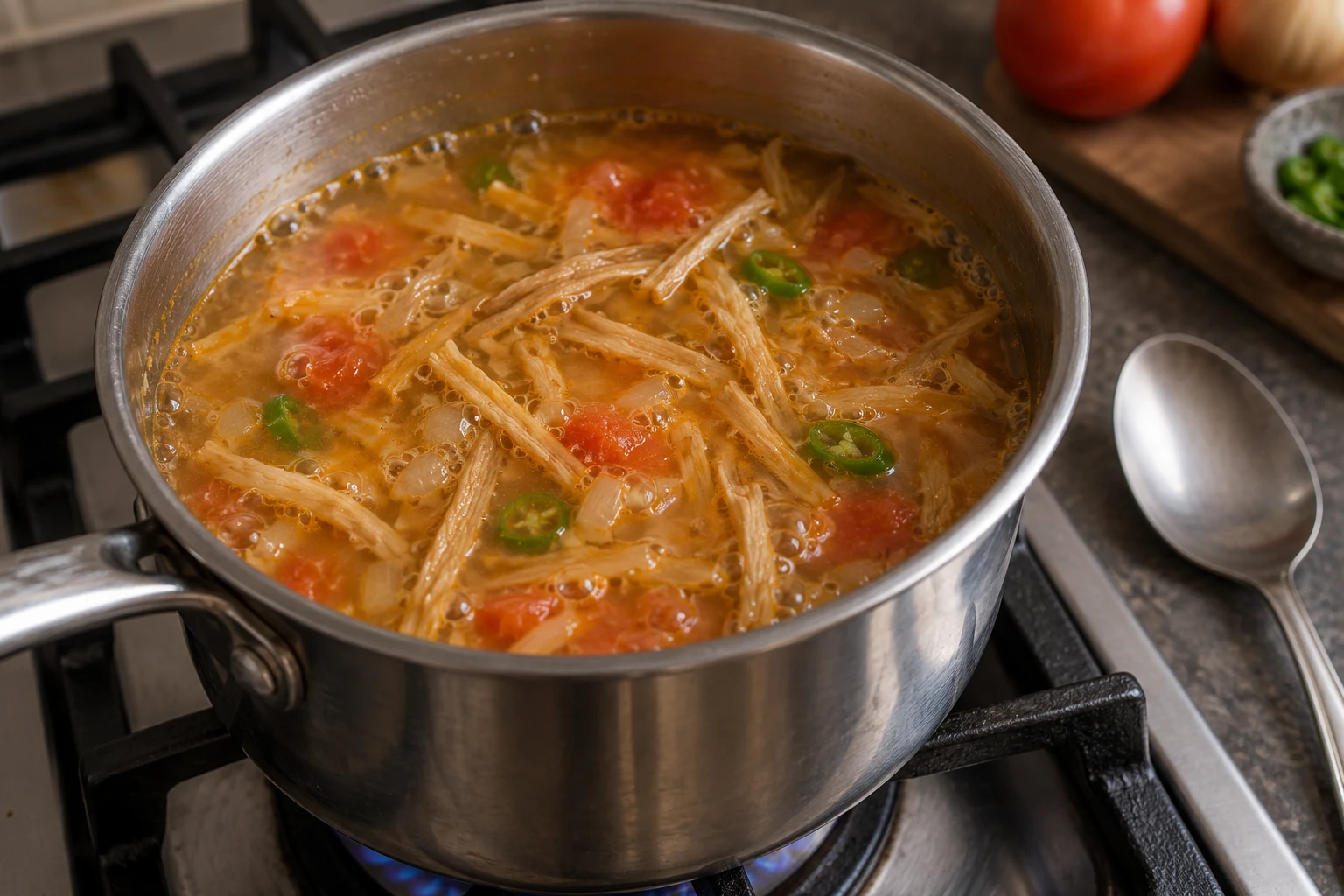
A small amount of preserved root can shape a broth
FAO’s account gives one clear route from prepared sinki to a meal: rinse the preserved root, squeeze out excess water, fry it with onion, tomato, green chilli and salt, then cook that mixture into a hot soup using rice water. The sequence gives the dried ingredient attention before it enters the liquid.
That account is a preparation description rather than a complete measured recipe. It leaves quantities and the particular product unspecified. When cooking purchased sinki, use the producer’s preparation directions or a complete recipe suited to that ingredient. Keep track of whether a recipe begins with dry pieces or already softened ones; they are different starting points for the pan.
Keep the names attached to the right dish
Thomas Heaton’s Nepali Times account places sinki beside other fermented foods, while its detailed recipe is for gundruk sandheko, a preparation of fermented greens. This is an easy distinction to miss when browsing: a page may mention both ingredients while its instructions concern only one.
Ask a shop or restaurant which preserve is being used and how it is prepared. A sour broth based on radish root and a dish based on leafy greens offer different textures, even when both appear alongside rice. The useful question is about the ingredient in the bowl, rather than whether a dish belongs to one broad category of fermented food.
Research notes
Sources for the preserved root
An original sinki study, later household-ferment research, FAO’s culinary account and Nepali reporting support the ingredient distinctions. No health benefit or universal storage period is inferred.
- Tamang and Sarkar: Sinki, a Traditional Lactic Acid Fermented Radish Tap Root Product Original 1993 study; product identity, regional use and fermentation observations.
- FAO: Fermented Fruits and Vegetables, Chapter 6 Sections on root-based sinki, leafy gundruk, drying and a described soup preparation.
- Gautam and colleagues: Ecological Factors in Culturally Diverse Fermented Foods 2025 primary study including two Nepalese sinki samples; substrate and preparation distinctions.
- Thomas Heaton: A Kiwi Takes to Gundruk Nepali Times reporting distinguishes radish-root sinki from leafy gundruk; its recipe concerns the latter.
Keep exploring
More stories for your table

Nepalese cuisine Egg curry
Nepali Egg Curry: A Surface Worth Frying
Explore Nepali egg curry through the difference between a fried whole egg, a carefully sauced half and the tomato-based gravy around them.
Nepalese cuisine Cooked rice
Bhat: Plain Rice with Room for the Rest
Understand Nepali bhat as cooked rice: its place beside dal and tarkari, the distinction from uncooked chamal, and why documented rice methods use different ratios.
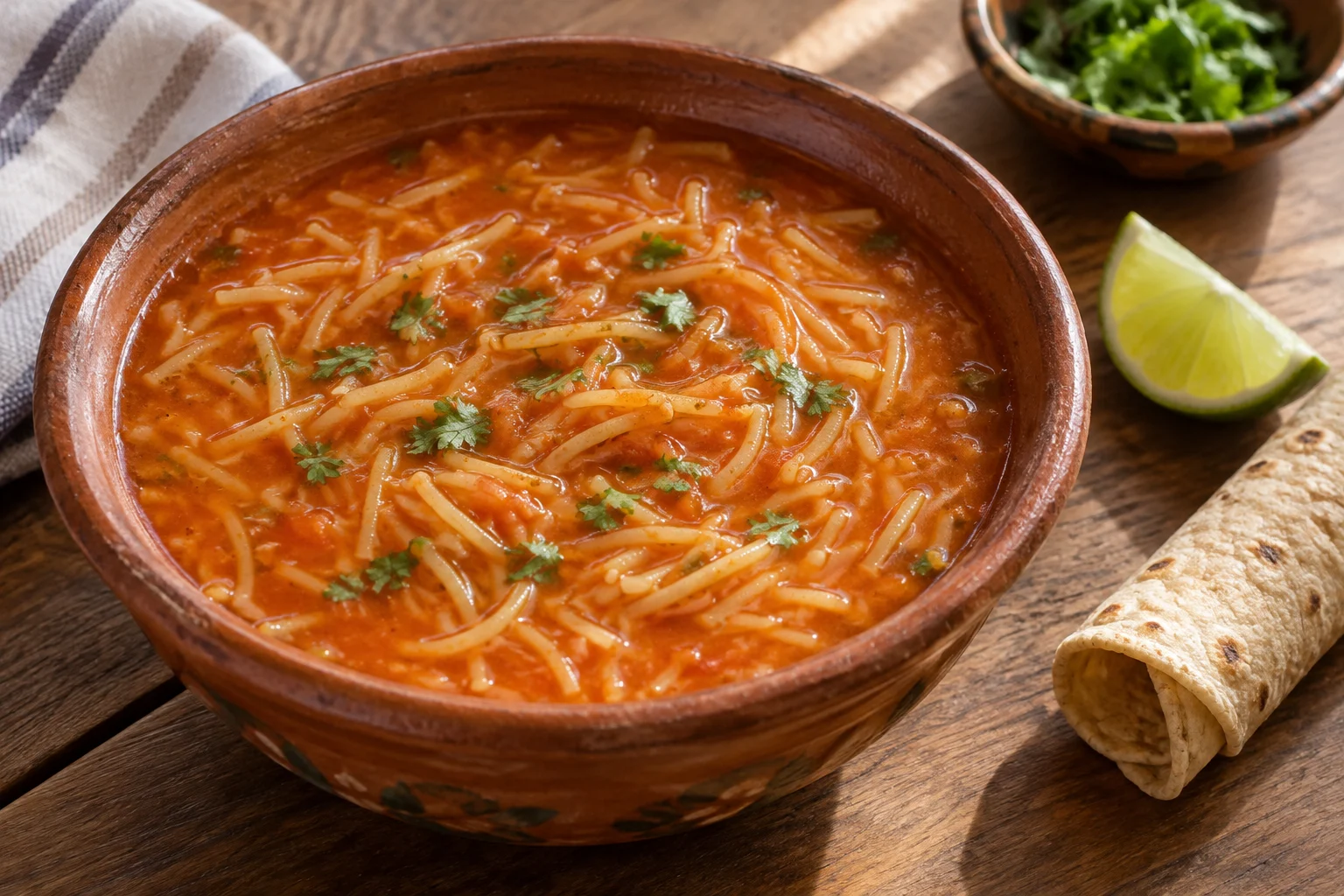
Mexican cuisine Noodle soup
Sopa de Fideo: Have the Tomato Ready Before the Noodles Toast
A brothy Mexican sopa de fideo starts with short wheat noodles lightly toasted in oil. Prepare the tomato base first, then make this four-serving soup.