
Sup Tulang: The Broth and the Last Spoonful
Sup tulang
A bone-in beef soup can be warmly spiced, vegetable-filled or sharpened at the finish. Malaysian sup tulang recipes show how much of that character depends on what happens before and after the meat becomes tender.
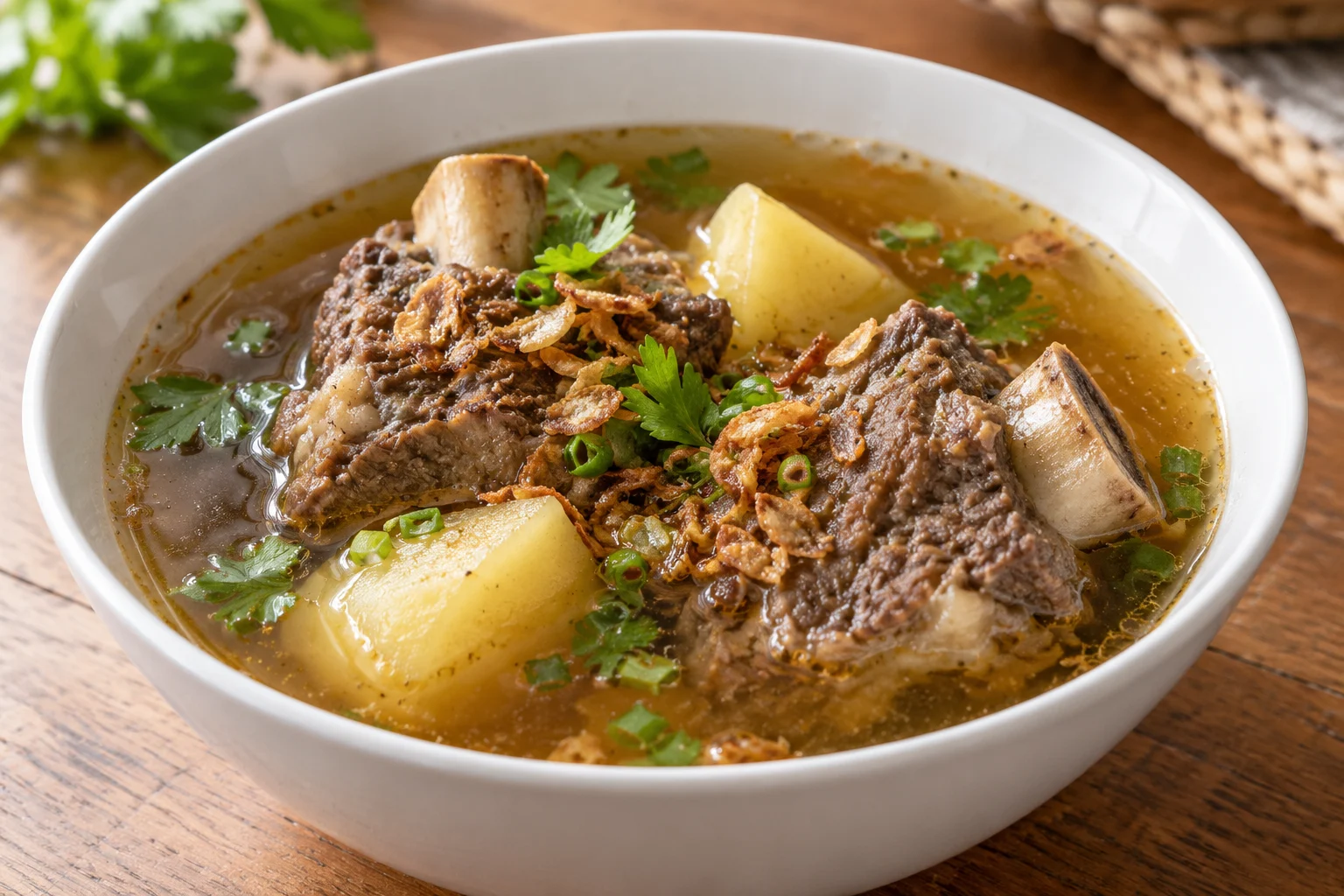
The bone is only the beginning
The most conspicuous object in sup tulang is often a bone with cooked beef still attached. It gives the bowl its shape, but the soup is more than the object at its center. Aromatics, the meat-cooking liquid and the ingredients added near serving perform different jobs. A cook can keep that structure while producing quite different bowls.
Malaysian food-service sources establish the dish directly: Ajinomoto calls its version sup tulang daging, a Malay beef-bone soup, while Unilever Food Solutions lists beef neck bones in its sup tulang. Panasonic Malaysia uses beef ribs. The useful common ground is bone-in beef in a savory soup; these examples do not require one particular cut, an enormous marrow bone or one fixed vegetable combination.
What changes from bowl to bowl?
These are named source preparations, not a map of every Malaysian household.
Warm spices and potatoes
Ajinomoto Malaysia sautés cinnamon, cardamom, star anise and a ground aromatic mixture. Its potatoes enter after the beef has cooked until tender, and the bowl ends with celery leaves, spring onion and fried shallots.
A lighter vegetable-and-pepper composition
Unilever’s published version names beef neck bones, onion, white pepper, carrot, celery and tomato. Its restrained ingredient list illustrates how a soup under the same name need not have the same visible whole-spice assortment.
A sour, spicy shop-style finish
RASA’s kedai tomyam version uses a prepared soup base and already tender bones. Bird’s-eye chilies, fish sauce, oyster sauce and lime juice contribute to its final seasoning. It is a documented alternative to the warmly spiced potato bowl.
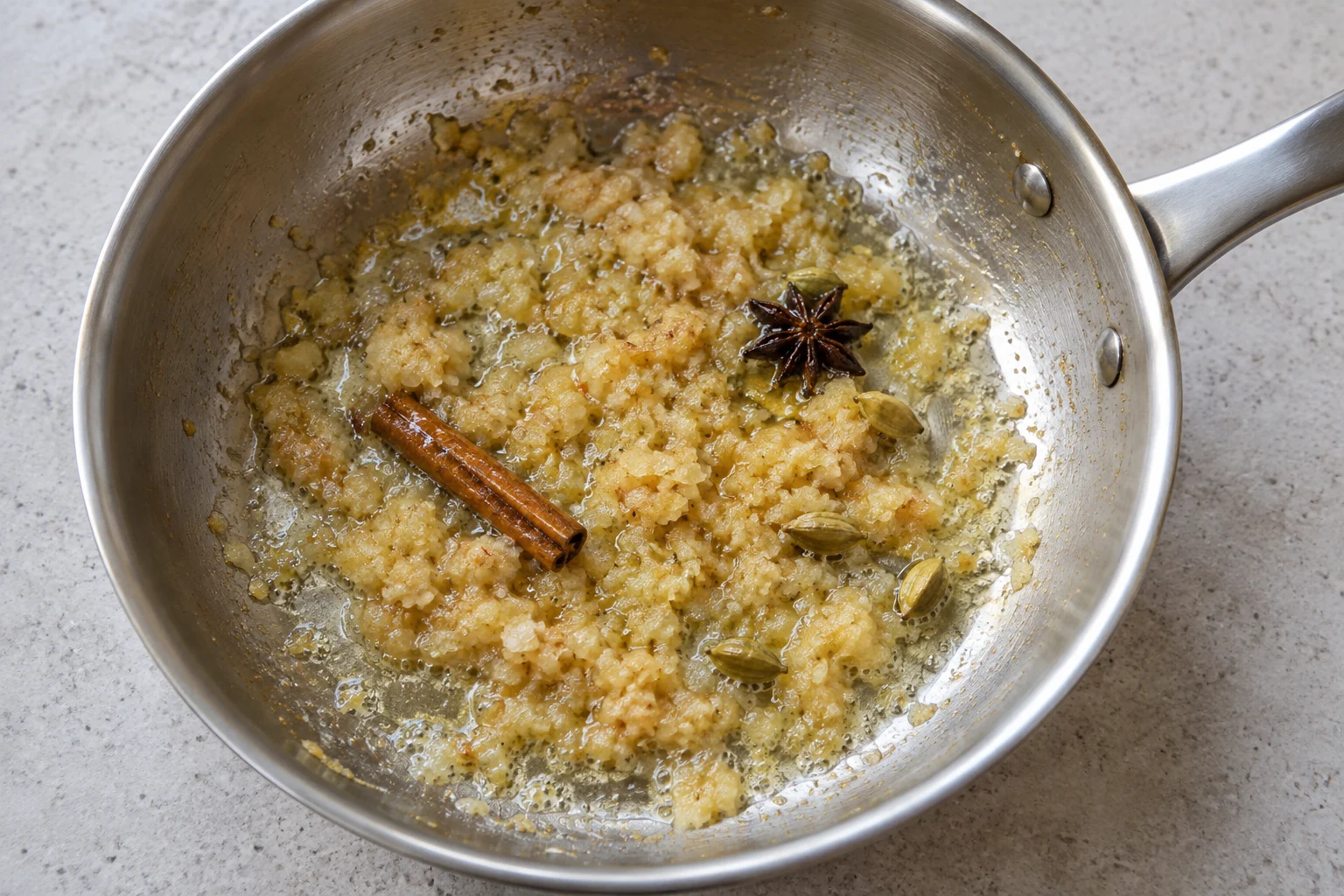
Three jobs, three stages
- 01
Give the aromatics their own time
Ajinomoto and Panasonic both begin by sautéing ground or blended shallot, garlic and ginger with whole spices. The visible cue in Ajinomoto’s directions is a fragrant, yellowish mixture. Broth is added afterward; the initial pan stage is not simply the final soup warmed in oil.
- 02
Let the meat lead the schedule
Ajinomoto cooks the beef bones until the attached meat is tender before adding potatoes and more water. Panasonic likewise adds celery, carrot and potato after its first meat-cooking stage. The sequence lets the vegetables have their own cooking period instead of spending the entire meat stage in the pot.
- 03
Season the soup you will actually serve
RASA separates a comparatively plain spiced base from the finished bowl. Its later additions include vegetables, chili and the sour-salty seasonings. That distinction explains why the quick final assembly is possible: the bones and base have already received their earlier preparation.
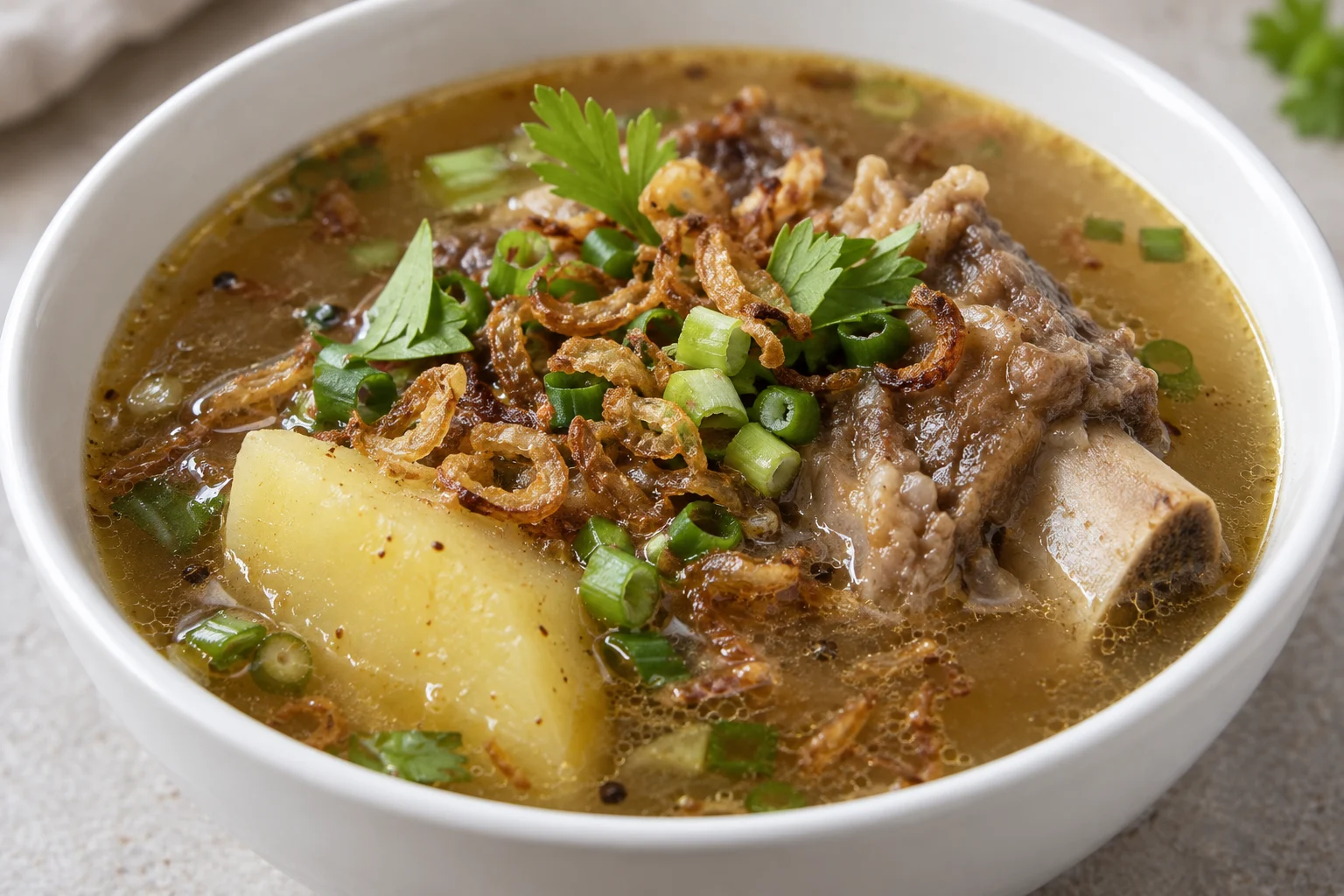
A last layer above the liquid
Several preparations keep the final garnish distinct from the soup-making stages. Ajinomoto ends with celery leaves, spring onion and fried shallots. Panasonic finishes with spring onion, fried shallots and coriander leaves; Unilever names local parsley and fried shallots. The herb choice differs, while the place in the sequence stays recognizable: these ingredients belong at the finish.
For the reader, that is a useful way to assess a bowl. Look separately at the softness of the beef, the liquid around it and the ingredients resting on top. A tender meat portion does not tell you whether the final soup leans toward white pepper, warm spices or lime and chili. Likewise, the crisp-looking shallot garnish is a different texture from the cooked onion that helped form the base.
The accompaniments can complete the meal rather than change the soup itself. Ajinomoto suggests rice, telur dadar and sambal belacan alongside its beef-bone preparation. Telur dadar is an omelet; the rice and side dishes belong to that source’s serving suggestion, not a compulsory set for every bowl of sup tulang.
Research notes
Malaysian preparations behind the comparison
These independently published local preparations support the ingredient and sequence comparison. Their commercial stock seasonings and appliance-specific timings are kept with their own recipes.
- Ajinomoto Malaysia: Sup Tulang Daging Documents the spiced aromatic base, tender-meat stage, later potatoes, garnish and rice-meal serving suggestion.
- Unilever Food Solutions Malaysia: Sup Tulang Provides the beef-neck-bone, pepper and vegetable ingredient composition and a last garnish stage.
- Panasonic Malaysia: Sup Tulang beef-rib soup Documents sautéed aromatics, a slow-cooker meat stage, later vegetables and a final garnish.
- RASA: Sup Tulang ala kedai tomyam Explains prepared soup base and precooked bones, followed by vegetables, chilies and sour-salty finishing seasonings.
Keep exploring
More stories for your table

MexicoCorn soup
Pozole: Follow the Corn, Then the Broth
Explore the corn at the heart of Mexican pozole, the different methods behind white, red and green broths, and the seasonings that finish each bowl.
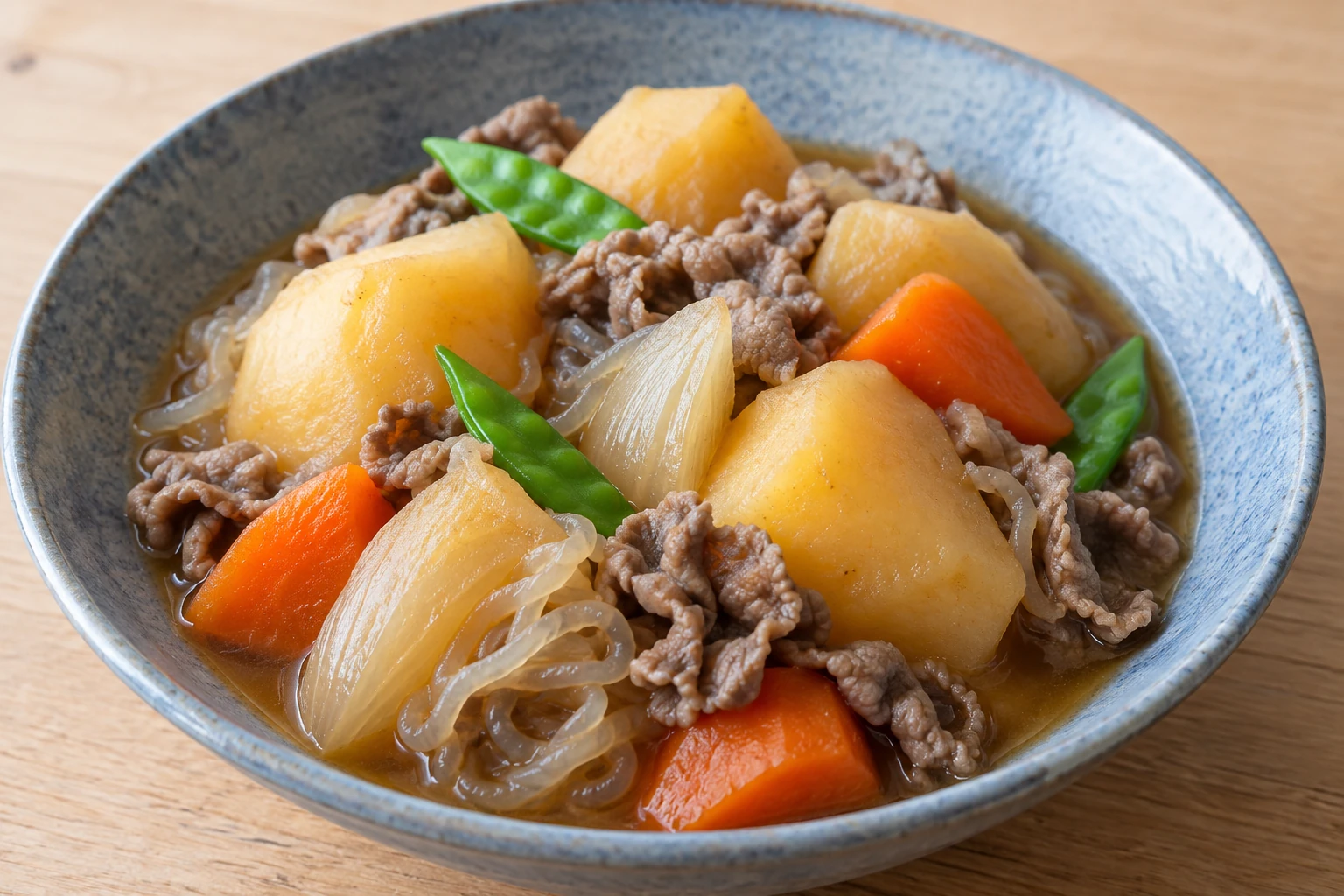
JapanMeat & potato simmer
Nikujaga: Keep the Potatoes in One Piece
A gentle simmer, thin beef and a lid resting on the food help nikujaga’s potatoes stay intact. Learn the technique and make a complete four-serving home adaptation.
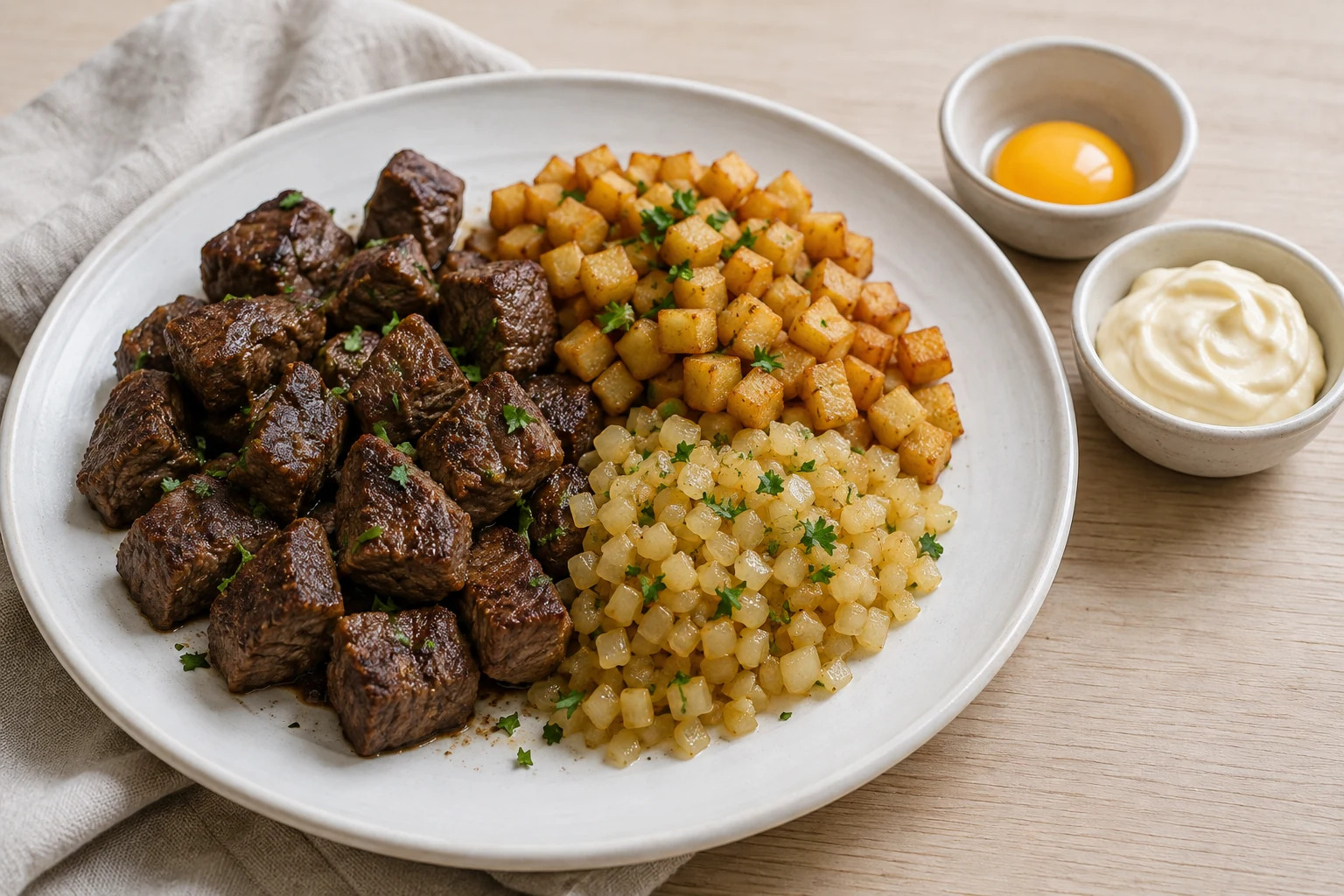
SwedenBeef and potatoes
Biff Rydberg: A Swedish Lesson in Timing
Crisp potatoes, soft onions and browned beef need different treatment. Learn the timing behind Sweden’s Biff Rydberg, compare two mustard creams and cook a home adaptation.