
Bubur Pulut Hitam: A Dark Bowl, a White Finish
Bubur pulut hitam
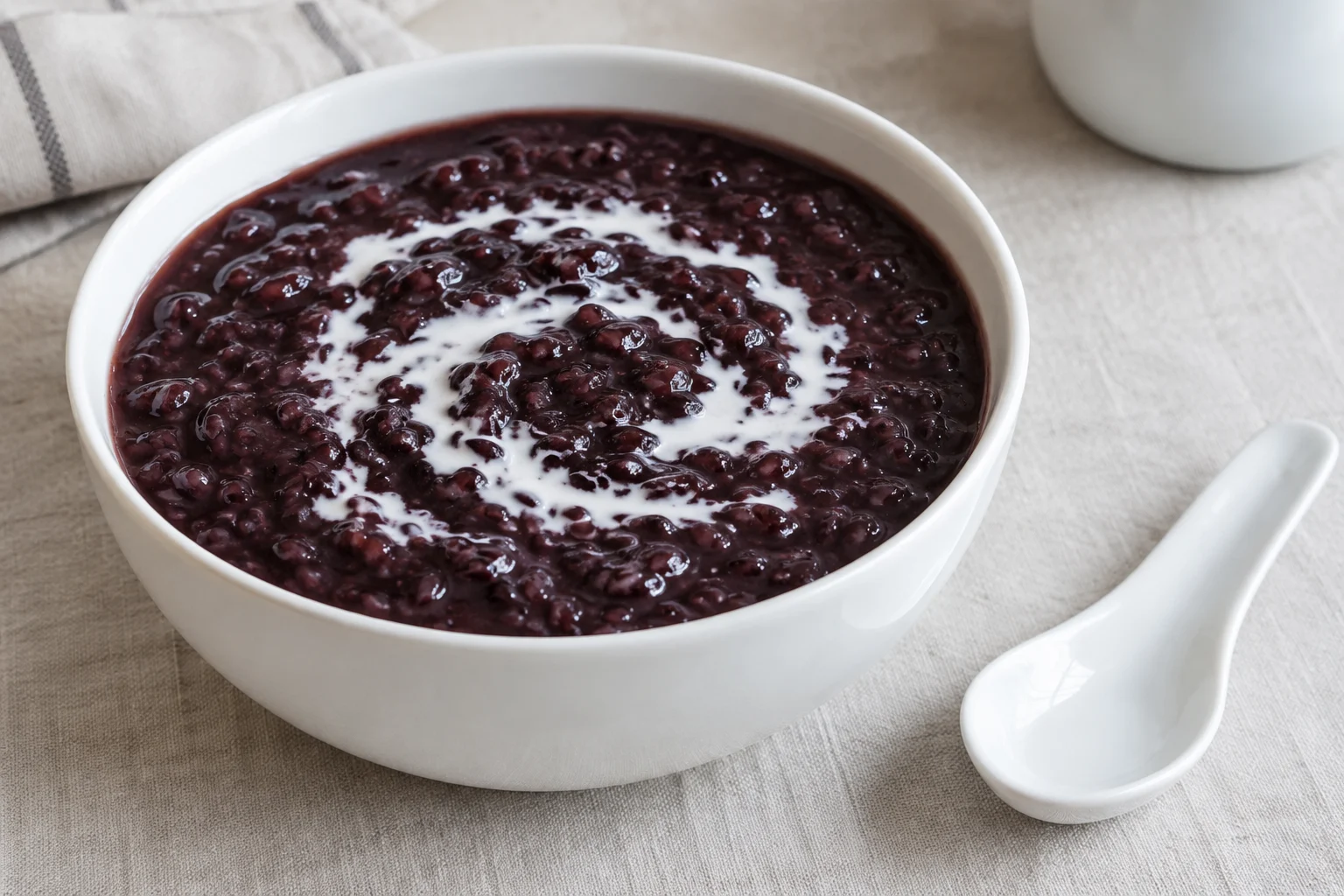
The rice needs time to soften. The coconut can wait until the bowl is served. That separation keeps the texture and the finishing choice easy to read.
A dessert with a morning memory
The bowl can belong to more than one hour
For the author of Bake with Paws, cooking bubur pulut hitam recalls a grandmother who prepared it over a charcoal stove overnight, then squeezed coconut milk in the morning. The family ate it before leaving for school. The writer identifies the Penang name as Bee Koh Moy. It is a specific, affectionate breakfast memory, rather than a claim that every Malaysian household serves the dessert on that schedule.
A different family account on Baba Nyonya Peranakans places the bowl beside afternoon card games and describes a mother enjoying a refrigerated portion at night. Those recollections give the dish ordinary domestic settings: a pot made ahead, a small bowl brought out, a final addition of coconut. The useful cooking relationship is visible in both the ingredient and the service. The rice base takes time; the coconut need not spend that whole time in the pot.
Choose the rice by name as well as color
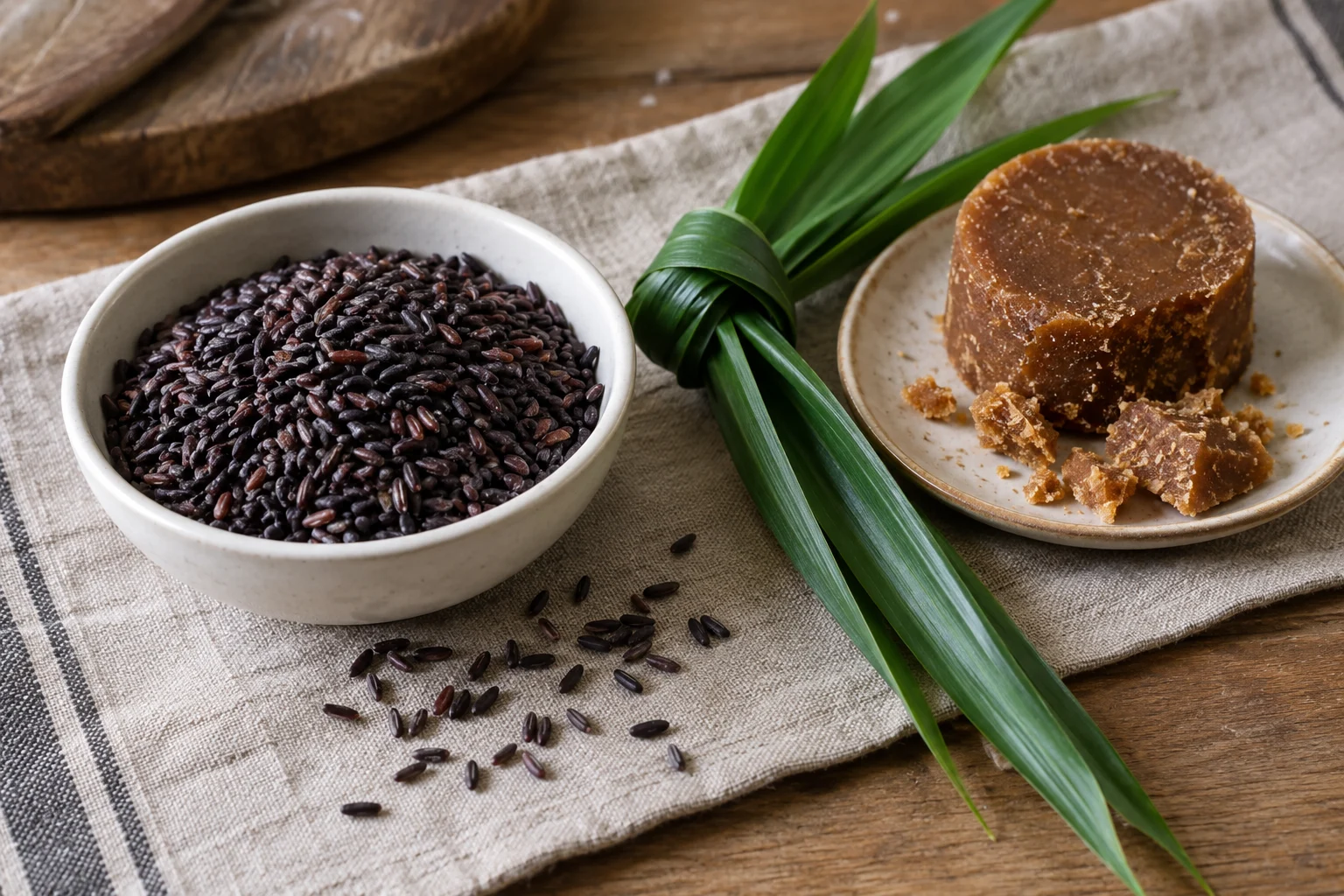
Grace’s Nyonya Cooking recipe specifies black glutinous rice and distinguishes it from rice sold as forbidden rice. For shopping, look for black glutinous or black sticky rice on the packet, rather than assuming every dark grain will produce the same dessert. The recipe describes a purplish-black result, with the consistency of rice porridge.
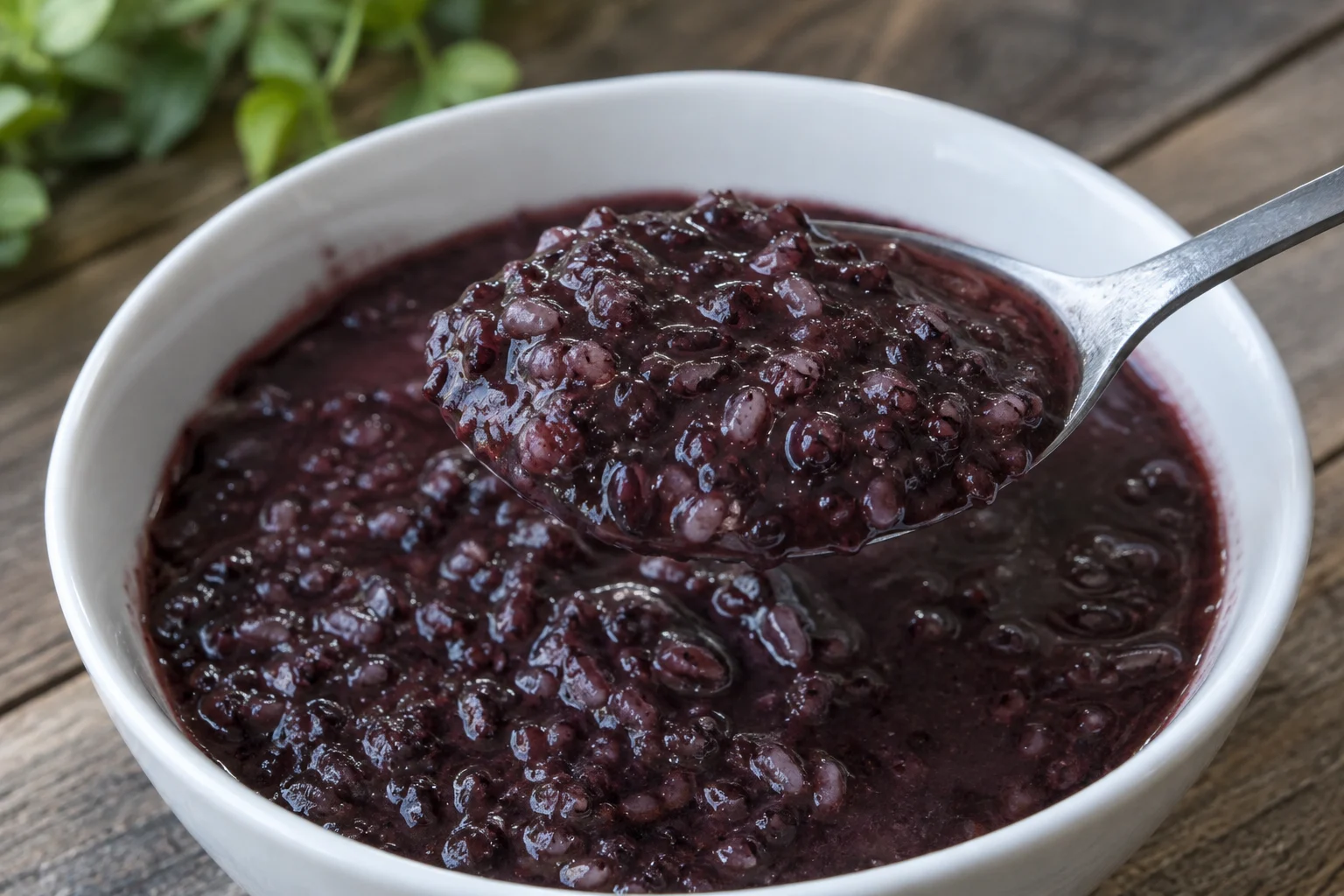
The finished base should be spoonable and carry softened grains. Coconut creates a visible white contrast, but it is not a substitute for getting those grains tender. Taste the rice before thinking about how attractive the final swirl will look. If its outer layer still feels hard, the cooking job remains unfinished.
Soaking and equipment change the schedule
Follow one complete method rather than borrowing a time from a different starting point.
Soaked rice on the stove
Bake with Paws rinses the rice and soaks it for several hours or overnight before a covered medium-to-low simmer. The method calls for stirring and checking the water level until the grains are soft. Grace’s stovetop preparation also begins with soaked rice and pandan, with sweetness added later.
A longer slow-cooker method
Sara Khong’s New Malaysian Kitchen recipe puts rinsed rice, pandan and water into a slow cooker on high for six hours. Sugar joins after that cooking stage. She offers a larger water amount for a lighter consistency. That is her appliance-based method, not a six-hour instruction to attach to every pot of soaked rice.
Make the final decisions in order
- 01
Check the rice first
The Baba Nyonya Peranakans recipe continues cooking until the grain’s outer layer is soft enough. Bake with Paws likewise adds sugar after the rice softens. A thick liquid alone does not answer the texture question; taste a few grains as well.
- 02
Choose sweetness within the recipe
Grace combines palm sugar and rock sugar. Bake with Paws uses brown sugar, while Khong uses gula melaka and explains her own preference for the lower end of her sugar range. These are published choices. There is no need to add every form of sugar to reproduce the dish name.
- 03
Handle the coconut separately
The Baba Nyonya method briefly simmers coconut cream with a pinch of salt, turns off the heat and lets it cool before serving. Khong offers coconut milk as an optional richer finish. Keeping that component separate lets the cook control each bowl’s final amount.
Let the coconut arrive in the spoon
Nyonya Cooking offers the dessert warm or chilled and serves coconut milk on the side. That arrangement makes the final proportion a diner’s choice. A small amount leaves more of the dark rice base visible; a larger addition changes both the appearance and the richness of the spoonful.
If you prefer a lighter base, use the liquid adjustment given by the recipe you chose. Khong and Bake with Paws both discuss adding water for consistency. Stir it through before judging the result, then check seasoning again. A good-looking dark bowl still asks the same practical question as any porridge: do the liquid and the softened grain feel right together? The coconut is the finish to that answer.
Research notes
Cooks and methods read
Five independent recipe pages were opened and read. Family memories remain attributed to their writers. The images are generated illustrations; this method comparison does not claim kitchen testing.
- Bake with Paws — Bubur pulut hitam Penang breakfast memory, soaking, water checks and sugar after softening.
- Baba Nyonya Peranakans — Bubur pulut hitam The writer’s family account, soft outer-grain cue and separately simmered salted coconut cream.
- Grace / Nyonya Cooking — Pulut hitam Ingredient identity, soaked stovetop preparation, sugar choices and coconut served separately.
- Sara Khong / New Malaysian Kitchen — Slow-cooker pulut hitam The author’s six-hour high-setting method and choices in water, sugar and coconut milk.
- Ajinomoto Malaysia — Bubur pulut hitam A specific red-bean and dried-longan variation with a separate coconut mixture.
Keep exploring
More stories for your table
Indonesian cuisine Coconut-milk dessert
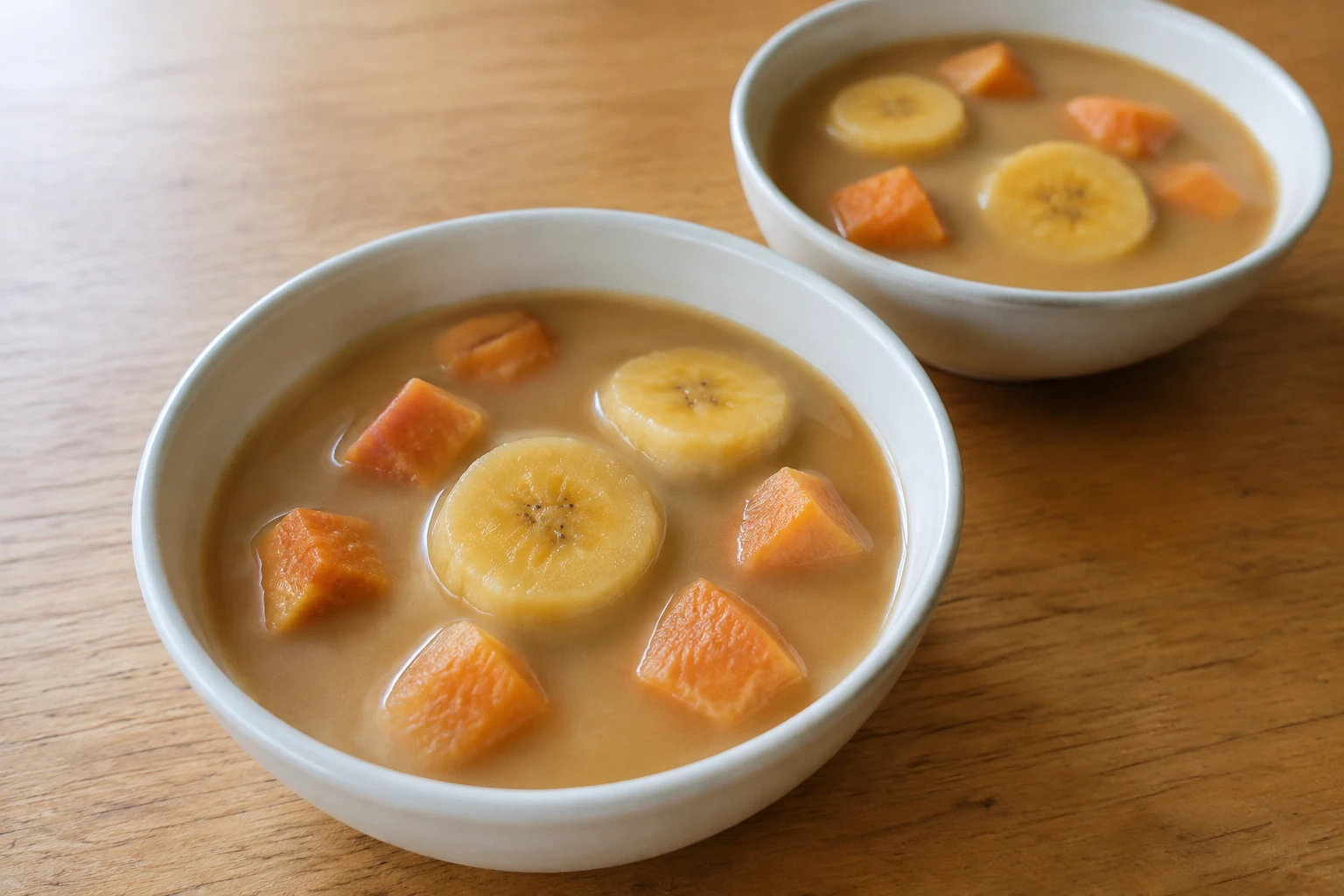
Kolak Pisang Ubi: A Sweet Bowl, Cooked in Stages
Make Indonesian kolak with banana, sweet potato, palm sugar and coconut milk. Learn its Ramadan context and a gentle cooking sequence that keeps each piece intact.
Malaysian cuisine Beef-bone soup
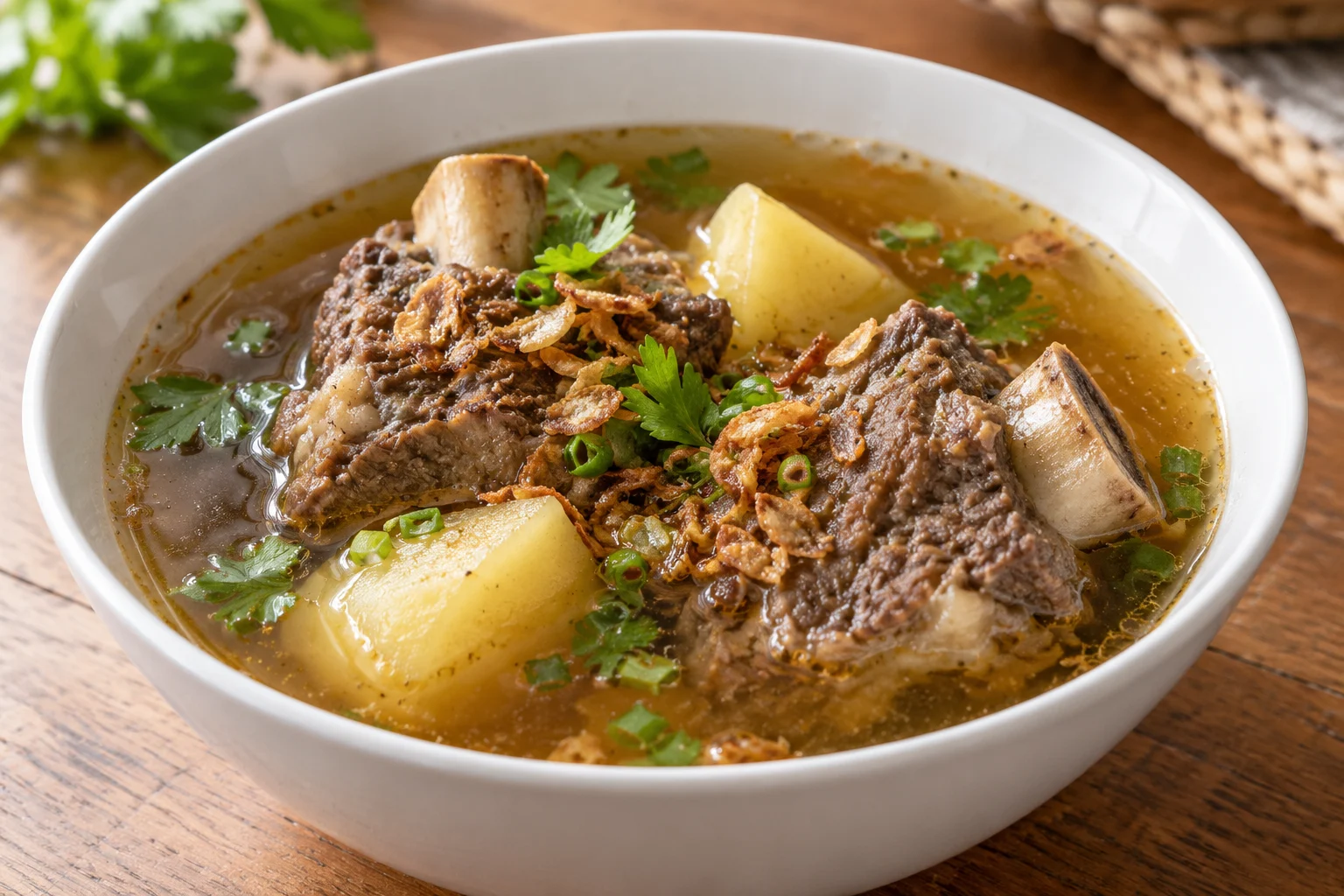
Sup Tulang: The Broth and the Last Spoonful
Compare Malaysian sup tulang preparations through aromatic bases, tender bone-in beef and the final seasonings that make each bowl distinctive.
Turkish cuisine Rice pudding
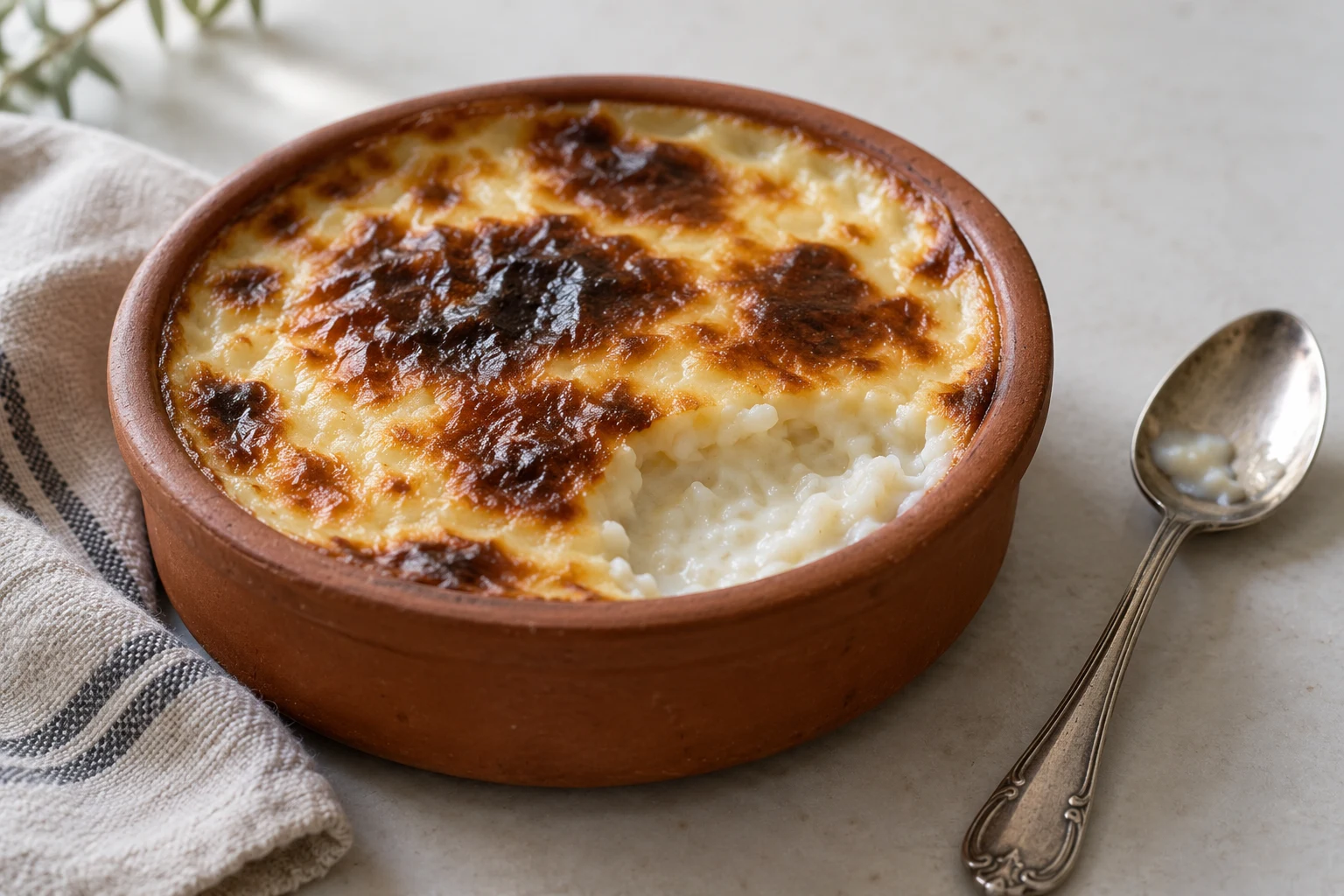
Sütlaç: Soft Rice, Milk and a Browned Finish
Sütlaç can be a plain chilled rice pudding or fırın sütlaç with a browned oven finish. Understand the tender grains, different thickening methods and the pudding-shop setting.