
Laab moo: choose the pork texture before finishing
Laab moo
A guide to Lao pork laap that compares minced and cooked-then-chopped pork, explains toasted rice powder, and keeps herbs and seasoning tied to each method.
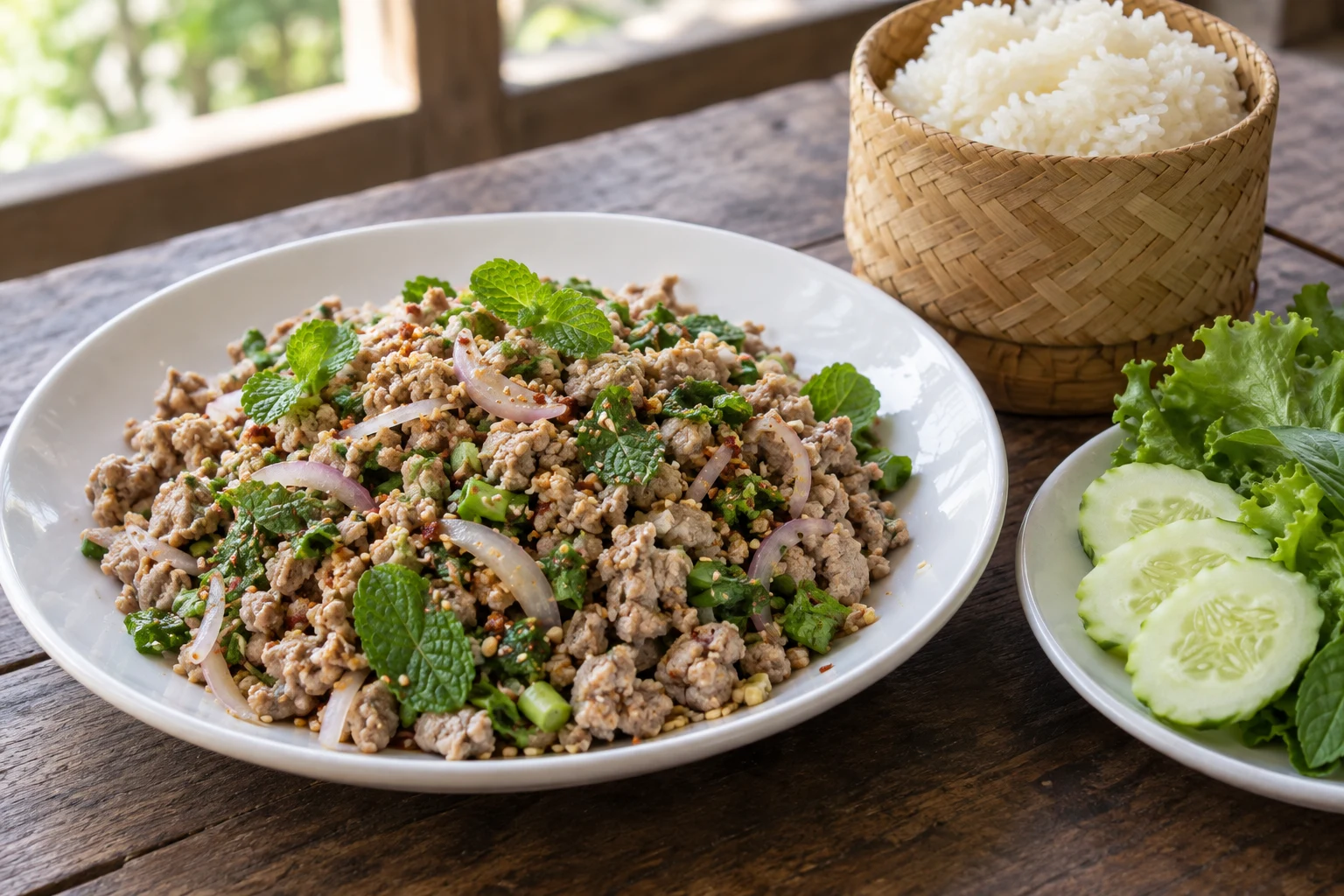
Choose the meat preparation first
Laab moo is a Lao pork salad with more than one way to prepare its main ingredient. Laos' tourism food guide describes a minced-pork version with herbs, fermented fish sauce and toasted rice powder. Lao chef Saeng Douangdara chooses another texture in his recipe: cooked pork that he then slices and roughly chops.
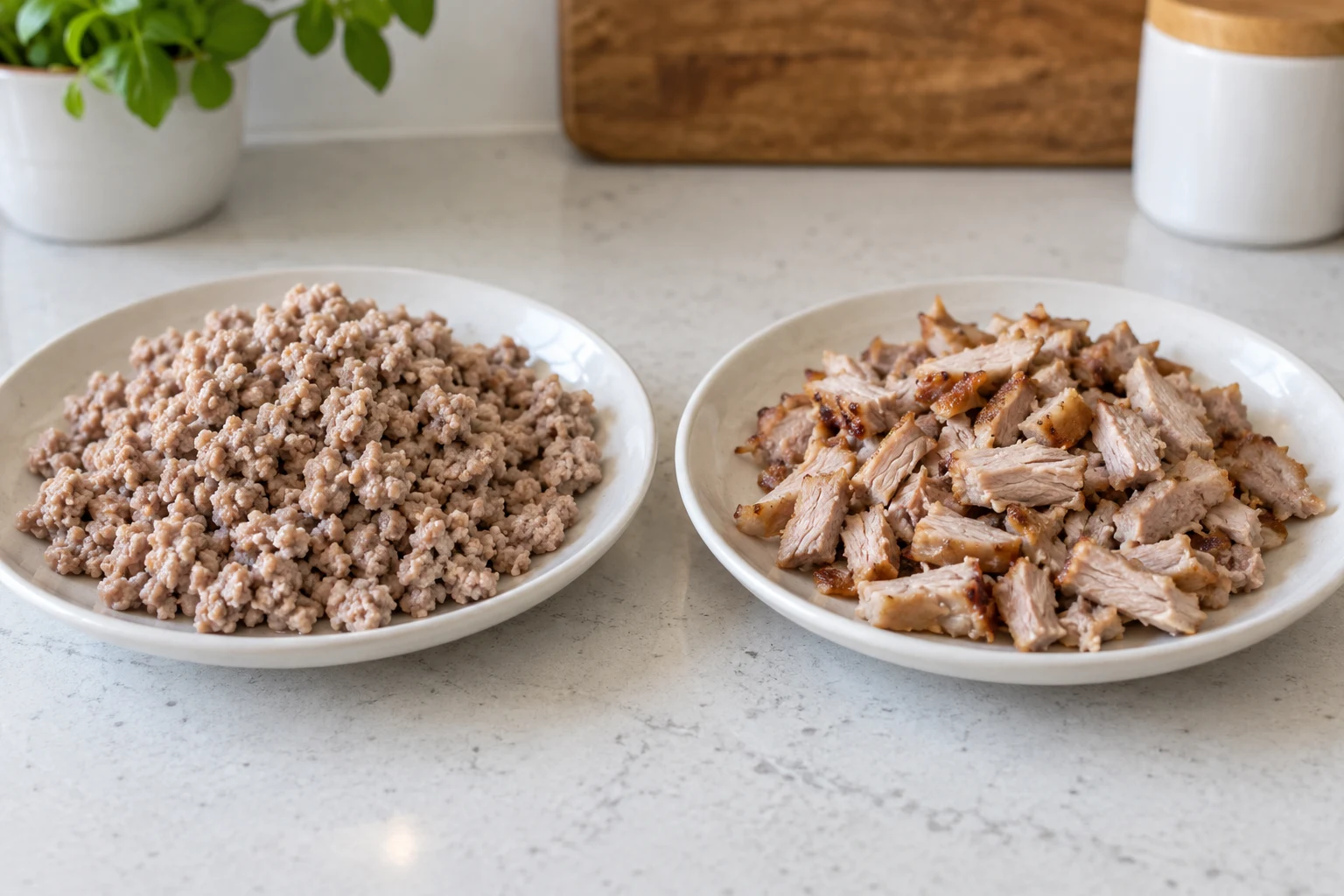
That decision comes before the final mixing. Fine minced pork and pieces chopped after roasting can carry similar seasoning, yet feel different in the mouth. Choose a complete method for the texture you want, then follow its finishing instructions instead of assuming that every pork laap begins with a packet of ground meat.
Two cooked pork approaches
Start with minced pork
The Lao tourism guide cooks minced pork with finely prepared galangal and a small amount of water or broth. It allows the meat to cool slightly before seasoning, then folds in the fresh herbs.
Cook, then chop
Douangdara cooks larger pork pieces before slicing and roughly chopping them. His recipe also includes separately prepared crispy pork skin. The distinct meat and skin textures are deliberate choices within that complete method.
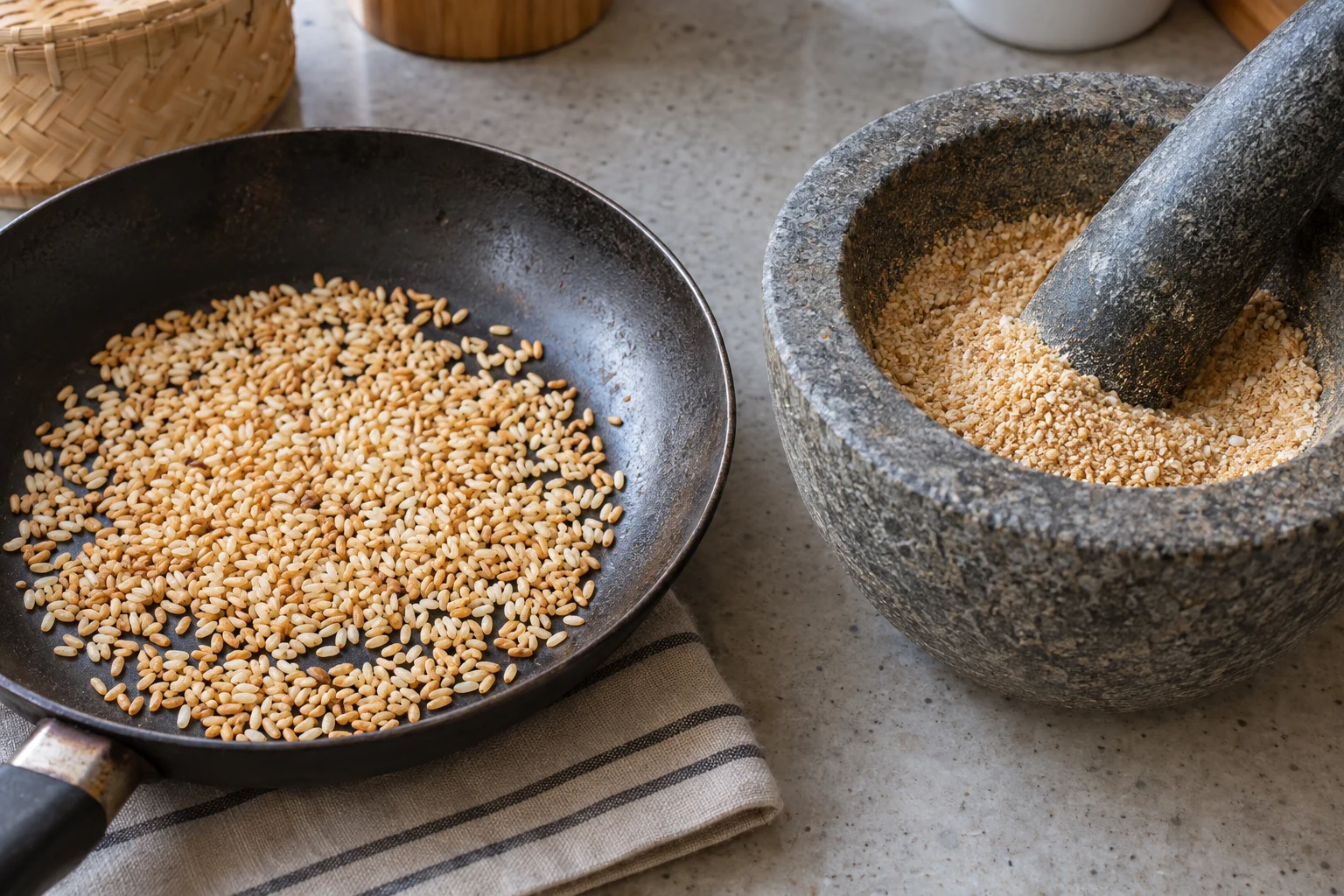
Toasted rice is a separate preparation
Sarah Leung's home version at The Woks of Life toasts uncooked rice in a dry pan until golden and fragrant, then grinds it coarsely in a mortar. Those dry grains become a seasoning with their own texture. They are prepared separately from the steamed sticky rice served alongside the salad.
Toast and grind the dry grains before adding the powder according to the selected recipe. This preparation has a different texture and purpose from a spoonful of cooked rice.
Keep the herb mixture with its method
The tourism guide seasons its cooked pork with padaek, fish sauce, chili, rice powder and lime before adding shallots, green onions, culantro and mint. That last mixing stage keeps the fresh ingredients distinct from cooking the meat. Its ingredient list specifies cooked padaek.
Douangdara's recipe has a different set of aromatic details, including galangal and finely prepared makrut lime leaves. It finishes with green onions, cilantro and Vietnamese coriander. Read those herbs as his particular combination. They explain what the chosen version tastes of, without establishing one mandatory herb list for every Lao family.
The sauces also matter when planning the meal: these methods include fish-based seasoning as well as pork. Check the ingredients of a prepared seasoning blend if using one, and keep its directions with the recipe it supports.
Arrange the rest of the meal
- Sticky rice
- A customary companion
- Fresh vegetables
- A separate crisp element
The Lao tourism guide places sticky rice alongside laap and other dishes in a Lao meal.
The same guide serves pork laap with vegetables such as cabbage and lettuce.
A serving suggestion can be a personal choice
Leung serves her home version with coconut rice and toasted coconut, explicitly acknowledging that choice as her own. It is an example of an author adapting a meal to personal taste, rather than evidence that coconut belongs in the pork salad or replaces its toasted rice powder.
Keep those distinctions when selecting a recipe: decide how the pork is cooked and cut, prepare the rice powder, then follow the seasonings and herbs that belong to that method. The most useful comparison is between complete versions whose choices you can understand.
Research notes
Sources
The Lao chef and local tourism guide establish the pork laap methods; a clearly identified home version supplies additional practical comparison. Current official guidance supports the pork temperatures.
- Saeng Douangdara: Laab Moo Lao A Lao chef's cooked-then-chopped pork method, herbs and textures.
- Tourism Laos: Food & Flavours Local minced-pork laap preparation, cooked padaek, herbs and meal context.
- Sarah Leung: Pork Larb An original home version, dry rice-toasting method and personal serving choices.
- FoodSafety.gov: Safe Minimum Internal Temperatures Distinct guidance for ground pork and whole pork cuts, including rest time.
Keep exploring
More stories for your table
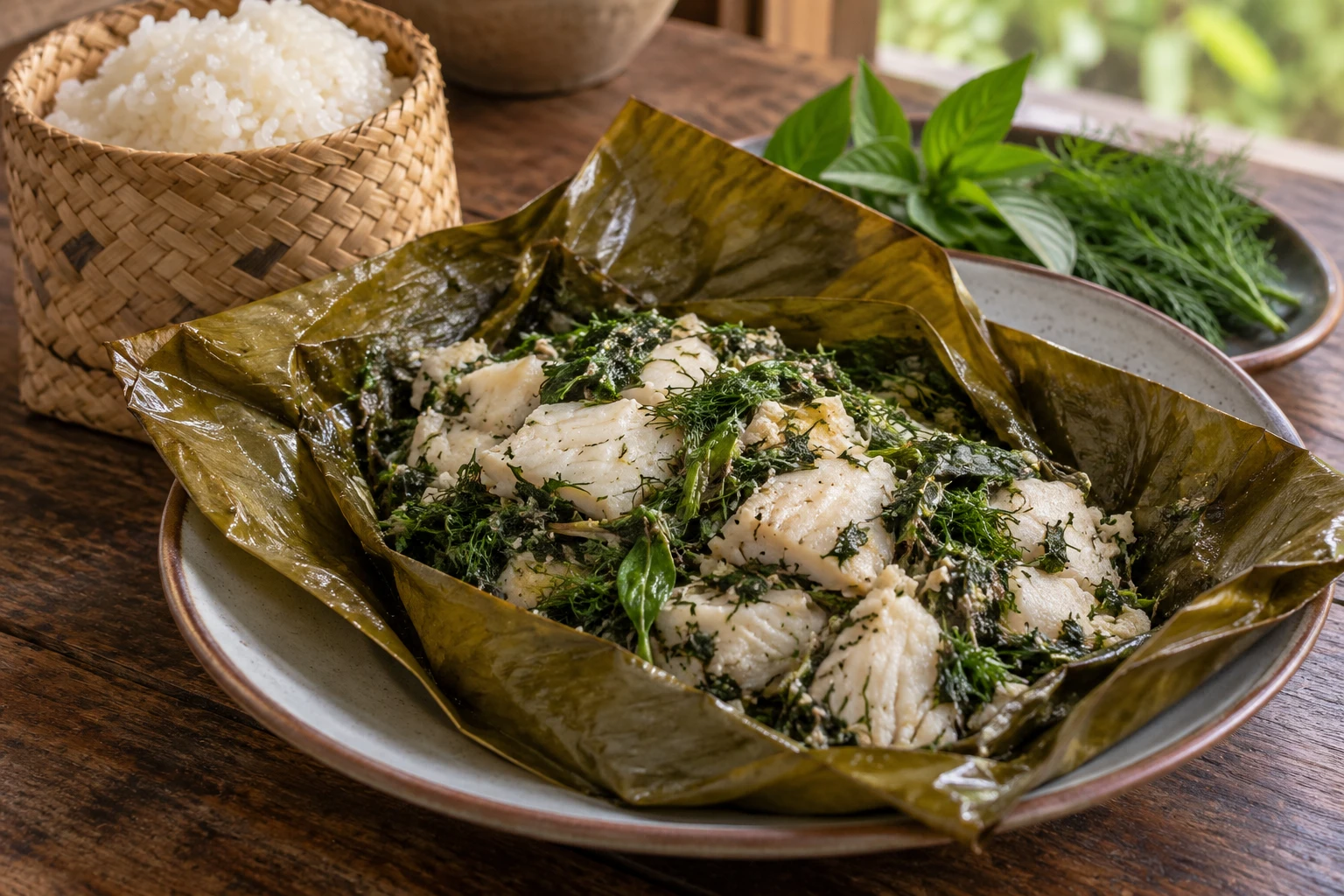
Laotian cuisine Fish
Mok Pa: Rice Inside the Leaf
Mok pa's banana leaf encloses fish, herbs and a rice binder. Compare the filling and wrapping choices before opening a Lao steamed-fish parcel.
Thai cuisine Noodles & Soups
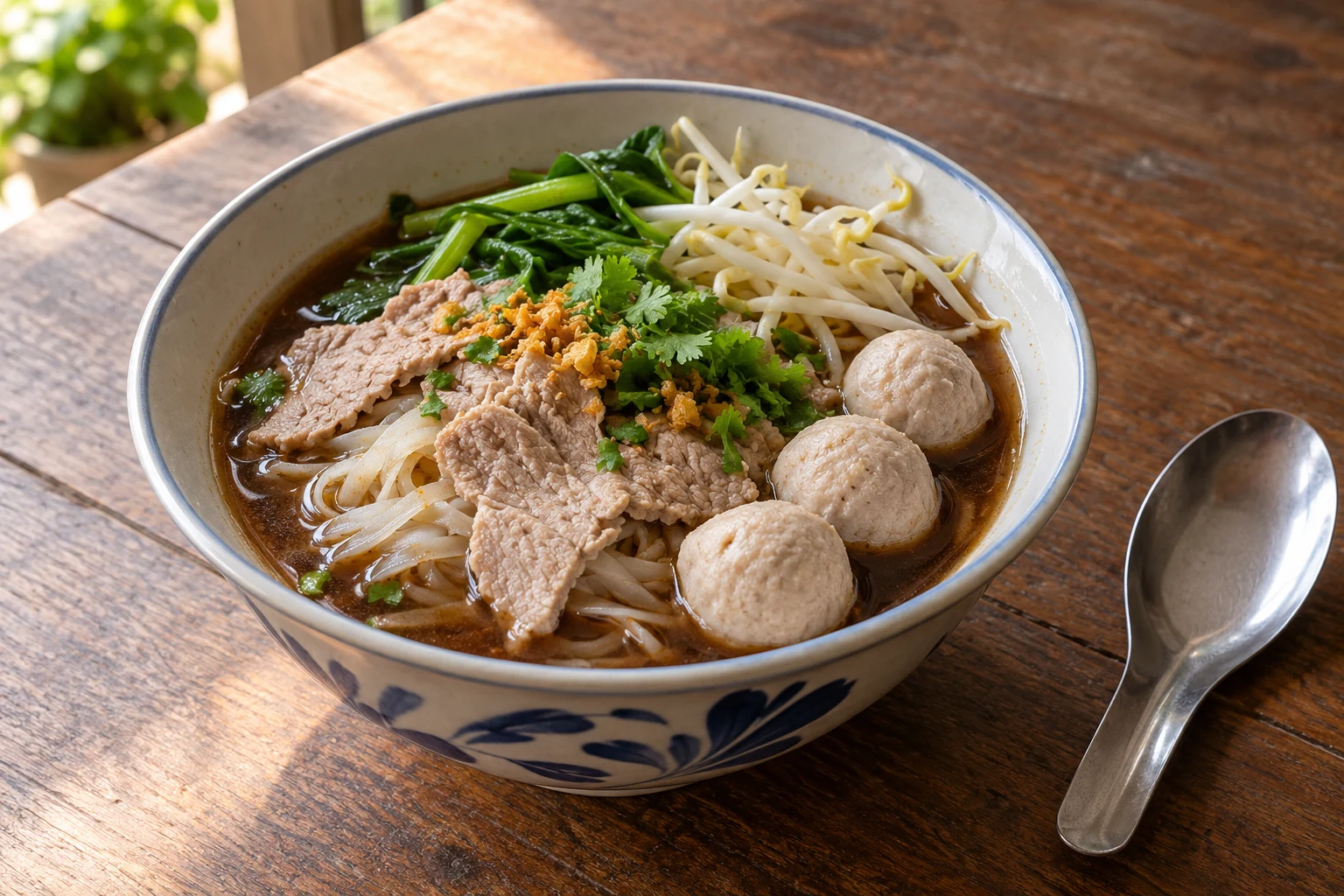
Pork Boat Noodles: Broth, Toppings, and the Final Bowl
Understand the aromatic brown broth, cooked pork, rice noodles, and finishing choices that make a Thai boat-noodle bowl feel complete.
Filipino cuisine Stews
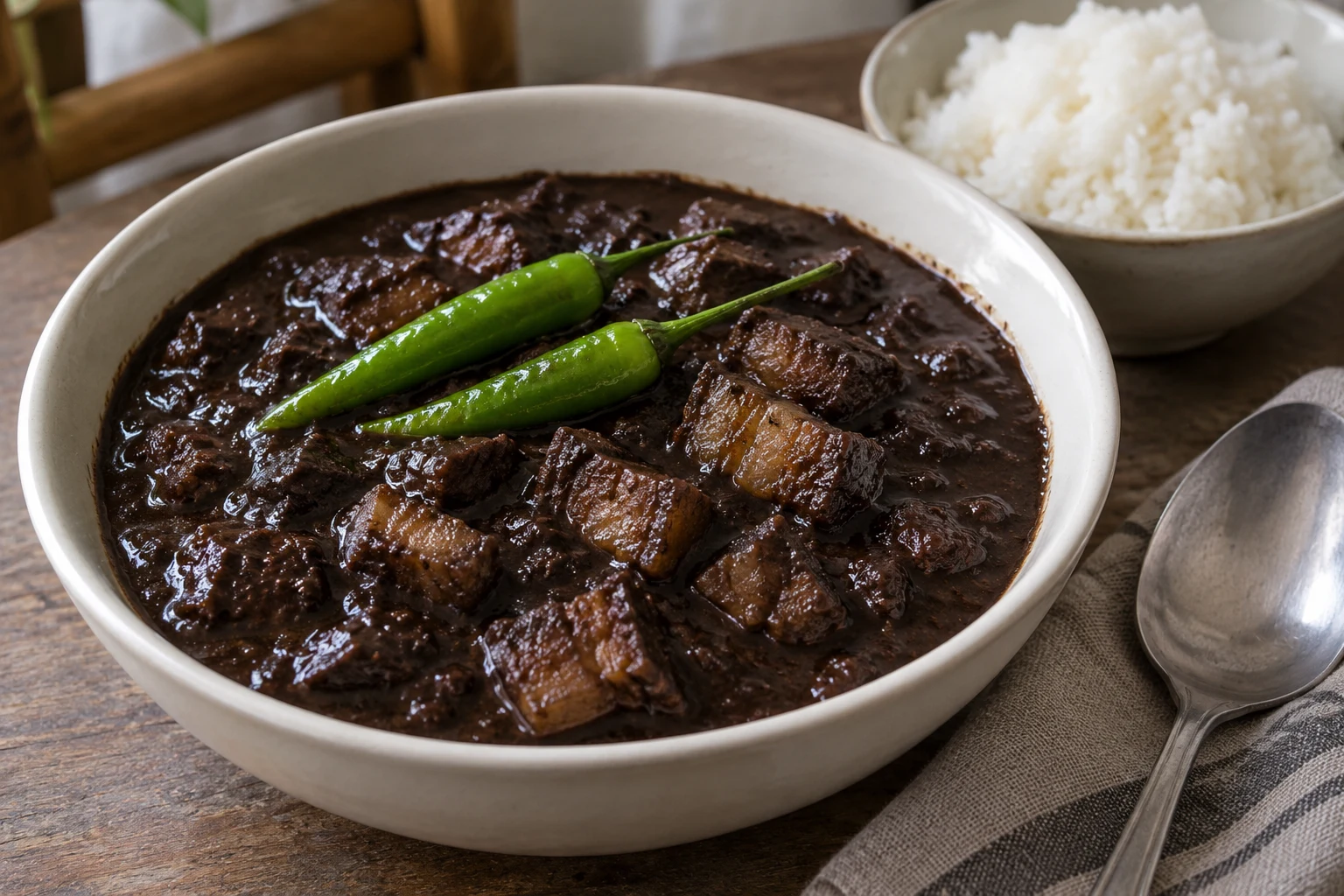
Dinuguan: Tender Pork in Dark, Tangy Gravy
Understand dinuguan’s dark pork-blood gravy, the differences between pork cuts and cooking sequences, and its pairing with rice or puto.