
Seolleongtang: The Broth and the Bowl Have Different Jobs
설렁탕
A pale bowl can look restrained after hours of cooking. The bones build the broth; salt, scallions, rice and kimchi help the diner finish the meal.
Broth notebook
Pale is the point
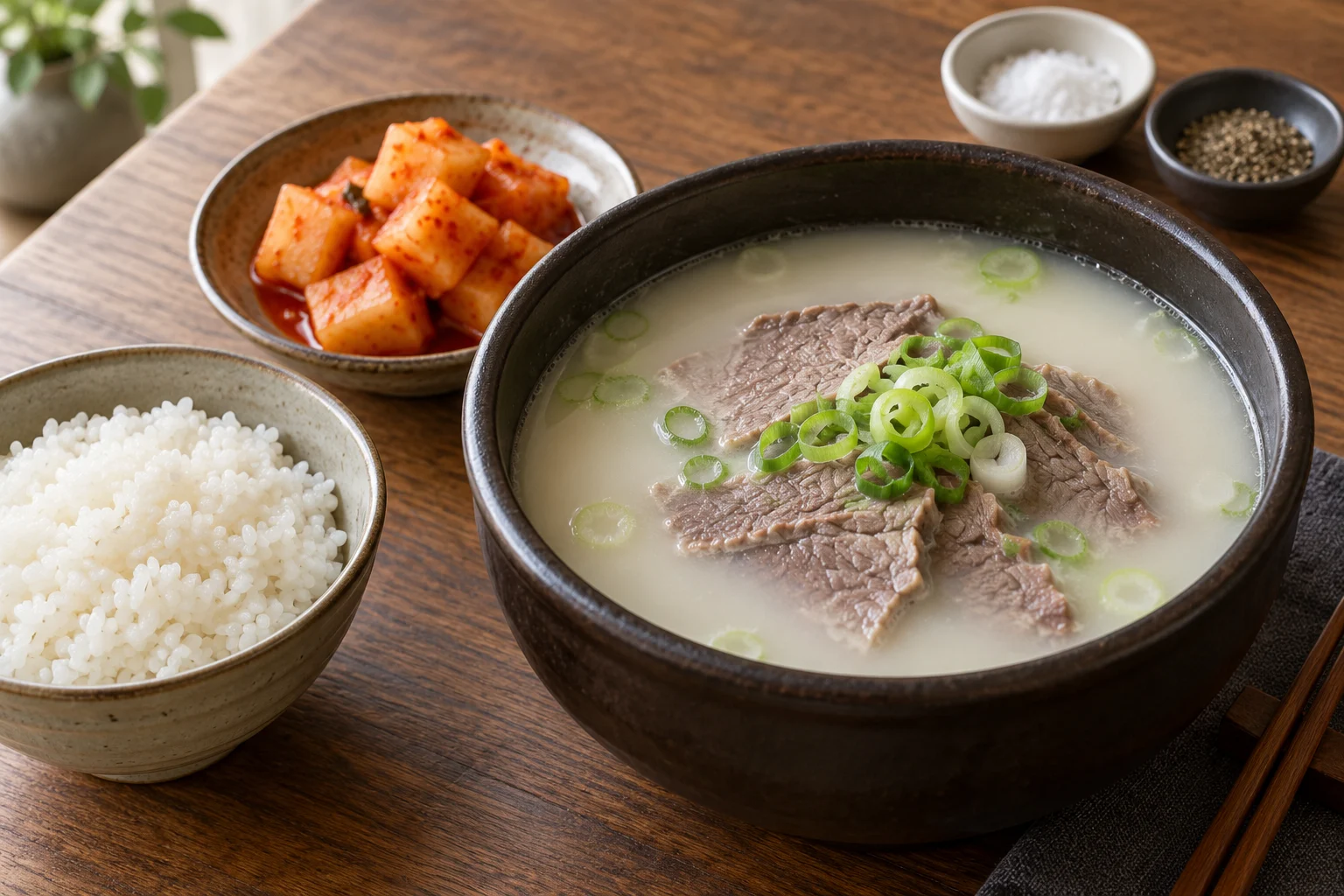
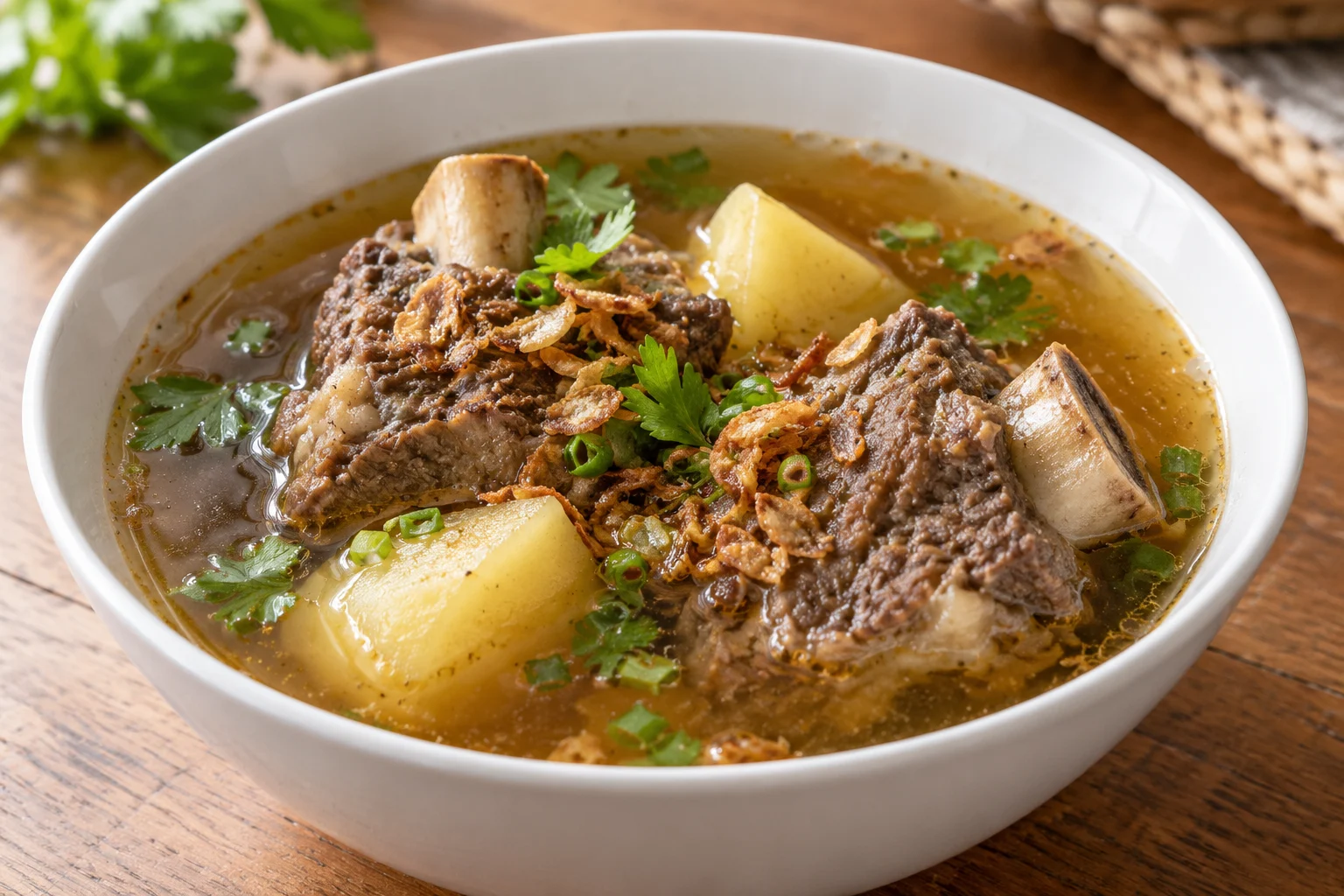
Seolleongtang is Korean beef-bone soup with an opaque, ivory-white broth. The color is developed through cooking the bones; these cooks’ recipes do not add milk or cream. A finished bowl may hold thin slices of beef and plenty of green onion, with rice and kimchi beside it. Its quiet appearance gives little indication of the work that preceded it.
The useful distinction is between making the broth and finishing the bowl. Korean Bapsang’s Hyosun seasons at the table, as does JinJoo Lee of Kimchimari. An initially mild spoonful is therefore a starting point for the diner, not automatically evidence that the pot needed a larger inventory of seasonings.
Read the bones and the first water
Hyosun uses beef marrow bones and may combine them with knuckles or ox foot. Lee likewise favors a mix of marrow and joint bones. Ask for bones cut for soup rather than treating a pack of boneless stewing beef as an interchangeable purchase: the long-cooked broth and the slices of meat have different roles.
The cooks also distinguish preparation water from collected broth. Maangchi’s family recipe boils the bones and beef briefly, discards that water, rinses them and cleans the pot before continuing with fresh water. That first discard is not the first finished batch. Confusing the two stages would erase a deliberate part of the preparation.
Watch the boil, not only the clock
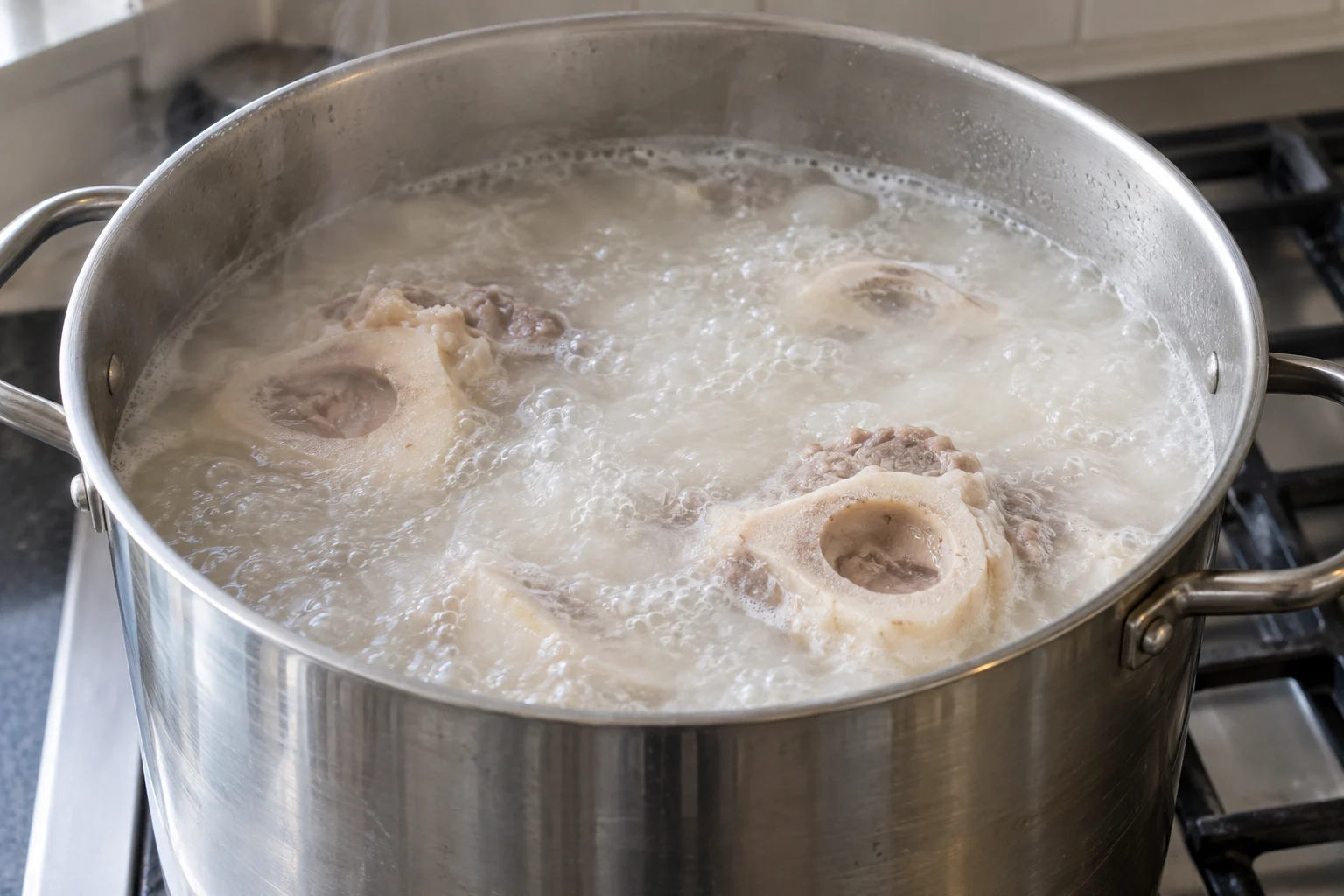
For the stovetop route, Hyosun explicitly contrasts the pale broth with a gently simmered clear stock. Her method maintains a medium boil, topping up the water as needed. Lee’s recipe makes the early phase particularly clear: boil vigorously with a controlled amount of water until the broth becomes milky, then move into a longer simmering phase.
Their schedules and water additions differ, so “boil for several hours” is an incomplete instruction on its own. Use the chosen recipe’s pot size, water sequence and heat level together. Check both the activity in the pot and whether the broth is becoming opaque; turning the heat down very early or adding a large volume prematurely may change the result of Lee’s method.
Several batches, one finished broth
Maangchi collects repeated boils from the same bones. Her first collected broth is browner, a later one is whiter, and the final one is pale but thinner. The batches are combined. That observation is a useful antidote to judging every intermediate pot as though it were already the finished serving.
Ford also reuses the bones with fresh water for additional batches. Choose that work because you want the resulting quantity, and plan space for it. The method is naturally suited to a batch of meals rather than a last-minute single bowl; pot capacity, refrigeration and containers are part of the cooking plan.
Give chilling its own place
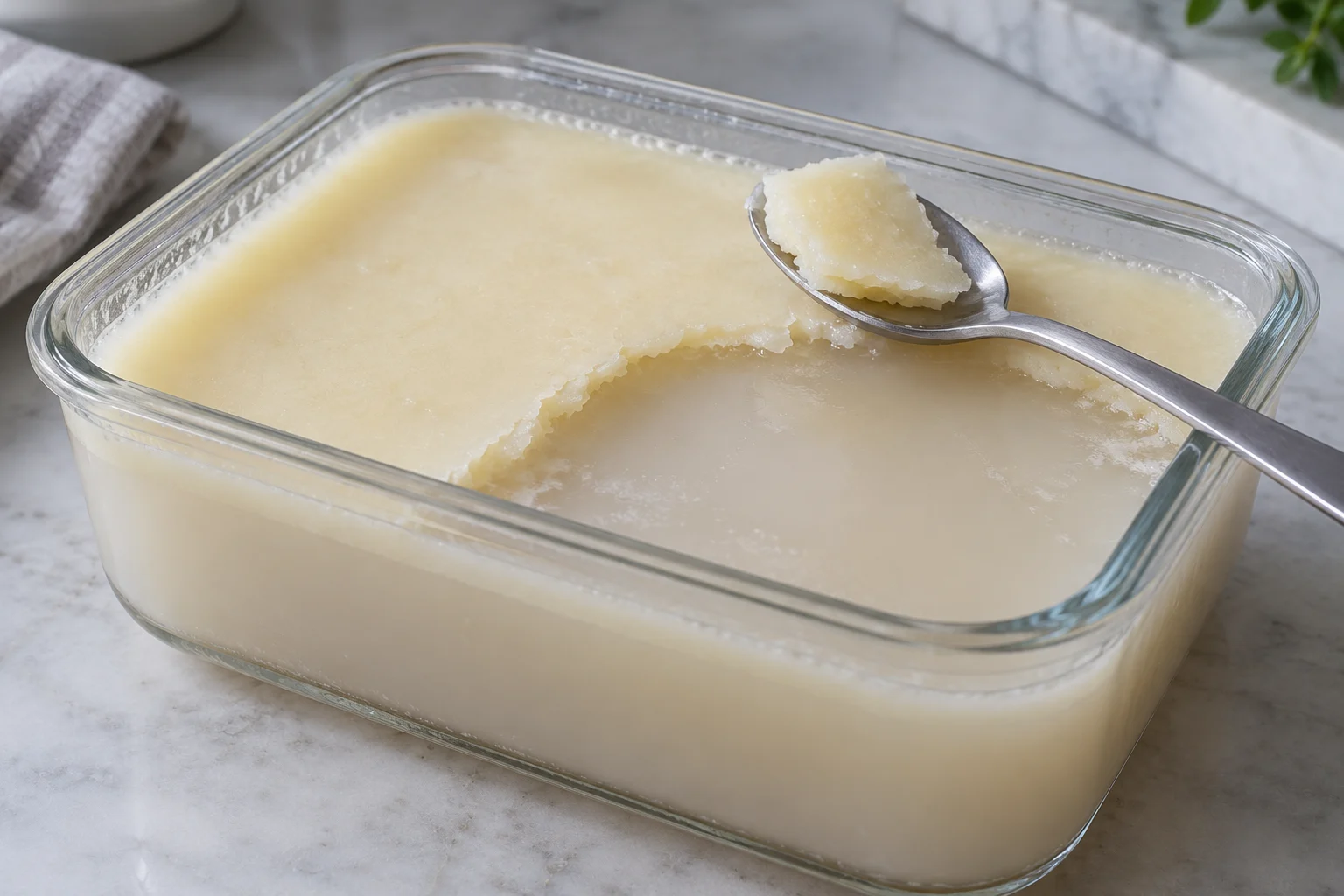
Maangchi refrigerates collected broth until surface fat solidifies, then removes it before reheating. Ford describes the same separation between making the soup and skimming the chilled fat. The pale liquid underneath and the removable surface layer are not the same checkpoint: completing one does not make the other unnecessary.
Plan prompt refrigeration rather than leaving a stockpot out overnight. FDA storage guidance limits perishable food at room temperature to two hours, or one hour above 90°F (32°C), and keeps the refrigerator at or below 40°F (4°C). A long cooking project still needs an orderly transition into cold storage.
Finish each bowl at the table
- Salt and pepper
- Taste, add, stir
- Green onion
- A fresh final layer
- Rice and kimchi
- Complete the meal
Start with the hot broth, add a little seasoning, stir and taste again before adding more.
Add chopped scallion or Korean daepa so its fresh character stays distinct from the long-cooked soup.
Lee favors radish kimchi such as kkakdugi; rice can be served alongside for each diner to add.
The final spoonful can hold broth, beef, a little rice and scallion; kimchi offers a separate crisp, seasoned bite. Keep those elements available while eating. After the patient work of the pot, the diner still has a small but meaningful part to play.
Research notes
Sources and methods
Four original cooks’ methods and FDA storage guidance were opened and read. This is a process and serving guide, not a new kitchen-tested recipe. All images are generated illustrations.
- Maangchi — ox-bone soup Family recipe documents the initial discard, repeated collected broths, refrigeration to remove fat and serving with rice and kimchi.
- Kimchimari — JinJoo Lee’s seolleongtang Original recipe explains mixed bones, vigorous early boiling, controlled water additions, a later simmer and table seasoning.
- Korean Bapsang — Hyosun’s ox-bone soup Original stovetop method specifies a medium boil for milky broth, mixed bones and seasoning at the table.
- Beyond Kimchee — Hyegyoung K. Ford’s pressure-cooker version Original recipe separates pressure cooking, natural release, open boiling, repeated batches and chilled-fat removal.
- FDA — storing food safely Government guidance supports prompt refrigeration, the room-temperature time limits and refrigerator temperature in the chilling section.
Keep exploring
More stories for your table
Korean cuisine Stuffed perilla leaves
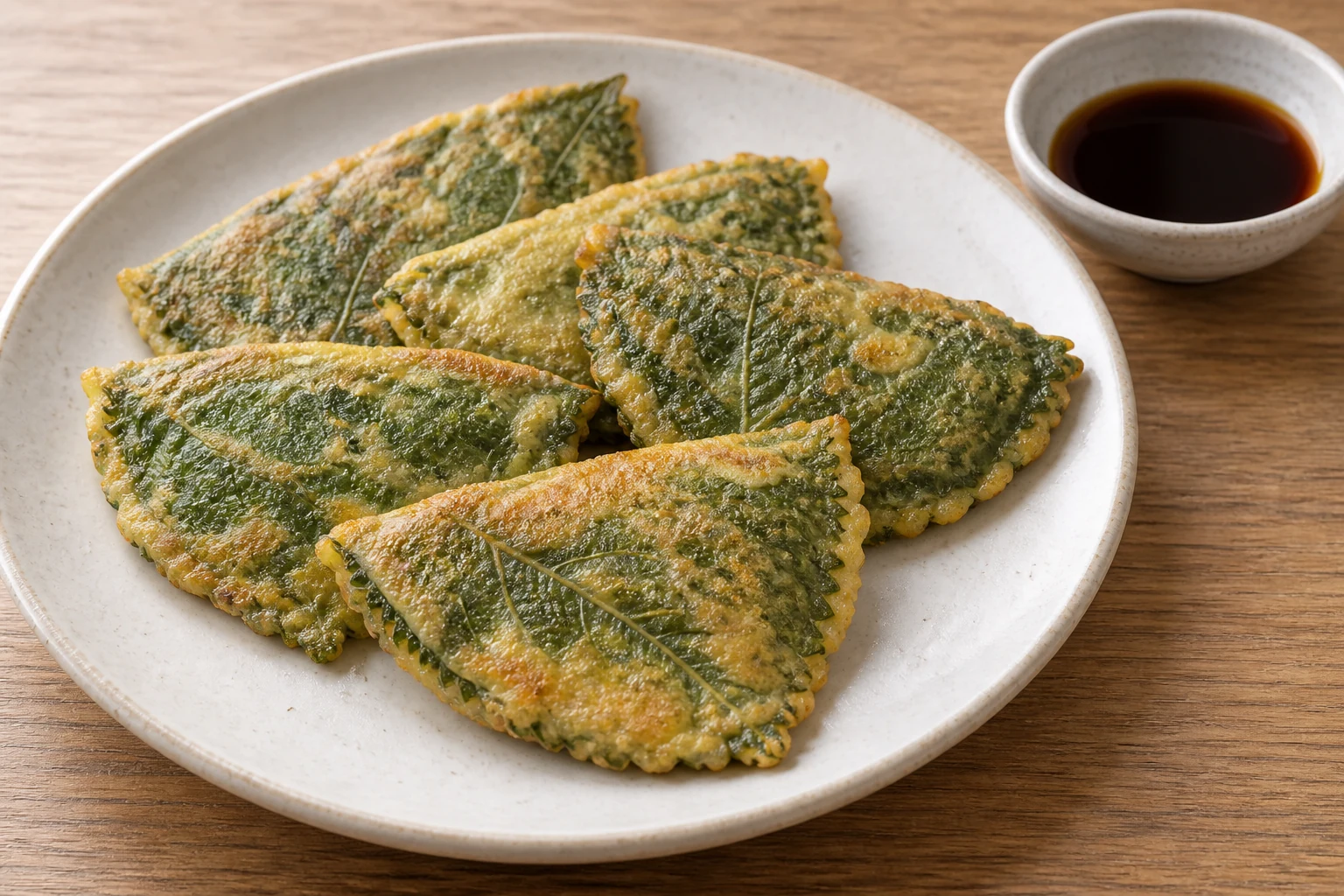
Kkaennip Jeon: Keep the Filling Thin
How thin filling, well-drained tofu and gentle pan heat work together in Korean perilla-leaf jeon, with a complete pork-and-tofu home adaptation.
Malaysian cuisine Beef-bone soup
Sup Tulang: The Broth and the Last Spoonful
Compare Malaysian sup tulang preparations through aromatic bases, tender bone-in beef and the final seasonings that make each bowl distinctive.

Mexican cuisine Corn soup
Pozole: Follow the Corn, Then the Broth
Explore the corn at the heart of Mexican pozole, the different methods behind white, red and green broths, and the seasonings that finish each bowl.