
Stew Peas with Pigtail: Set the Salt Before the Spinners
Stew peas with pigtail
The beans give this stew its body; the pigtail decides its seasoning. A separate desalting boil and a late batch of spinners keep both under control.
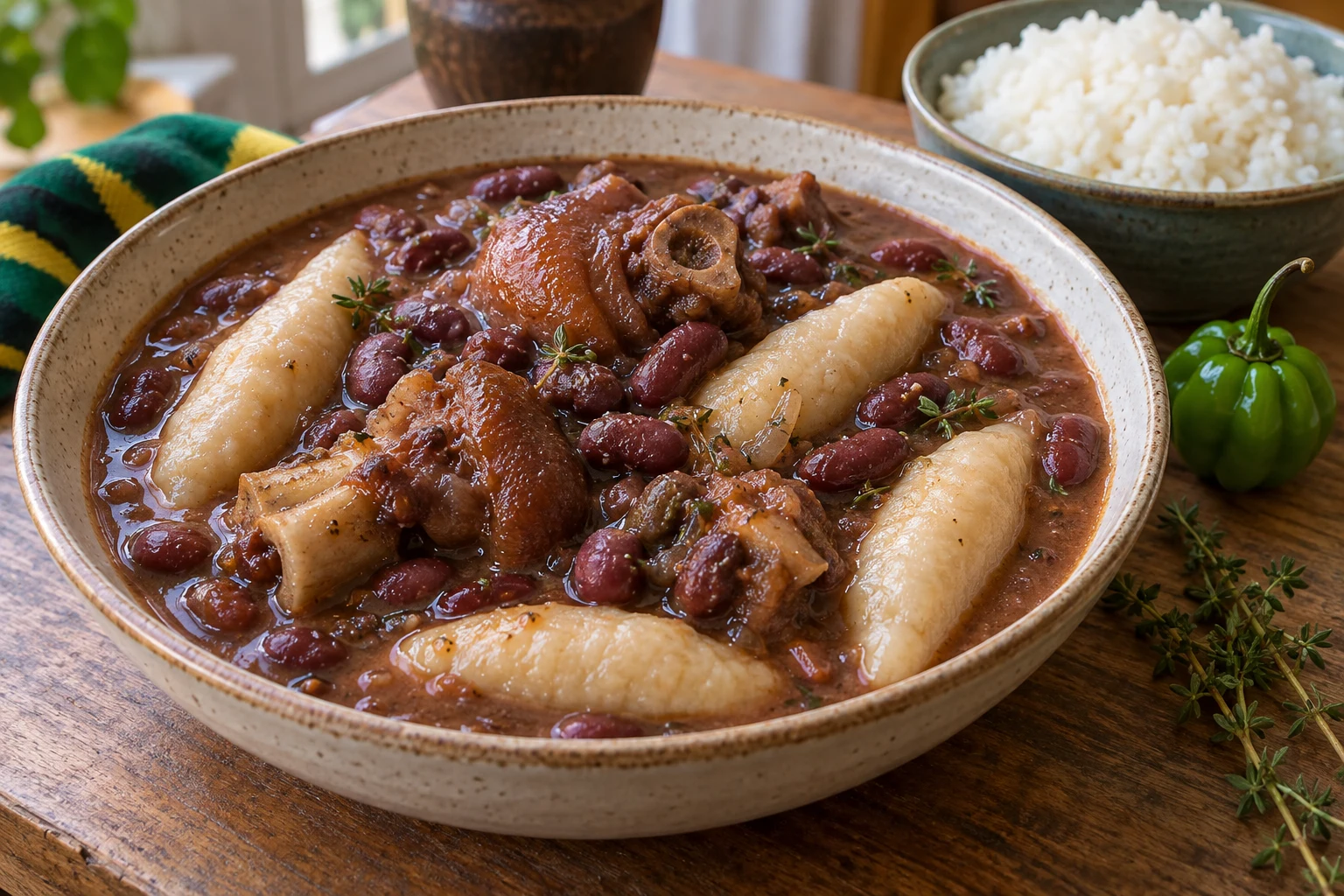
Why a pigtail stew is called stew peas
In this Jamaican dish, the peas are red kidney beans. Chef Nadine Dixon, who grew up in Jamaica and cooks at Milwaukee’s Mobay Cafe, describes a family stew of beans and salted pigtail served with white rice. The name points to the whole pot, rather than to a bowl of pork alone.
Pigtail brings more than meat: skin and connective tissue soften during a long simmer, giving the broth a glossy, substantial texture. Flour dumplings called spinners add another kind of bite. A spoonful can carry a bean, gravy and dough, while the bone-in pork needs slower attention.
The cooks agree on the dish, not every addition
A bean-and-pigtail center
Dixon’s version makes the salted tail and beans the main event. Chris De La Rosa includes coconut and spinners, while explaining where his personal additions differ from other versions.
Other meats and other thickeners
Chef Nykz adds beef and smoked turkey to his pot. Chef Samantha George pairs pigtail with beef and often leaves out the spinners, thickening with blended cooked beans instead. Neither extra meat nor dumplings are compulsory in every household.
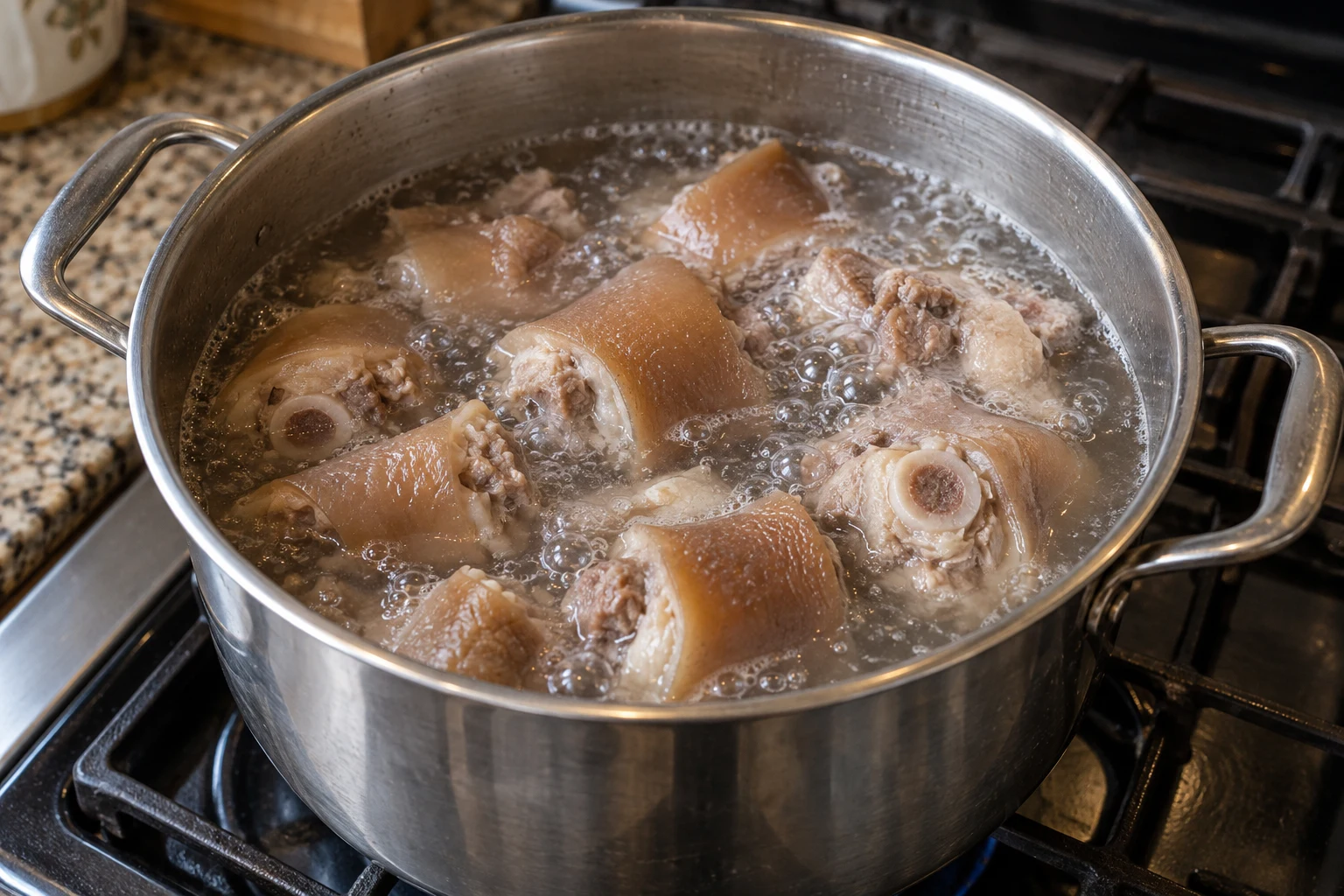
Give the salt an exit
Commercial salted pigtail varies in strength. Check its label and ask the butcher for manageable cross-cut pieces; cutting through the small bones is a job to have done at purchase. Keep the meat refrigerated before cooking.
George describes a separate boil with the salty water discarded, as well as a refrigerated soaking option. That separation is useful: once the curing salt is in your final gravy, boiling the gravy down concentrates it further. Start the main stew with fresh water and leave added salt until the end. Taste only cooked broth.
Desalting is a seasoning step, not a substitute for cooking the pork. A fixed timer also cannot promise tenderness. The skin should yield readily, and the meat should loosen around the bone; stubborn pieces need more gentle simmering and enough water to remain covered.
A home adaptation
Pigtail stew peas with canned kidney beans
This six-serving version keeps pigtail as the only meat and uses cooked canned beans. Allow about three hours of cooking, with extra time if the pork needs it. The timings are estimates; tenderness and fully cooked dumplings are the finishing checks.
Ingredients
For the pot
- 750 g commercial salted pigtail, butcher-cut into short bone-in pieces
- 2 × 400 g cans red kidney beans, drained and rinsed
- 400 ml unsweetened coconut milk
- 1.2 litres fresh water for the main stew, plus water for desalting and topping up
- 1 medium onion, chopped
- 3 garlic cloves, crushed
- 2 scallions, sliced
- 4 sprigs fresh thyme
- 6 whole allspice berries
- 1 whole Scotch bonnet pepper, optional
- black pepper, and salt only if the finished broth needs it
- plain cooked white rice, to serve
For the spinners
- 150 g plain wheat flour, plus a little for shaping
- about 80 ml water, added gradually
Method
- 1
Desalt separately
Cover the pigtail generously with water in a roomy pot. Bring to a boil and maintain a steady gentle boil for about 45 minutes. Carefully drain and discard this water. Follow any additional preparation directions on the product label.
- 2
Build fresh broth
Return the pigtail to the pot with 1.2 litres of fresh water, onion, garlic, scallions, thyme and allspice. Bring back to a boil, then simmer partly covered for about 90–120 minutes, or longer as needed. Add hot water to keep the pork covered. For pork, the safe minimum is 145°F/63°C with three minutes of rest; this stew then needs much longer cooking for tender skin and meat.
- 3
Make the dough while the pork softens
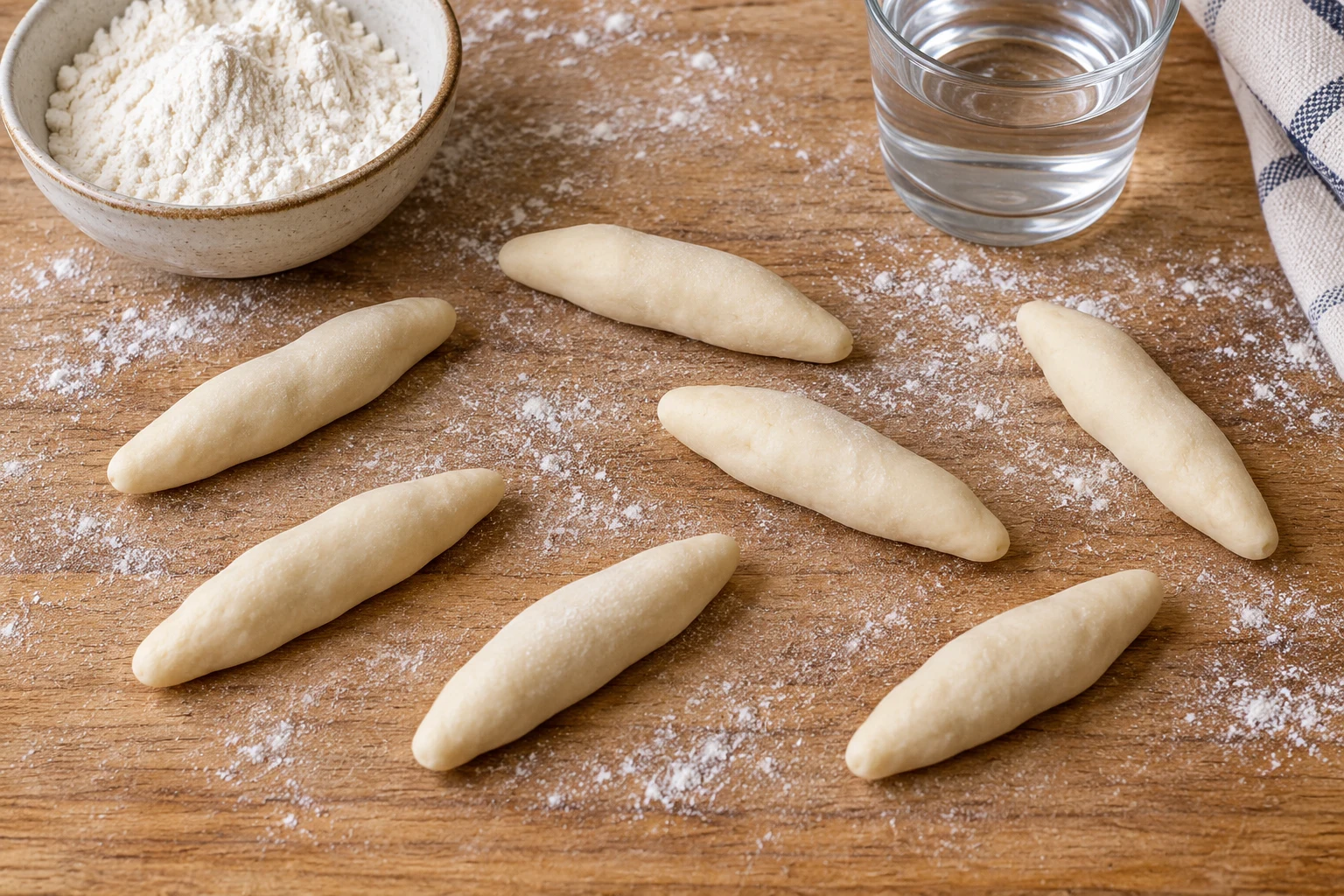
Add water gradually to the flour until a firm, smooth dough comes together; use slightly more or less water as needed. Knead briefly, rest covered for ten minutes, then divide into about 18 pieces. Roll each into a small tapered finger. Leave the dough unsalted because the meat already seasons the broth.
- 4
Finish beans and spinners together
Once the pork is tender, stir in the canned beans and coconut milk. Add the whole Scotch bonnet if using. Bring to a gentle simmer and add the spinners individually so they do not stick together. Cook for 20–25 minutes, stirring carefully, until a cut dumpling has no raw flour center. Add hot water if the gravy becomes too thick.
- 5
Adjust and serve
Remove the whole pepper, thyme stems and visible allspice berries. Taste the cooked broth before adding black pepper or any salt. If you want more body, mash a spoonful of the cooked beans against the pot and stir it back in. Serve hot with plain rice, warning diners that the pork contains small bones.
Keep the last simmer gentle
Spinners need liquid around them, so a stew already reduced to a paste is not ready for the dough. Loosen it first. Keep the Scotch bonnet whole for a more controlled addition, but remember that a split pepper can release far more heat; handle it carefully and remove it before serving.
Coconut milk rounds out the gravy without erasing excess salt. White rice is a useful companion precisely because it does not add another strongly seasoned sauce. Refrigerate leftovers in shallow containers within two hours, or within one hour above 90°F/32°C; reheat the stew to 165°F/74°C.
Research notes
Cooks behind the pot
Four firsthand recipe accounts establish the dish and its variations. The recipe above is an editorial home adaptation, with canned-bean handling and storage checked against government guidance.
- Nadine Dixon: stewed pigtail Mobay Cafe’s Jamaican-raised chef describes stew peas, salted tail and plain-rice service.
- Chris De La Rosa: Jamaican stew peas A firsthand pot with coconut and spinners, including a discussion of using canned beans and personal variations.
- Chef Nykz: stewed peas with pigtail The Jamaican chef’s mixed-meat version and flour-and-water dumplings.
- Chef Samantha George: stew peas Separate desalting, a beef variation and thickening with cooked beans instead of compulsory spinners.
- FDA: natural toxins in beans Why canned beans suit this method and dried kidney beans require separate soaking and boiling.
- FoodSafety.gov: cooking temperatures Pork’s minimum temperature and the 165°F/74°C target for reheating leftovers.
- FoodSafety.gov: four food-safety steps Prompt refrigeration, shallow cooling and shorter limits in high heat.
Keep exploring
More stories for your table
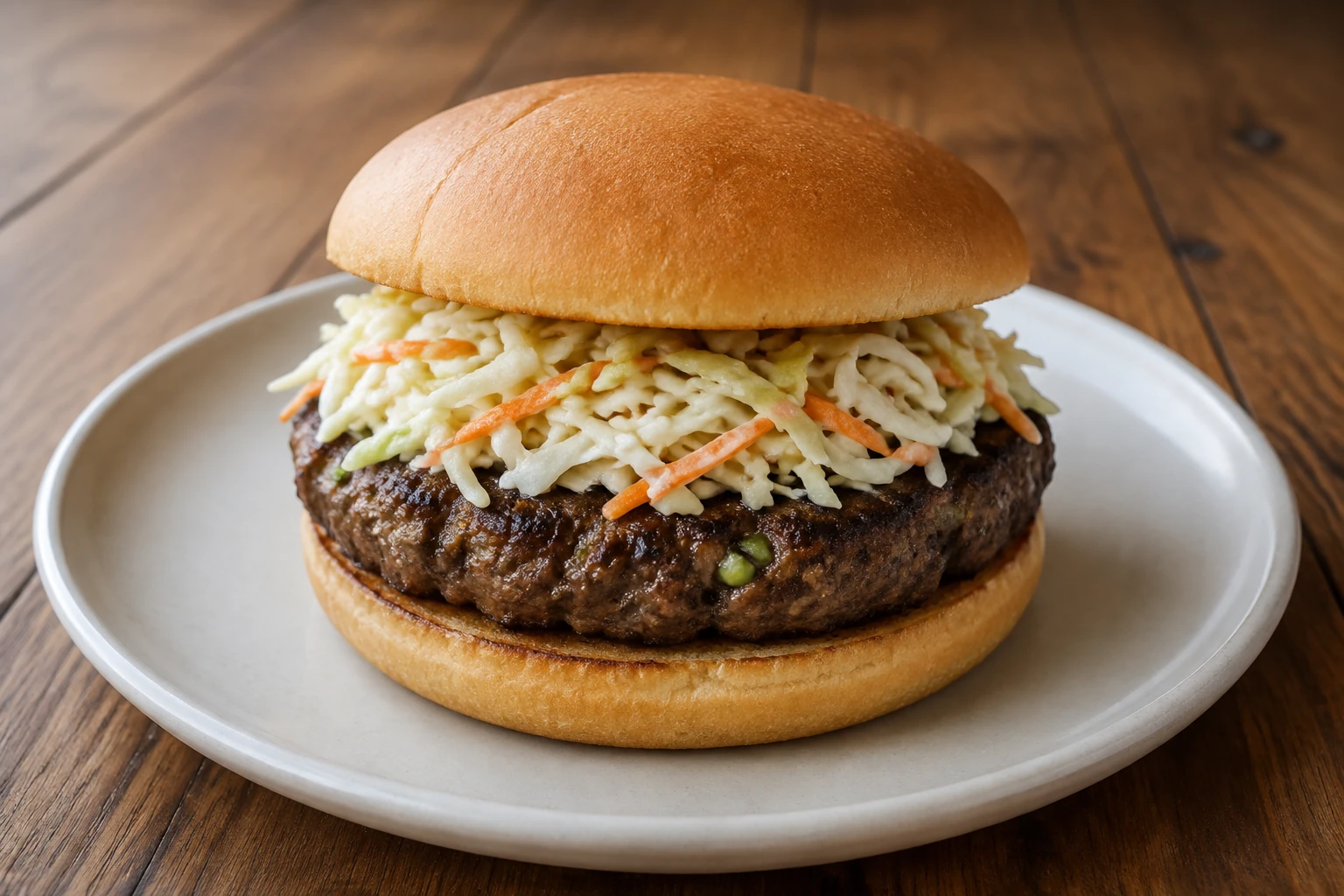
Jamaican cuisine Jerk burger
Jamaican Jerk Burger: Start with the Seasoning
Choose the right jerk seasoning for a beef burger, then make four skillet burgers with crisp cabbage slaw. A practical adaptation grounded in Jamaican flavours.

German cuisine Lentil stew
German Eintopf: Let the Lentils Set the Pace
Cook a German lentil Eintopf with soft brown lentils and distinct vegetable pieces. Learn which lentils to buy, when to add the roots, and why vinegar waits.
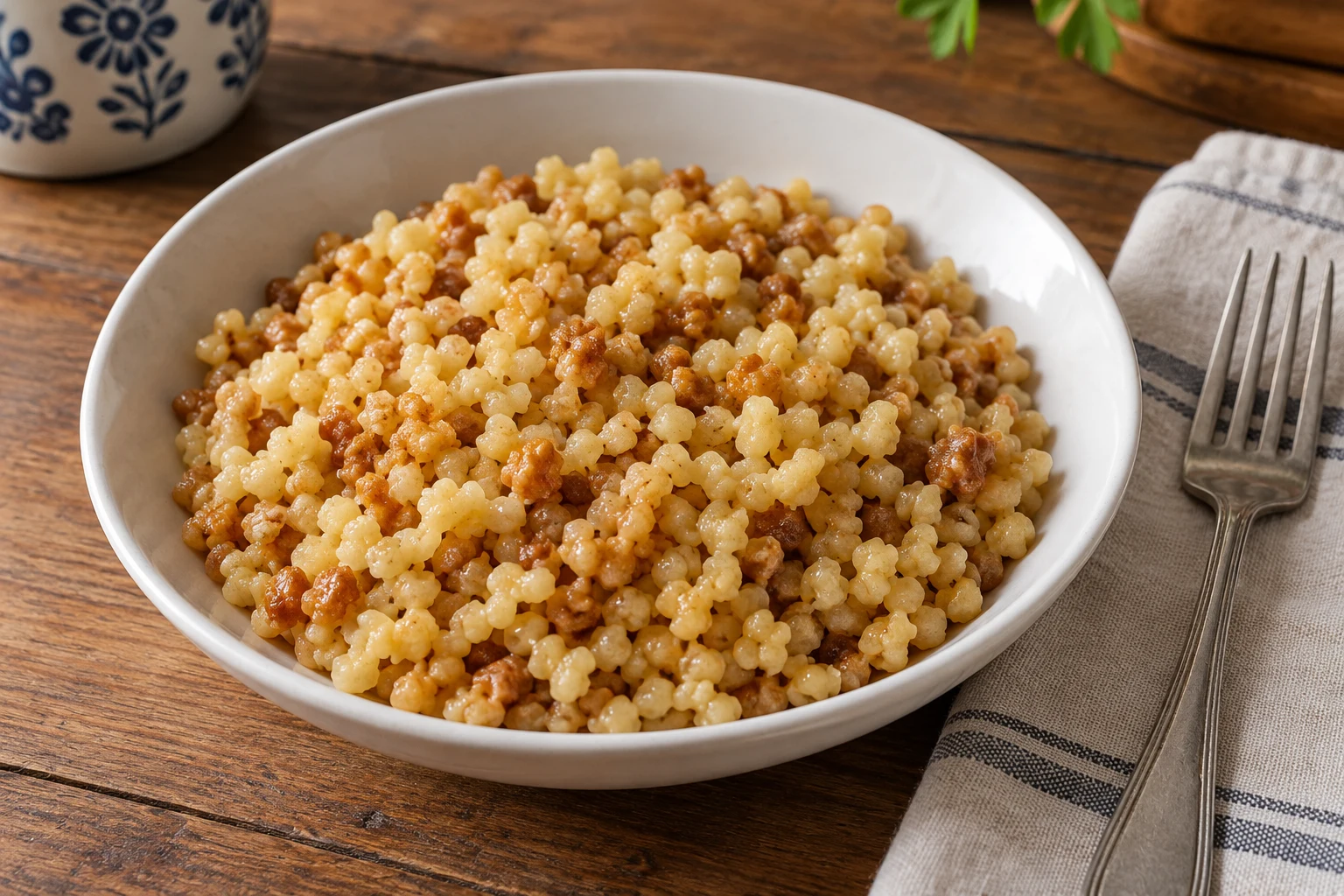
Hungarian cuisine Egg-barley pasta
Tarhonya: The Toasted Pasta Behind the Small Grains
Hungarian egg barley is pasta. Follow its change from pale crumbs to a toasted side dish, then decide when potatoes and sausage belong in the pot.