
Tarhonya: The Toasted Pasta Behind the Small Grains
Tarhonya
Hungarian egg barley is pasta. Follow its change from pale crumbs to a toasted side dish, then decide when potatoes and sausage belong in the pot.
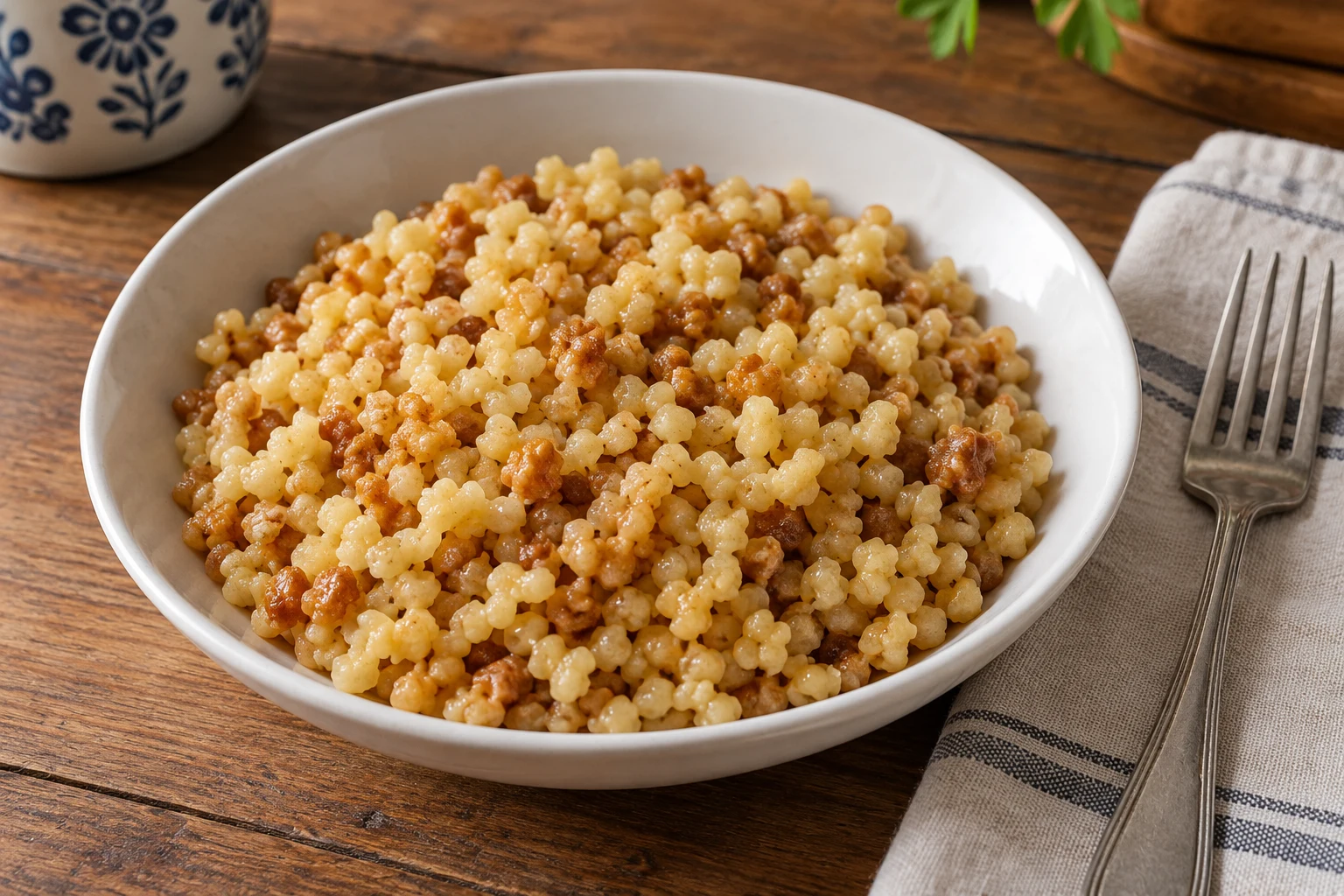
Egg barley describes the shape
A spoonful of tarhonya can look like a bowl of grains. The Hungarian recipes here start with flour and eggs, however, so the ingredient is pasta rather than barley cereal. This distinction matters when shopping and when checking allergens: ordinary egg-based tarhonya contains wheat and egg.
Borbás Marcsi makes small dough pieces by adding beaten egg gradually to flour and rubbing the mixture in a wooden trough. She sorts larger and smaller pieces separately. Zsuzsa’s home method forms a firm dough and uses a coarse grater. Those methods explain why handmade pieces can have uneven, crumb-like shapes rather than perfect spheres. Purchased dried tarhonya makes the cooking stage accessible without requiring a pasta-making session.
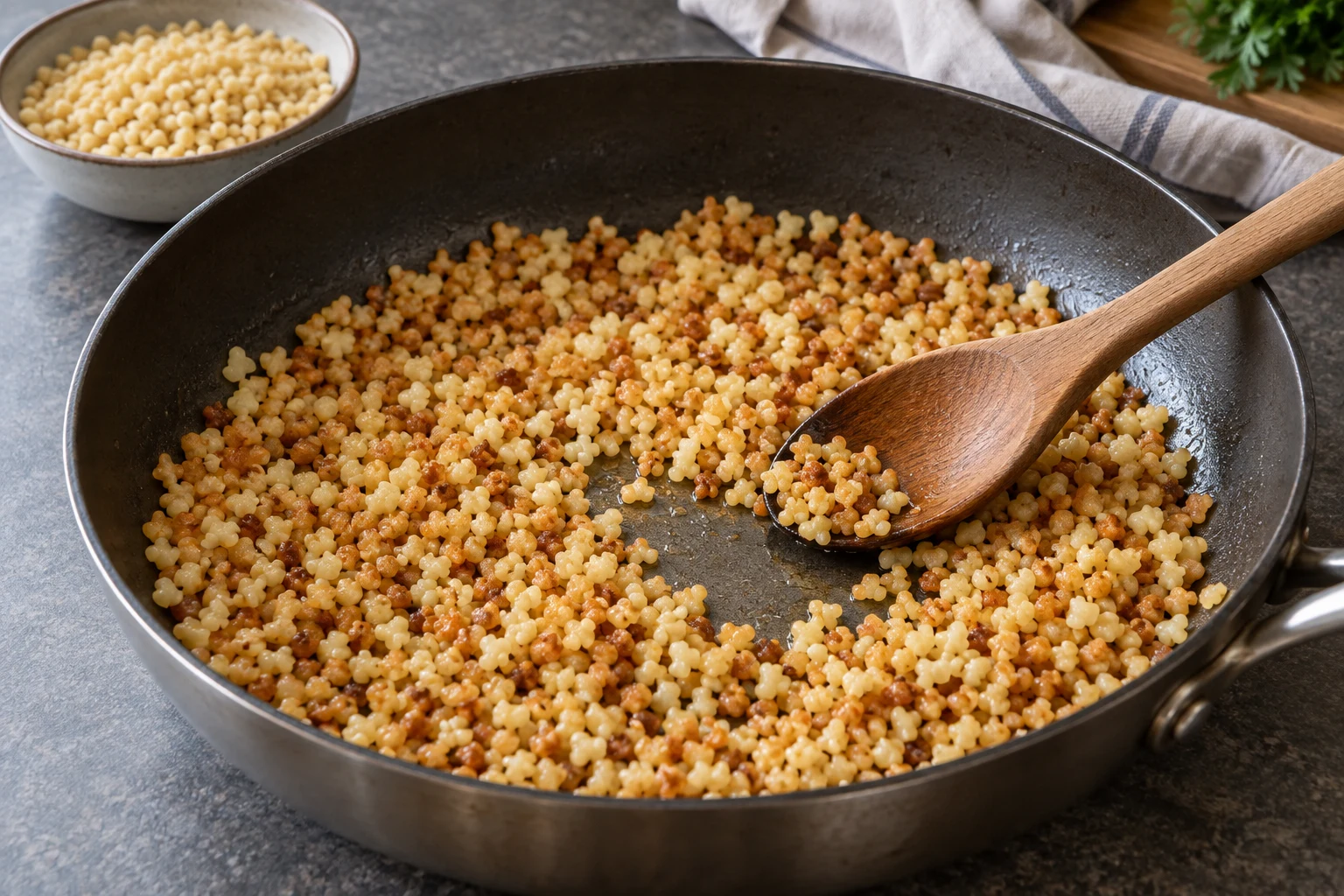
Give the pale pasta some color first
Toasting is the visible turning point. Jasinka Ádám’s plain side-dish recipe at Mindmegette heats the pasta with a little fat and stirs it until golden brown before adding water. Zsuzsa uses a gentler golden finish. The target can vary, but blackened pieces are not a useful shortcut to a stronger flavor.
Keep the pan at a heat you can control and move the pieces so the bottom layer does not scorch while the top stays pale. Watch the pasta itself rather than relying only on a printed minute count. Small fragments can color sooner than larger ones.
Decide on the dish before choosing the fat and aromatics. A plain side can use oil. In Eisler Zsolti’s potato version for Street Kitchen, bacon renders its fat before the pasta, onion and garlic toast together. The A Szakkör recipe follows a comparable bacon-first approach for pásztortarhonya. These richer versions are different meals from an unadorned pasta side.
Measure liquid for the pasta you have
Mindmegette’s plain recipe uses twice as much water as pasta when both are measured by volume. That means using the same cup for each; it is not a statement that water should weigh twice as much as the dry pasta. Begin with the package’s guidance for the product you bought, especially when its size or egg content differs.
Lower the heat before adding water, pour carefully and keep clear of the steam. The pasta then cooks by absorbing liquid. A gentle covered cook is useful for the plain side, followed by a rest off the heat and a light fluff with a fork.
Check a cooked piece through its center. If the outside is swollen but the middle remains hard and the pan is dry, add a modest amount of hot water and continue gently. Zsuzsa’s method explicitly makes such additions according to tenderness. A wet surface alone does not prove the center is done; conversely, cooking until every trace of moisture disappears can leave the bottom stuck to the pan.
A side dish and a one-pot meal need different plans
Plain tarhonya
Keep the pieces distinct enough to take up sauce from a stew served alongside. The plain Mindmegette preparation uses pasta, fat, water and salt, then finishes with a covered rest. Sausage and paprika are not mandatory ingredients in this side.
Krumplis tarhonya
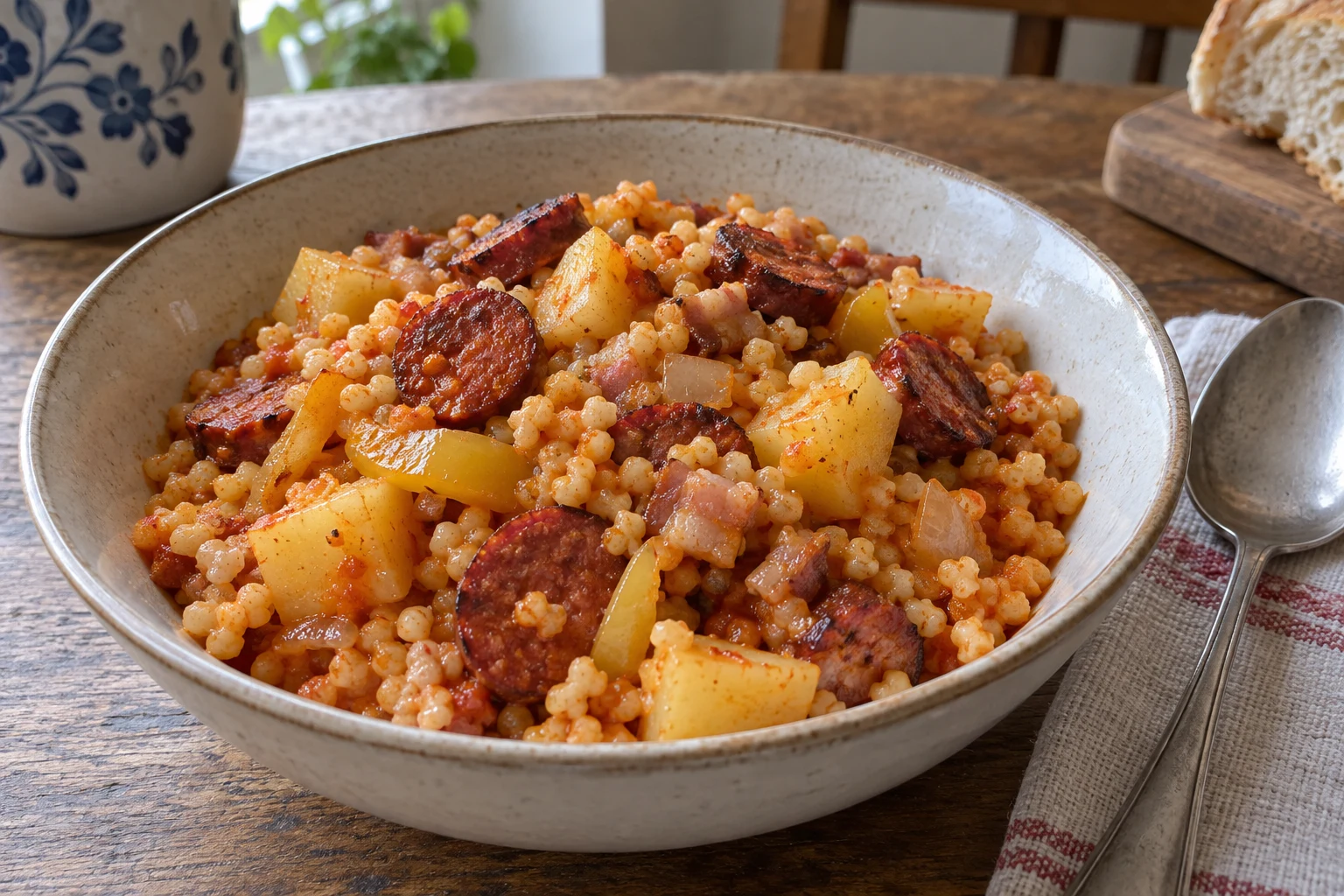
Street Kitchen’s potato version adds small potato cubes, tomato paste and paprika to the toasted pasta and aromatics. Both pasta and potato must become tender. Its liquid amount belongs to that whole vegetable-and-pasta mixture.
Pásztortarhonya
A Szakkör includes bacon, onion, pepper, tomato, potato and sliced sausage. This is a substantial combination; it should not inherit a plain side dish’s liquid ratio without allowing for the other ingredients.
Finish according to how you will serve it
For a plain side, loosen the finished pasta gently and place the stew beside it or spoon a little sauce over it. For the potato version, check a potato cube as well as a pasta piece. If one is still firm, the whole dish needs more attention. Size the potato pieces consistently so a few oversized cubes do not extend the cooking time for everything else.
An oil-and-vegetable preparation can omit meat, but an egg-based pasta still contains egg. Bacon fat or meat stock changes that choice too. Check pasta, sausage and stock labels for additional allergens.
Cool leftovers promptly in shallow containers and refrigerate within two hours, or one hour above 90°F/32°C. Keep the refrigerator at 40°F/4°C or colder. A small addition of water can help when reheating a dry portion; reheat leftovers to 165°F/74°C. Homemade raw egg dough requires safe preparation and storage of its own, so the cooking guidance here assumes purchased dried pasta rather than a home-drying preservation method.
Research notes
Hungarian pasta methods
These sources document how tarhonya is formed, toasted and used in distinct dishes. Cooking and storage guidance follows the food-safety references.
- Borbás Marcsi / egy.hu — Tarhonya The cook’s flour-and-egg method forms and sorts small pasta pieces.
- Zsuzsa is in the kitchen — Egg barley, Tarhonya A Hungarian home cook’s grated dough, gentle toasting and moisture adjustments.
- Jasinka Ádám / Mindmegette — Tarhonya A plain side-dish method with a volume-based water measure and a covered rest.
- Eisler Zsolti / Street Kitchen — Krumplis tarhonya A bacon-and-potato preparation that cooks vegetables with the pasta.
- A Szakkör — Pásztortarhonya A recipe sheet with bacon, potato, pepper, tomato and sliced sausage.
- FoodSafety.gov — Four steps to food safety Prompt cooling and safe refrigerator temperature.
- FoodSafety.gov — Safe minimum internal temperatures Reheating leftovers to 165°F/74°C.
Keep exploring
More stories for your table
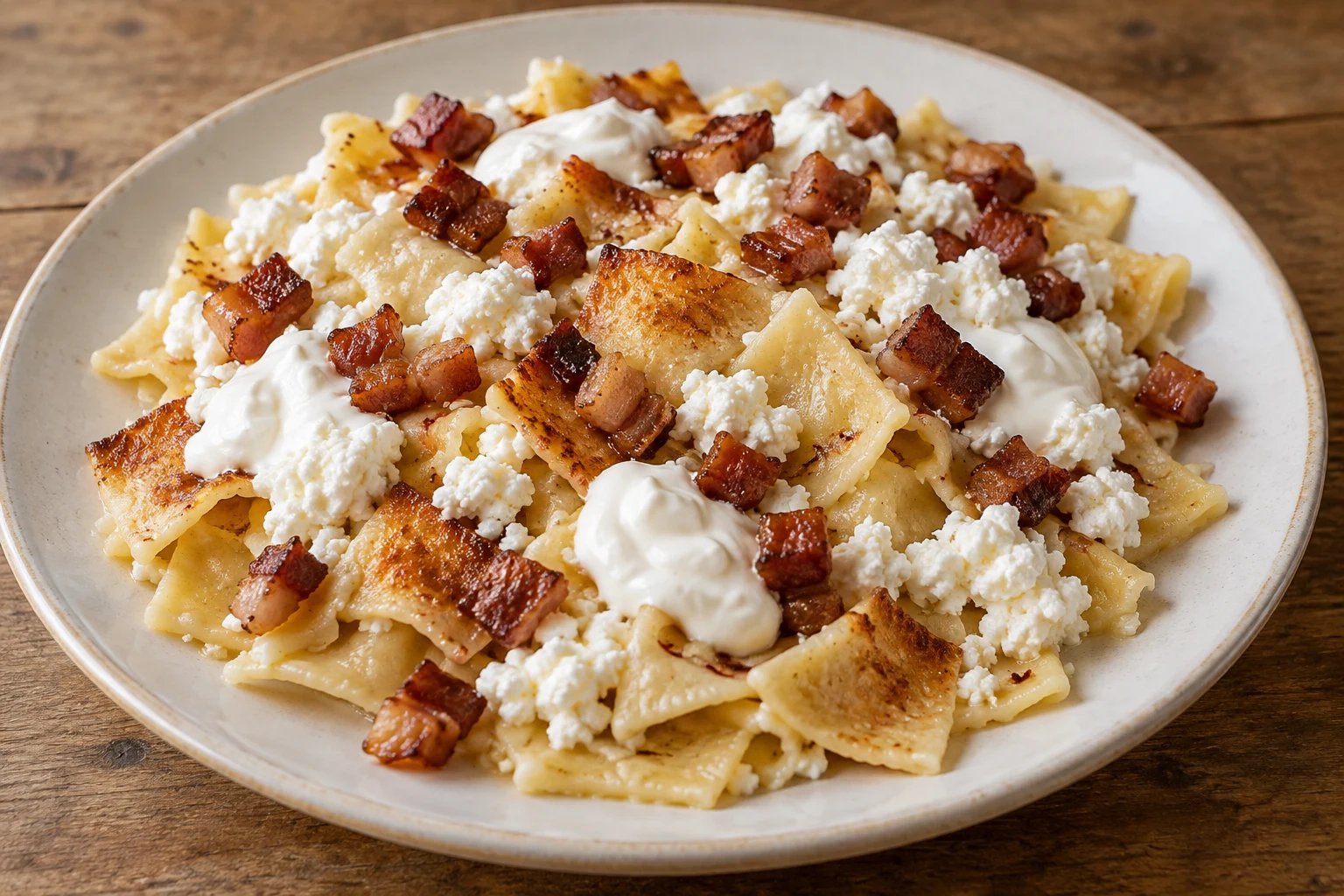
Hungarian cuisine Curd-cheese pasta
Túrós Csusza: Crisp Pasta, Soft Curds
How broad pasta, loose curd cheese, sour cream and crisp bacon work together in Hungarian túrós csusza, with two documented ways to finish the dish.
Hungarian cuisine Vanilla dessert
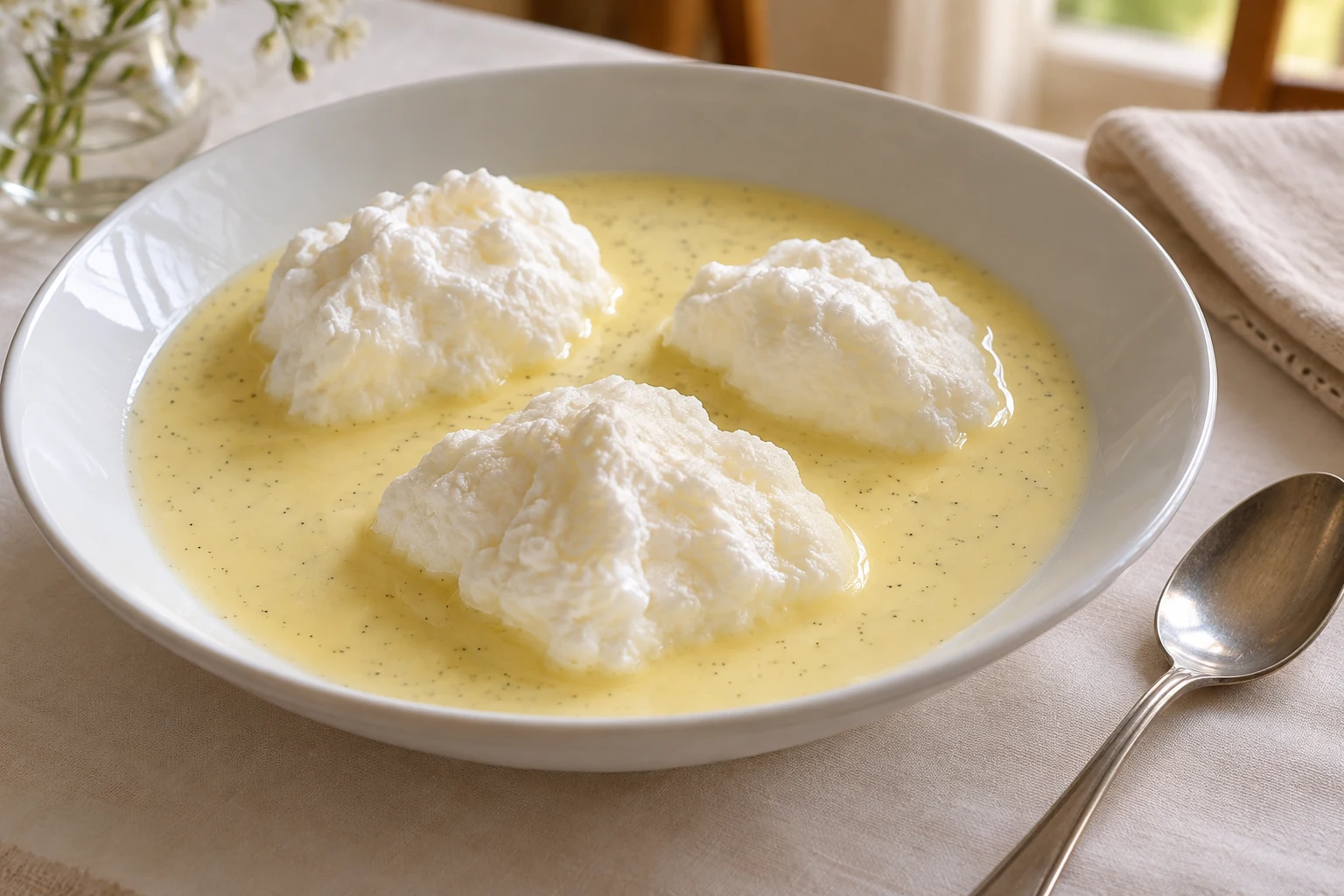
Madártej: A Soft Cloud Needs a Pourable Custard
Hungary's madártej pairs cooked egg-white dumplings with vanilla custard. Follow the two textures, the poaching liquid and the choice of thickener.
Greek cuisine Semolina dessert
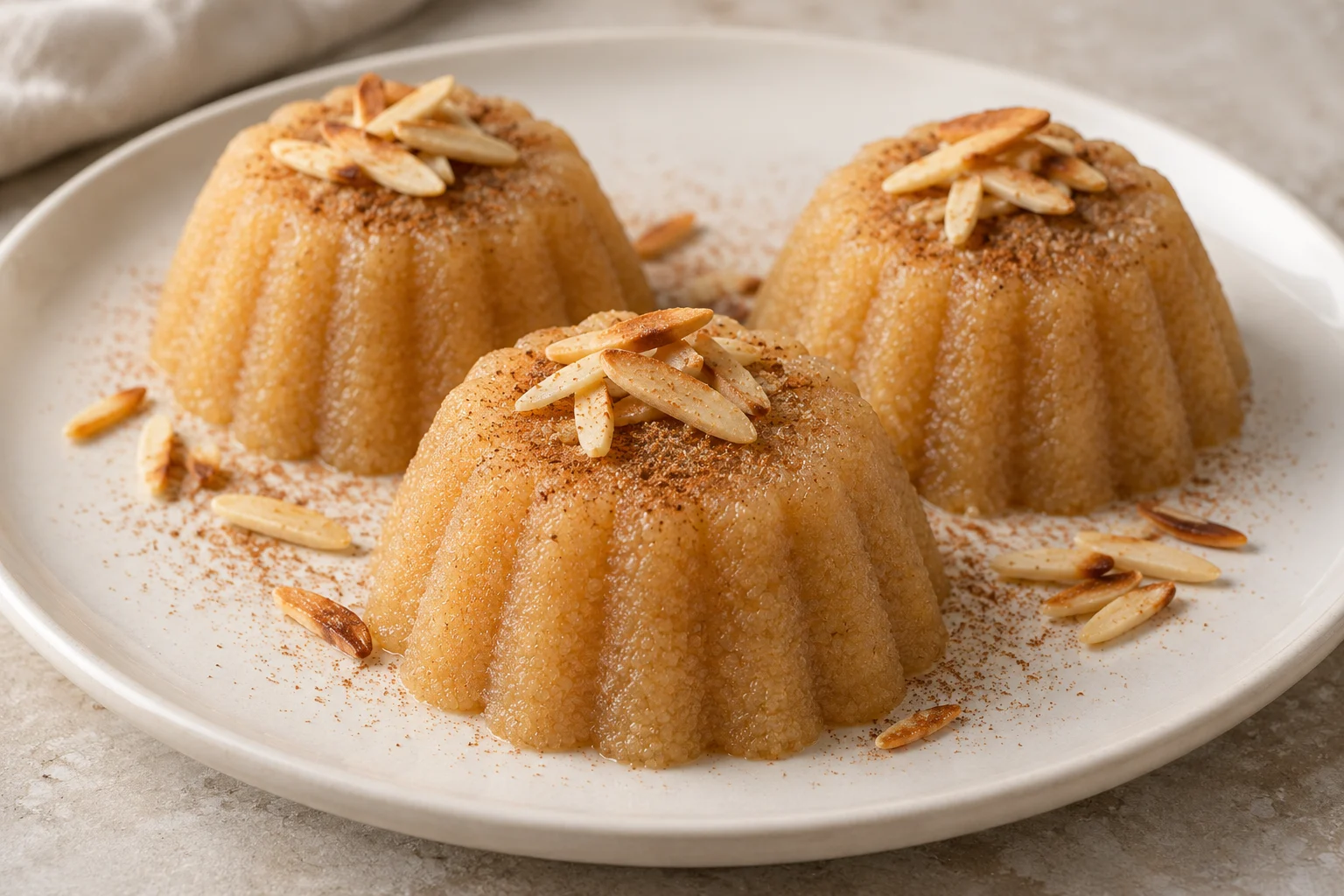
Semolina Halvas: Toast First, Set Later
Greek semolina halvas depends on golden toasted grain and a thickened pot before it sets. A six-portion recipe explains both checkpoints and allows cooling time.