
Loukaniko: Choose the Seasoning Before the Dish
Λουκάνικο
Greek loukaniko can lean toward orange, leek or herbs. Named regional and producer examples show what to check before choosing a serving or cooking method.
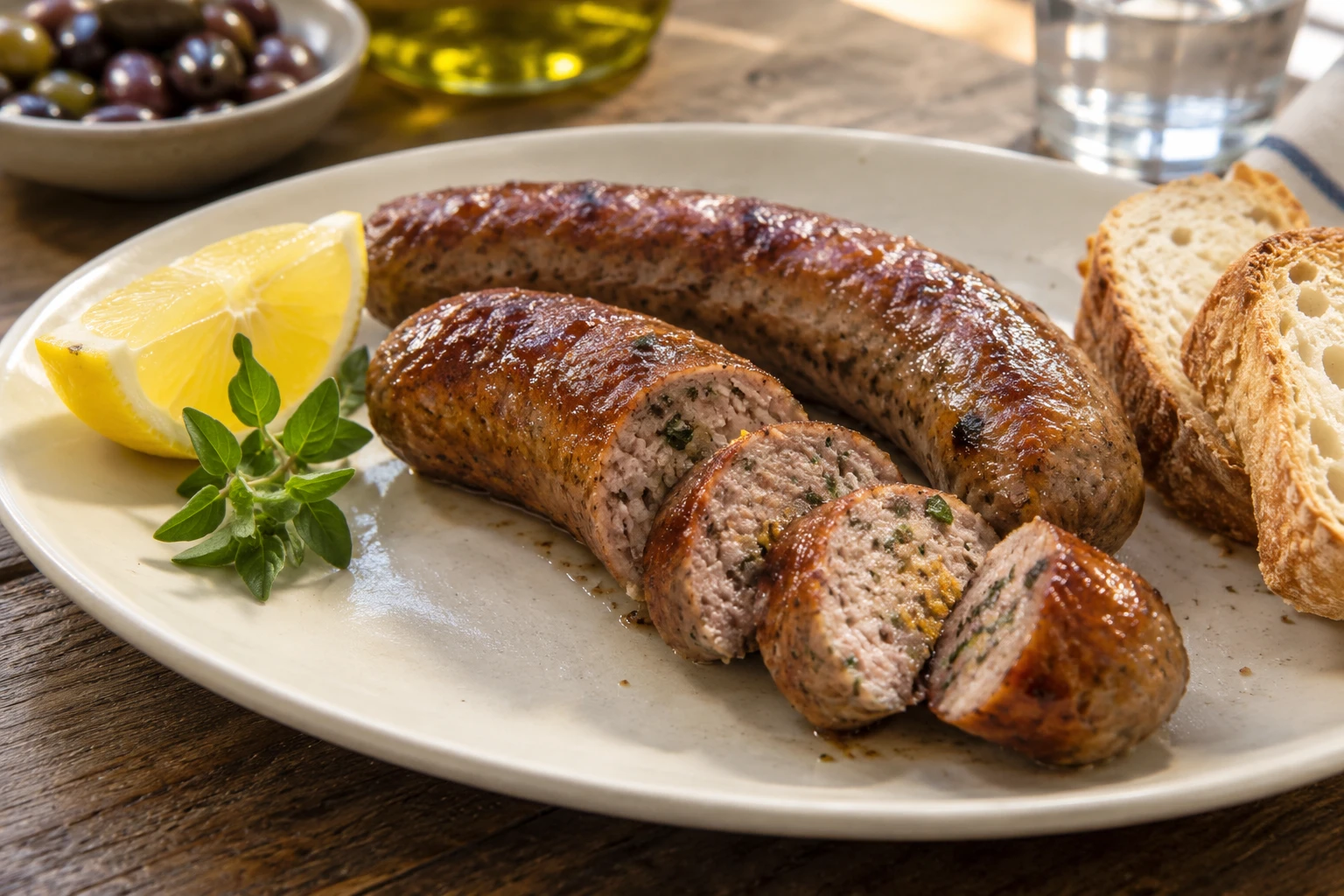
The name leaves room for a choice
Loukaniko is a useful word to recognise on a Greek menu, but it does not tell you everything about the sausage. A maker’s orange-seasoned Mani link, a leek-and-oregano product and a herb-led Mykonos preparation can offer quite different meals. The first useful question is what seasons this particular sausage.
Then ask how it is supplied. A smoked description, a regional name and a browned casing each tell only part of the story. The product’s ingredients, processing description and cooking instructions give a firmer basis for deciding whether to grill it for a small plate or cook it into a dish.
Three named examples
These examples describe particular products or documented local practice, rather than a single national formula.
Orange in Mani
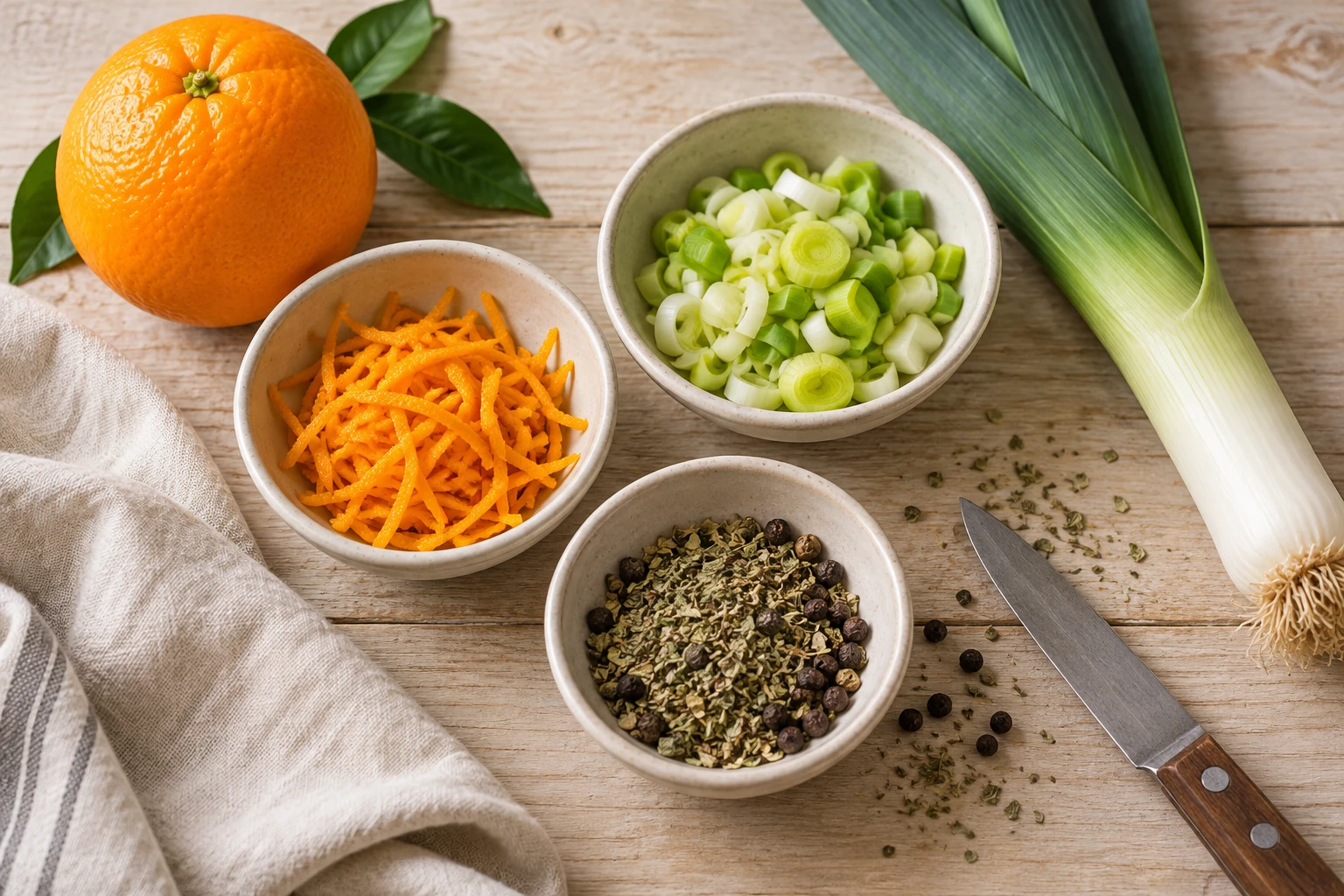
Oikonomakos sells a smoked pork sausage identified as a Mani sausage with orange. Citrus is an explicit part of this product’s identity. Choose it when that seasoning is what you want, rather than expecting orange in every loukaniko.
Leek in Karnato
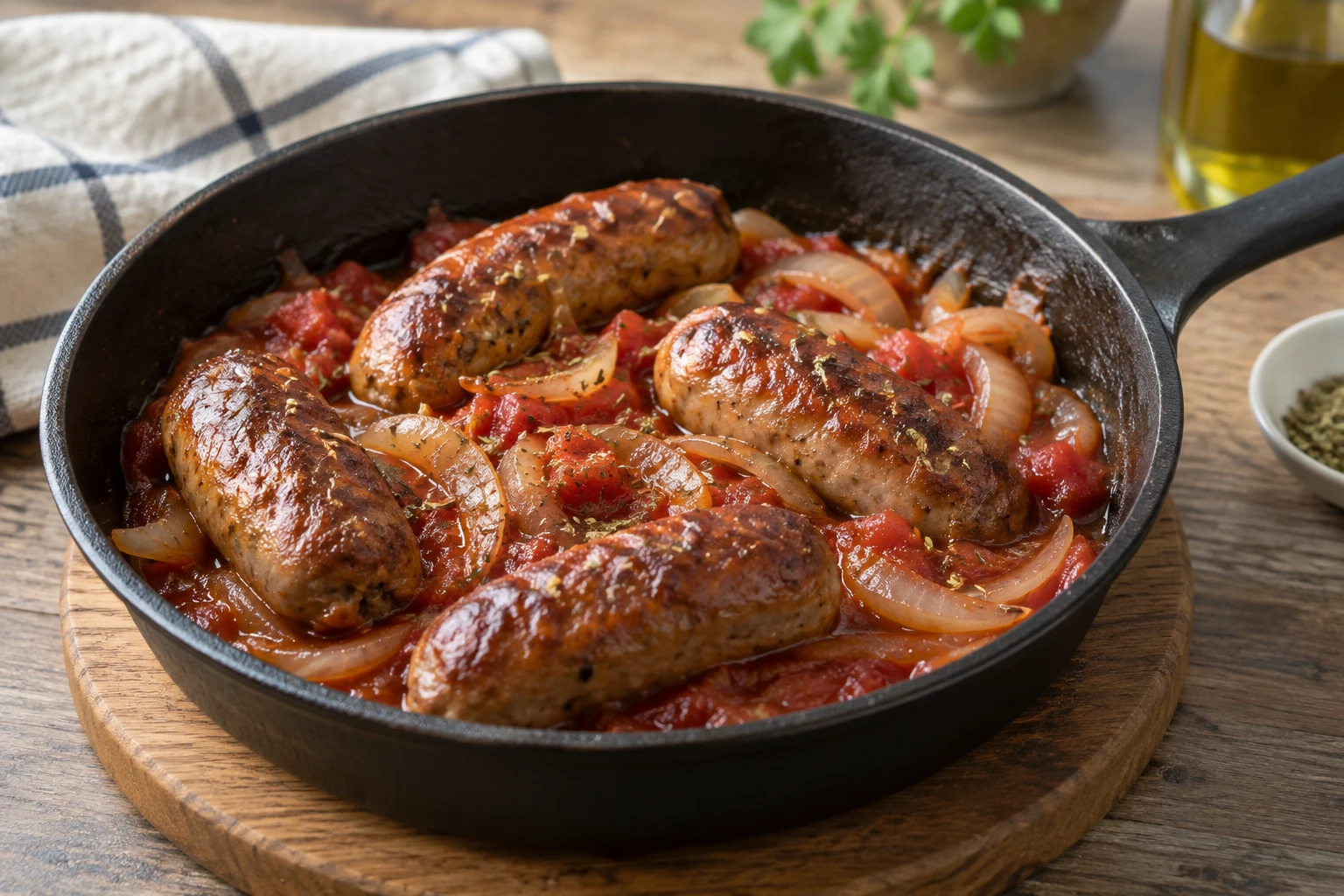
Metsovita lists fresh pork meat, leek and oregano for its Karnato sausage, and also describes the contribution of Katogi wine. Its suggested pairings include onions, tomato sauces and vegetables: useful clues for planning a cooked dish.
Herbs in Mykonos
The Greek Gastronomy Guide describes Mykonos sausages seasoned with savory, allspice, oregano, pepper and salt. Its account centres herbs and the coarse texture of the meat, rather than making orange the defining ingredient.
A coarse filling has a local context
The Greek Gastronomy Guide places traditional Mykonos sausage-making within the island’s autumn pig-slaughter season. It describes meat formerly chopped with knives and later passed through a large grinder plate, retaining a coarse filling. That texture is part of the example’s character, not simply a different shape of smooth sausage.
The account also discusses local drying practice. That cultural description is not a home preservation method: it does not provide the controlled process needed to make a homemade sausage shelf-stable. For a purchased link, use the maker’s storage and cooking directions rather than drawing conclusions from the regional story.
Orange and leek can also share a link
Joshua Bousel’s Meatwave version combines pork and lamb with orange zest and leek, taking inspiration from Greek food in Astoria, Queens. It is a named cook’s interpretation, not a claim that the three examples above should be blended into one universal recipe.
His preparation cooks the finely chopped leek and lets it cool before mixing it into the meat. That detail makes the leek an intentional part of the filling, rather than a raw garnish. He also chooses to omit fennel after considering the flavour balance. A sausage’s appeal depends on those specific choices as much as the word on the menu.
Choose the product, then the treatment
- 01
Read beyond the regional name
Lougiakis labels its Mykonos-style sausage as a heat-treated product made from comminuted meat. That processing description is more useful for cooking decisions than treating every sausage carrying the place name as identical to the local example described above. Read the actual pack instructions.
- 02
Check a raw sausage with a thermometer
For raw sausage made with pork, beef or lamb, FoodSafety.gov gives a minimum internal temperature of 160°F/71°C; poultry sausage requires 165°F/74°C. Check the filling with a food thermometer. Exterior browning alone cannot establish that the centre is cooked.
- 03
Give the seasoning a suitable setting
For a small meze, keep accompaniments simple so the filling remains easy to taste. For a cooked dish, Metsovita’s onion, tomato and vegetable suggestions provide a specific starting point. Choose the sausage and its published method before deciding the rest of the plate.
Research notes
Sources and named examples
Producer descriptions, a local culinary account, a clearly attributed cook’s variation and government temperature guidance support this buying and serving guide.
- Oikonomakos: Smoked pork sausage with orange Named Mani product with orange; exact wood species omitted because the language versions differ.
- Metsovita: Karnato sausage Pork, leek, oregano and wine description, with onion, tomato and vegetable pairings.
- Greek Gastronomy Guide: Mykonos sausages Greek-language account of coarse filling, local seasonal context and savory, allspice, oregano and pepper.
- Meatwave: Joshua Bousel’s orange-and-leek loukaniko Astoria-inspired pork-and-lamb variation; cooked and cooled leek, orange zest and personal seasoning choices.
- Lougiakis: Mykonos-style sausage product The Greek processing description explicitly identifies a heat-treated product.
- FoodSafety.gov: Minimum internal temperatures Raw pork, beef and lamb sausage 160°F/71°C; poultry sausage 165°F/74°C, measured by thermometer.
Keep exploring
More stories for your table
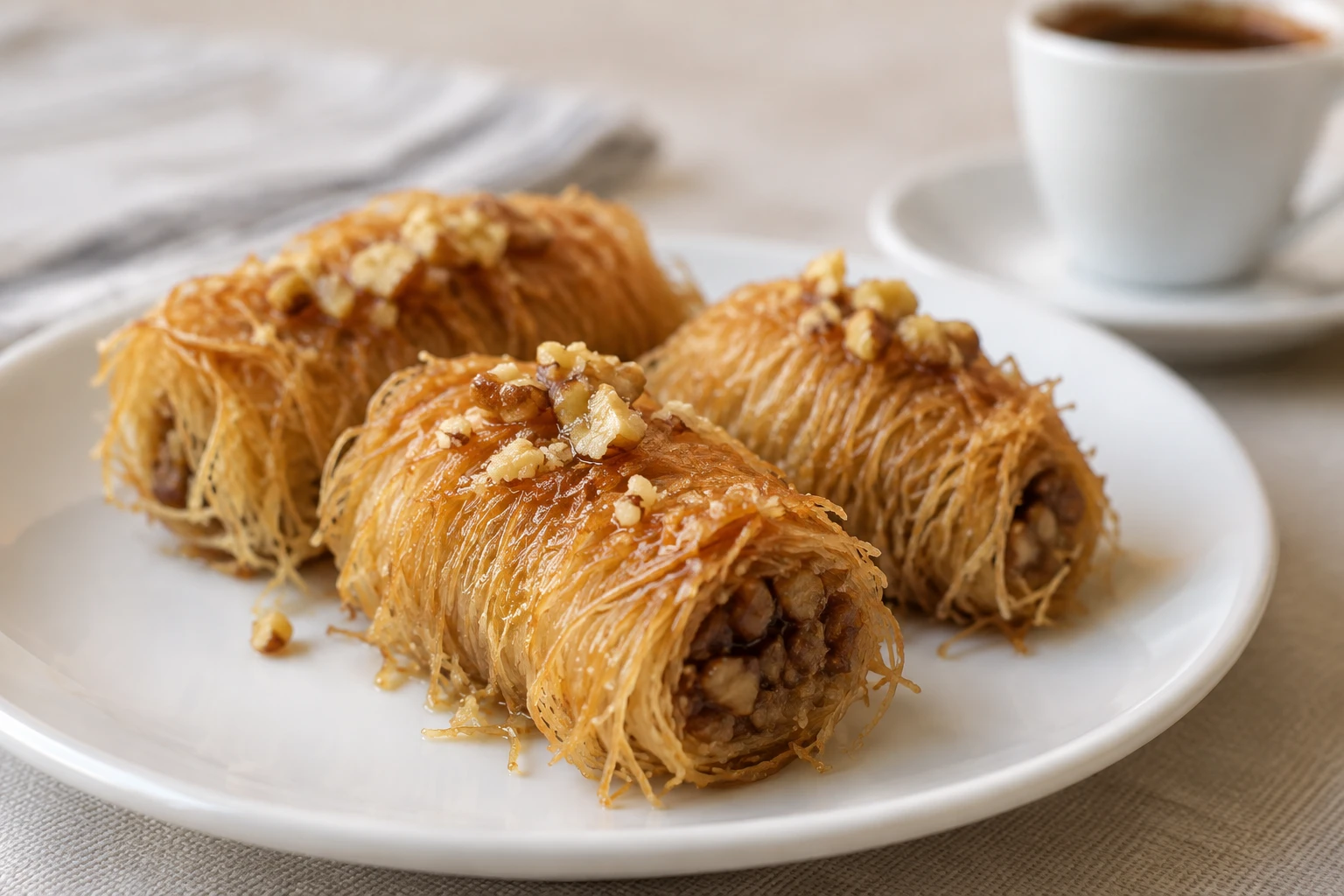
Greek cuisine Nut-filled pastry
Kataifi: Open the Strands Before the Syrup
Greek kataifi rolls begin with fine pastry strands, chopped nuts and careful buttering. Compare filling and syrup choices without losing each cook’s method.
Greek cuisine Onion stew
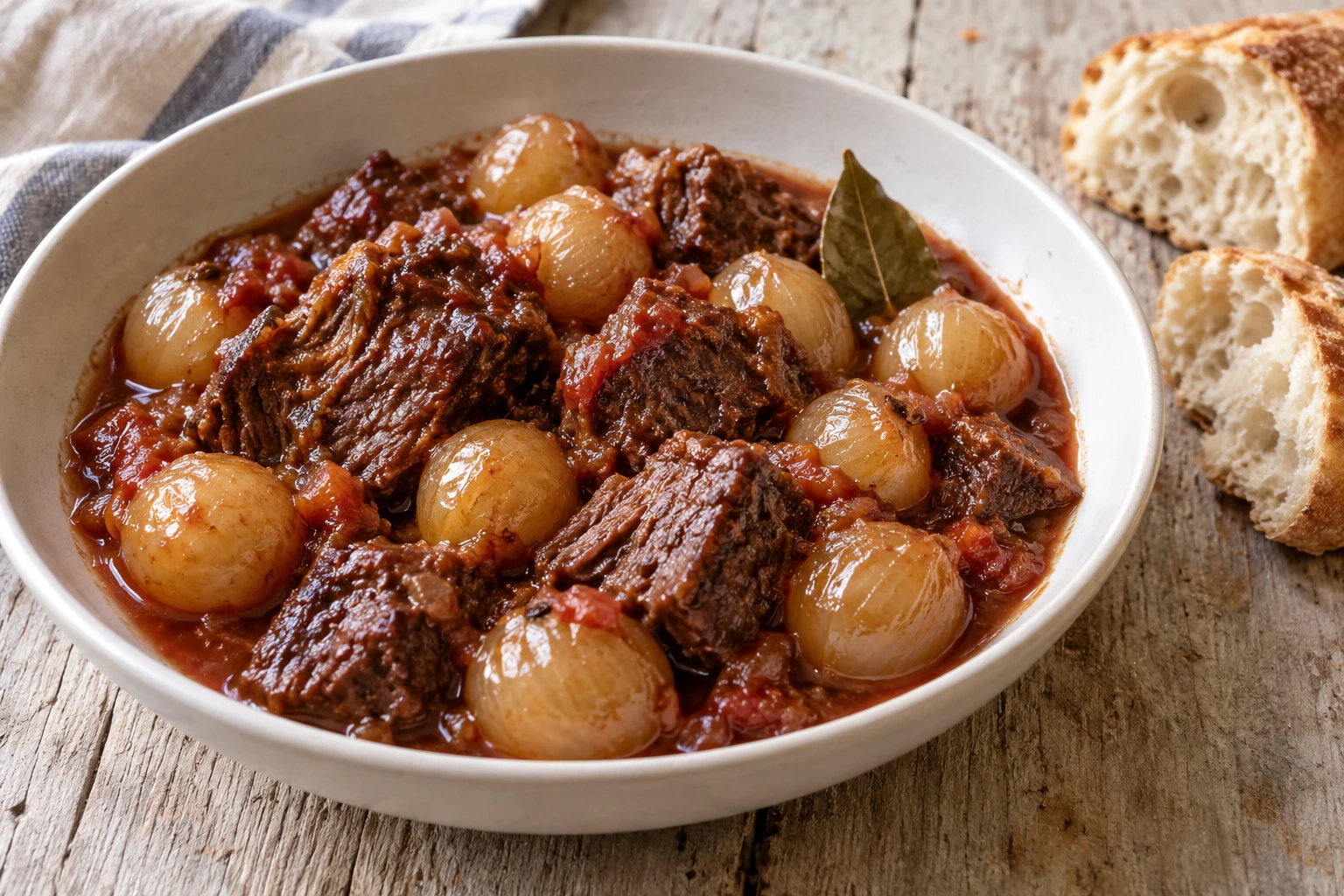
Stifado: The Small Onions That Shape a Greek Stew
Whole small onions give stifado its sweetness and texture. Explore beef, rabbit and mushroom versions, and see why the onion timing and sauce belong to the recipe you choose.
British cuisine Cured pork
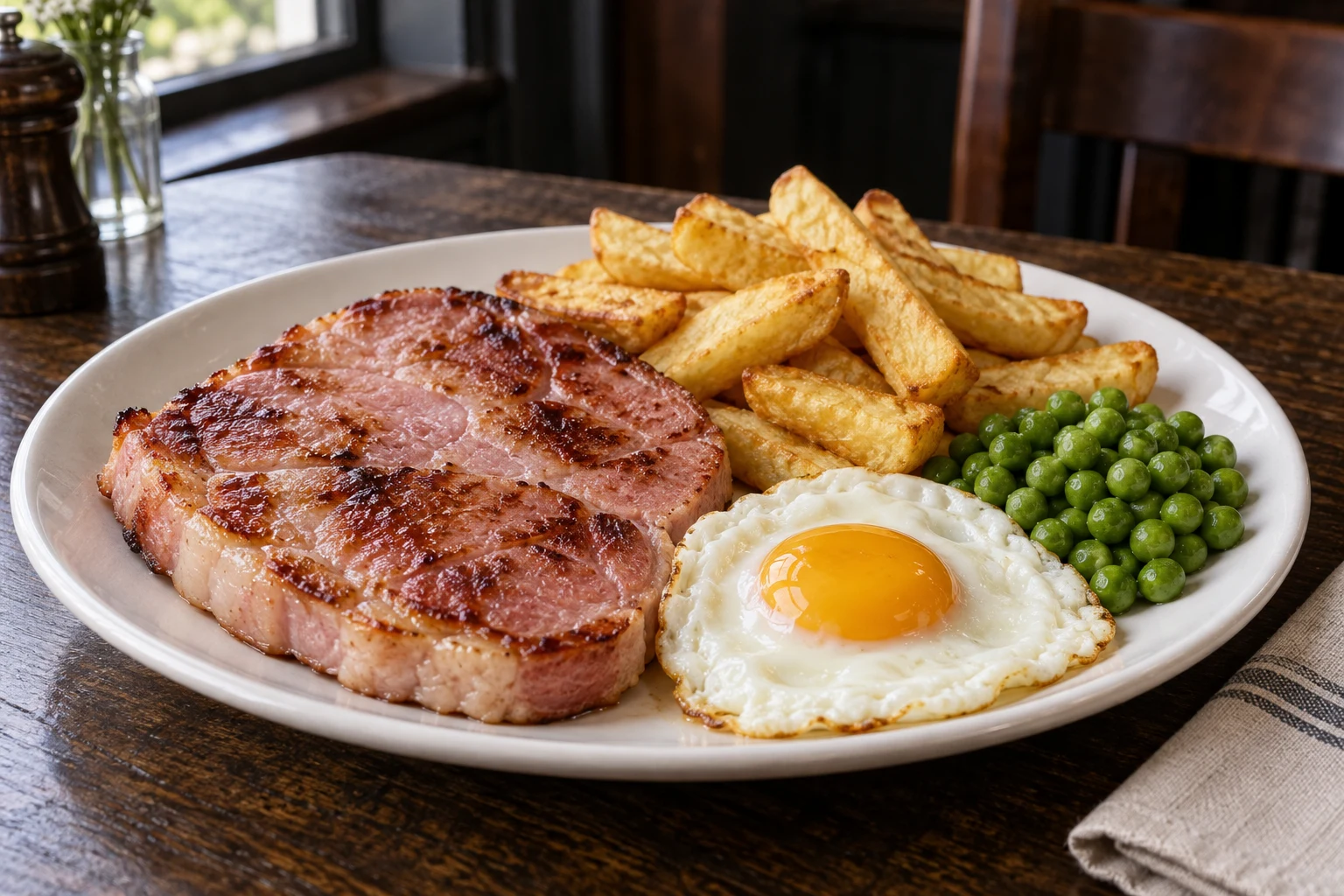
Gammon Steak: Choose What Goes Beside It
A British gammon steak can take egg and chips, sticky pineapple or a sharp gribiche. Understand the cured pork and plan its cooking before choosing the finish.