
Kubdari: Chopped Meat, Sealed Bread
კუბდარი
A thin wall of bread holds a substantial layer of chopped meat. Kubdari asks the cook to distribute that filling evenly, close the seam firmly and give the center time to cook.
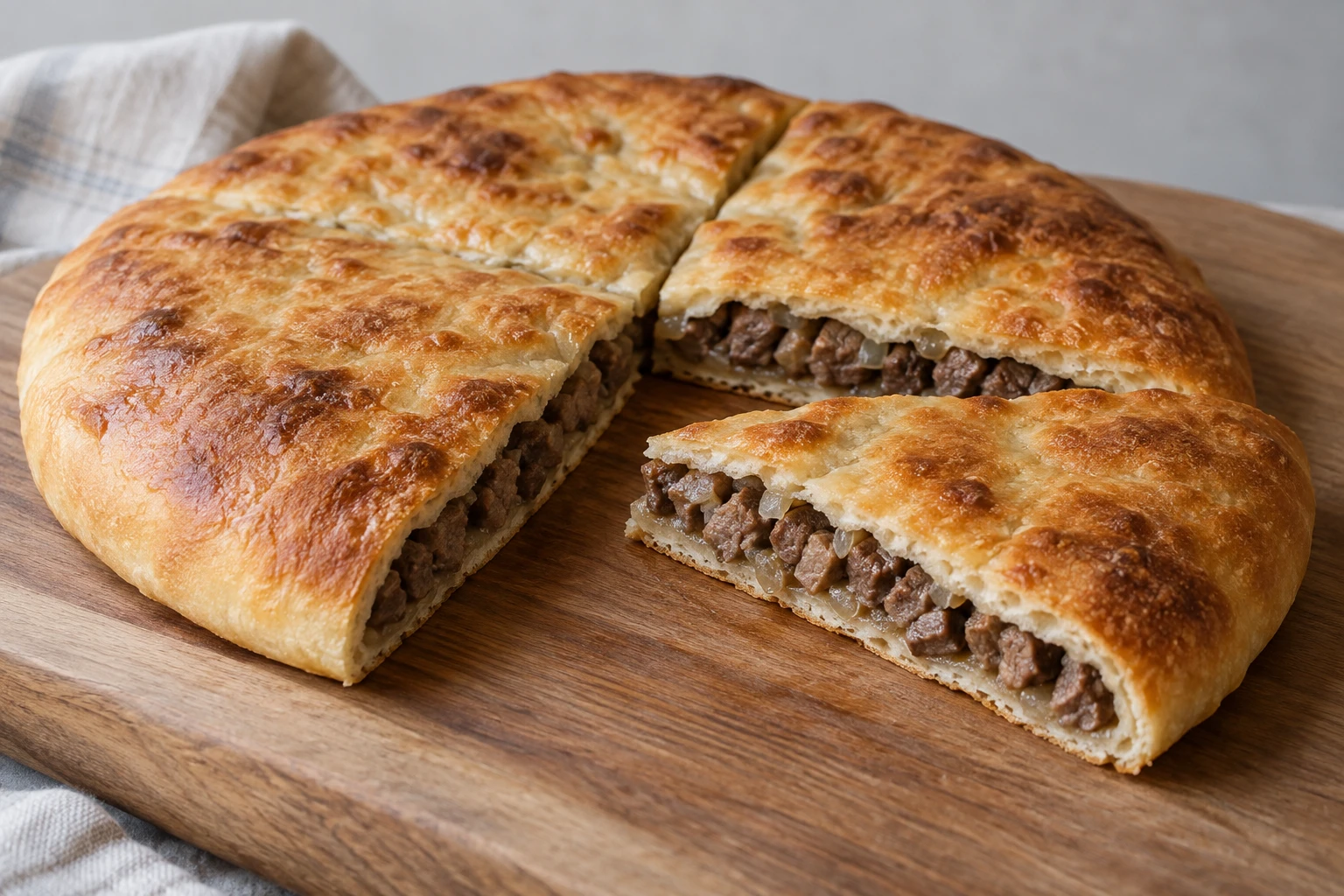
The texture belongs to the knife
Kubdari is associated with Svaneti, the mountainous region of Georgia. In accounts from Georgian cooks, beef, pork or a mixture is chopped for the filling. Each piece remains recognizable when the bread is cut. Onion, garlic and spices season the meat; cheese is unnecessary here.
The size of those pieces affects the bread as well as the bite. Large chunks push against the dough and make an even layer harder to shape. Very fine chopping moves the filling toward a paste. Small, fairly uniform pieces offer a practical middle ground: they spread without losing their identity.
A spice mixture with local names
Coriander, blue fenugreek, red pepper and dill seed appear in published Georgian versions, with cumin also common. Tinatin Mzhavanadze's account specifically distinguishes ground dill seed from leafy dill. They have different aromas and should not be treated as interchangeable.
The local name gitsruli is less straightforward. Georgia's tourism account records competing identifications, including cumin, caraway and a locally known herb. This household recipe uses familiar named spices without claiming to reproduce that ingredient exactly. Blue fenugreek adds its own fragrance; a commercial spice mixture is a different seasoning choice.
Two documented approaches
Chopped meat, baked in dough
Georgian accounts describe small raw meat pieces enclosed in a sturdy dough and cooked in the oven. The dough must support the filling while heat reaches the center.
A modern skillet adaptation
Kat Craddock's Saveur version cooks ground lamb before enclosing it and cooks the bread in a skillet. That is a useful published adaptation, with a different filling texture and heat sequence.
A household interpretation
Three small kubdari
Makes three breads about 18–20 cm across, enough for six modest portions. Allow about three hours including rising; the times below are estimates and the filling temperature determines when baking is finished.
Ingredients
Dough
- 600 g plain all-purpose flour, plus a little for shaping
- 330 ml warm water
- 7 g instant yeast
- 5 g sugar
- 8 g fine salt
- 1 tbsp neutral oil
Filling and finish
- 300 g boneless beef sirloin, chopped into 5–7 mm pieces
- 300 g boneless pork shoulder, chopped into 5–7 mm pieces
- 100 g onion, finely chopped
- 3 cloves garlic, finely chopped
- ½ tsp ground coriander
- ¼ tsp each ground blue fenugreek, ground cumin and ground dill seed
- ½ tsp chili flakes, or less to taste
- 6 g fine salt
- ¼ tsp ground black pepper
- 15 g butter, for brushing
Method
- 1
Make a firm dough
Mix the flour, yeast, sugar and salt. Add the water and oil, then knead for about 10 minutes until smooth and supple. If dry flour remains, add water a teaspoon at a time. Cover and let rise for 60–90 minutes, until roughly doubled; a cool kitchen may need longer.
- 2
Mix the chopped filling
While the dough rises, combine the beef, pork, onion, garlic, spices and filling salt. Knead the mixture briefly with a clean hand until the pieces cling together. Keep covered in the refrigerator until shaping. Do not taste the raw mixture; clean hands, utensils and work surfaces after handling it.
- 3
Divide and close
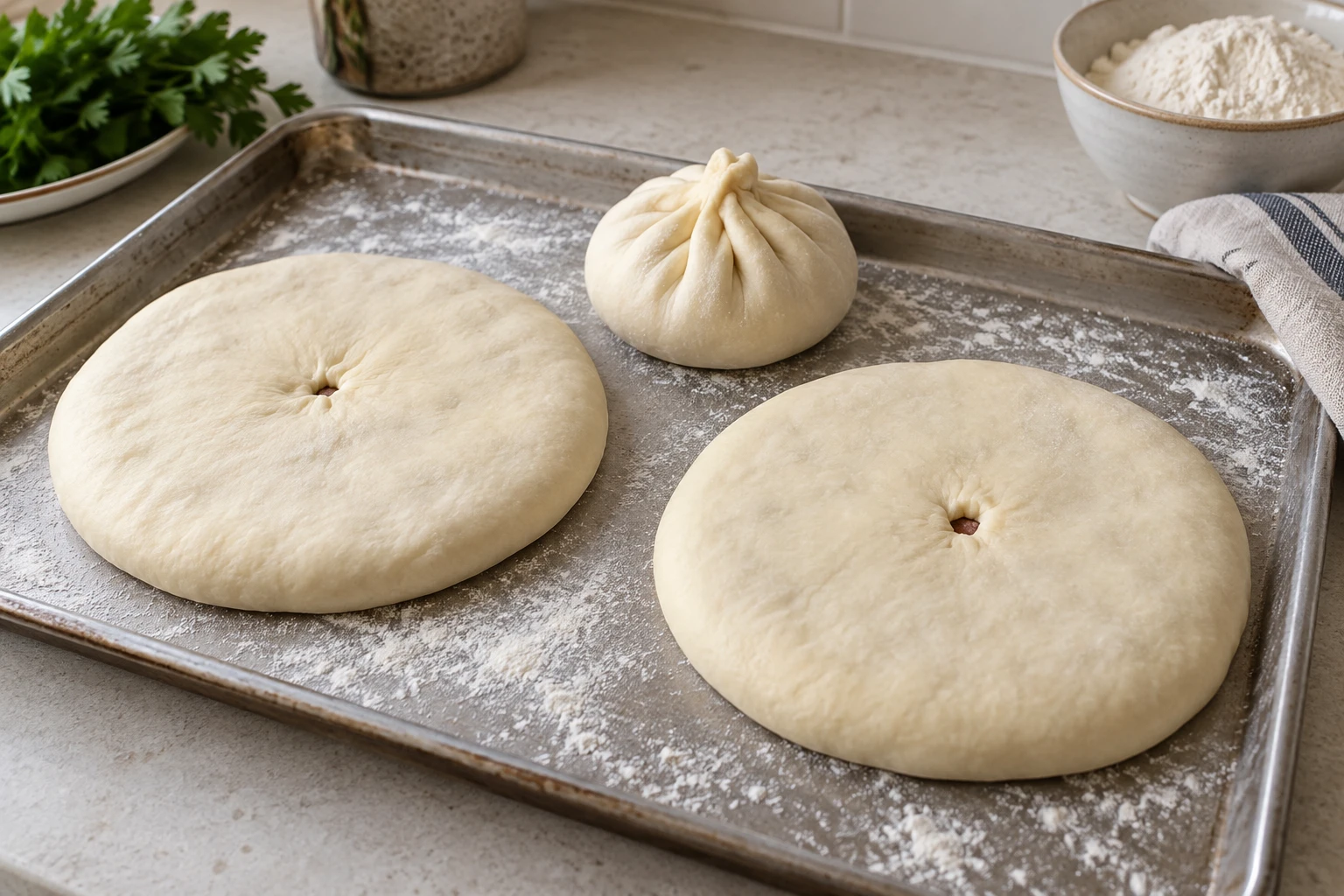
Divide the dough into three equal balls and let them relax for 10 minutes. Pat each into a disc about 16 cm wide, leaving its center slightly thicker. Put one-third of the filling in the middle, leaving a generous bare border. Bring the edges together over the filling and pinch the gathered seam firmly closed.
- 4
Flatten gently
Turn each bread seam down. Press gently from the center outward into an 18–20 cm round about 1.5–2 cm thick, distributing the filling without tearing the dough. Place on lightly floured baking trays with space between the breads. Make a small central vent in the upper dough.
- 5
Bake through the center
Bake in a preheated 200°C / 390°F conventional oven for an estimated 35–40 minutes. If using two trays, swap their positions halfway through. Check the meat filling in the center with a food thermometer: this recipe uses a conservative target of 74°C / 165°F. Continue baking until that temperature is reached and the bread is cooked. If the crust browns first, cover loosely with foil; color alone cannot confirm the filling is ready.
- 6
Brush and rest
Brush the hot breads lightly with butter and rest for five minutes before cutting into wedges. Serve warm, when the crust remains firm and the juices have had a moment to settle.
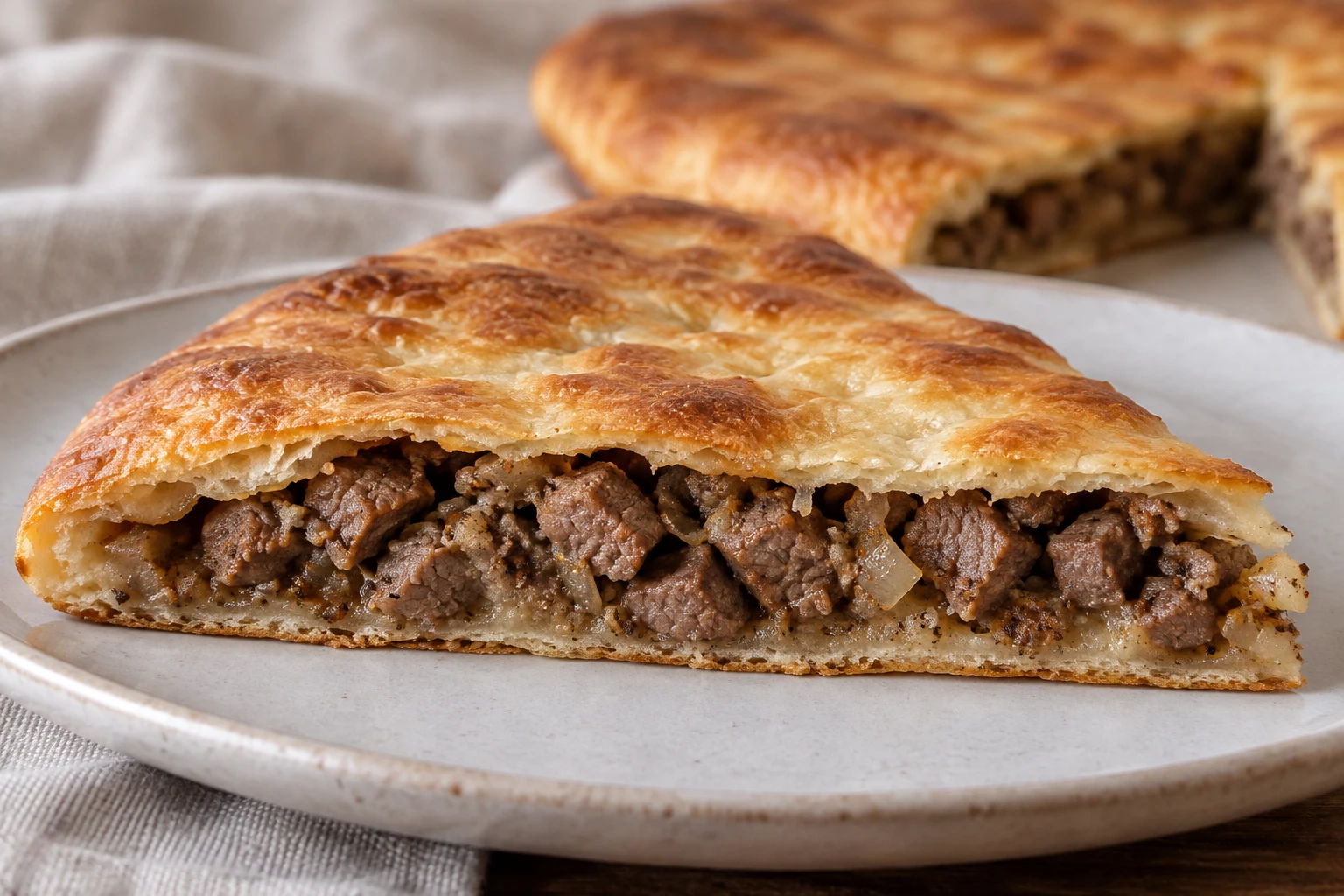
Cut after a short rest
An evenly filled wedge should have bread above and below the meat, with no large empty pocket. A crowded filling can split the seam, while repeated forceful rolling can drive pieces through the dough. Gentle pressure does more useful work than trying to make the bread extremely thin.
Serve wedges with something fresh and sharp, such as a simple tomato-and-herb salad. The meat and bread already provide substance; a cool accompaniment keeps the meal from feeling heavy.
Research notes
Sources behind this article
- Georgia Travel — Kubdari Official tourism account of Svaneti's bread, varied doughs and the uncertain identification of gitsruli.
- Georgia About — Kubdari Original 2013 photographed preparation with chopped meat, shaping and oven baking; also verifies the Georgian name.
- Kat Craddock, Saveur — Kubdari A clearly identified adaptation using cooked ground lamb and skillet cooking.
- Tinatin Mzhavanadze — On the scent of kubdari Attributed reproduction of the Georgian writer's firsthand Svan cookery account, including knife-cut meat and ground dill seed.
- FoodSafety.gov — Safe minimum internal temperatures Official thermometer guidance informs the conservative household filling check; it does not prescribe a kubdari-specific temperature.
Keep exploring
More stories for your table
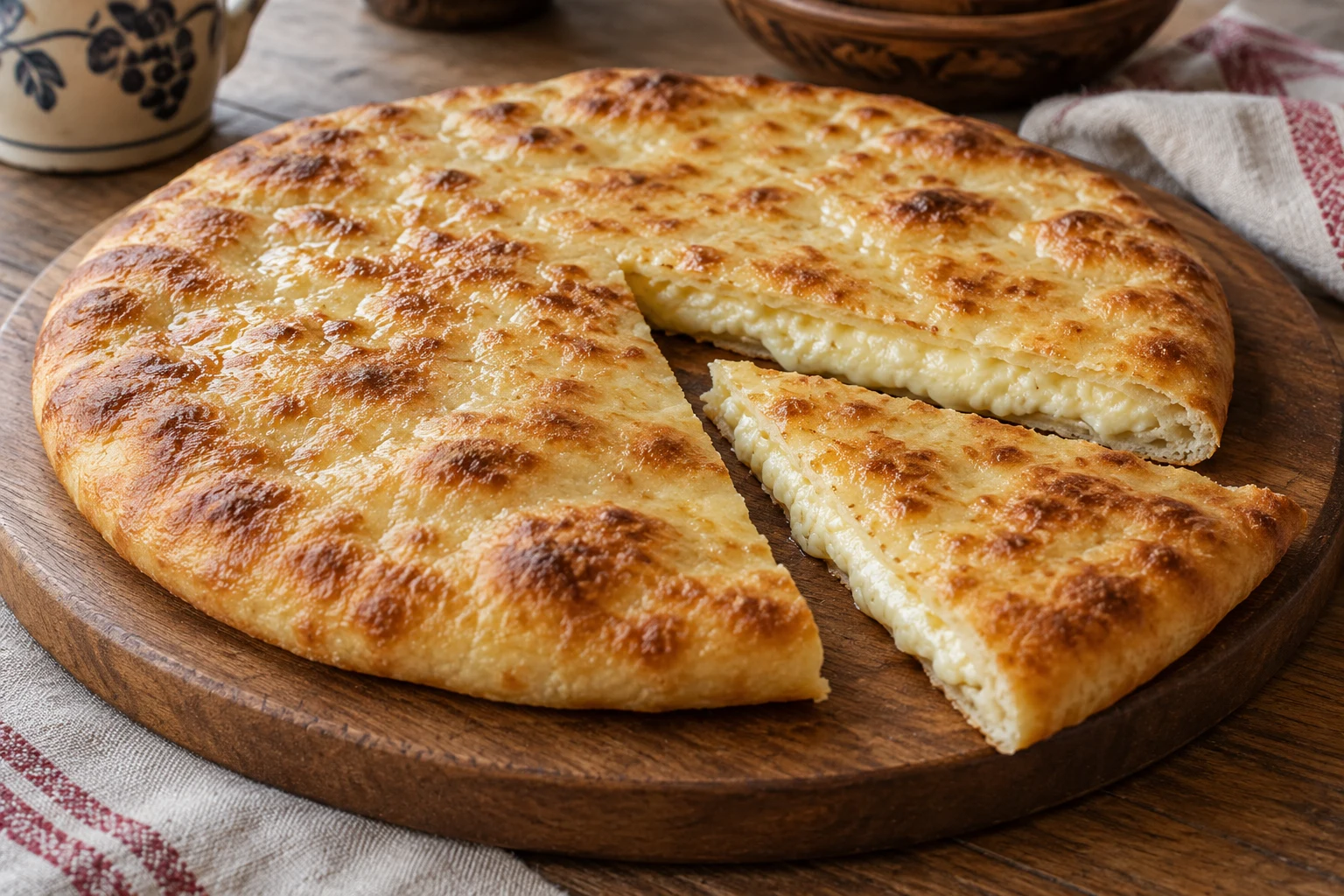
Georgian cuisine Cheese bread
Khachapuri: Choose the Shape Before the Dough
A closed Imeretian round and an open Adjarian boat ask different things of their dough. Start with the shape, then choose the cheese and method.
Georgian cuisine Open cheese bread
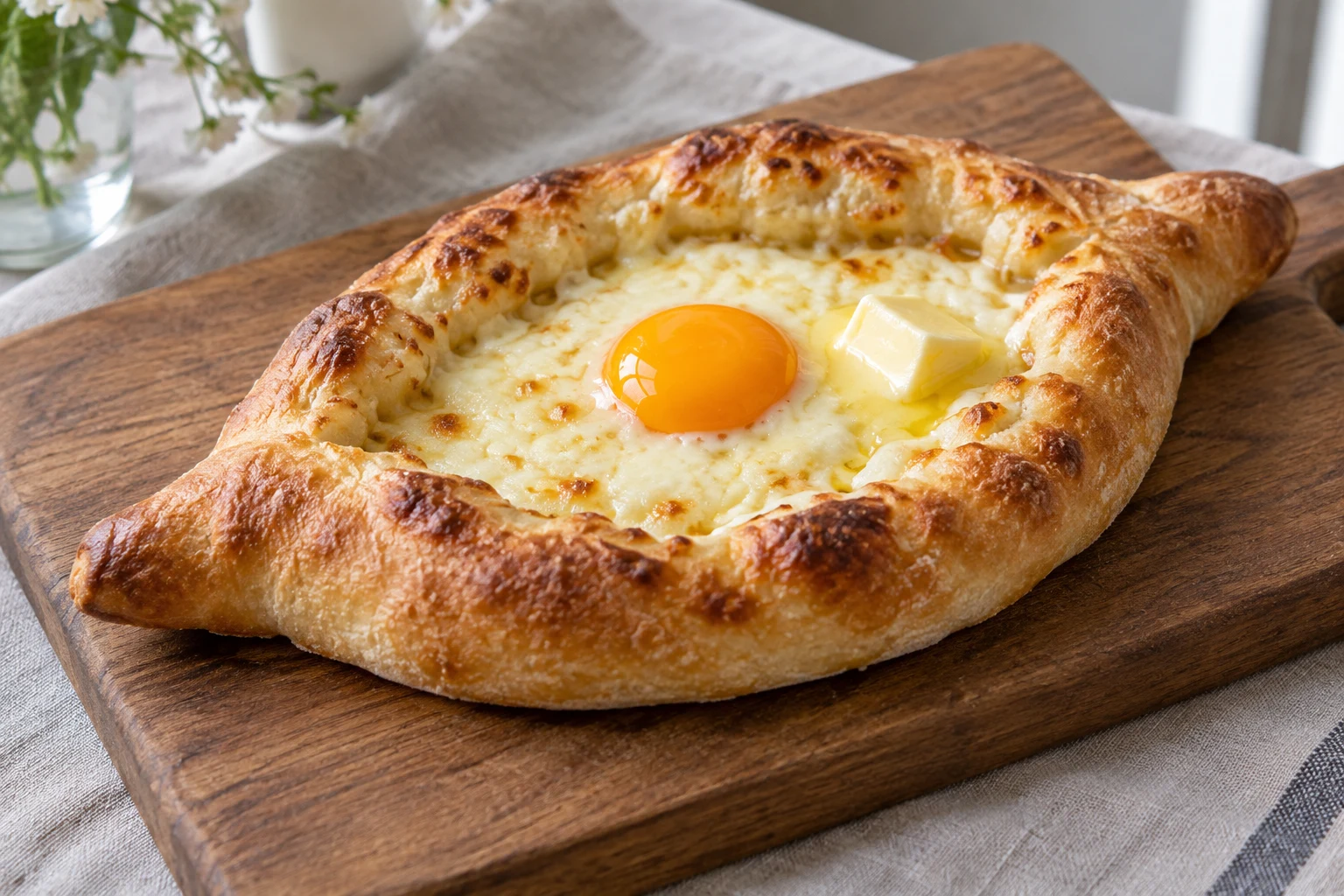
Adjarian khachapuri: read the boat before the first bite
Understand the open boat of Adjarian khachapuri, its late egg finish and regional identity, with clear distinctions between Georgian and adapted cheese recipes.
Chilean cuisine Baked savory pastries
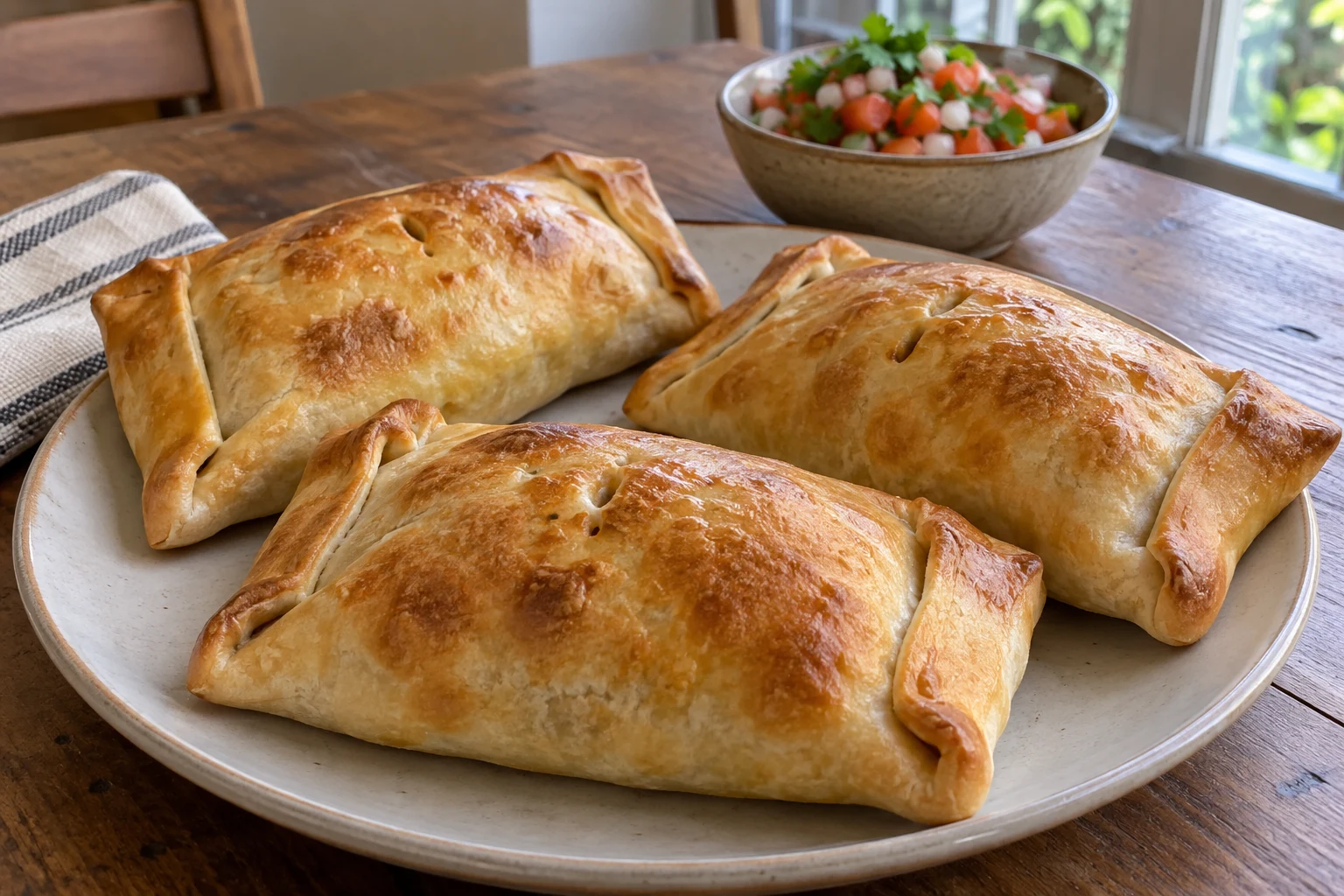
Empanadas de Pino: The Filling Comes Before the Fold
A Chilean oven empanada begins with cooked beef-and-onion pino. Compare filling methods, chilled assembly, folded edges and the separate egg-and-olive pieces.