
Cheese Khinkali: Keep the Filling Inside
Khinkali qvelit
Georgian cheese khinkali depend on a cohesive filling, a clean dough rim and a firmly gathered top. Learn how to judge all three before boiling.
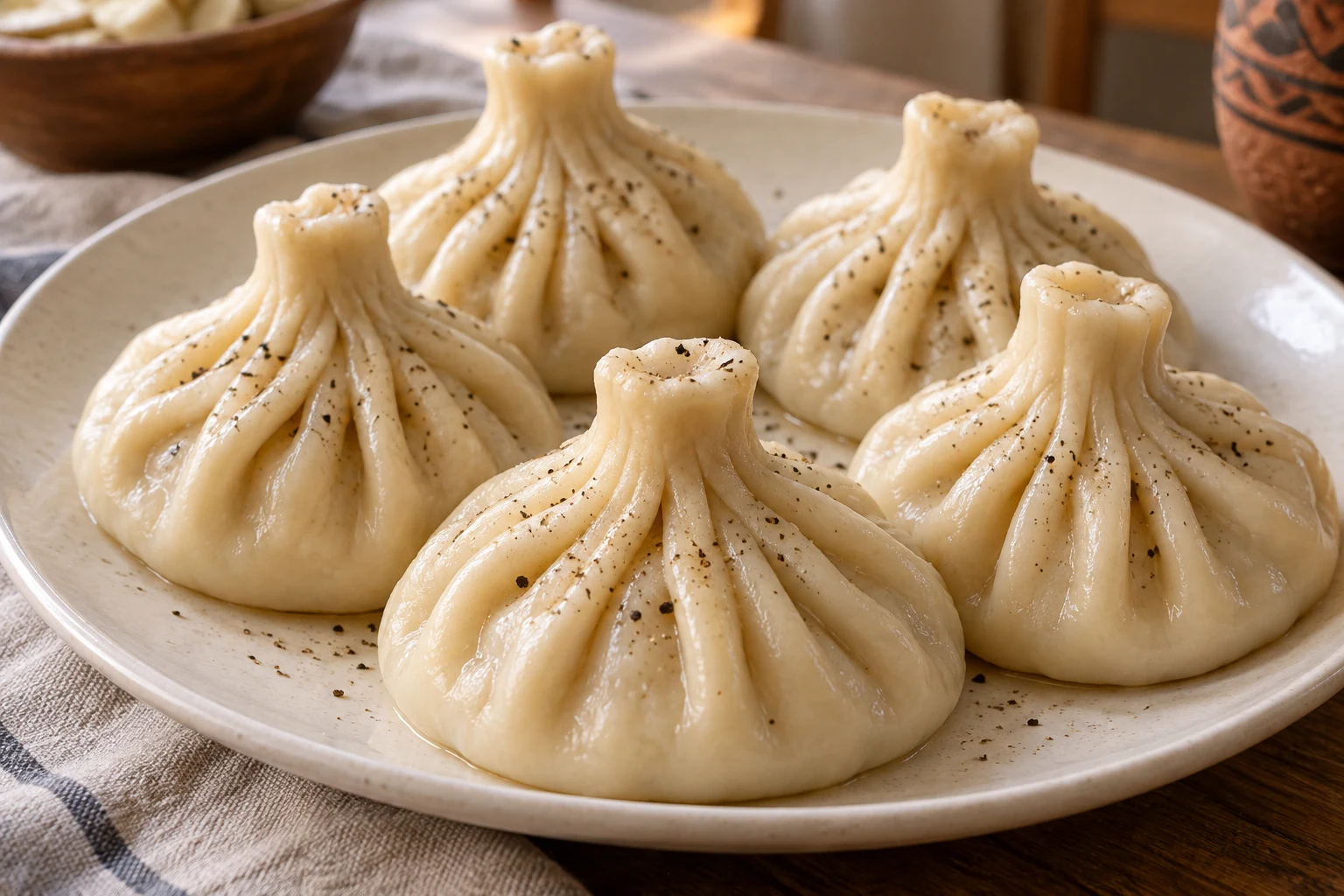
A cheese pouch, carefully closed
Cheese khinkali keep the familiar Georgian dumpling silhouette: a rounded pouch, a ring of gathered folds and a thick little handle at the top. Georgia's tourism authority lists cheese and cottage cheese among the fillings alongside meat, mushrooms and potatoes. Cheese belongs to this family in its own right.
The useful question at the board is whether the filling stays together while you close the wrapper. A soft mound is easy to enclose. A mixture that runs across the dough makes the rim slippery and the final pinch unreliable. Judge the filling before assembling an entire tray.
Different cheeses, different starting points
- Georgian cheeses
- Imeretian, sulguni and nadughi
- Soft cheese and herbs
- Strained ricotta
- A travel kitchen adaptation
- Feta with restrained milk
Chef Nikoloz Sarajev combines grated cheeses with soft nadughi. His version also has a separate spinach sauce and pressed matsoni.
Saveur's cheese khinkali use ricotta with sour cream, eggs, mint and cilantro. Removing excess moisture matters before mixing.
Corinne Vail's version uses feta and adds only enough milk for the filling to hold together.
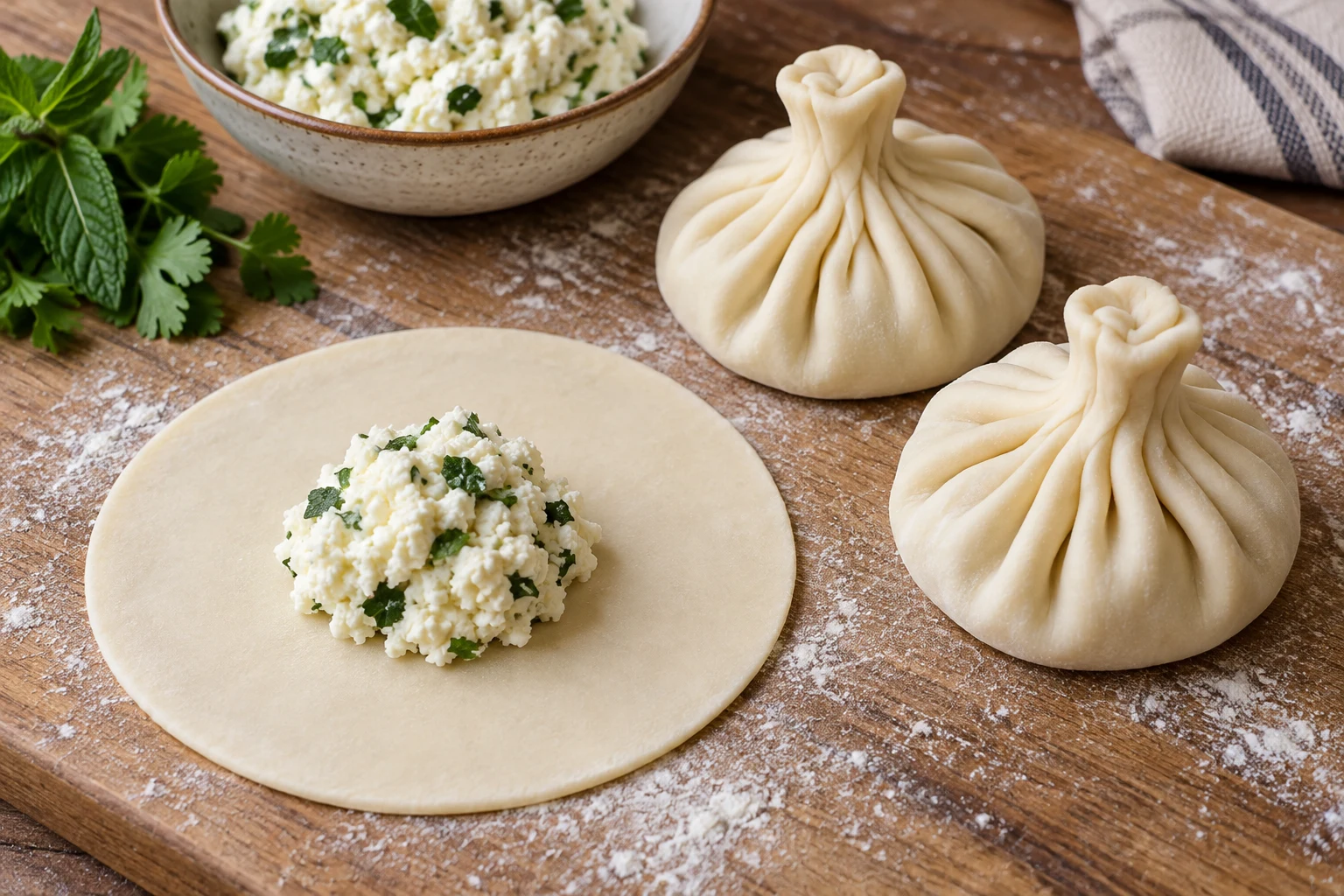
Four checks at the board and pot
Use the quantities in your chosen recipe. These checks help you judge the dough and filling as you work.
- 01
Start with a mound
Drain a visibly wet soft cheese before combining it with the other filling ingredients. Add any liquid gradually. The mixture should lift on a spoon and settle into a mound rather than spread into a puddle. Salty feta and milder ricotta need different seasoning; taste before adding any raw egg.
- 02
Rest, then roll
Knead the dough until smooth and give it the rest specified by the recipe before rolling rounds. Keep unused dough covered. A round that keeps springing back needs more rest; a dry edge is difficult to gather without cracking. Aim for a wrapper that can bend around the filling without tearing.
- 03
Keep the rim clear
Place the filling centrally and leave enough bare dough to gather. Work around the circumference in small folds, then bring them together and pinch the neck firmly. Avoid smearing cheese onto the seam. If you cannot close the top comfortably, reduce the filling in the next dumpling rather than stretch the wrapper harder.
- 04
Cook a small batch
Lower the dumplings into boiling salted water with room to move. Loosen them gently if they catch on the base, and follow your recipe's cooking guidance. Floating is not the only check: the wrapper must be cooked through. When the filling contains raw egg, check a dumpling's center with a food thermometer for 160°F / 71°C.
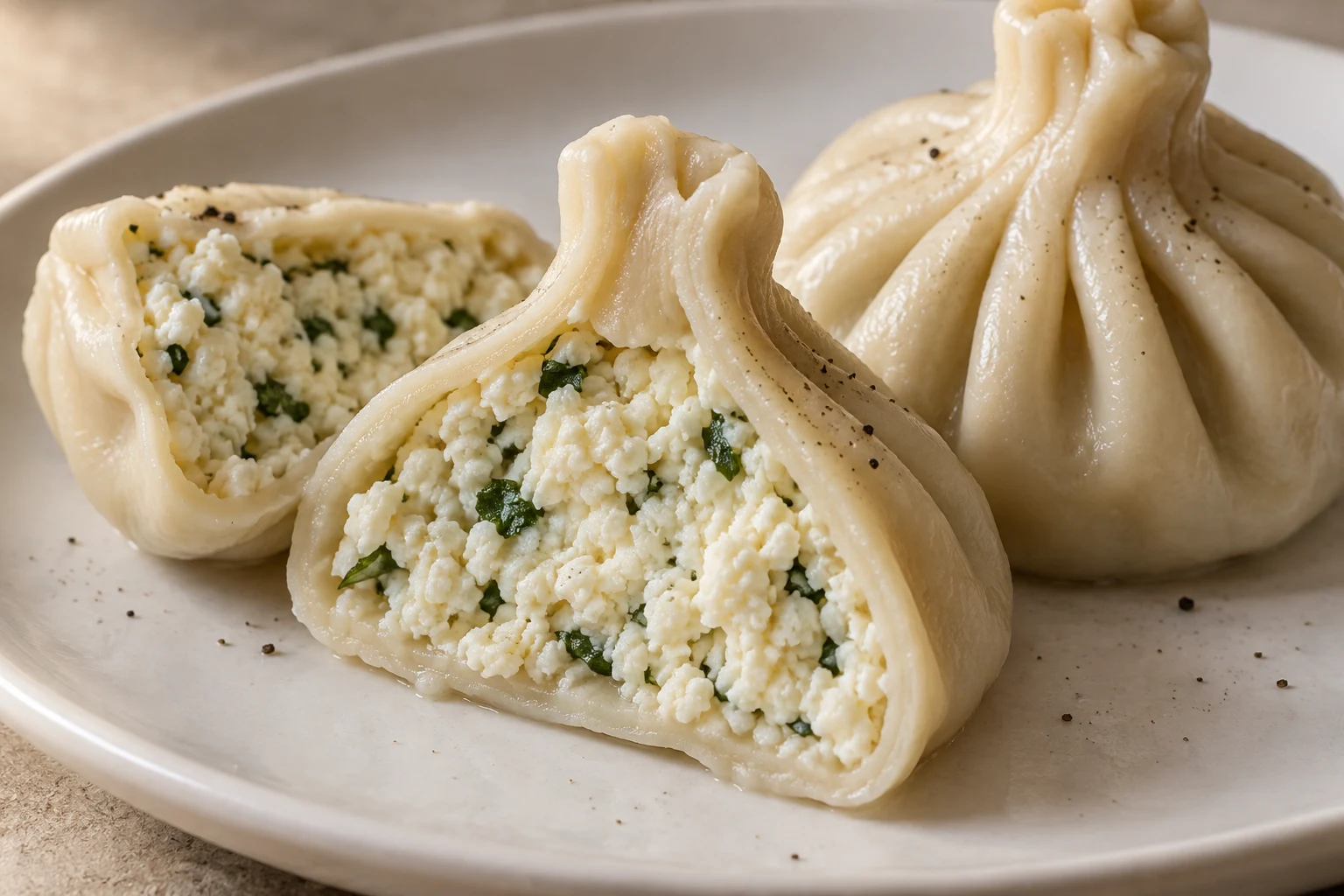
Open one before serving the rest
A sample dumpling tells you more than the appearance of the pot. Look for a cooked wrapper and softened cheese inside, then check whether the closure has held. A split seam suggests a problem with the amount of filling, the clean rim or the strength of the pinch. Adjust the next batch at the board.
Serve hot, with black pepper if you like, and let the first bite cool enough to handle. The top gives you somewhere to hold the dumpling. Meat khinkali are associated with slurping their enclosed broth; a cheese version may have a moist, creamy center instead. Let the cheese's texture lead the experience.
Research notes
Sources and filling variations
These sources document cheese khinkali, distinct filling formulations and the cooking check for egg-containing mixtures.
- Georgia National Tourism Administration: khinkali Documents the dumpling's gathered shape and cheese or cottage-cheese variations.
- Corinne Vail: cooking khinkali in Georgia First-person cooking account with a feta-based cheese filling and full preparation method.
- Saveur: Georgia feature and cheese khinkali, Spring 2019 Original magazine feature hosted by its author; includes cheese-and-herb khinkali made with strained ricotta, eggs and sour cream.
- Nikoloz Sarajev: cheese khinkali, Borjomi Gastro Guide A named Georgian chef's version with Imeretian cheese, sulguni and nadughi.
- FoodSafety.gov: minimum internal temperatures Official guidance for egg dishes: 160°F / 71°C.
Keep exploring
More stories for your table
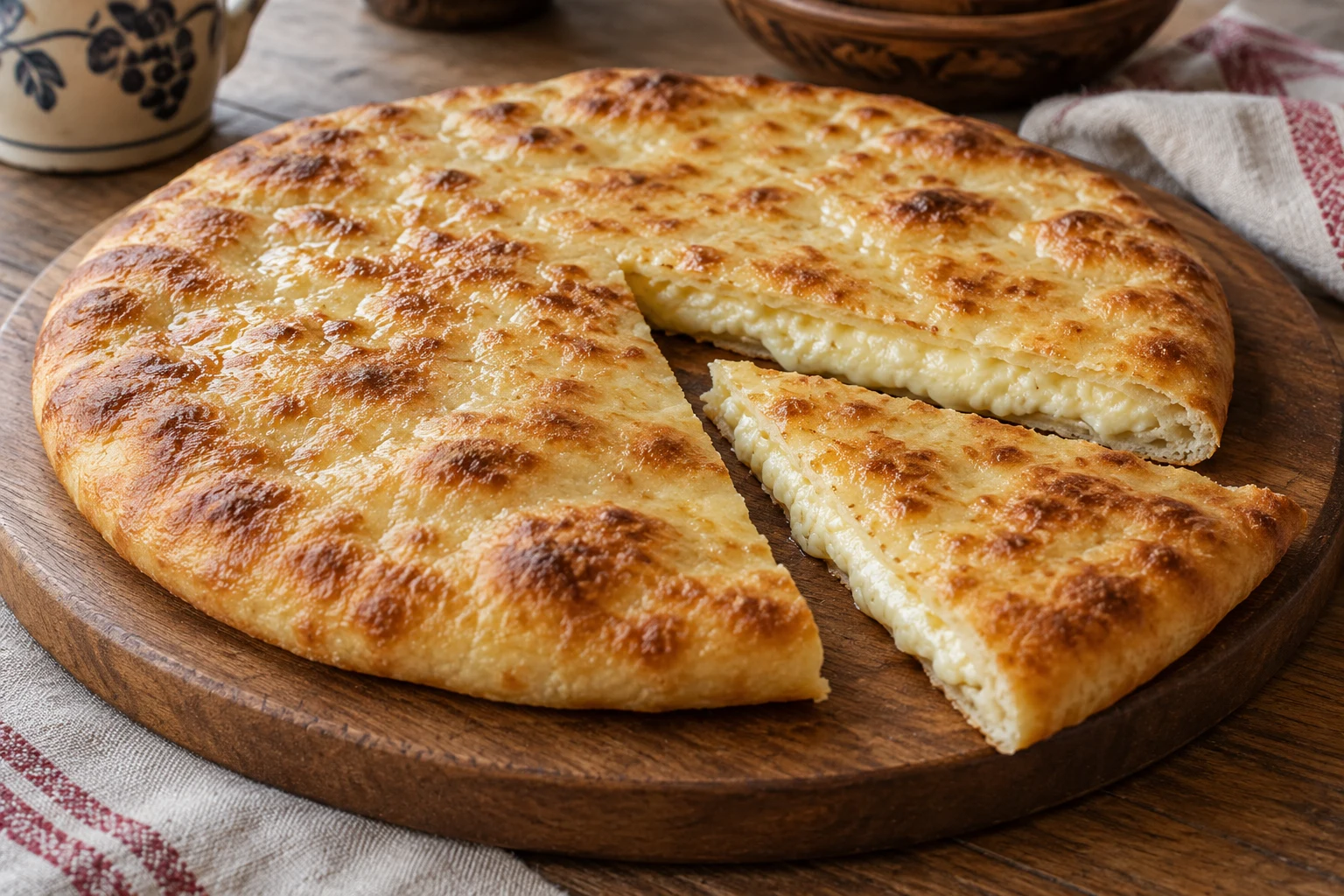
Georgian cuisine Cheese bread
Khachapuri: Choose the Shape Before the Dough
A closed Imeretian round and an open Adjarian boat ask different things of their dough. Start with the shape, then choose the cheese and method.
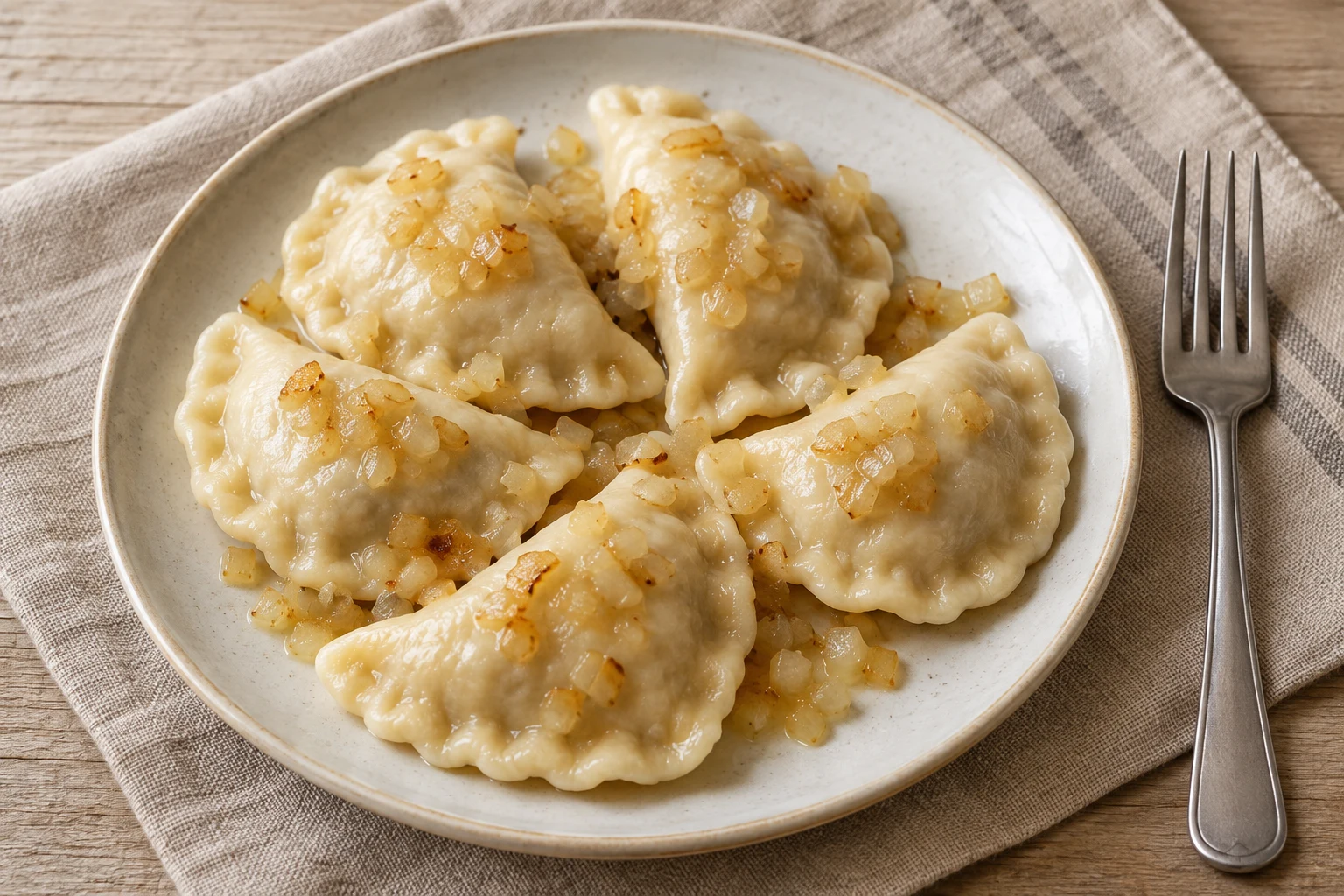
Polish cuisine Dumplings
Meat Pierogi: Make the Filling Moist Before You Fold
Turn cooked soup beef into Polish meat pierogi. Learn how onion, carrot and a little broth soften the filling, then make a complete home adaptation.
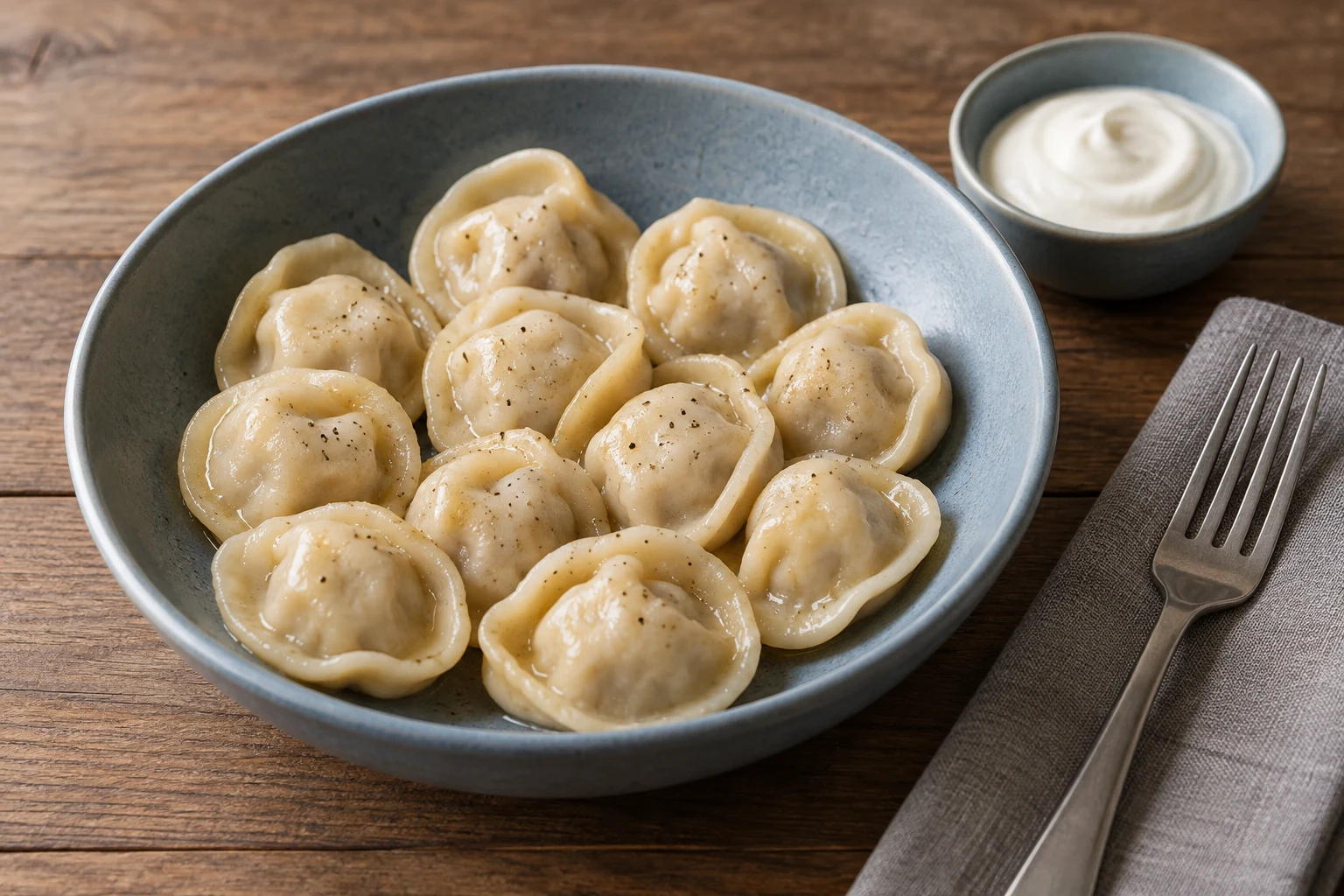
Russian cuisine Dumplings
Pelmeni: The Shared Work Behind a Quick Meal
Pelmeni turn a session of rolling, filling and folding into meals for later. Explore their regional context, how to freeze a batch, and two ways to serve it.