
Inihaw na liempo: three liquids, three different jobs
Inihaw na liempo
A useful way to understand Filipino grilled pork belly: choose a marinade, manage the sweet basting sauce, and keep the vinegar dip fresh.
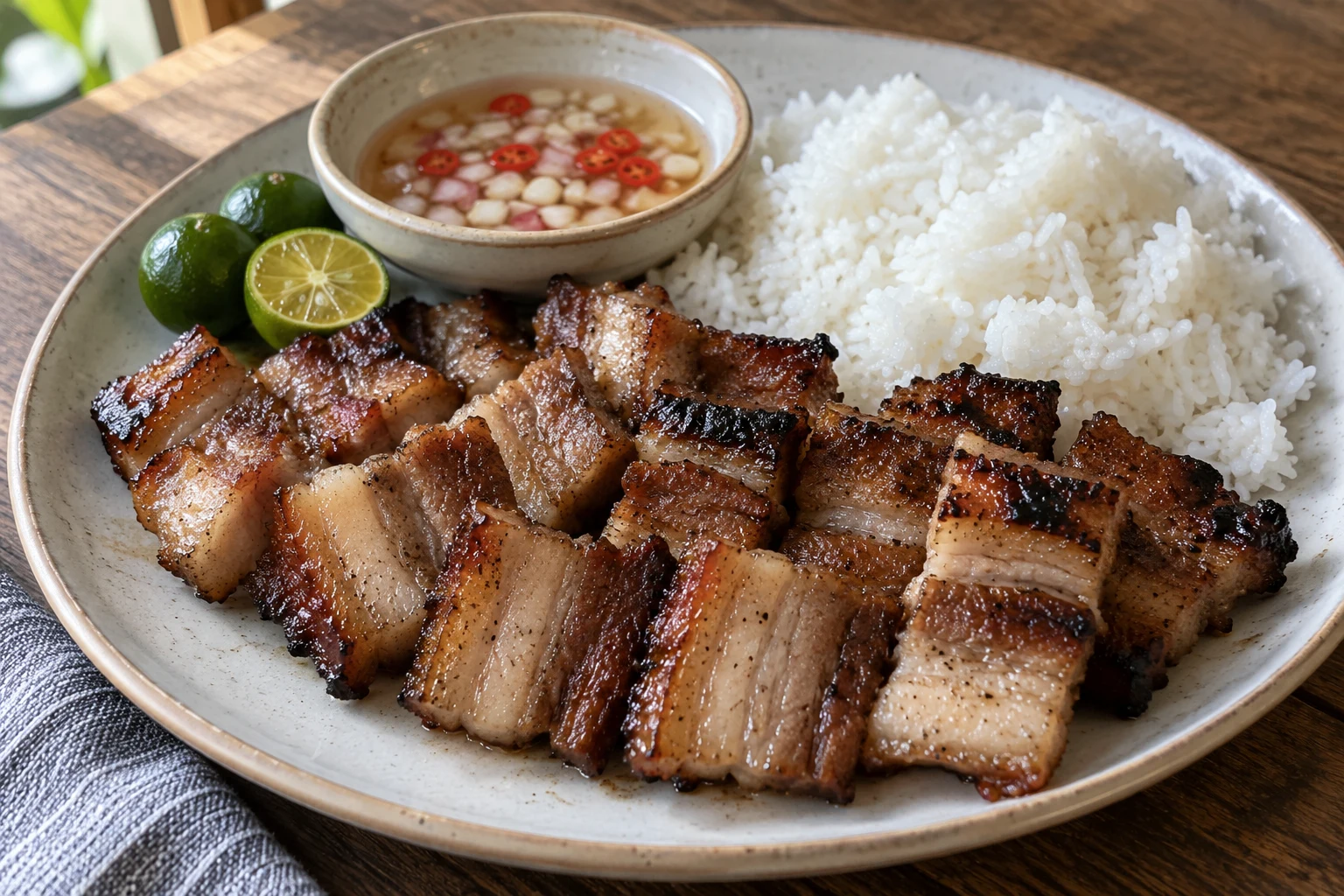
The sauce beside the plate is not the sauce on the grill
Inihaw na liempo is grilled pork belly, but the most useful distinction happens before the meat reaches the grate. A marinade seasons the uncooked strips. A basting mixture changes their surface while they cook. A dipping sauce accompanies the finished meal. These liquids may share ingredients, yet each has a separate job—and a separate place in a clean cooking setup.
The published recipes also show why there is no need to force every version into one formula. Vanjo Merano uses soy sauce, citrus and banana ketchup in his Easy Liempo recipe. Lalaine Manalo's recipe uses fish sauce and calamansi in the marinade, then adds oyster sauce to the prepared baste. Choosing one complete approach gives a cook a clearer starting point than combining their quantities indiscriminately.
Keep three containers in mind
- Marinade
- Before cooking
- Baste
- During grilling
- Dip
- At the table
Season the pork in the refrigerator; its container becomes part of the raw-meat workspace.
Prepare a clean portion for the surface of the meat, using the procedure in the chosen recipe.
Mix a fresh sauce for serving, with its own clean spoon and bowl.
Start with the strip you actually have
Belly supplies both lean meat and fat in the same strip. Slicing it before cooking exposes edges to the heat and makes the pieces easier to reposition. Manalo specifies half-inch slices; Nicole Ponseca and Miguel Trinidad use one-inch strips. That difference matters more than a promise that every piece will be ready after the same number of minutes.
Before lighting the grill, compare the meat with the cut described in your selected recipe. A thick slab, thin slices and already cooked belly are different starting materials. Keep pieces reasonably consistent within a batch, leave room between them, and plan to measure doneness rather than treating brown edges as proof that the interior is ready.
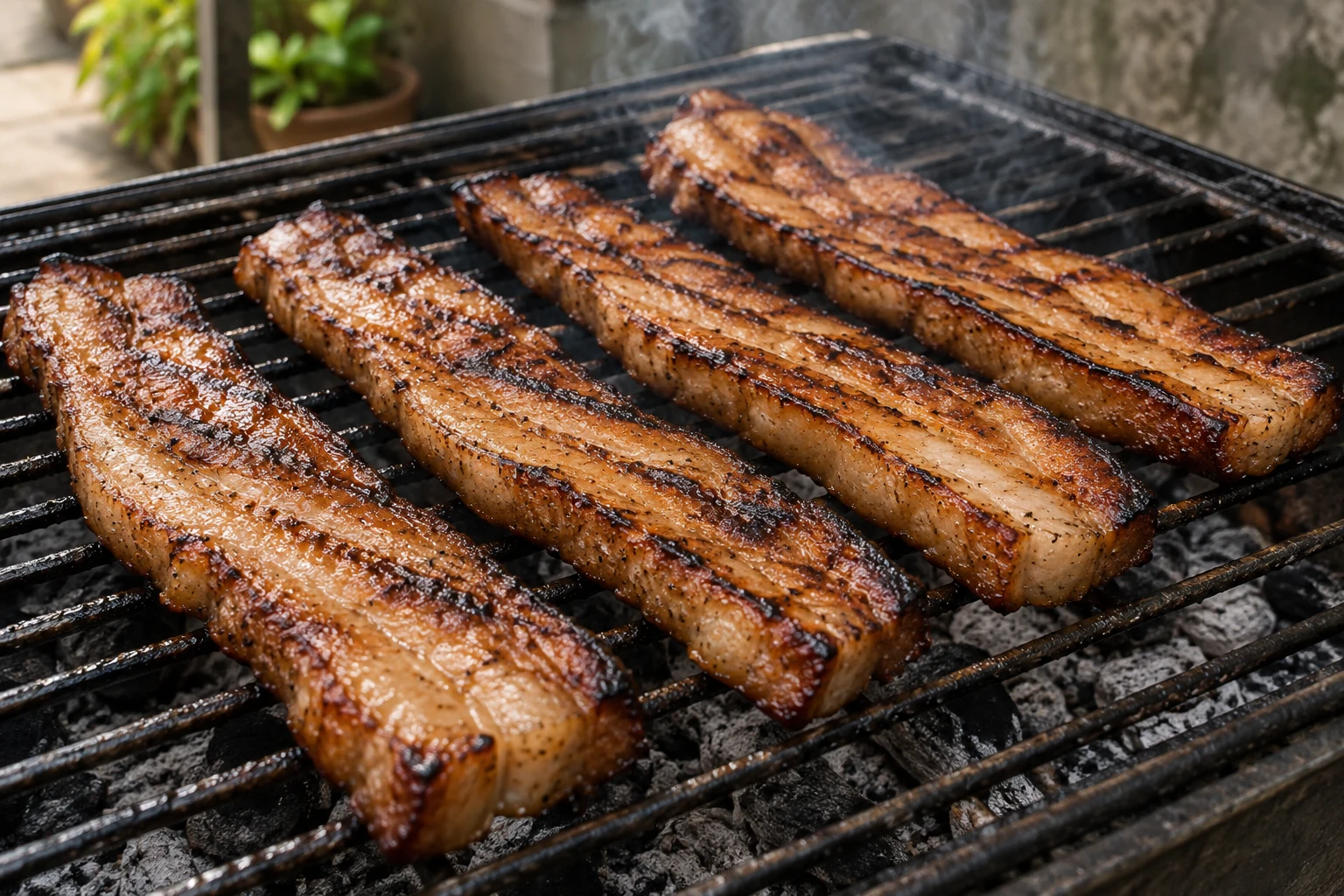
Choose how much glaze you want
Both approaches produce grilled belly, with different work at the grate.
A sweet, basted surface
Merano prepares a separate basting mixture with banana ketchup. Unilever Food Solutions' professional pan-grilled version also separates its marinade from a sweet glaze. Apply that glaze according to the chosen method and watch the surface closely as it colors.
- Prepare the baste before handling raw meat.
- Keep a less intense area of heat available.
A simpler seared surface
Ponseca and Trinidad marinate with soy sauce and calamansi, discard that liquid, then grill and serve with a dipping sauce. Their version offers a useful option when the bright finish will come from the bowl beside the plate.
- Choose this complete method instead of adding an unplanned glaze.
- Give the table sauce its own fresh ingredients.
A grilling setup that keeps the jobs clear
- 01
Divide the work before the pork
Measure marinade ingredients and mix any fresh baste or serving sauce first. Taste those clean mixtures while adjusting seasoning, before they touch uncooked meat.
- 02
Marinate under refrigeration
UC Agriculture and Natural Resources advises refrigerating meat while it marinates. Keep the raw-meat container distinct from the bowls that will be used at the table.
- 03
Handle the baste deliberately
Merano starts with a fresh mixture. Manalo's different procedure boils reserved marinade before turning it into a baste. That heating stage is part of her method; simply brushing untreated used marinade onto finished meat is not an equivalent shortcut.
- 04
Check the meat and change the tools
Use a food thermometer with the recommended guidance for the cut, rather than judging safety by surface color. Move cooked pieces to a clean plate with clean utensils, keeping the raw-meat tools out of the serving area.
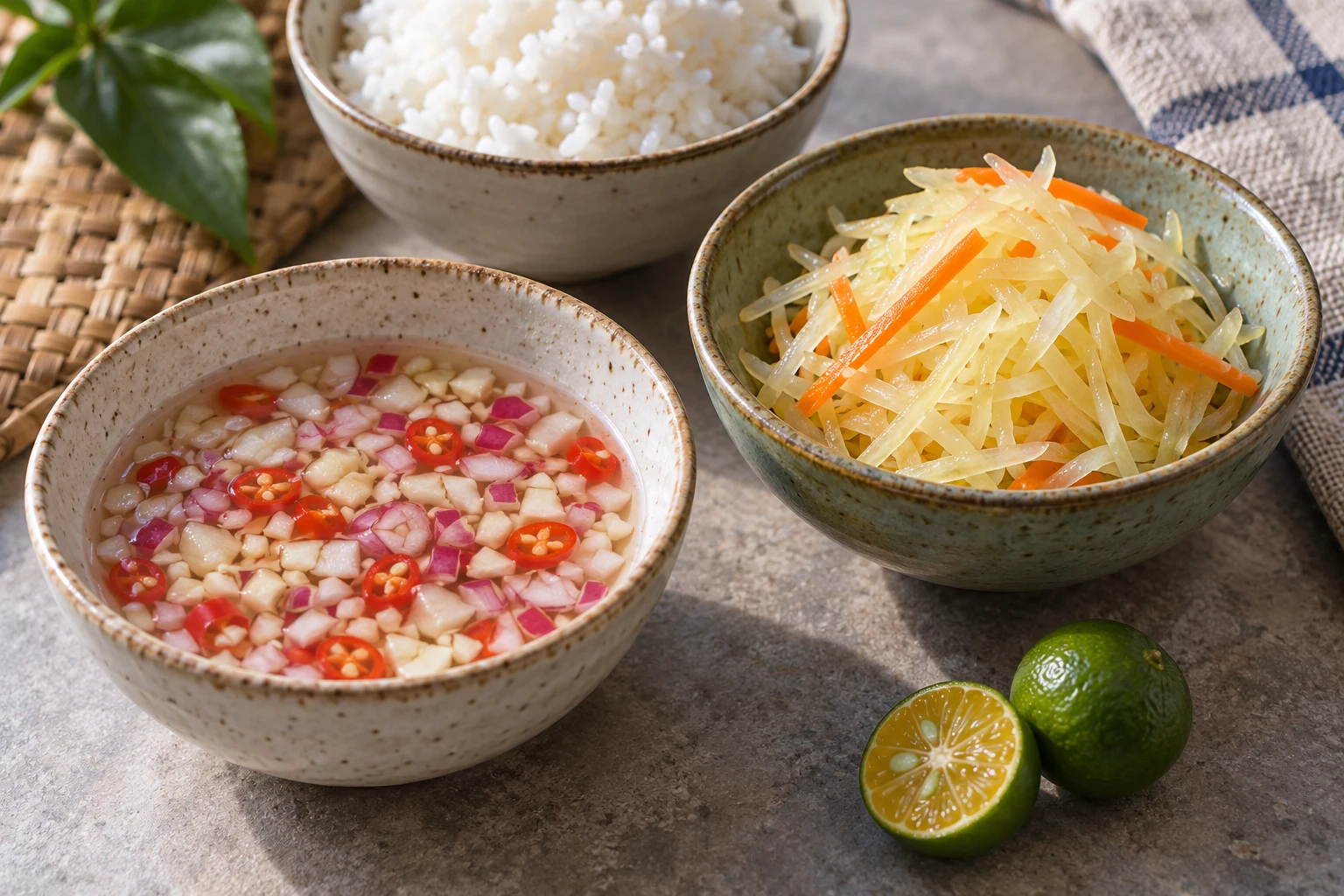
Rice, vinegar and something crisp
White rice gives the richly flavored pork a quiet partner. Merano suggests atchara, the shredded green-papaya pickle, and spicy vinegar. Those accompaniments provide two different experiences: a crisp bite from the pickle and a liquid dip that reaches the edges of each slice.
Manalo's serving sauce combines vinegar with garlic, onion and chili. Set it out fresh and let diners dip individual pieces. That arrangement makes the meal adjustable without changing the whole platter: more chili in one person's bowl, less sauce on another's pork, and rice between bites.
The useful goal is a plate with contrast and a cooking sequence you can follow. Select a marinade, decide whether the surface needs a glaze, and make the table sauce separately. Those small decisions explain much of the difference between a balanced grilled meal and a collection of sauces whose roles have become blurred.
Research notes
Sources and recipe variations
The linked recipes document different working methods. This guide compares their decisions; it does not combine their quantities into a new tested recipe. Images are generated illustrations of the dish and its serving setup.
- Vanjo Merano: Easy Liempo Inihaw Separately mixed banana-ketchup baste, citrus marinade and rice, pickle and vinegar accompaniments.
- Lalaine Manalo: Inihaw na Liempo Half-inch belly slices, fish-sauce marinade, a boiled-marinade basting procedure and a fresh vinegar dip.
- Nicole Ponseca and Miguel Trinidad: grilled pork belly A soy-calamansi version that discards the marinade and serves a dipping sauce.
- Unilever Food Solutions Philippines: Recipes with a Twist The Pan-Grilled Liempo sheet separates a marinade from its sweet basting glaze.
- UC ANR Master Food Preservers: Summer BBQ Food Safety Refrigerated marination, clean reserved sauces, thermometer checks and separate raw and cooked utensils.
Keep exploring
More stories for your table
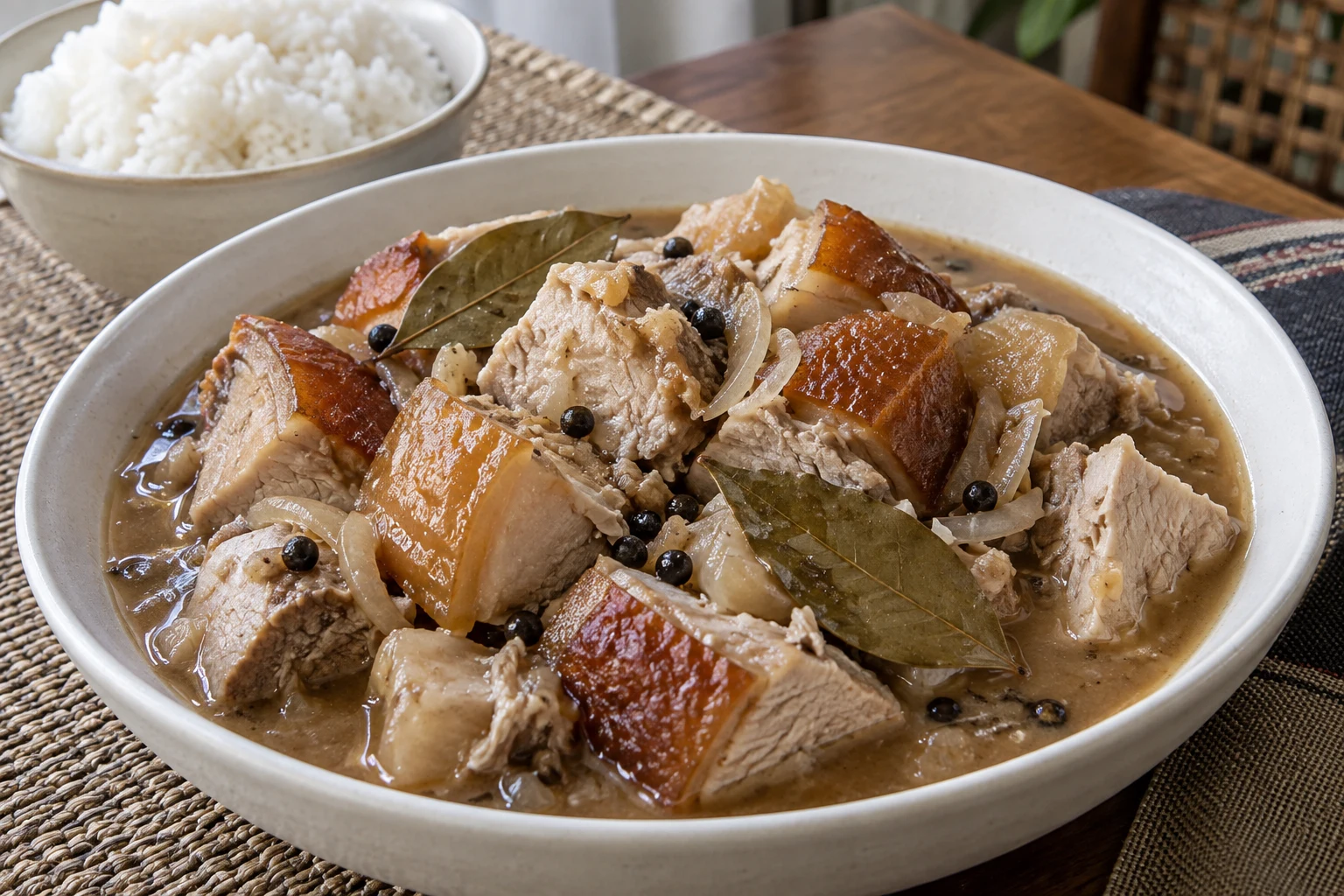
Filipino cuisine Pork stew
Lechon Paksiw: Let the Roast Become a Stew
Roast pork takes a second form in lechon paksiw. Compare sauce timing, softened skin and the sweetness already in a bottle of lechon sauce.
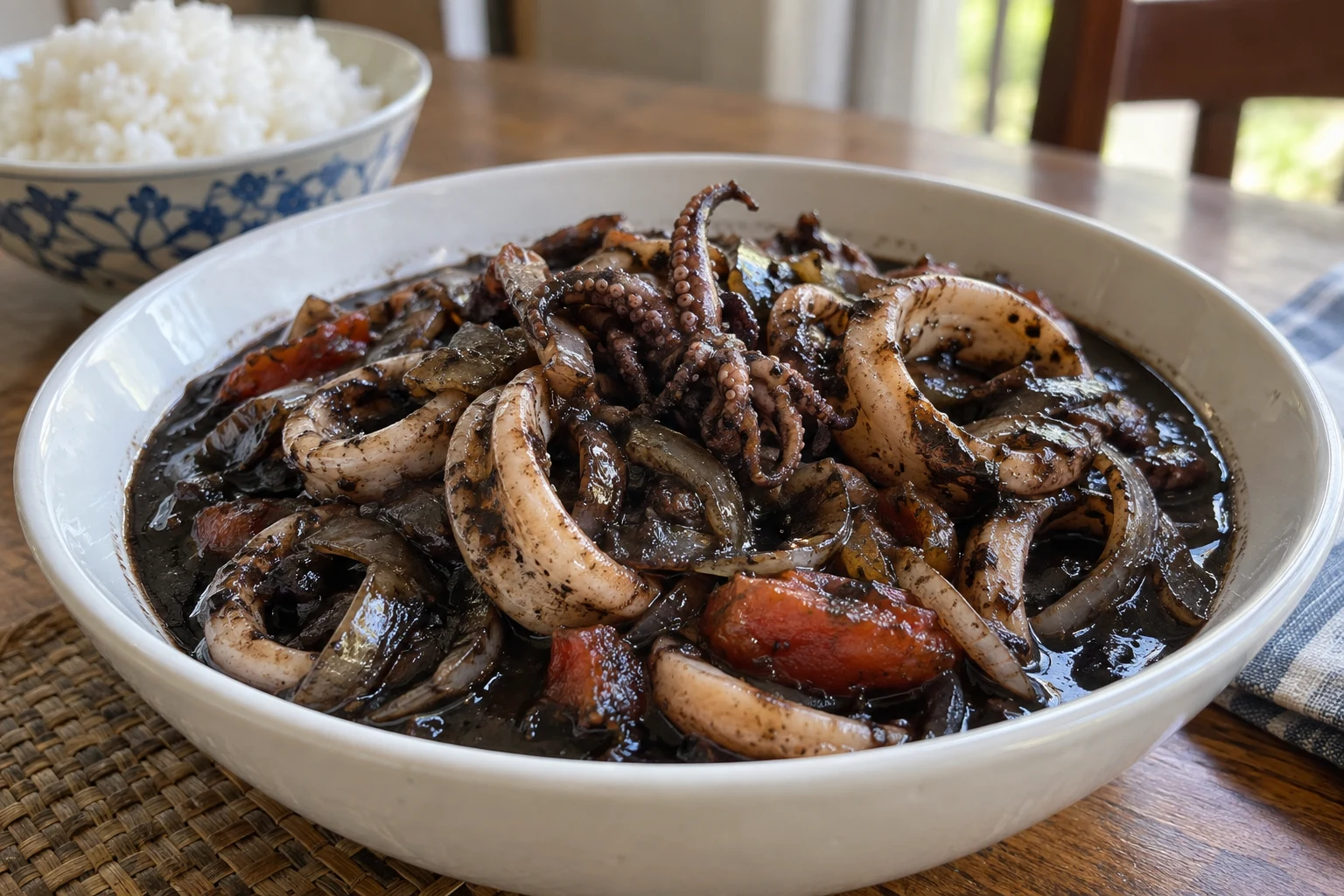
Filipino cuisine Squid dishes
Adobong pusit: finish the sauce without losing the squid
Squid adobo varies in ink, seasoning and vegetables. Compare the ways Filipino cooks finish its sauce while keeping the squid’s texture in view.
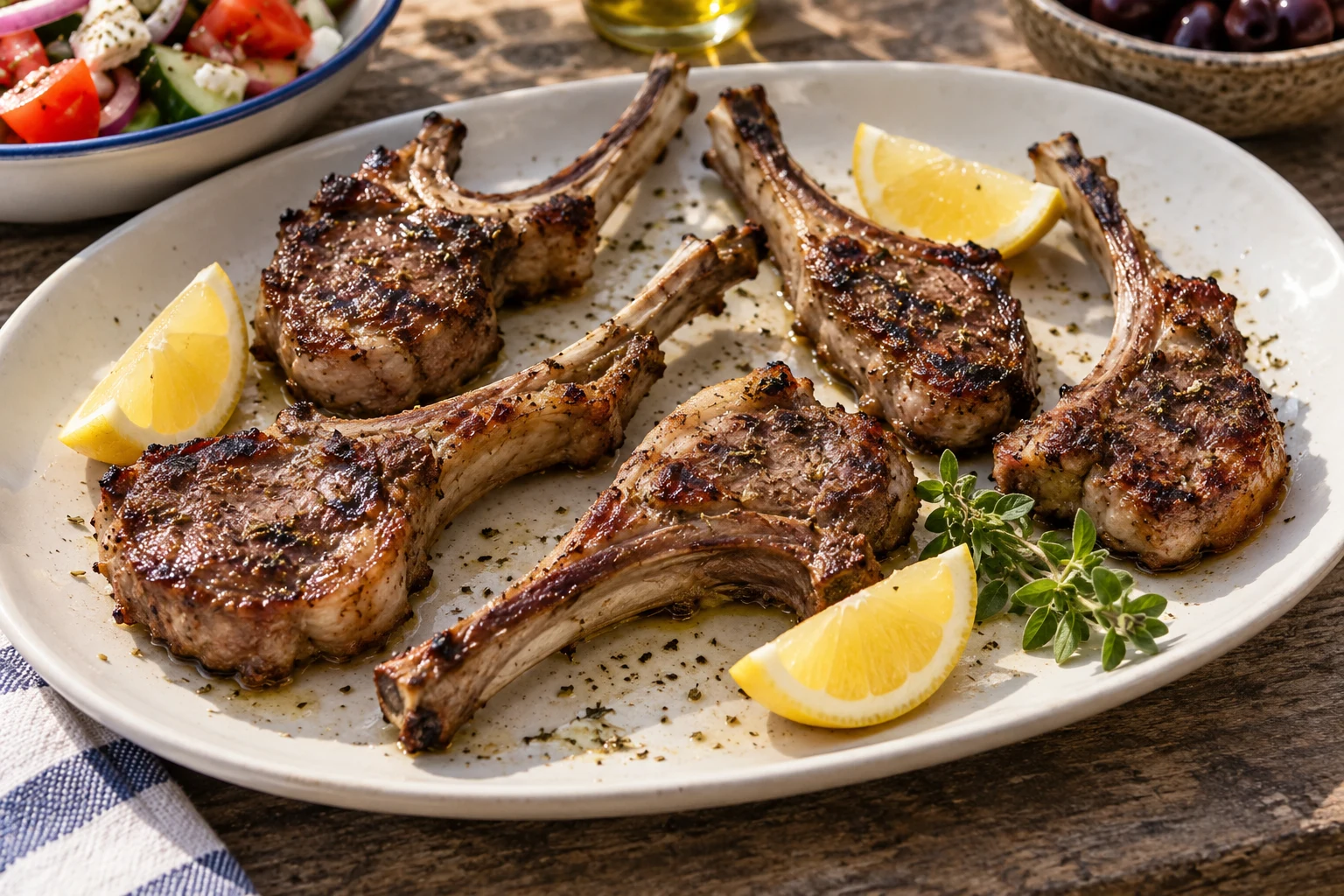
Greek cuisine Lamb chops
Paidakia: Choose the Chop Before the Marinade
Greek-style lamb chops start with the cut and thickness. Compare rib and loin chops, keep marinade separate from finishing sauce, and judge the center as well as the crust.