
Tibs: Give the Meat Its Own Moment
Tibs
Tibs rewards reading the sequence as carefully as the spice list. The meat, onion and seasoning may share a pan, but documented cooks give them different stages—and sometimes a very different sauce.
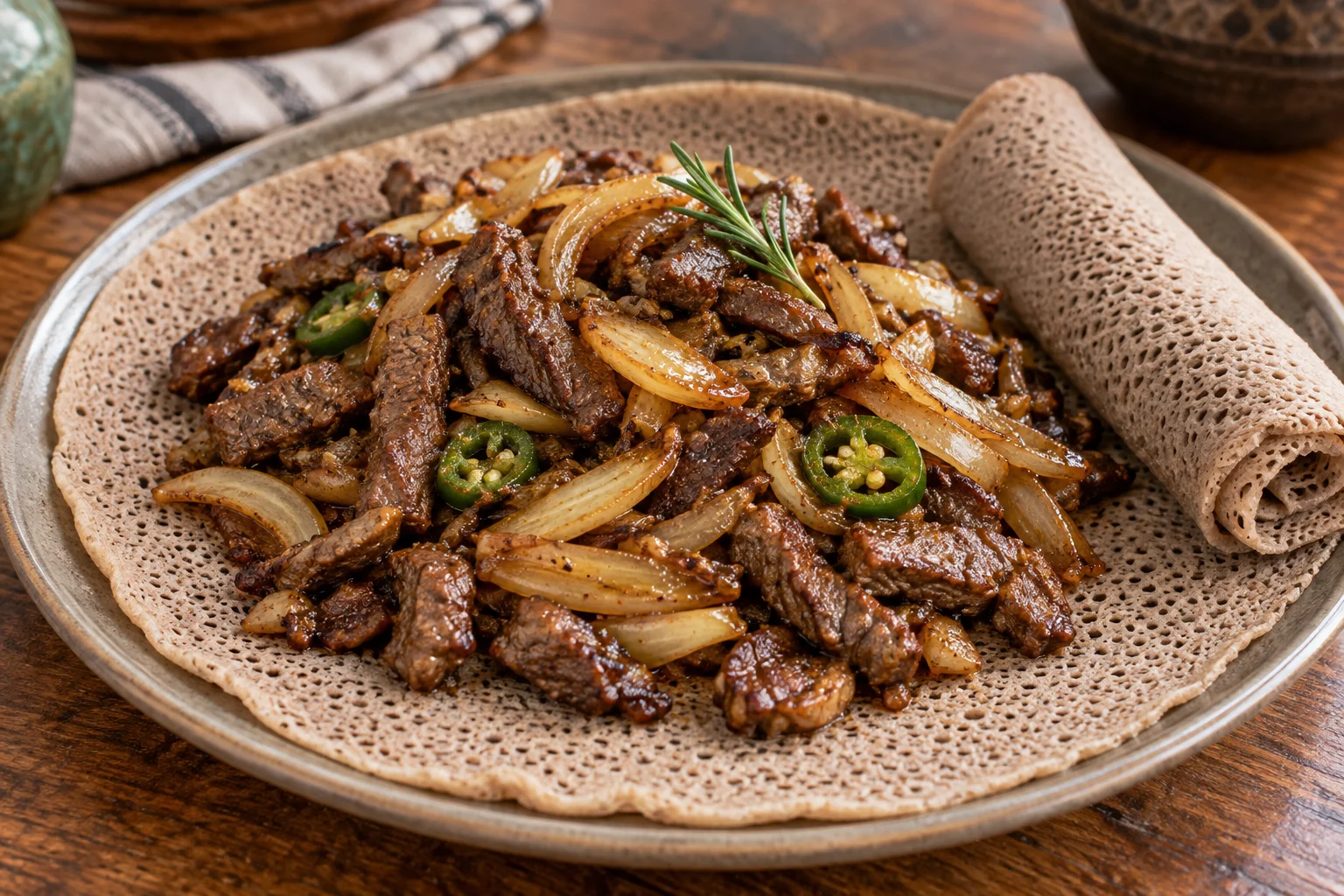
A family of pan-cooked meat preparations
An Ethiopian tibs recipe is easier to understand when you separate four decisions: the meat and its cut, the treatment of the onion, the point where seasoning enters, and the amount of sauce at the end. Named cooks make different choices in each position. A plate of browned beef and onion and an awaze-seasoned lamb preparation can both belong in this conversation without having identical textures.
The practical question is what the recipe asks the pan to do next. Is the onion still developing? Is there room to brown another small portion of meat? Has a wet seasoning already entered? Reading those transitions before switching on the heat helps a cook follow a complete method instead of assembling unrelated instructions into a crowded skillet.
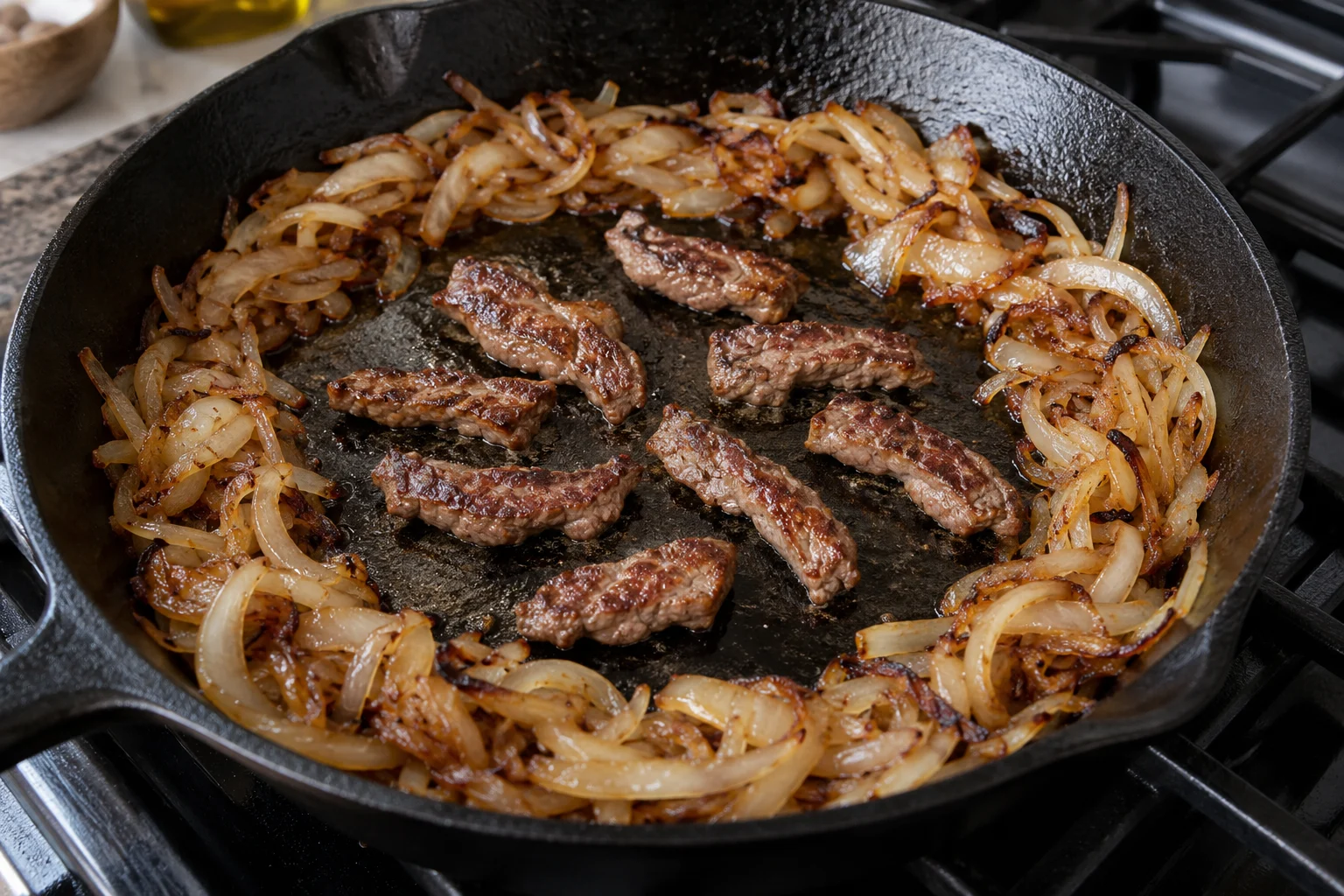
Quick meat does not mean quick onions
Saveur’s siga tibs, adapted from Yohanis Gebreyesus and Jeff Koehler, develops sliced onion to a deep golden brown before browning small portions of beef in the cleared center of the skillet. The onion stage is substantial even though the meat stage proceeds in shorter portions.
Hank Shaw’s version lightly chars onion in a hot pan without butter before adding spiced butter and meat. Deeply golden onion and briefly charred onion are distinct targets; the presence of the same ingredient does not make the instructions interchangeable.
Four questions to answer before cooking
- 01
What shape is the meat?
Saveur specifies thin strips cut across the grain; Marcus Samuelsson’s restaurant adaptation uses diced tenderloin, and the Mengistu-associated awaze recipe uses cubed lamb. Follow the cut and shape of the method you choose. A short cooking stage cannot be transferred automatically to a different piece.
- 02
Where is the working space?
Both Saveur and Shaw divide the meat stage when the pan is not large enough. Treat portions as part of the method, rather than trying to fit the entire quantity into the center in one move. Prepare a place for each stage before cooking begins.
- 03
Which ingredients are already ready?
Shaw emphasizes preparing the ingredients before his fast cooking sequence. Slice the onion and chiles, prepare the garlic and measure the seasoning before the meat stage demands attention. This makes the written order possible to follow without interrupting it.
- 04
When does the liquid arrive?
A late addition of tomato and wine is a different route from putting awaze into the aromatics before adding lamb. Mark that transition in the chosen recipe. It tells you whether the next stage takes place in a mostly dry pan or an existing seasoning mixture.
Three documented paths through the pan
These are method comparisons, rather than one blended recipe. Their complete instructions are linked below.
Onion first, beef in portions
The Gebreyesus-based Saveur preparation gives onion its own browning stage, then cooks beef in the center. Spiced butter, berbere and rosemary join after the beef portions have browned; jalapeño follows. Its basic arrangement emphasizes meat and onion.
A late saucy finish
Shaw follows the meat with spices, garlic and chiles, then tomato and wine. His account connects the preparation to The Horn of Africa restaurant and identifies the published recipe as his later reconstruction.
Awaze before lamb
The Tasted description accompanying chef Philipos Mengistu mixes an awaze seasoning separately. Onion, garlic and ginger start the pan; awaze follows, then cubed lamb. The publisher explicitly calls this written recipe a slight variation from the filmed demonstration.
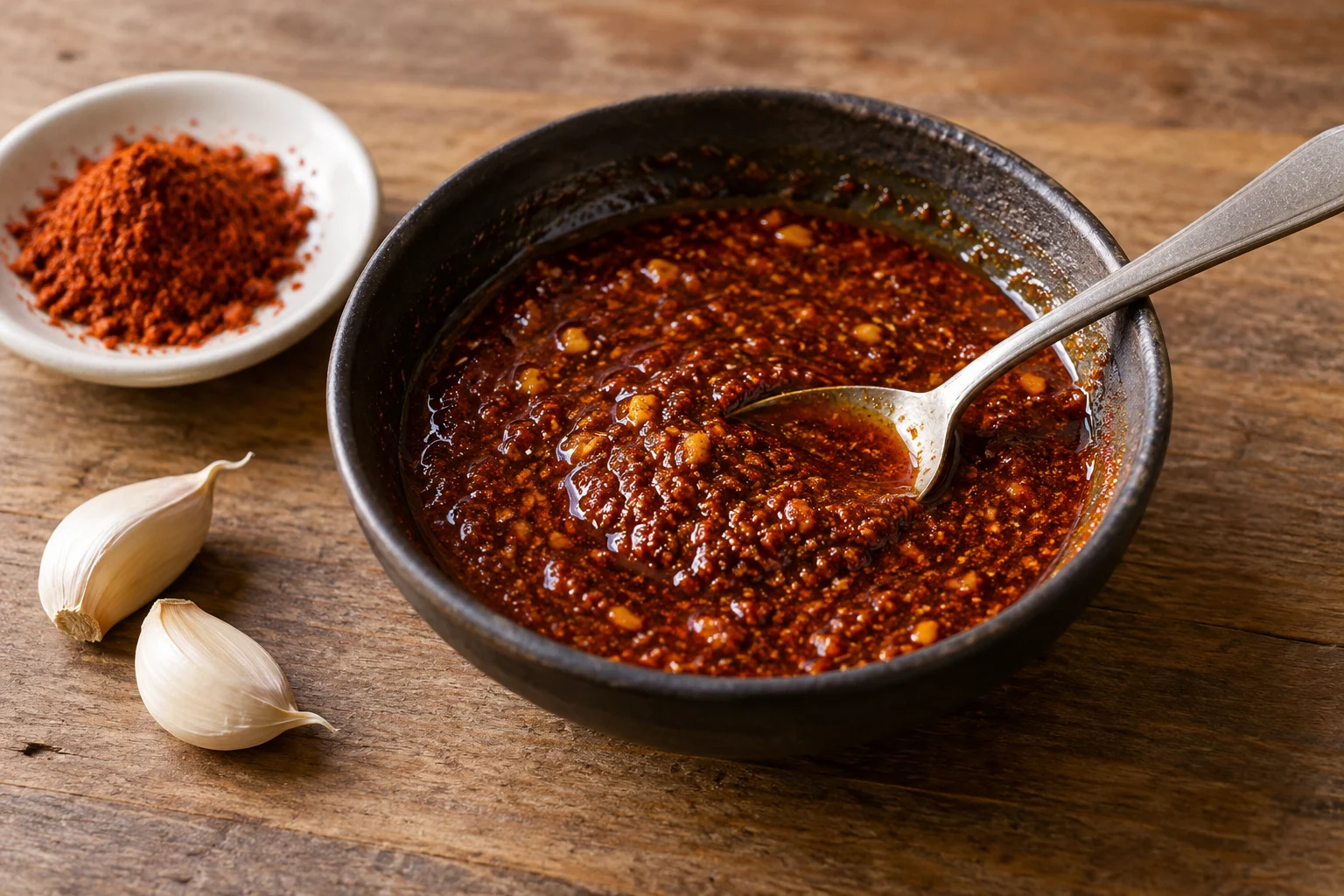
Let the seasoning keep its identity
In the Mengistu-associated written preparation, the awaze mixture combines berbere, oil, garlic and ginger with tej, the Ethiopian honey wine, while allowing white wine as an alternative. It also lists optional additions. That is a specific formula for this sauce-first dish; it does not establish that every tibs must use the same bowl of seasoning.
Shaw identifies fenugreek as a distinction in the restaurant version he recalls. That house preference explains his recipe without making the ingredient a requirement for every tibs.
Research notes
Named cooks and clearly identified adaptations
These four independently published sources establish the dish and its meaningful variations. The comparison keeps each cook’s sequence, house seasoning and serving arrangement attached to its source.
- Saveur / Yohanis Gebreyesus and Jeff Koehler: Siga Tibs Cookbook adaptation develops golden onions, browns beef in portions and adds its final butter and seasonings afterward.
- Hank Shaw: Tibs, Ethiopian stir-fried meat First-person restaurant background and an explicitly reconstructed recipe; staged meat cooking and a late tomato/wine addition.
- Tasted / Philipos Mengistu: written Awaze Tips recipe The opened creator description supplies a separate awaze mixture and sauce-before-lamb order; says the text varies slightly from the demonstration.
- Marcus Samuelsson: Tibs and Grits at Hav & Mar Chef’s own restaurant adaptation: aromatics, berbere, diced tenderloin and butter/lemon finish, with grits service explicitly contextualized.
Keep exploring
More stories for your table
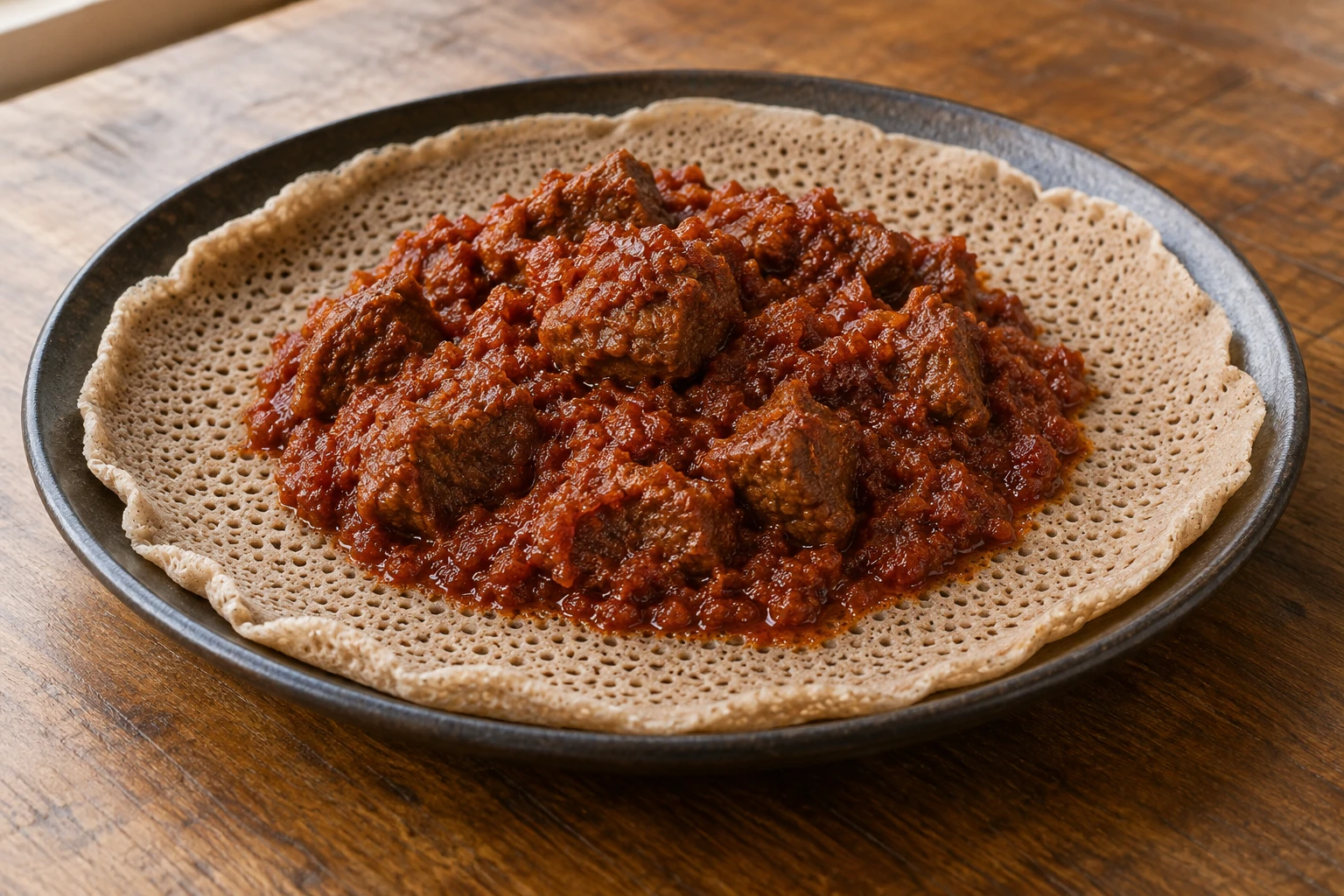
Ethiopian cuisine Beef stew
Sega Wot: Build the Sauce Before the Beef
Learn how cooked onions, gently heated berbere and a patient simmer build sega wot, with a home adaptation of Ethiopia’s spicy beef stew.
Ethiopian cuisine Beef sauté
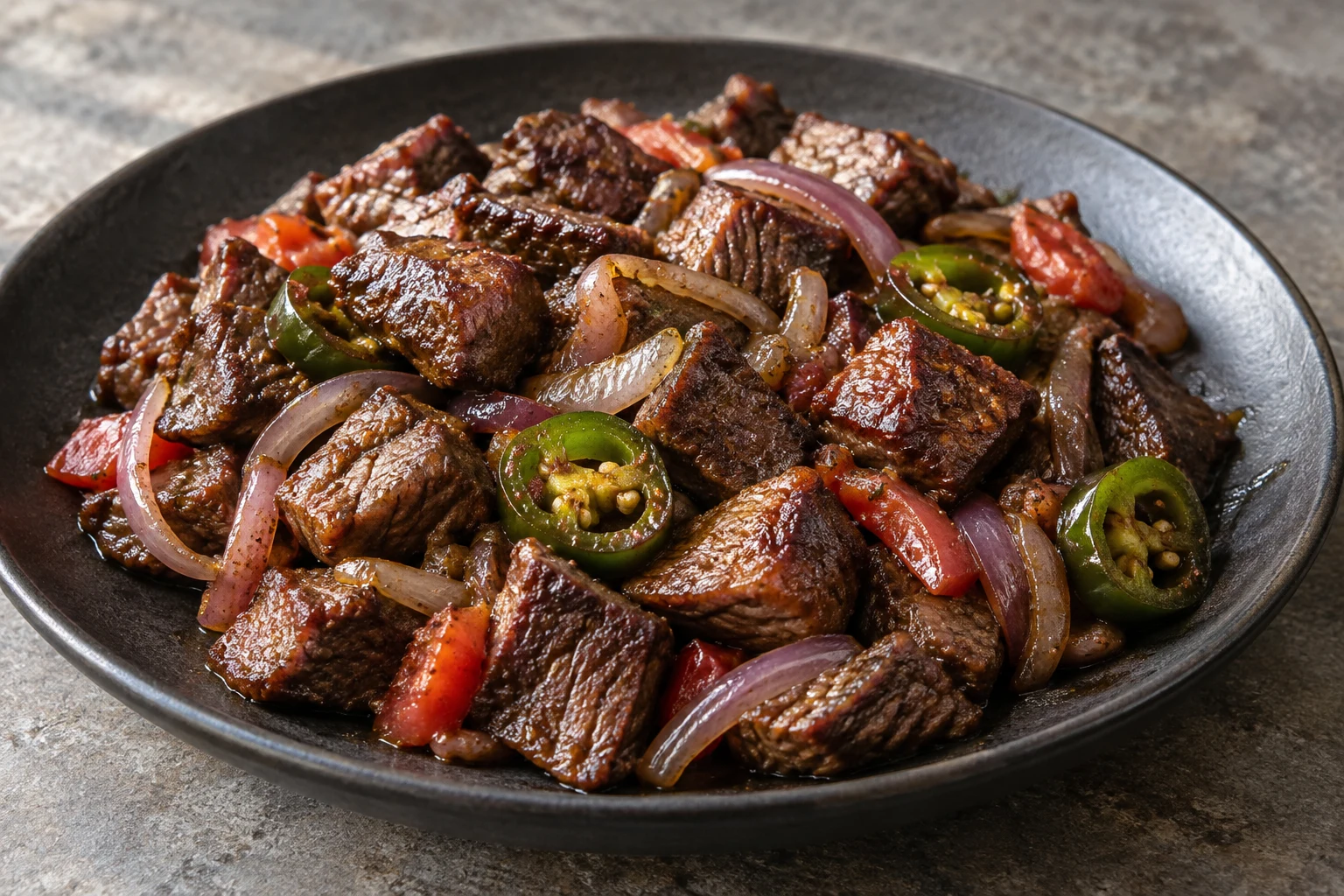
Derek Tibs: Brown the Beef First
A beef-first home adaptation of Ethiopian derek tibs, with a guide to dry finishing, choosing a steak cut and serving injera with a separate awaze dip.
Japanese cuisine Yōshoku rice dish
Hayashi Rice: A Sauce Translated for Rice
Hayashi rice turned a Western-style brown meat sauce into Japanese yōshoku by changing the plate, the seasoning, and eventually the home pantry.