
Egyptian Zalabia: A Crisp Shell and an Airy Center
لقمة القاضي
A small golden ball should give a crisp first bite, then a soft center. The batter, portion size, and finishing step all contribute to that contrast.
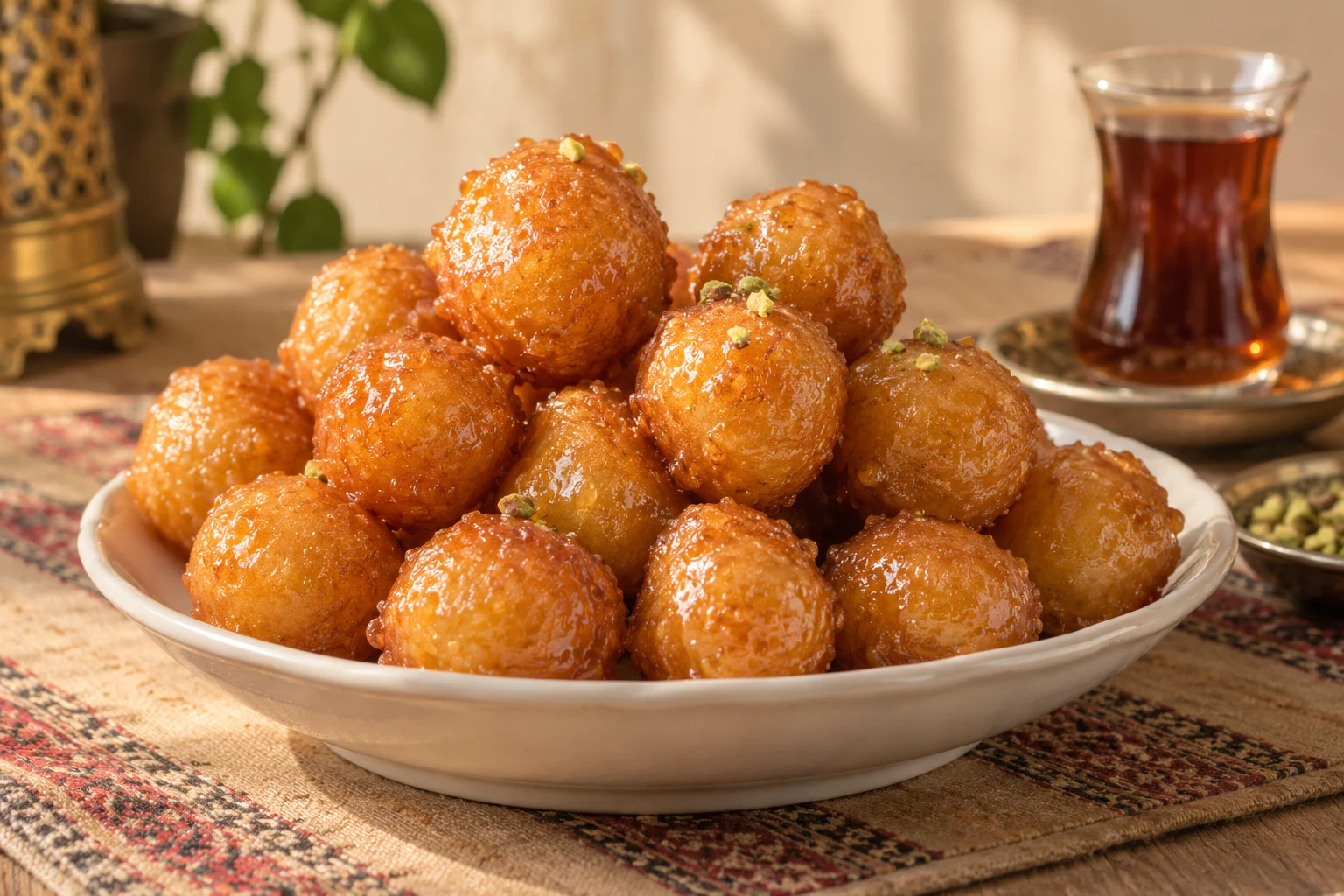
Egyptian sweet bites
What makes a good small fritter
Egyptian zalabia, also called luqmat al-qadi, are small fried balls of yeasted batter. Their pleasure lies in two textures: a golden shell that resists the first bite and a soft, airy interior beneath it. Syrup adds a sweet gloss; powdered sugar offers a drier finish. A plate can be modest, irregular, and freshly made without every piece being a perfect sphere.
The linked Egyptian home cooks describe these fritters as street sweets and familiar Ramadan treats, while also making them at other times. This article follows the round preparation. Similar names appear on other fried sweets, so the name alone is not a reliable guide to shape or batter.
Different liquids, complete methods
- Water-based
- A sticky yeast batter
- Milk-based
- One household version
- Yogurt-based
- A tested variation
Djouza records an Egyptian cook’s water-and-flour method, then tests it at home. Her rise takes longer in her own kitchen, a reminder to observe the batter as well as the clock.
Reham’s recipe in A Taste of Westminster combines milk with flour, yeast, and corn starch. It is a documented Egyptian home preparation, rather than a requirement that every zalabia batter contain milk.
Cleobuttera adapts Manal Al Alem’s yogurt method and compares different amounts. The liquid changes the batter’s consistency, so follow the complete formula instead of replacing water with yogurt by guesswork.
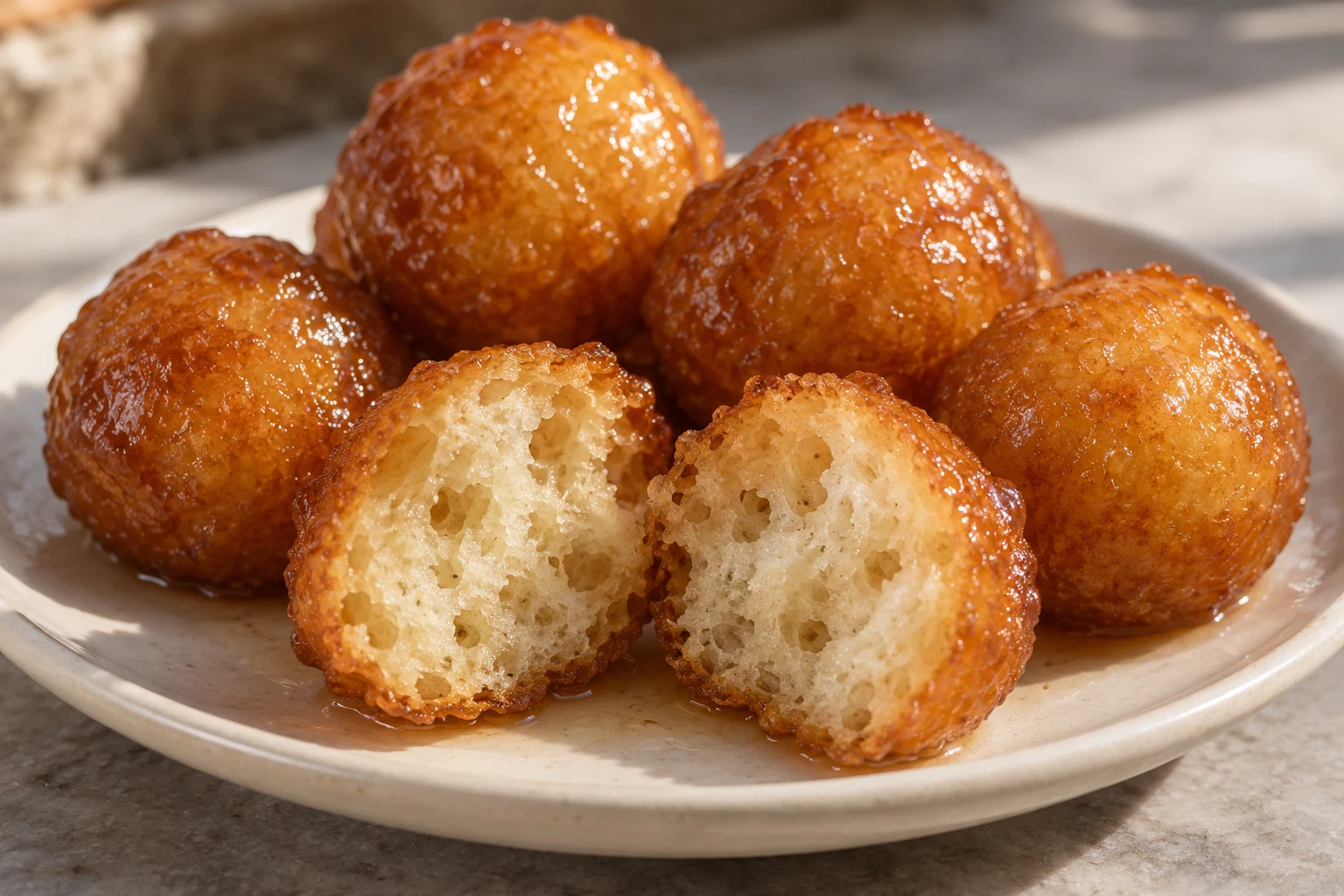
Four texture checkpoints
Choose one of the complete source recipes for quantities and its frying method. These observations help explain what to watch.
- 01
Sticky rather than firm
The batter should hold a small portion while remaining soft and elastic. It is not a dough to roll out on a floured counter. Add the liquid as the chosen recipe directs: flour absorption and the thickness of dairy ingredients can alter the result.
- 02
Risen, then ready to portion
Yeast needs time to raise the mixture. Amira and Reham stir the risen batter before filling a piping bag. Use that sequence for their methods; do not infer that every batch is ready after a fixed short wait regardless of room temperature or yeast activity.
- 03
Small pieces that cook evenly
A spoon, small scoop, or piping bag can portion the sticky mixture, depending on the recipe. Aim for similarly sized bites so they finish together. Turn them during frying. Start with a test piece, let it cool enough to handle, and cut it open: the crumb should be cooked, not wet and doughy, before committing a full batch.
- 04
Drain after coating
Amira moves the hot fritters into cooled syrup and then into a strainer. Excess syrup drains away rather than forming a bath under the serving pile. Set up this finishing station before frying so each batch can move through it without delay.
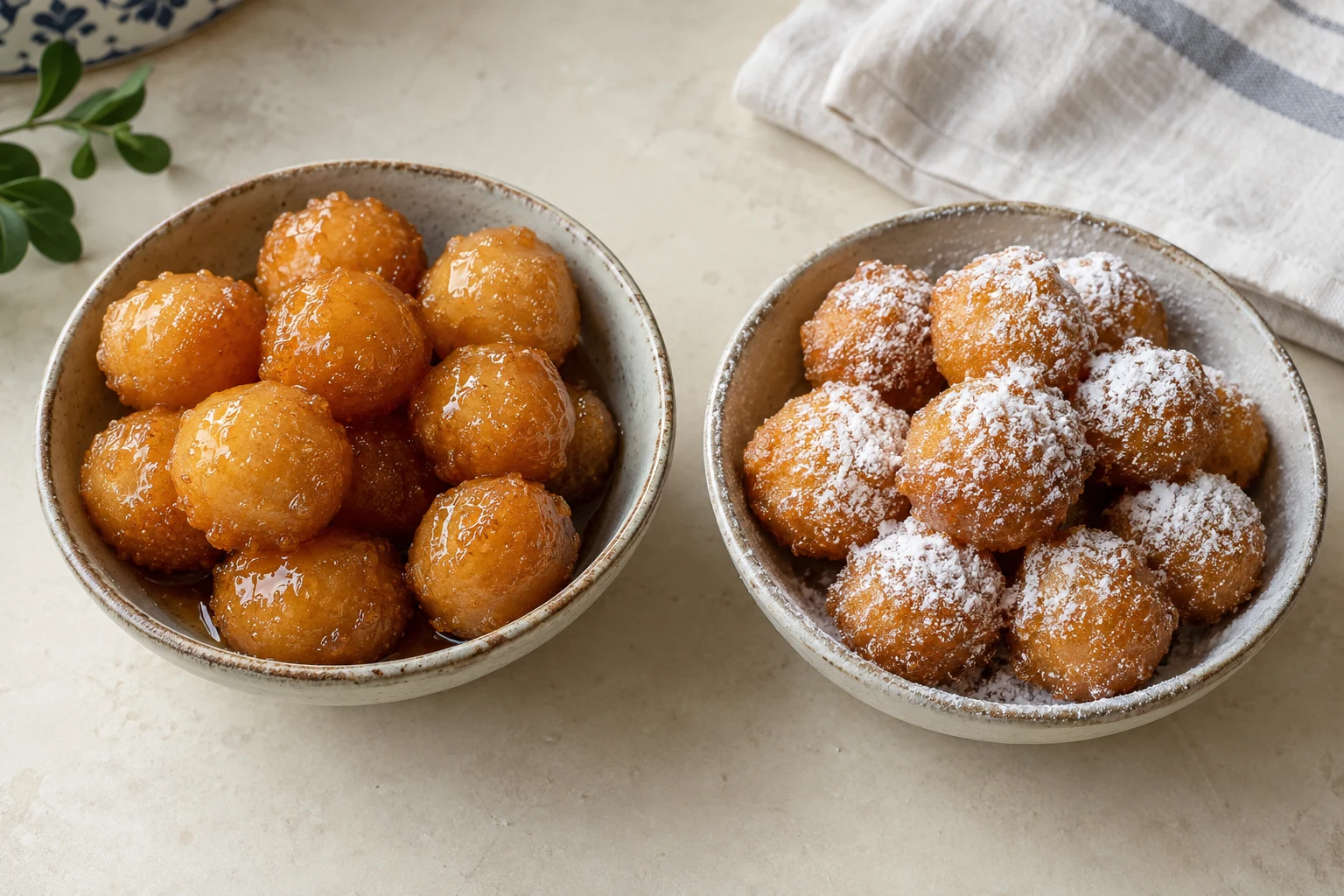
Decide how sweet and how crisp
Syrup is a familiar finish, but honey is not mandatory: several cited recipes use sugar, water, and lemon. Floral water is a choice in some versions. Djouza identifies orange-blossom water as her own addition, which helps distinguish a cook’s preference from a universal rule.
For a drier surface, let unsyruped fritters cool slightly before dusting with powdered sugar. Chocolate or chocolate-hazelnut spreads are another variation described by the Egyptian bloggers; they do not need an invented ancient pedigree. Reham suggests pistachio or coconut as optional garnishes. Choose a finish deliberately rather than piling every coating onto the same batch.
Serve soon after frying, when the shell and crumb offer their clearest contrast. Check the chosen formula and topping for wheat, milk, and nuts: a water-led recipe may still include milk powder, while yogurt and chocolate spreads introduce their own ingredients. Make a manageable batch for the table rather than promising that tomorrow’s reheated fritter will have today’s texture.
Research notes
Sources and complete recipes
Four independent culinary lineages inform the guide. Cleobuttera’s adaptation is credited to Manal Al Alem; the additional Arabic account verifies the native name.
- Amira Ibrahim — Zalabia Complete Egyptian recipe with water and milk powder, piping, cooled syrup, and drainage.
- Tasbih — Zalabya, Three Ways Tested yogurt adaptation of Manal Al Alem’s method, with syrup, sugar, and chocolate finishes.
- Djouza — Zalabia Egyptienne Firsthand Egyptian cook observation and home trial of a water-based preparation.
- Reham — Homemade Zalabya Original household milk-based recipe, page 9 of A Taste of Westminster, Summer 2020.
- Elbalad — لقمة القاضي (الزلابية) Arabic cooking account attributed to Naglaa Elshershaby, verifying the native name and round fritter preparation.
Keep exploring
More stories for your table
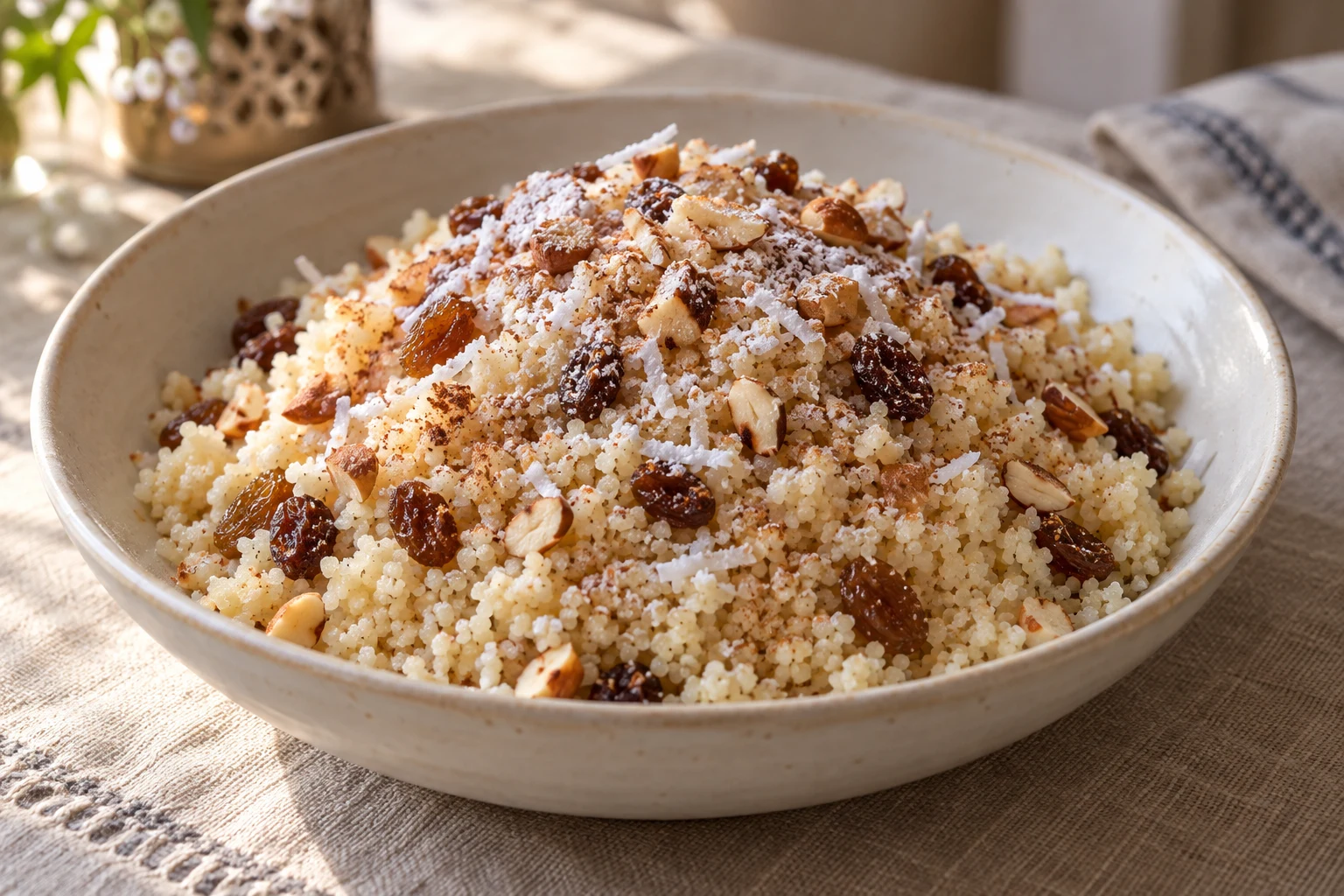
Egyptian cuisine Sweet couscous
Egyptian Sweet Couscous: Loose Grains Before the Sugar
Butter, powdered sugar, raisins, and nuts turn couscous into an Egyptian sweet dish. Choose a cooking route that matches the grains and finish each serving lightly.
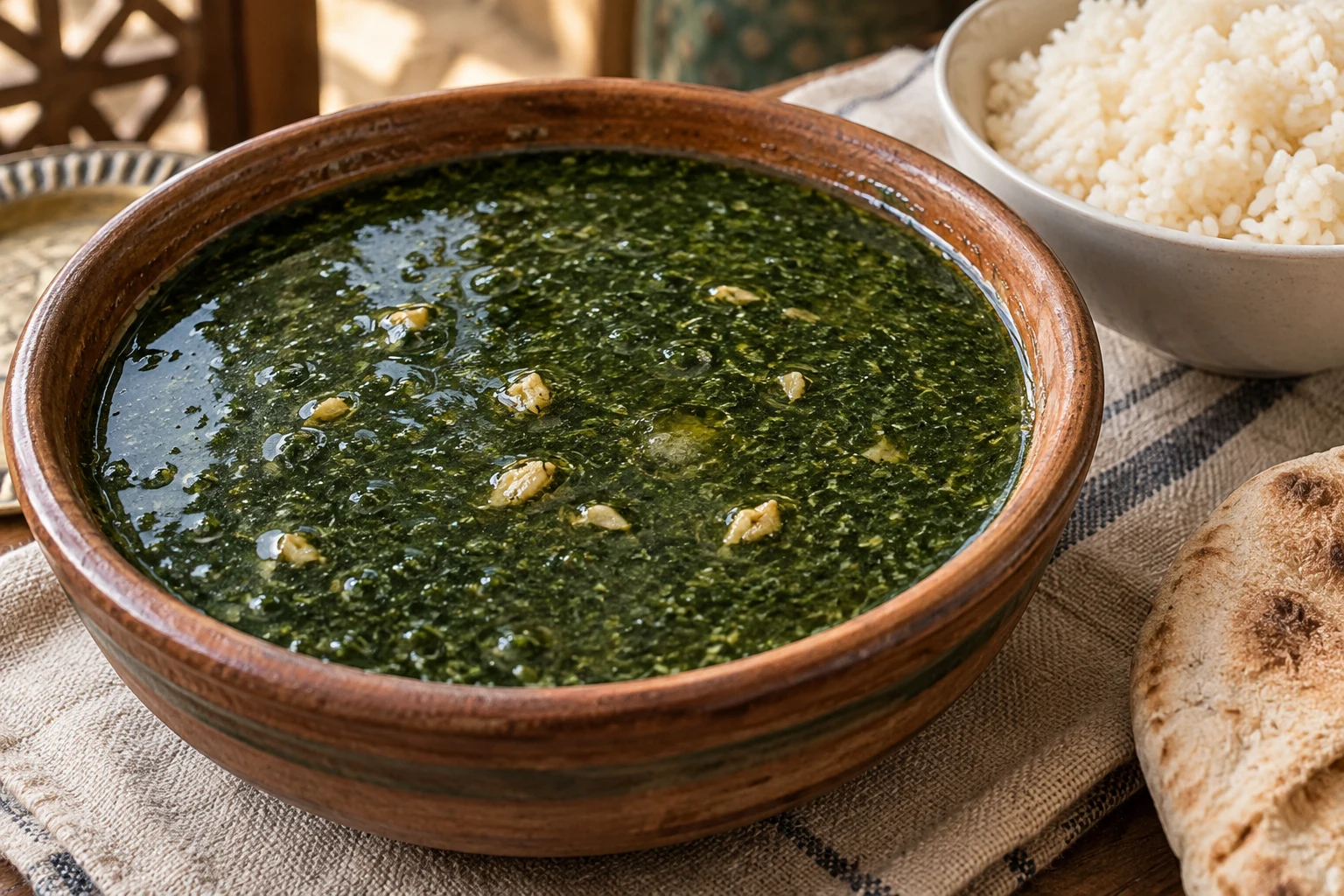
Egyptian cuisine Soups
Egyptian Molokhia: Minced Leaves and a Golden Garlic Finish
Make a minced-leaf Egyptian molokhia with frozen jute leaves, a fragrant garlic-coriander finish and a complete vegetarian home adaptation.
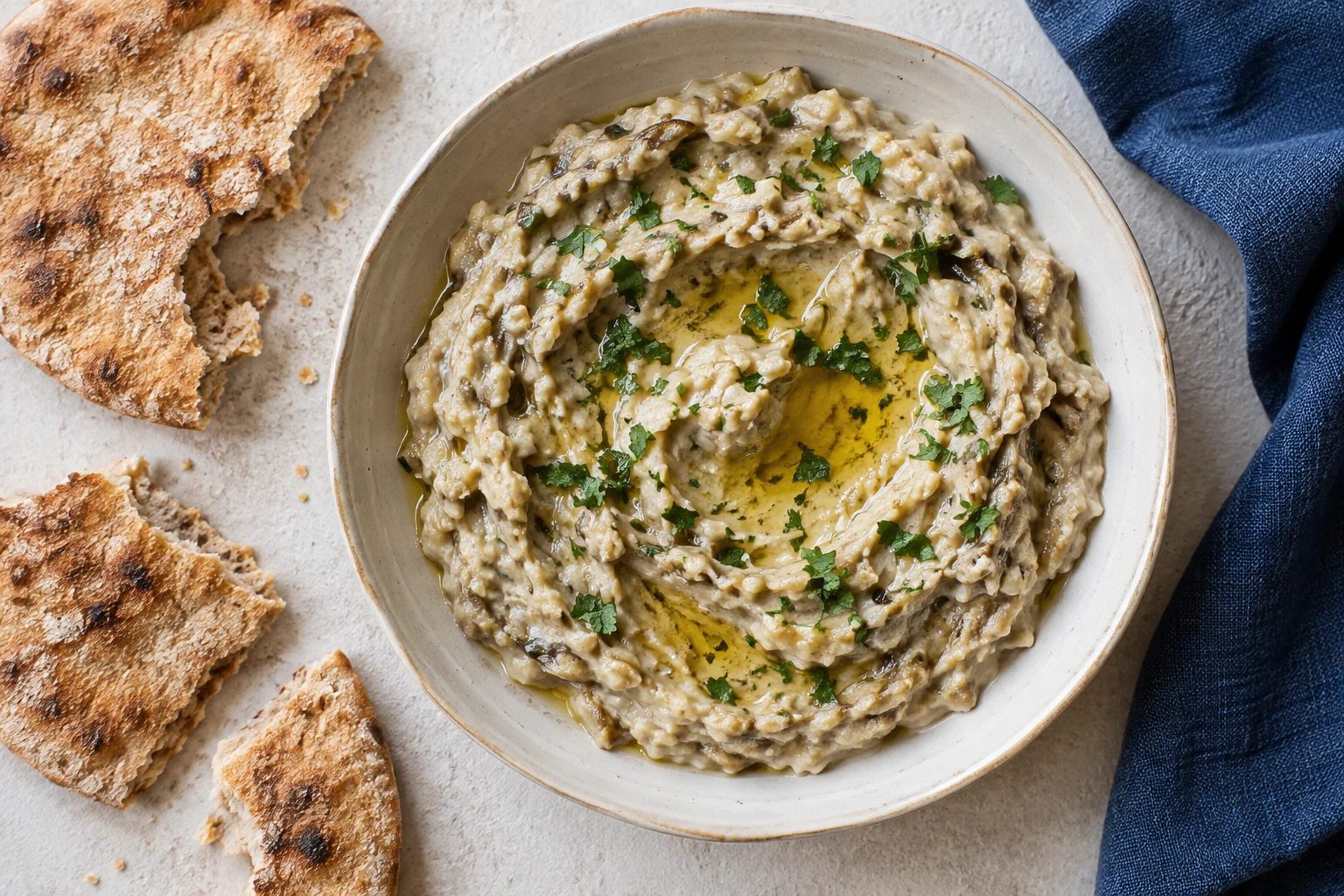
Egyptian cuisine Eggplant dip
Baba ghanoug: Egyptian eggplant with tahina
Roast until the eggplant collapses, drain its flesh, then fold in tahina, lemon and garlic. A practical oven adaptation of Egyptian baba ghanoug.