
Merluza Austral Frita: Flour First, Batter Second
Merluza austral frita
The first coat is barely visible; the second becomes the golden crust. A flour dusting followed by beer batter gives this Chilean-style home adaptation a clear sequence, from a dry fillet to crisp fish ready for a squeeze of lemon.
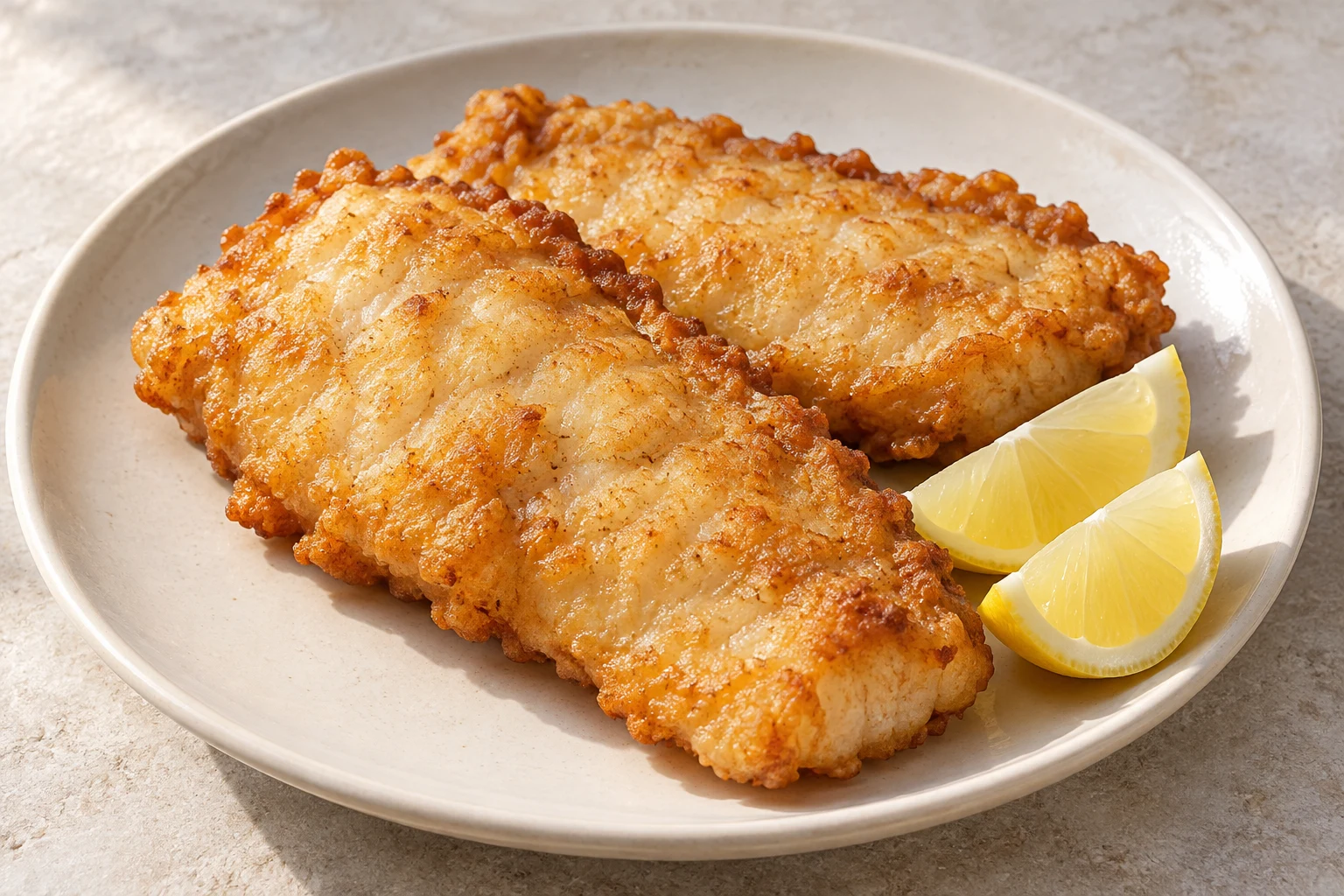
Two coats, two jobs
Start with a dry surface
Merluza austral is southern hake, Merluccius australis, according to Chile’s fisheries authority SUBPESCA. La Tercera’s guide to cooking fish explicitly uses it for a beer-battered fry, while Pacificblu’s preparation begins by thawing and drying the fillets. The useful starting point is the surface of the fish, before it meets the batido—the wet batter.
Chilean cook Angélica Bertin adds a separate step: pass the fish through flour first so the beer batter adheres. In the adaptation below, that becomes a light dusting with the excess shaken away. The dry flour and the wet batter are measured separately, making it harder to use up the batter’s flour at the first stage.
The aim is an attached coating around a manageable piece of fish. Portion thickness, batch size and the temperature at the centre matter alongside the batter. Have the lemon and any accompaniments ready before the first piece enters the oil; the final task should be draining and serving.
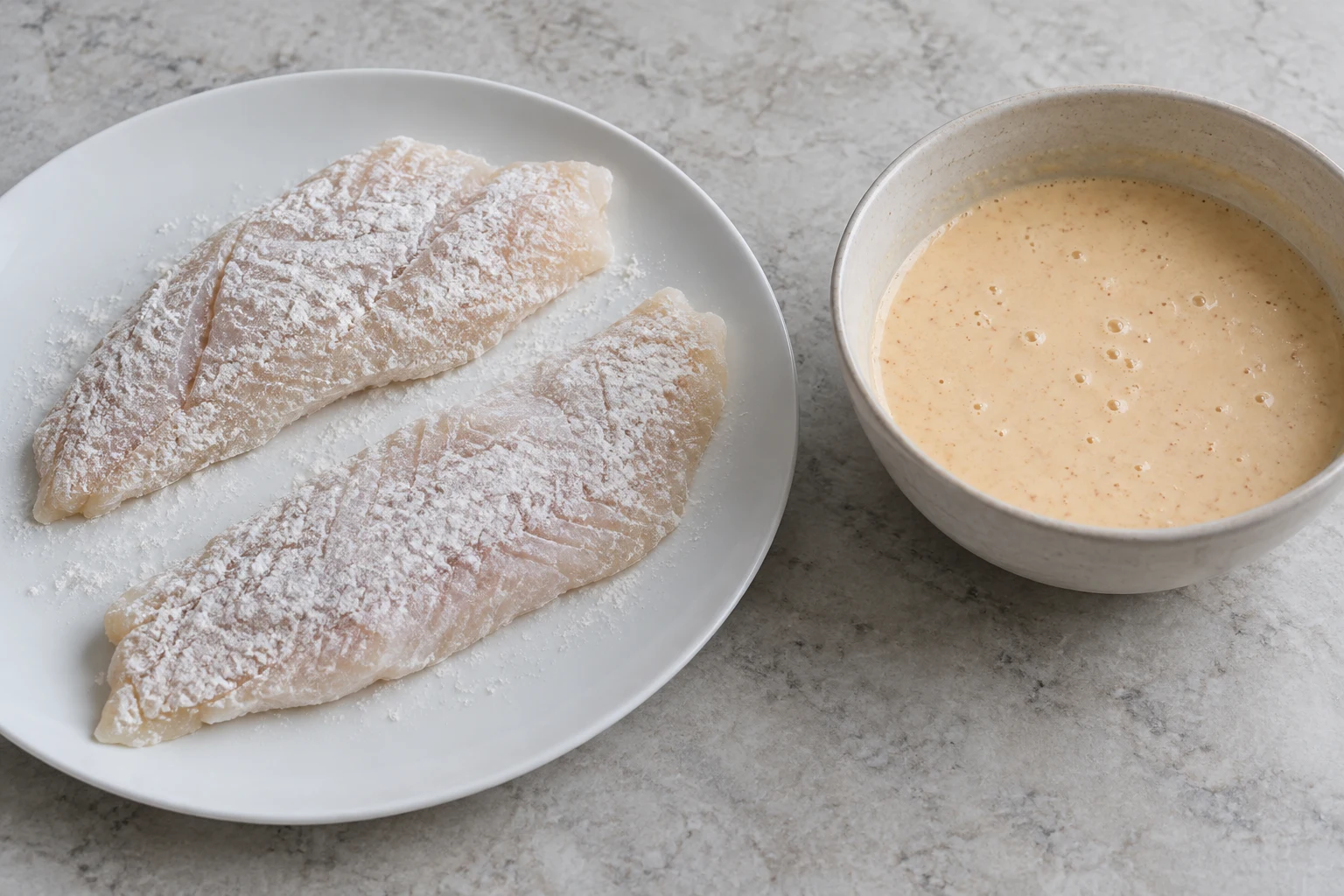
Batido does not mean one fixed formula
With egg
Bertin’s version combines wheat flour, egg and beer, with paprika and merkén among its seasonings. Pacificblu also uses an egg-and-beer batter for southern hake. These are documented options, rather than a requirement that every Chilean fried-fish batter contain egg.
Without egg
Pilar Hernández explicitly omits egg from the family recipe she learned from her grandmother. Gourmet’s version uses wheat flour, cornstarch, baking powder and beer. Our adaptation takes that second approach and adds Bertin’s preliminary flour dusting; it does not reproduce either recipe exactly.
An egg-free home adaptation
Chilean-style fried southern hake
Makes 4 servings, with 2 pieces each. Allow about 50 minutes: 20 minutes preparation and 30 minutes frying in batches. Frozen fish needs an overnight refrigerator thaw before that time starts; follow its package instructions. This adaptation combines Bertin’s flour-first coating with the flour-and-cornstarch approach documented by Gourmet. It has not been kitchen-tested. Have a deep, heavy 22 cm pot, an oil thermometer, a thin-tip food thermometer and a rack over a tray ready.
Ingredients
Fish and coating
- 800 g southern hake fillets, skinless and boneless, fully thawed if frozen
- 190 g plain wheat flour, divided: 30 g for dusting and 160 g for the batter
- 40 g cornstarch
- 1 tsp baking powder
- ½ tsp sweet paprika
- 1 tsp / about 6 g fine salt, divided equally between fish and batter
- ¼ tsp ground black pepper
- 250–280 ml chilled lager, opened just before mixing; start with 250 ml and reserve up to 30 ml for adjustment
Frying and serving
- About 1.5 litres sunflower oil, enough for a 3–4 cm depth in the pot
- 1 lemon, cut into wedges
Method
- 1
Portion and dry the fish.
Cut the fillets into 8 roughly equal pieces, aiming for 1.5–2 cm thickness; separate thin tail pieces so you can check them earlier. Pat dry thoroughly, season with ½ tsp salt and refrigerate while you set up. Cut the lemon on a clean board and set aside. Keep raw-fish equipment separate from the rack and serving plate.
- 2
Heat the oil and organise the coatings.
Pour the oil into the deep pot to a depth of 3–4 cm, filling the pot no more than one-third full. Heat to 180°C. Put the 30 g dusting flour on a plate. In a bowl, mix the remaining 160 g flour with cornstarch, baking powder, paprika, pepper and the remaining ½ tsp salt.
- 3
Mix a coating that can drip.
When the oil is almost ready, stir 250 ml cold lager into the dry batter mixture until no dry flour remains. The batter should coat a spoon but flow off it, rather than sit in a mound. If needed, add the reserved beer a tablespoon at a time, using no more than 30 ml. Lightly coat 2 fish pieces in the dusting flour and shake off the loose excess. Dip them in the batter and let the surplus drip back into the bowl.
- 4
Fry two pieces at a time.
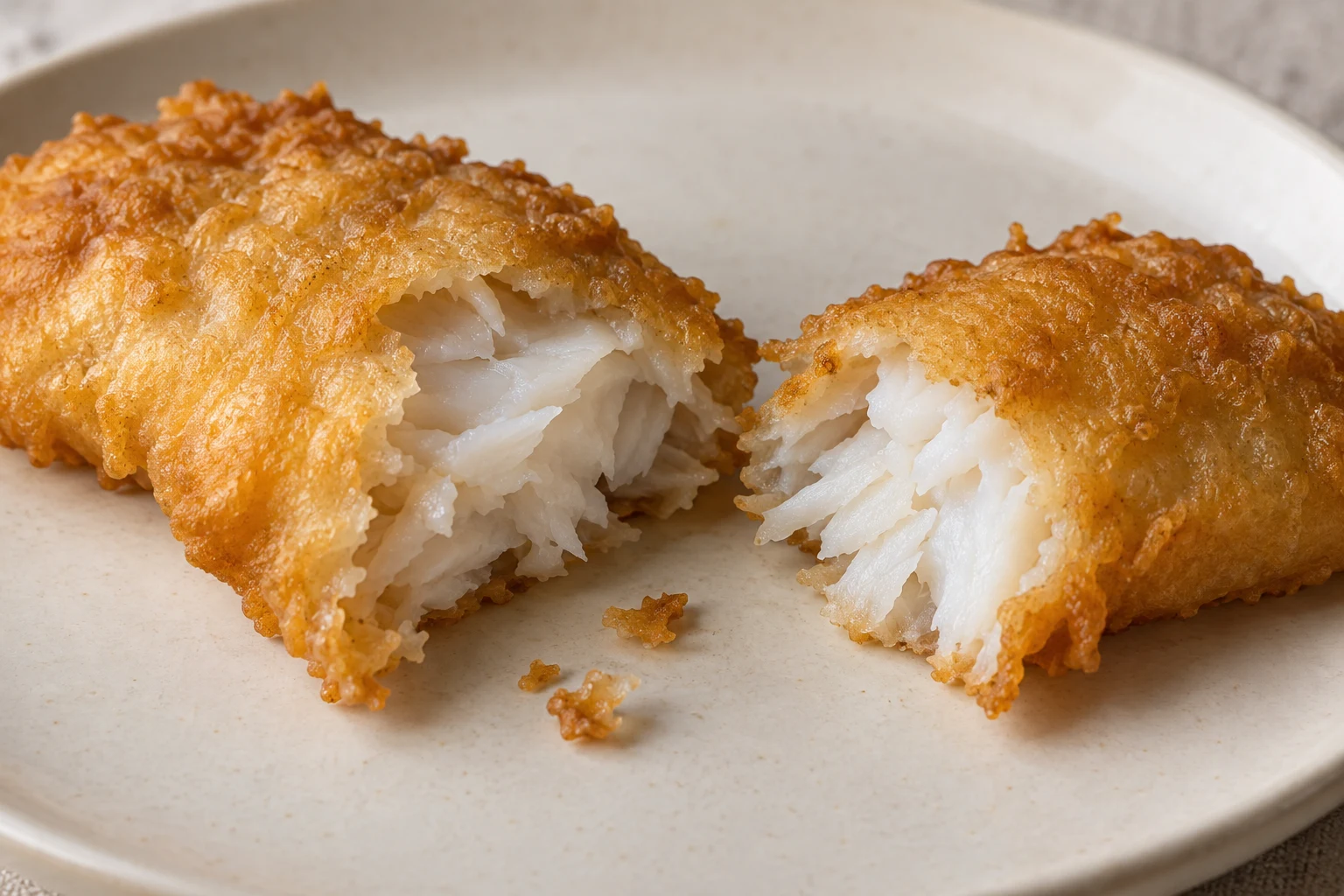
Lower the coated fish carefully into the oil, away from you. Keep the pieces apart and the oil around 175–180°C. Turn once the first side has set, and fry for about 5–6 minutes in total, adjusting for thickness. Lift a piece clear of the oil and insert the food thermometer sideways into its thickest centre: the fish must reach at least 63°C / 145°F. Return it to the oil if necessary; check thinner pieces earlier.
- 5
Drain, repeat and serve promptly.
Transfer cooked fish to the clean rack without stacking. Let the oil return to 180°C before coating and frying each remaining pair, making 4 batches altogether. Keep the waiting raw fish refrigerated. Serve batches as they are ready, with lemon wedges. Discard flour or batter that contacted raw fish. The recipe covers the fish only; prepare any salad or potatoes before frying.
Research notes
Sources and adaptation notes
The Chilean preparations document several batters and serving methods. SUBPESCA establishes the fish’s name; FDA guidance informs thawing, separation of raw and cooked food, and the cooking endpoint. Recipe quantities and home-pot batch sizes are an editorial adaptation.
- La Tercera — Cinco métodos para cocinar pescado The fried-fish section explicitly prepares merluza austral with flour and lager.
- Pilar Hernández — Pescado frito chileno An egg-free family batter, freshly opened beer, frying-temperature guidance and prompt service.
- Angélica Bertin — Merluza frita a la chilena An egg-and-beer batter, with a separate flour coating to help it adhere.
- Pacificblu — Merluza frita con ensalada de papas y yogur A southern-hake preparation that begins by thawing and drying the fish.
- Gourmet Chile — Merluza frita con salsa acevichada Flour, cornstarch, baking powder and beer; small frying batches and a rack for draining.
- SUBPESCA — Merluza del sur Official reference connecting merluza austral and southern hake with Merluccius australis.
- FDA — Selecting and Serving Fresh and Frozen Seafood Safely Refrigerator thawing, separation of raw and ready-to-eat foods, and a 145°F cooking endpoint.
Keep exploring
More stories for your table
ChinaFish dish
Shui Zhu Yu (Sichuan Water-Boiled Fish)
Why Sichuan water-boiled fish stays tender beneath its dramatic mala finish: a close look at the broth, hot-oil bloom, Chongqing context, and a practical home method.
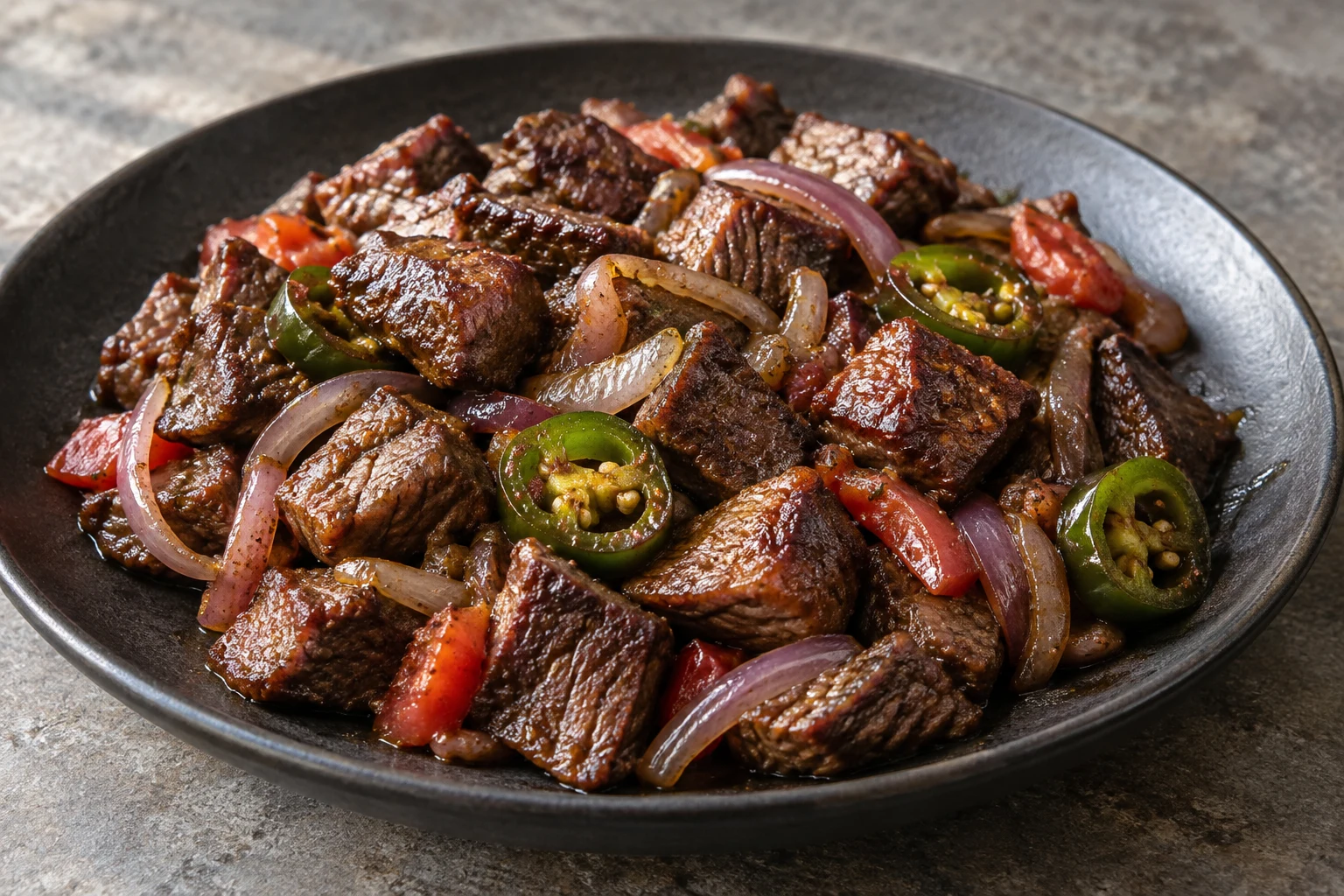
EthiopiaBeef sauté
Derek Tibs: Brown the Beef First
A beef-first home adaptation of Ethiopian derek tibs, with a guide to dry finishing, choosing a steak cut and serving injera with a separate awaze dip.
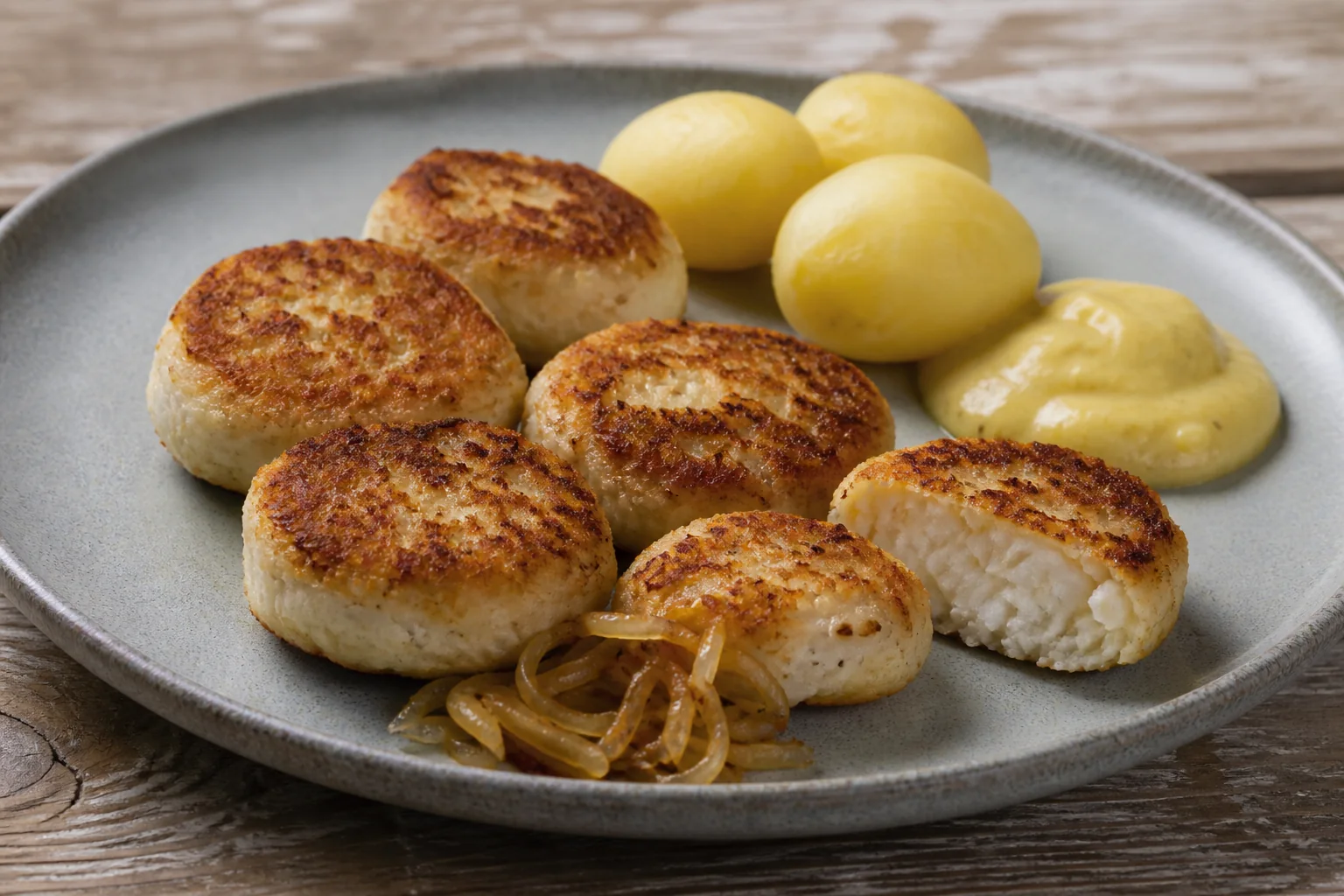
IcelandEveryday cooking
Icelandic fish balls
A crisp, golden crust around tender white fish, served with boiled potatoes, soft onions, and mild curry sauce.