
Rabada: Keep the Watercress for the Finish
Rabada com agrião
Brazilian oxtail stew has more than one route to tender meat. Follow the braise, then see why watercress and creamy cornmeal belong at the finish.
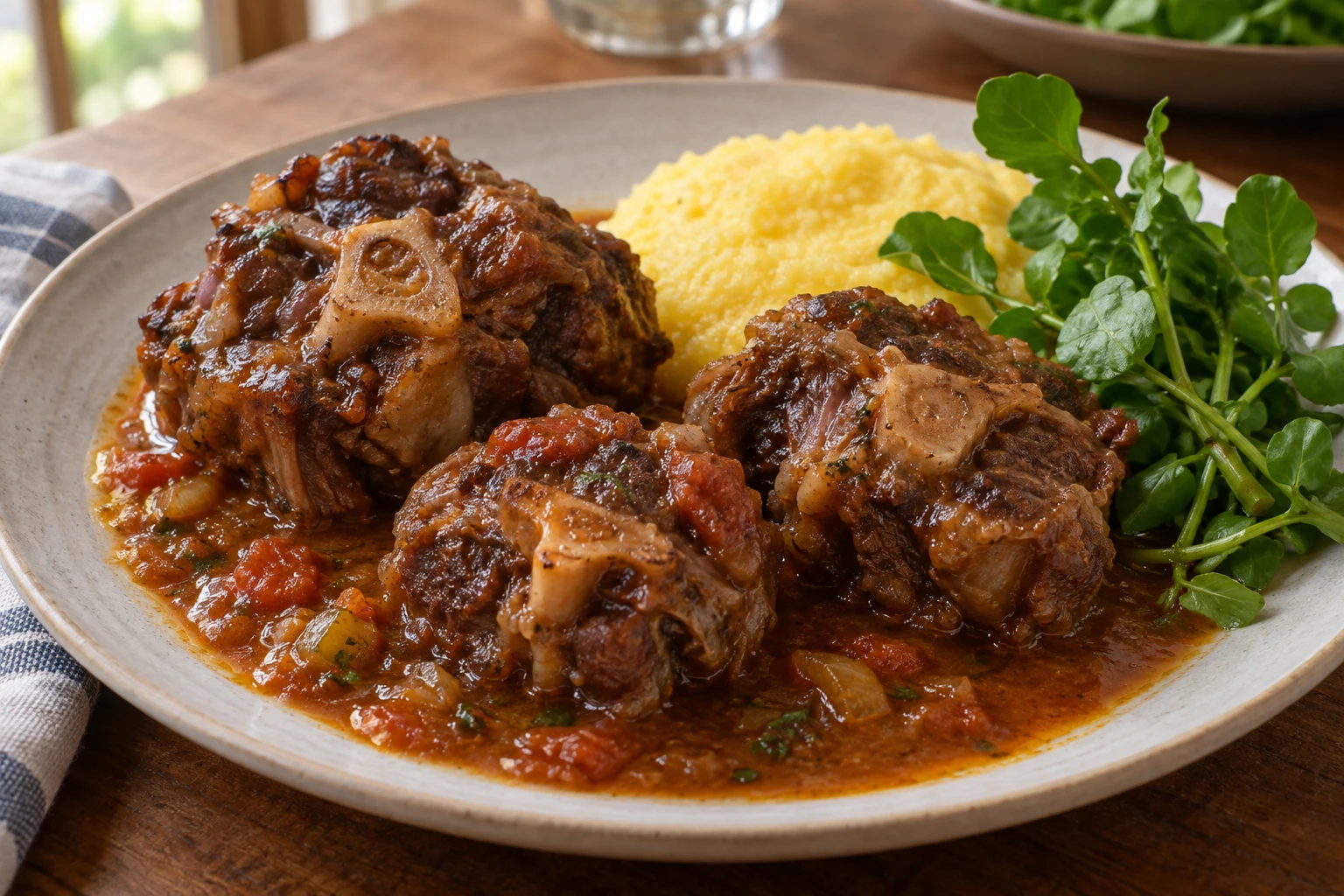
The stew and the green finish have different jobs
Rabada is a Brazilian oxtail stew, often encountered with agrião, or watercress. A plate can bring together bone-in meat, a substantial sauce, something soft to receive it, and the green leaves. The pairing becomes easier to understand when the greens are considered as their own component, with their own timing.
The meat needs a method that reaches tenderness. The leaves need not follow it through that entire process. Brazilian recipes and restaurant accounts show watercress folded in at the end or served alongside. They also show different approaches to the stew itself, so a single universal sequence would be misleading.
Start with the cut, not a promise about the clock
Oxtail is a bony cut, portioned into pieces around the joints. Denise Browning's recipe at Easy and Delish describes the desired cooked result as meat that separates from the bone. Its recipe card offers pressure-cooker and slow-cooker methods. The equipment changes; the tenderness being sought remains the useful thing to watch.
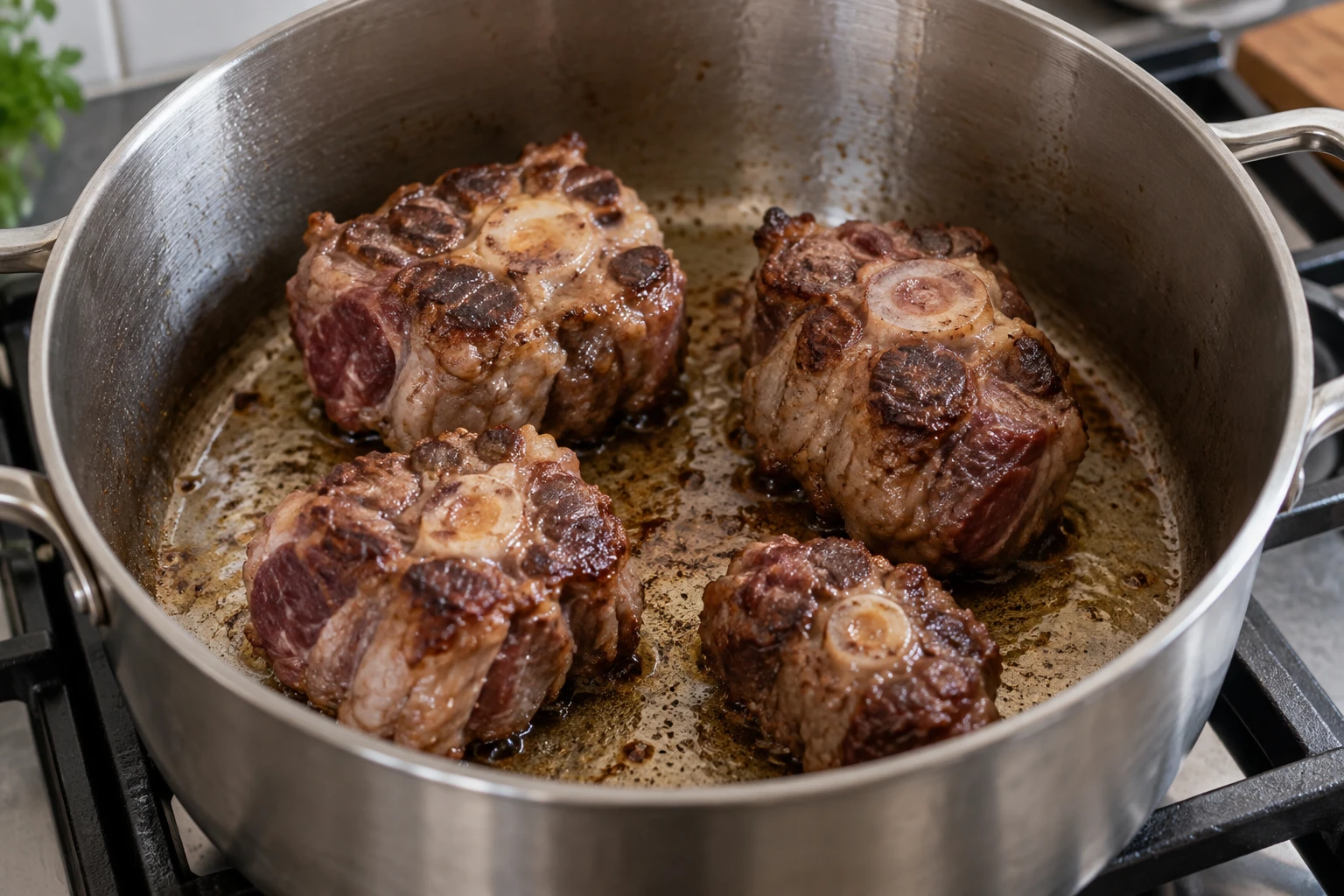
This is why a photograph of browned pieces is only a stage in the story. Colour on the outside and a finished stew's texture are different observations. When cooking, use a recipe written for the chosen appliance and the cut you have, rather than transferring a time from another pot.
Two starts, each with its own sauce
Panelinha's preliminary cooking stage
Panelinha's electric pressure-cooker version first cooks the oxtail in water, then discards that water and its rendered fat. Onion, garlic, tomato paste and seasonings form the next stage before the meat returns to cook in the sauce.
É de Casa's browned start
The recipe published by É de Casa browns aromatics and calabresa sausage before adding and browning the oxtail. Tomato, green pepper and liquid then join it. This is a particular, fuller ingredient list, not a requirement for sausage in every rabada.
Later additions are a real part of the method
É de Casa cooks the oxtail before adding potatoes for a separate cooking stage. Watercress is incorporated after that, and the heat is switched off. The sequence makes the late green addition deliberate rather than accidental.
Browning's pressure-cooker recipe also adds potatoes and carrot after an initial meat-cooking stage. Its sauce uses beer, stock and tomato ingredients, with wine or additional stock among the stated alternatives. These details help identify which version a recipe will produce. They are not interchangeable instructions to pour every possible braising liquid into one pot.
Watercress can also stay beside the stew
In a Bom Gourmet interview, chef Altamar Júnior of Frères Gastronomia explains his use of watercress as a counterpoint to the rich meat. His serving suggestion is white rice with a watercress salad, or creamy polenta. That is a different finish from folding the greens into the hot pot.
For the diner, the difference is visible: leaves mixed through sauce soften and share the stew's flavour, while a separate salad remains a distinct bite. Looking at the finish gives the pairing a purpose beyond adding a little green to a brown dish.
Cornmeal offers another place for the sauce
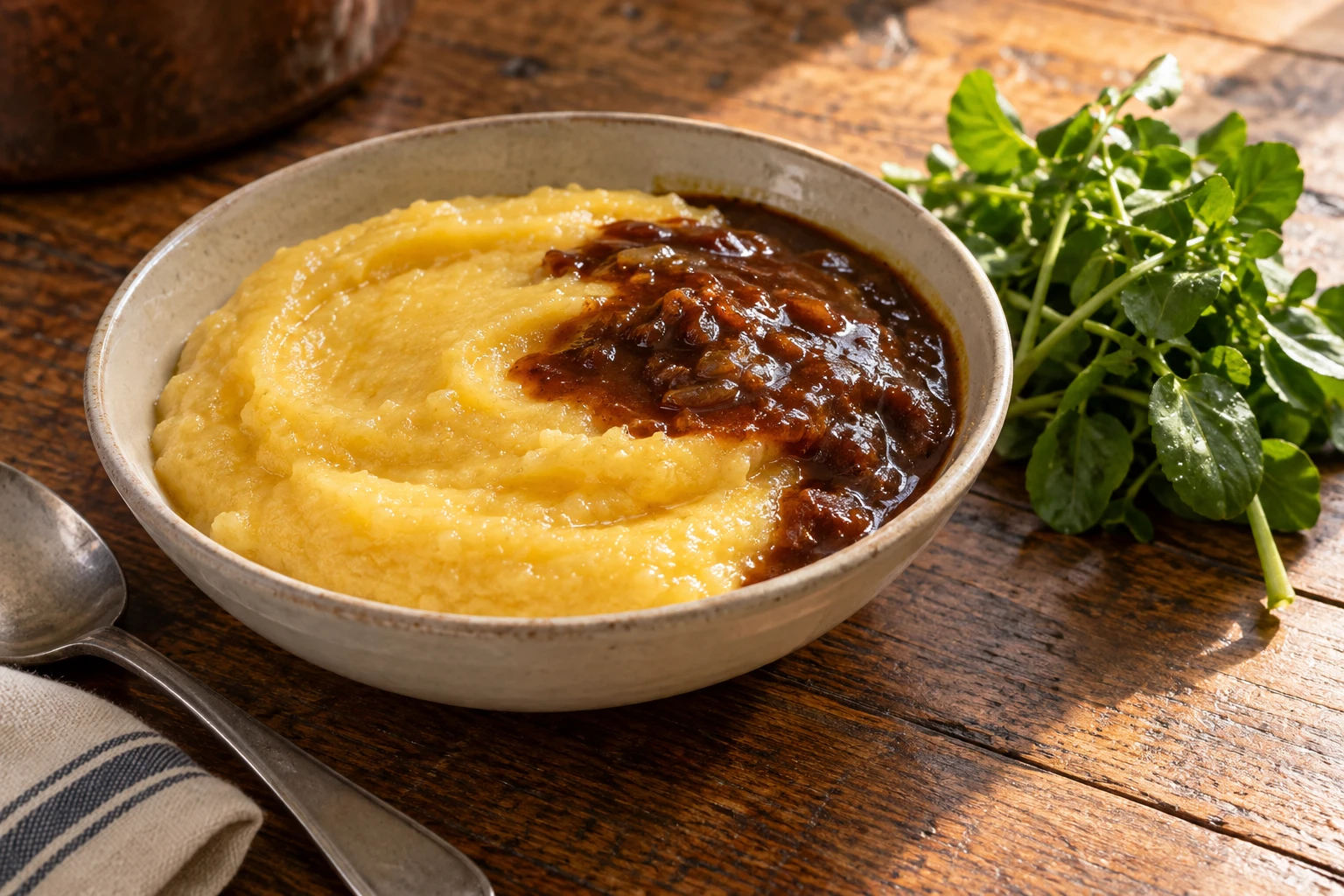
Panelinha suggests polenta and watercress. A published Mocotó menu offers another specific combination: oxtail cooked in dark beer, creamy corn xerém with Mantiqueira cheese, and watercress. Xerém is the corn component named on that menu; it should not be silently rewritten as the identical polenta recipe used by another cook.
Rice, potatoes within the stew, or a creamy corn accompaniment change the meal around the same cut. Read those details when ordering rabada. When choosing a recipe, settle the meat method first, then decide whether the watercress belongs in the final pot or beside the plate.
Research notes
Sources and distinct versions
These cooking instructions, a chef interview and a published restaurant menu document different choices without establishing one mandatory formula.
- Panelinha — electric pressure-cooker rabada Preliminary cooking to remove some fat, tomato sauce, changed liquid for a conventional pot, and polenta service.
- É de Casa — rabada with watercress Calabresa and browned oxtail, followed by potatoes and a final watercress addition.
- Easy and Delish — recipe credited to Denise Browning Pressure-cooker and slow-cooker routes; beer-based sauce and later vegetables in the pressure method.
- Nathalie Oda — interview with chef Altamar Júnior Chef's watercress pairing and serving suggestions; the interview text supplies the evidence.
- Mocotó — published Portuguese menu A documented dark-beer rabada with creamy corn xerém, Mantiqueira cheese and watercress.
Keep exploring
More stories for your table
Brazilian cuisine Pastry
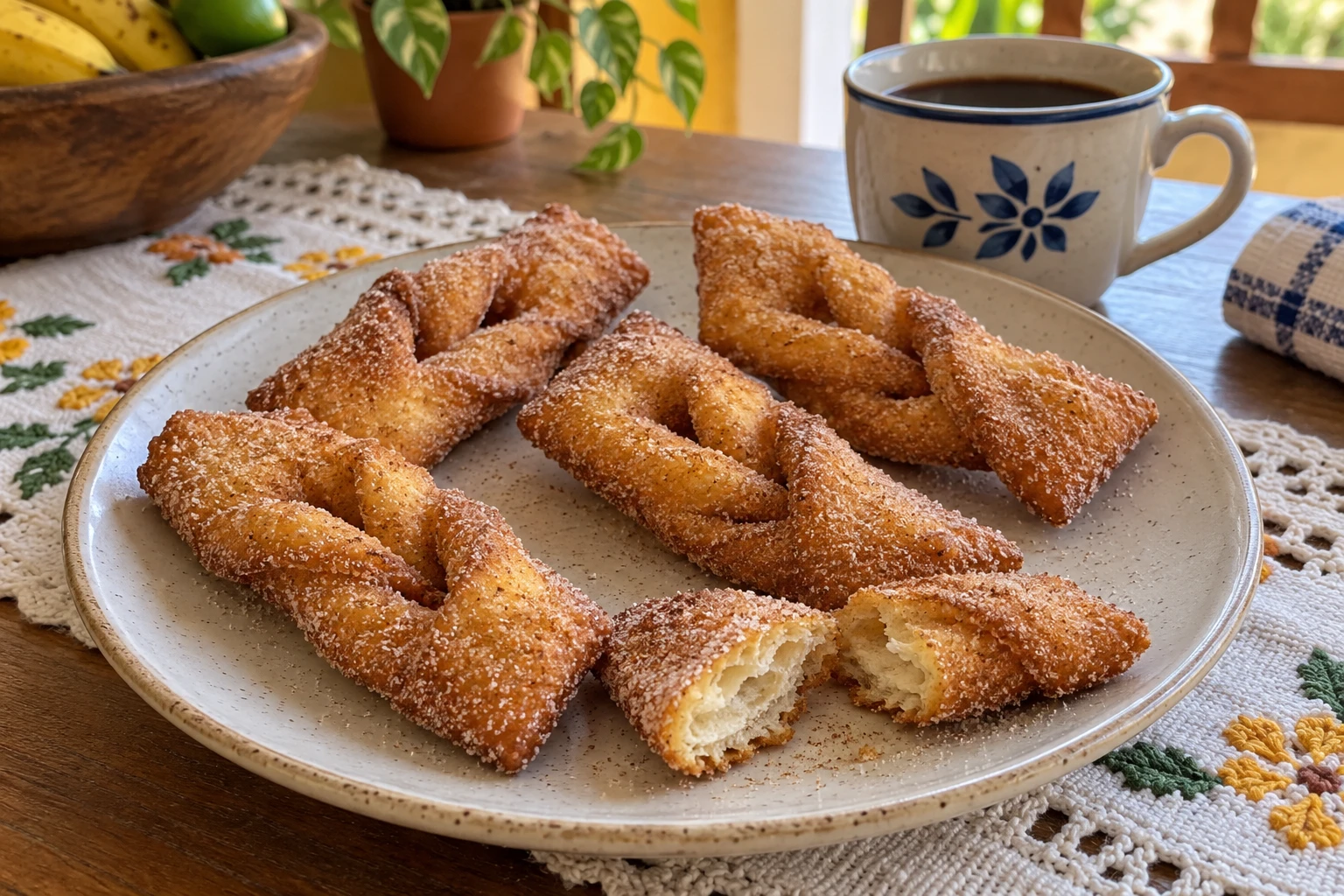
Cueca Virada: A Strip Turned Through Itself
A central slit gives this Brazilian fried pastry its distinctive turn. The shape is shared by recipes whose doughs, rests and frying instructions differ.
Italian cuisine Polenta with sausage
Polenta con Salsiccia: Get the Sauce Ready
Soft Italian polenta and sausage need a coordinated finish. Choose the cornmeal first, keep the topping moist and bring both components to the plate together.
Afghan cuisine Meat stews
Afghan Qorma: One Braise, Several Pots
Afghan cooks make meat qorma with potatoes, tomato, pulses or fruit. Their recipes show how to choose a whole preparation and read beyond a familiar curry name.