
Ensalada Criolla: Let the Pieces Share a Fork
Ensalada criolla
Tomato, onion and morrón can arrive as a fresh side salad or a finely cut condiment. The cut, dressing and resting time make the choice visible.
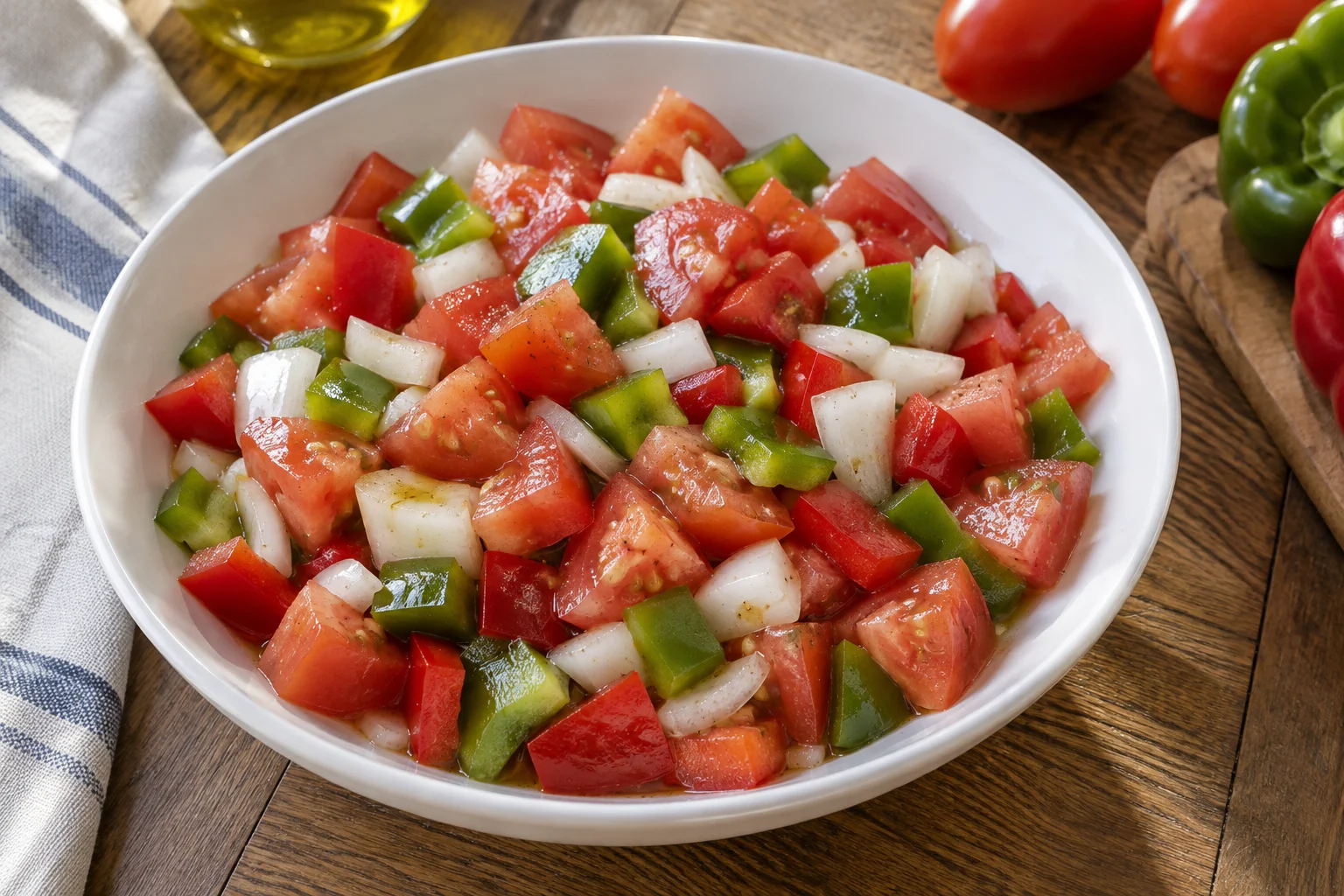
Read past the shared ingredients
An ensalada criolla can put tomato, onion and sweet pepper on the fork together without hiding their individual textures. The tomato brings juice, the onion a sharper bite, and the pepper a crisp edge. The cook’s first important choice is the cut: leave one vegetable in large chunks while mincing another, and their balance changes from mouthful to mouthful.
Paulina Cocina publishes both a salsa criolla and a separate ensalada variation on the same page. Her salad retains the tomato seeds, uses medium pieces of matching size and has simpler seasoning. Her salsa is more finely chopped, removes the seeds and includes additional seasonings. That direct comparison gives a clear starting point for the salad here. It is one cook’s distinction, not a rule for every Argentine household.
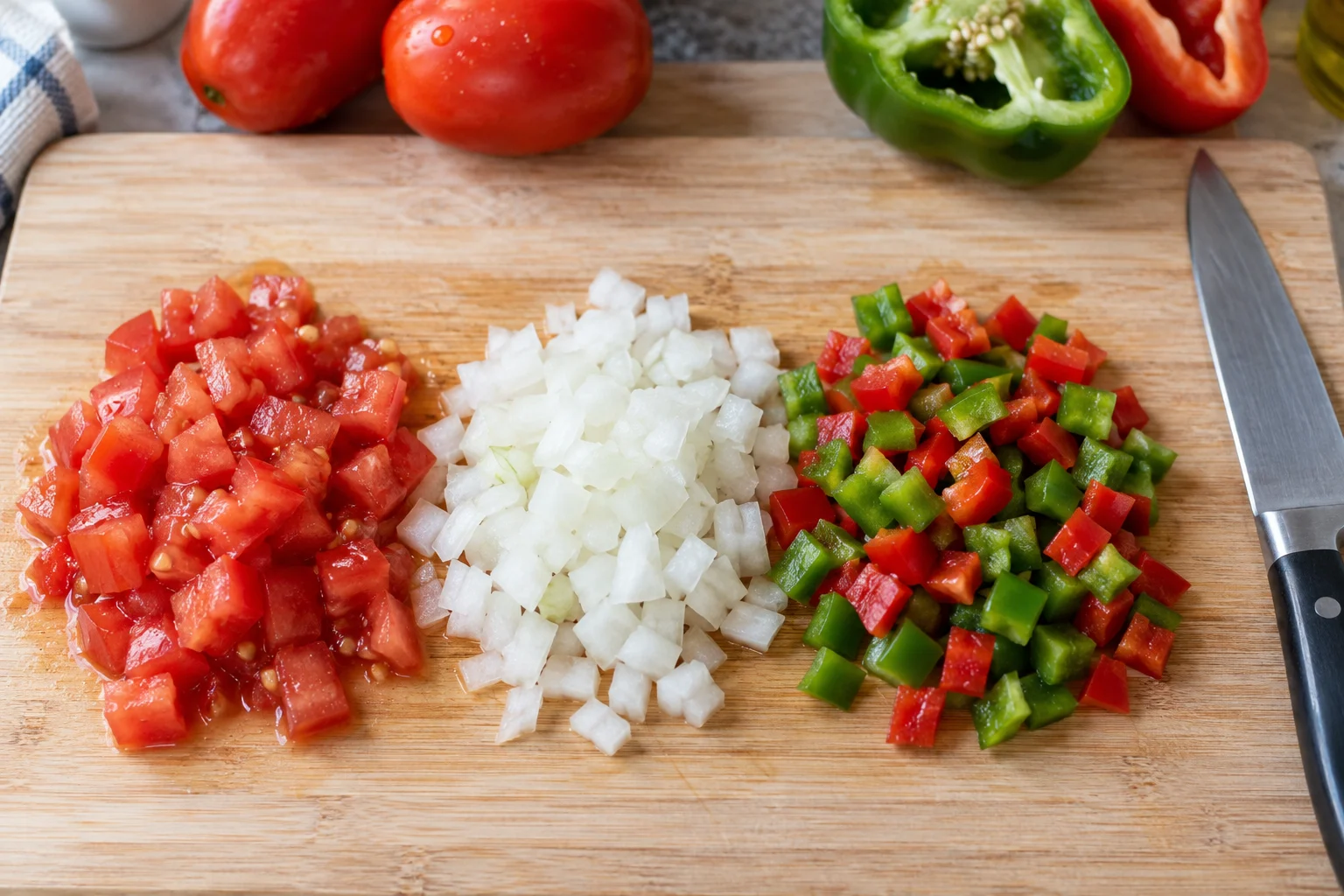
Dressing belongs to the version you choose
Argentine chef Pablo Vicari’s salsa on Canal Cocina uses approximately half-centimeter pieces of pepper, red onion and tomato concassé. His dressing combines red-wine vinegar and extra-virgin olive oil, and he asks for a rest of at least thirty minutes. It is a more finely cut accompaniment than the medium-piece salad adaptation below.
Santa Fe’s food-safety agency, ASSAl, gives its own salsa a separate onion step: dissolve salt in vinegar and let the chopped onion sit in that mixture for ten minutes before the other vegetables join. Its recipe also includes parsley, crushed chili, pepper and cumin. The useful observation is the order of mixing. It does not make every one of those seasonings necessary in a fresh side salad.
LA NACION describes salsa criolla as a finely chopped little salad served with an asado or parrillada. Its recipe rests for at least two hours. The names therefore overlap in published Argentine usage, while recipes still differ in size, dressing and waiting time. Choose a method that fits the job: a spoonable condiment beside grilled food, or a lightly dressed vegetable portion eaten with a fork.
A measured home version
Medium-cut ensalada criolla
An editorial adaptation of the salad approach described by Paulina Cocina. The quantities make four modest side portions with a light dressing; they are not the much oilier condiment formulas in the comparison. Allow 15 minutes of preparation and an optional 15-minute chilled rest.
Ingredients
Vegetables and dressing
- 400 g ripe plum tomatoes
- 120 g white onion, peeled
- 150 g red bell pepper, stem and seeds removed
- 150 g green bell pepper, stem and seeds removed
- 30 ml / 2 tbsp olive oil
- 15 ml / 1 tbsp wine or apple cider vinegar
- ½ tsp fine salt
- ⅛ tsp ground black pepper
Method
- 1
Prepare the vegetables.
Rinse the tomatoes and peppers, then dry them. Remove the tomato cores. Keep the tomato seeds and their surrounding juice for this salad. Cut tomato, onion and both peppers into roughly 8–10 mm pieces, aiming for similar average sizes rather than perfect cubes.
- 2
Make a small dressing.
In a large bowl, stir the salt and pepper into the vinegar. Add the oil and mix. This is a lightly dressed salad; the dressing should coat the vegetables rather than submerge them.
- 3
Combine and check a mixed bite.
Add all the prepared vegetables and gently turn them through the dressing. Taste tomato, onion and pepper together so the seasoning decision reflects the salad, rather than a spoonful of dressing alone.
- 4
Serve now or after a short rest.
Serve immediately, or cover and refrigerate for fifteen minutes before serving. Stir once more to bring the juices through the pieces. Prepare this version for the meal, and keep it chilled until needed if making it ahead.
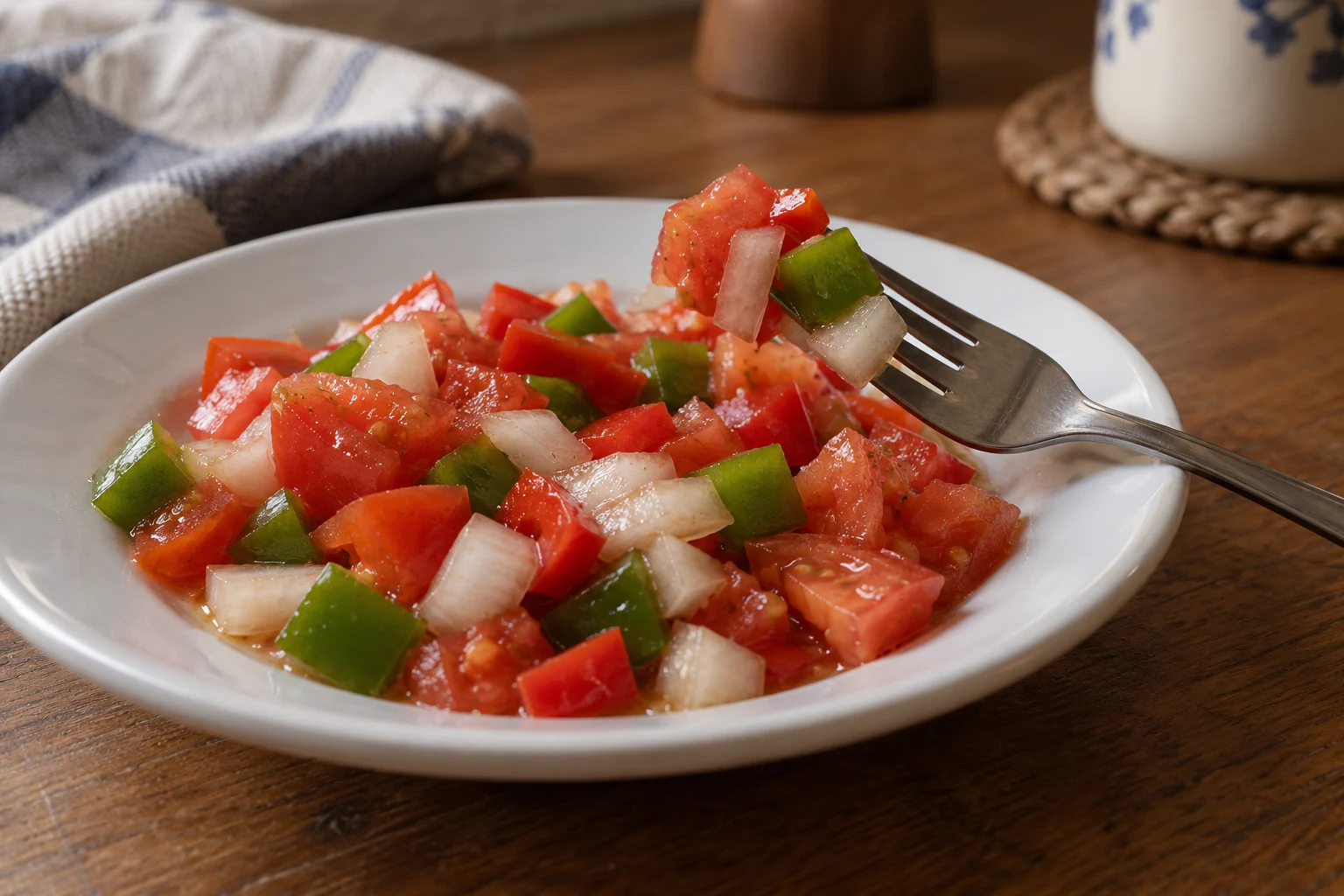
Give the salad its own portion of the plate
The salad is useful wherever a meal needs a fresh vegetable side. Paulina’s own salad can be served immediately or after fifteen minutes in the refrigerator; that schedule suits a last preparation while the rest of dinner finishes. The longer rests in the salsa sources describe those recipes, not a requirement to leave this salad waiting for hours.
A small, even cut asks for care rather than elaborate equipment. Use a stable board, finish the vegetables before adding dressing, and make a mixed bite the final check. The result should let tomato, onion and pepper arrive together while each still has something recognizable to contribute.
Research notes
Sources and adaptation
Four independent published recipes were opened and read. The medium-cut salad is an editorial adaptation, without a kitchen-testing claim; its images are generated illustrations.
- Paulina Cocina — Salsa criolla and ensalada criolla Full page includes a distinct medium-cut, lightly seasoned salad with tomato seeds retained.
- Pablo Vicari / Canal Cocina — Salsa criolla The Argentine chef’s half-centimeter cut, vinegar-and-oil dressing and thirty-minute minimum rest.
- ASSAl — Salsa criolla Santa Fe agency’s full recipe: onion first in salted vinegar, then vegetables and seasonings.
- LA NACION — Salsa criolla para el asado Published condiment recipe explaining the overlap with finely chopped salad and its serving context.
Keep exploring
More stories for your table
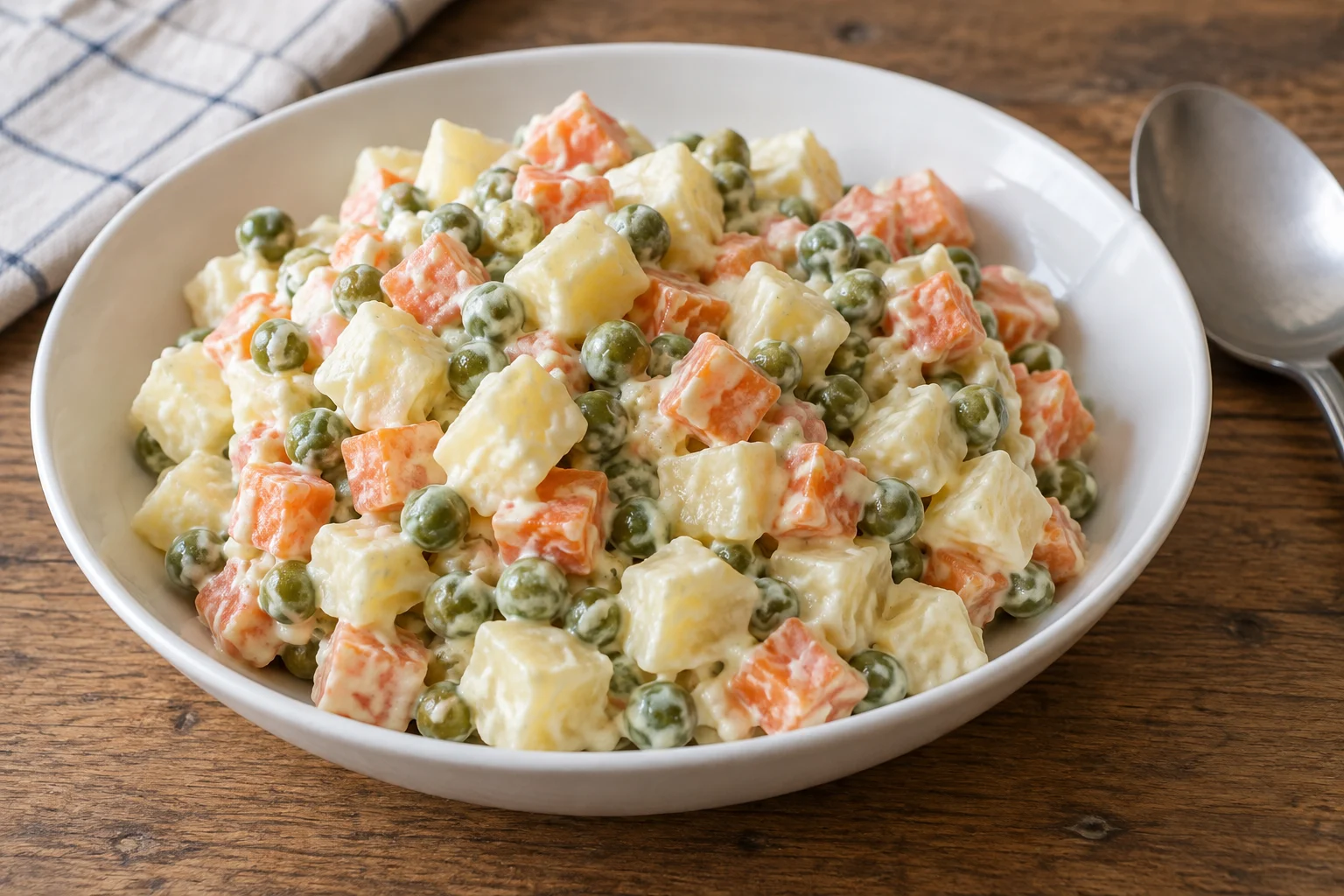
Argentinian cuisine Cold vegetable salad
Argentine Ensalada Rusa: Keep the Vegetable Cubes Intact
Potato, carrot and peas make a familiar Argentine cold side. Cook and drain the vegetables separately, then coat gently in this four-serving ensalada rusa.
Argentinian cuisine Steak sandwich
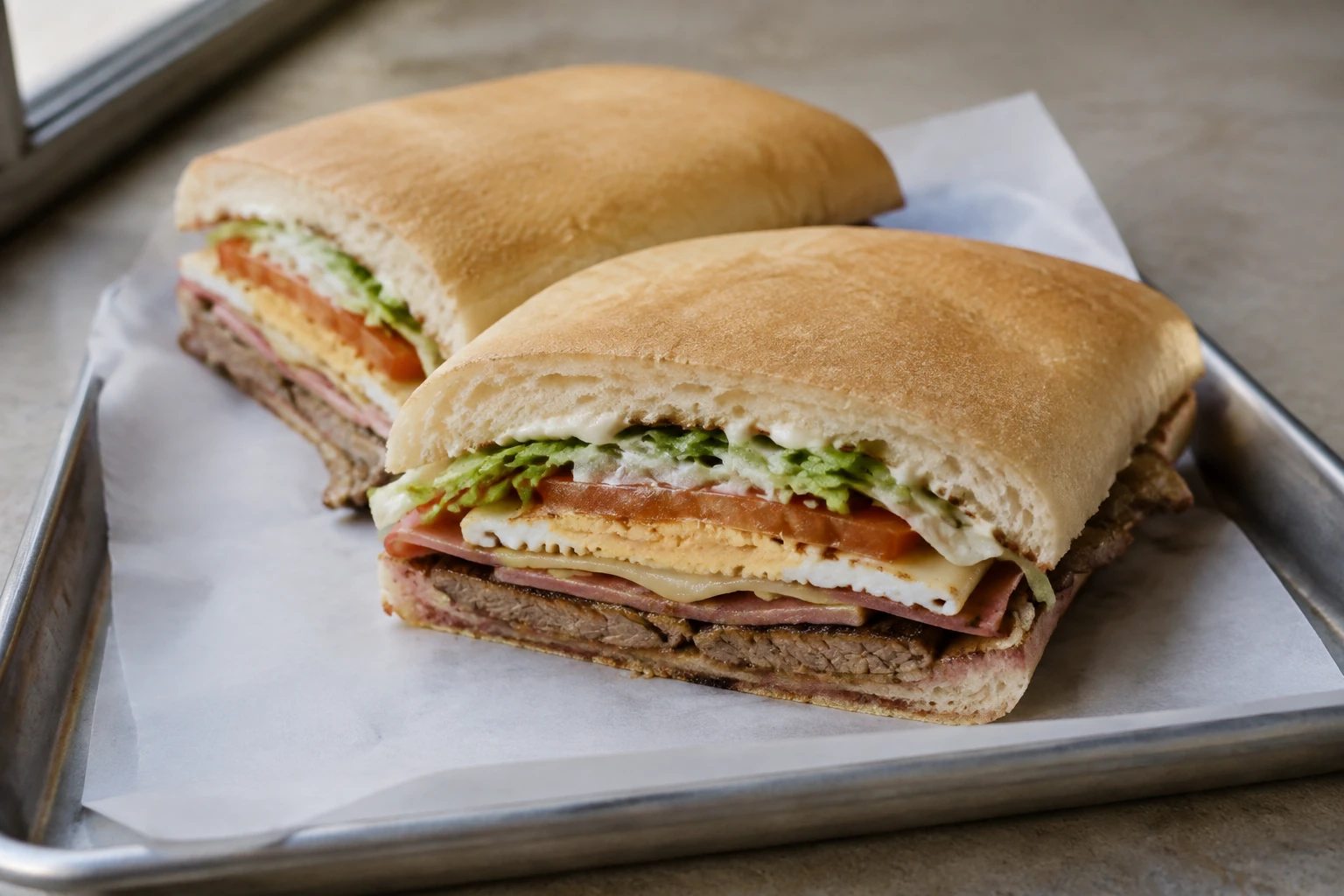
Córdoba’s Lomito: Start with the Bread
Explore Córdoba’s Argentine steak sandwich through its soft bread, thin beef and complete filling, with a practical lomito recipe for two.
Georgian cuisine Beet salad
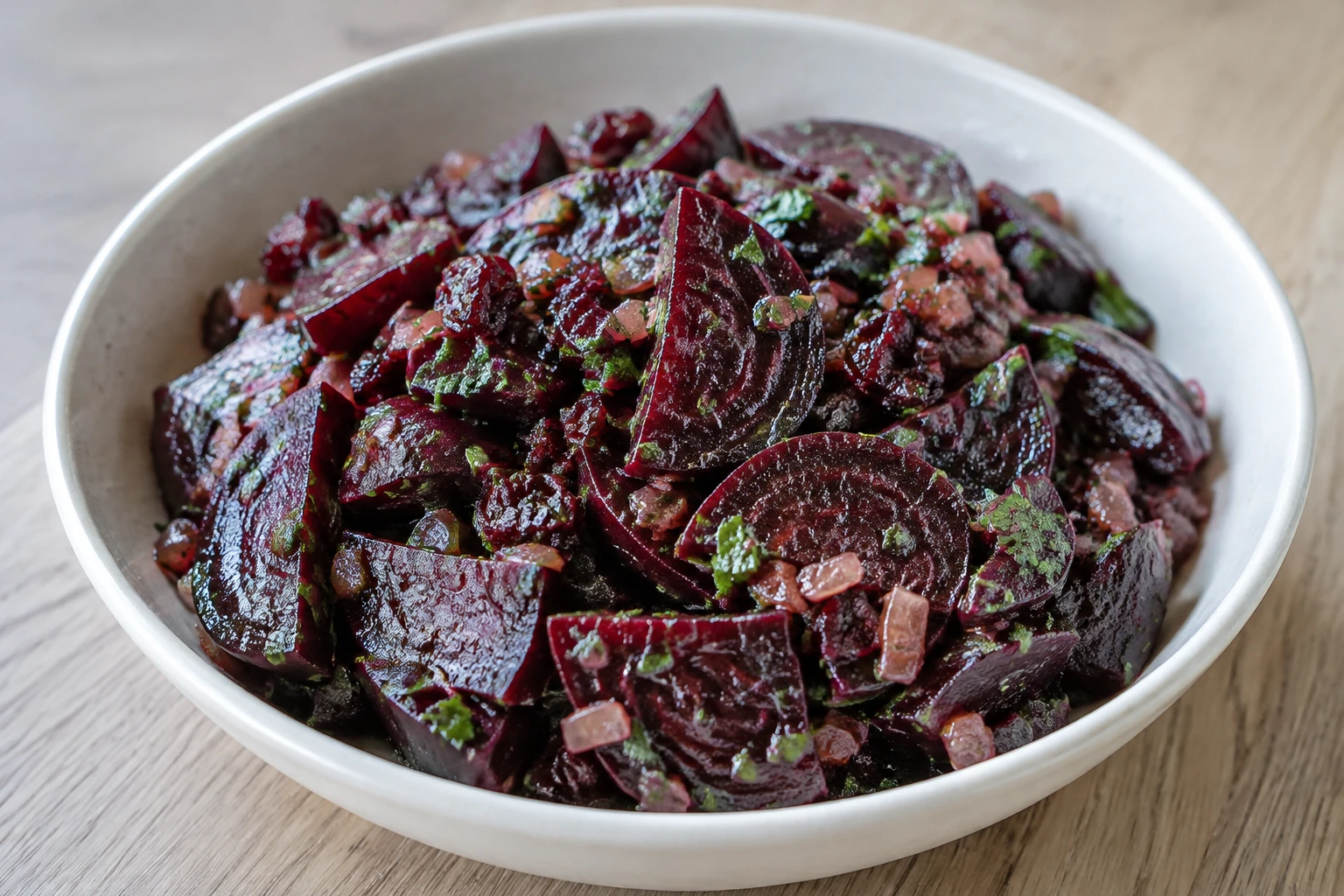
Charkhlis Chogi: When Tart Fruit Dresses Beets
Roasted beets, tart fruit and fresh herbs make Georgian charkhlis chogi. Explore two sauce textures, then cook a complete dried-sour-cherry adaptation.