
Fainá: the thin chickpea slice beside Argentine pizza
Fainá
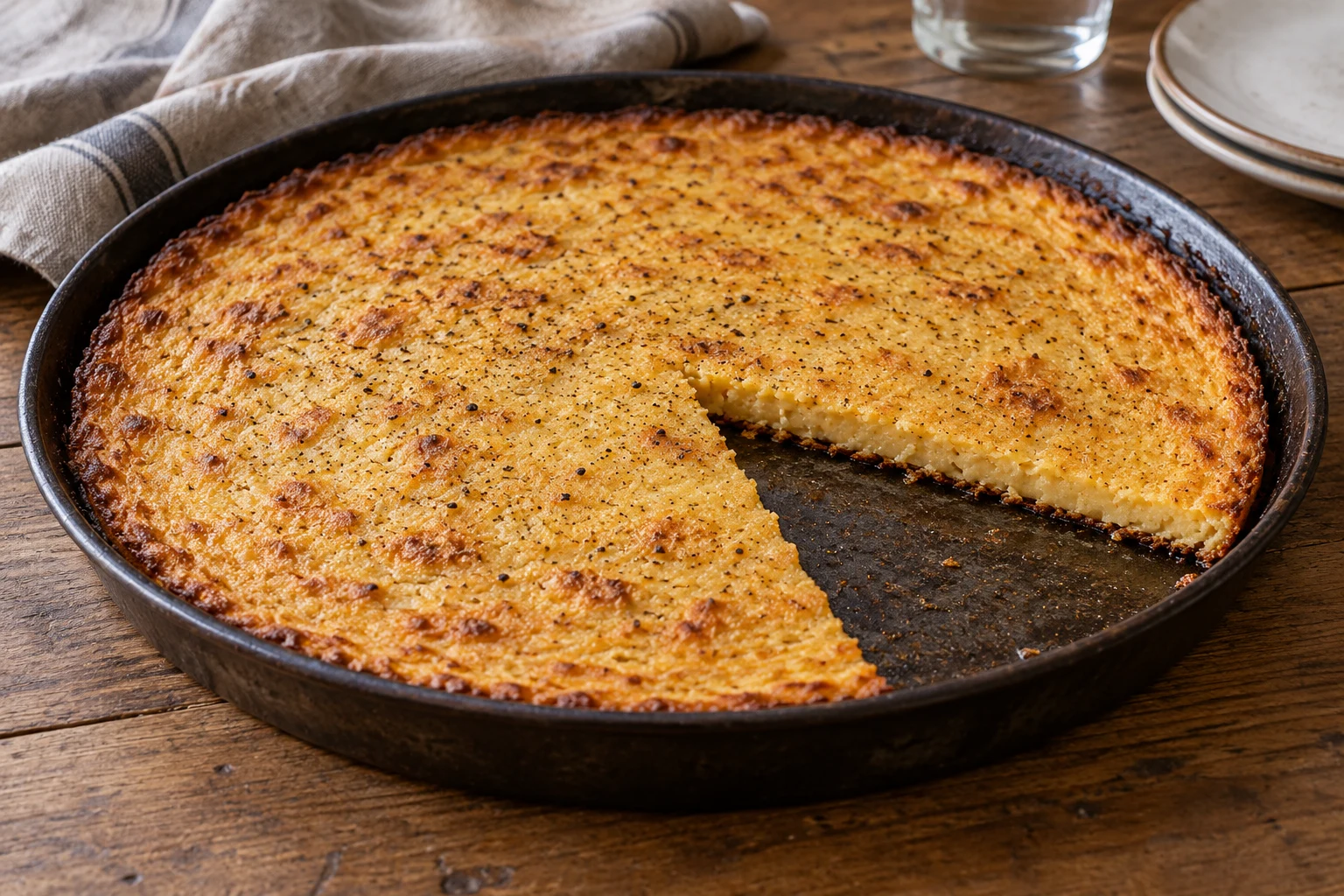
Fainá turns chickpea-flour batter into a thin golden slice. Explore its pizza pairing and compare recipe-specific rests, heated pans and thickness cues.
A second slice changes the bite
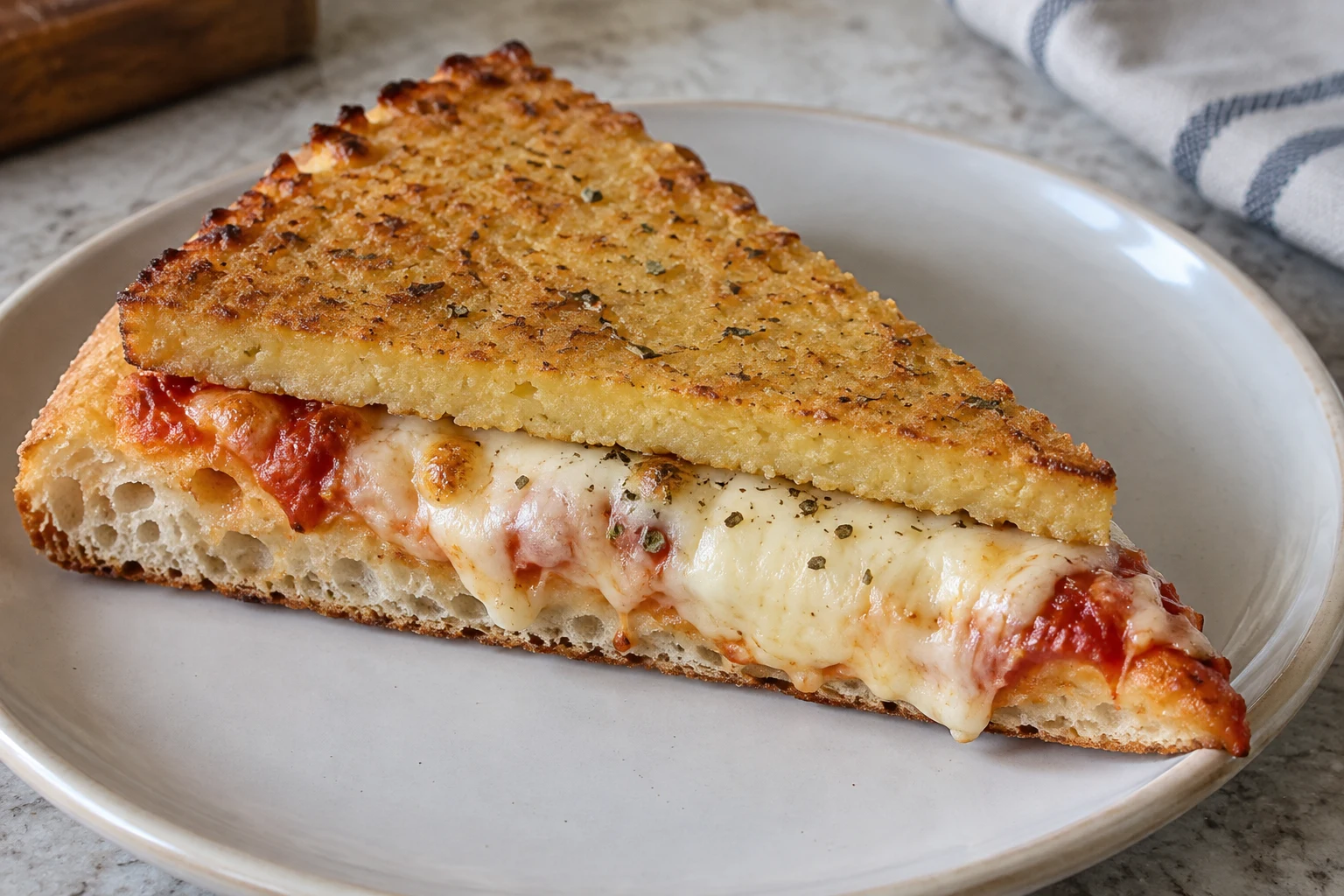
Fainá is the chickpea-flour slice that can accompany pizza in Argentina. Visit Argentina's pizza-culture feature shows the combination as one triangle above another: the thin chickpea preparation and the cheese-topped bread remain separate foods, brought together at the plate. You can also start with a bite of fainá alone to understand what it contributes.
Its own preparation is a batter. The opened recipes combine chickpea flour and water with oil and seasoning, then cook the mixture in a pan or tray. The goal in Paulina Cocina's account is a compact golden disc with a crisp base and softer interior. That is a different structure from a risen pizza crust.
Mixing and resting are separate decisions
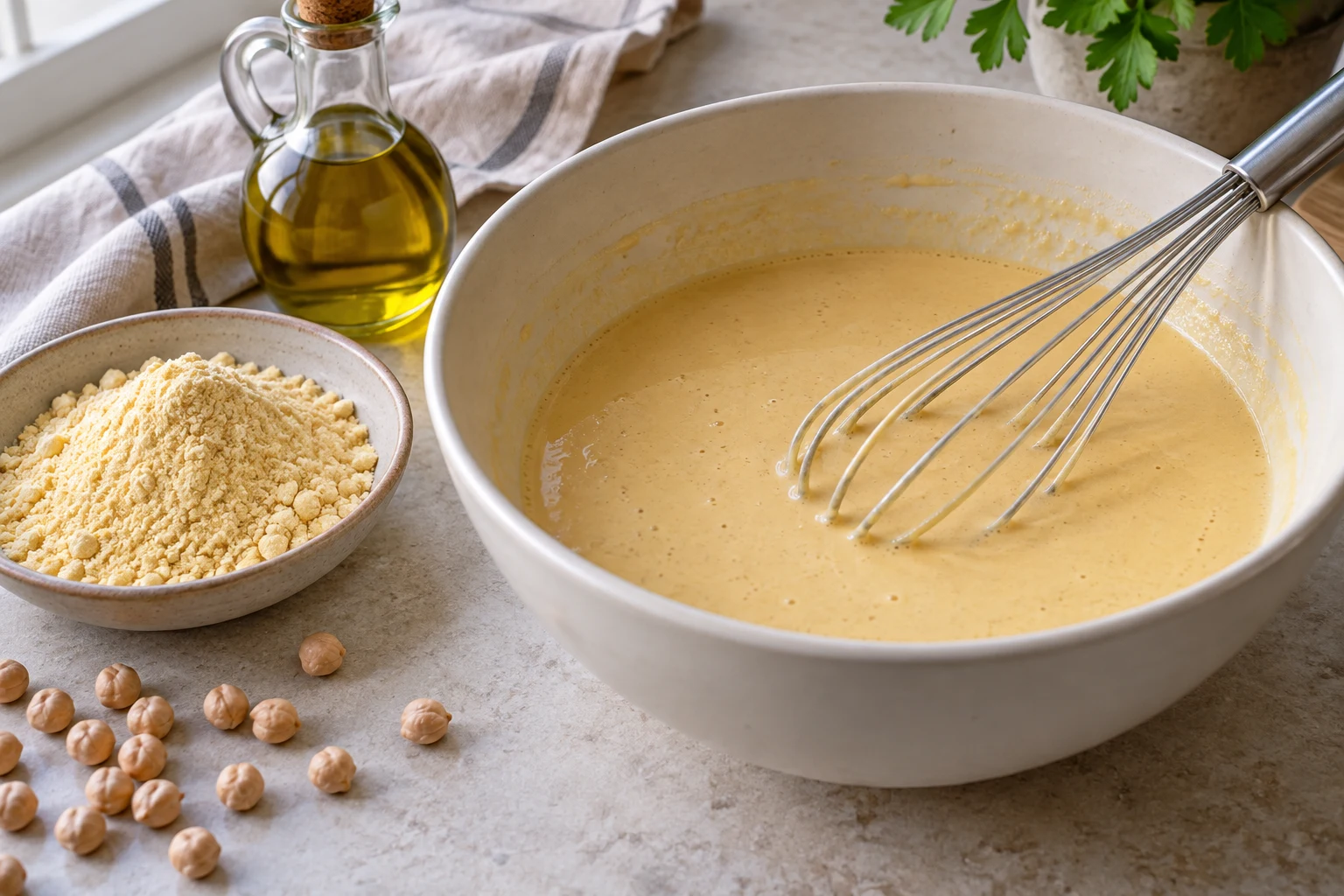
The Hermanos Petersen recipe on elGourmet first combines flour and water, adds salt and olive oil, and rests the mixture before mixing again. That final remix is an explicit part of their method. Do not assume that a liquid batter should be handled like elastic dough, or that kneading is the missing step.
Resting instructions differ noticeably between the three recipes below. They come with different formulas and handling, so there is no reason to average their times into a new rule. Choose the complete recipe whose preparation fits your plan and follow its ingredients, rest and cooking method together.
Three documented rests
- Paulina Cocina
- A day in the refrigerator
- Hermanos Petersen
- An hour and a half
- Hospital Italiano
- Twenty minutes
The complete method then uses a previously heated, oiled pizza pan.
Their elGourmet method remixes the rested batter before the hot-pan and oven stages.
Its recipe pairs a smooth batter with a heated, oiled pizza mould.
The pan helps define the slice
Paulina Cocina explains preheating the oiled pan in terms of the crisp base she wants. The Petersen recipe also asks for a hot pan and recommends a large tray so the fainá does not become too thick. These are useful cues to read alongside the ingredient list, because the vessel is part of the preparation.
Hospital Italiano explicitly notes that cooking time depends on oven and thickness and asks for a well-golden result. A clock alone therefore does not describe every batch. When reading a recipe, check the pan directions and its visual endpoint before deciding that the same batter amount will behave identically in any vessel.
Plain does not mean the only version
Start with the base
A plain slice makes its compact interior, browned base and chickpea flavour easier to notice. Taste a small piece from the middle and another with the edge before combining it with pizza.
- Compare soft centre and browned edge.
- Then decide what the pairing adds.
Read the named variation
The Petersen version uses rosemary and offers grated cheese as an option. Hospital Italiano mentions onions, spices and cheese as additions. Those details describe possibilities rather than compulsory ingredients.
- A topping or addition can change the flavour substantially.
- Use the complete chosen method for the base.
At the pizza counter, keep both foods in view
Visit Argentina places the pairing within a broader pizza culture and describes standing counters in traditional Buenos Aires pizza shops. That context explains why you may encounter fainá by the slice rather than as a separately plated main course. The illustrated stack follows the feature's pairing, while keeping the two layers visibly distinct.
At home, you can try the same comparison without prescribing a single order of bites. Taste the fainá, taste the pizza, then combine a little of each. The cheese, sauce and bread will change the balance. If your main interest is the chickpea preparation, keep an unpaired piece so its texture does not disappear beneath the pizza.
Research notes
Pairing context and three methods
An official tourism feature and three independently published culinary methods support the pizza pairing, recipe-specific rests and pan/thickness cues.
- Visit Argentina: pizza culture Fainá above a pizza slice and the Buenos Aires standing-counter context.
- Paulina Cocina: fainá A refrigerated batter rest, preheated oiled pan and compact thin slice.
- Hermanos Petersen: elGourmet fainá A shorter rest, remixing, hot-pan method, rosemary and optional cheese.
- Hospital Italiano Buenos Aires: fainá casera A twenty-minute rest, thickness-dependent cooking and hot or cold serving.
Keep exploring
More stories for your table
Argentinian cuisine Polenta
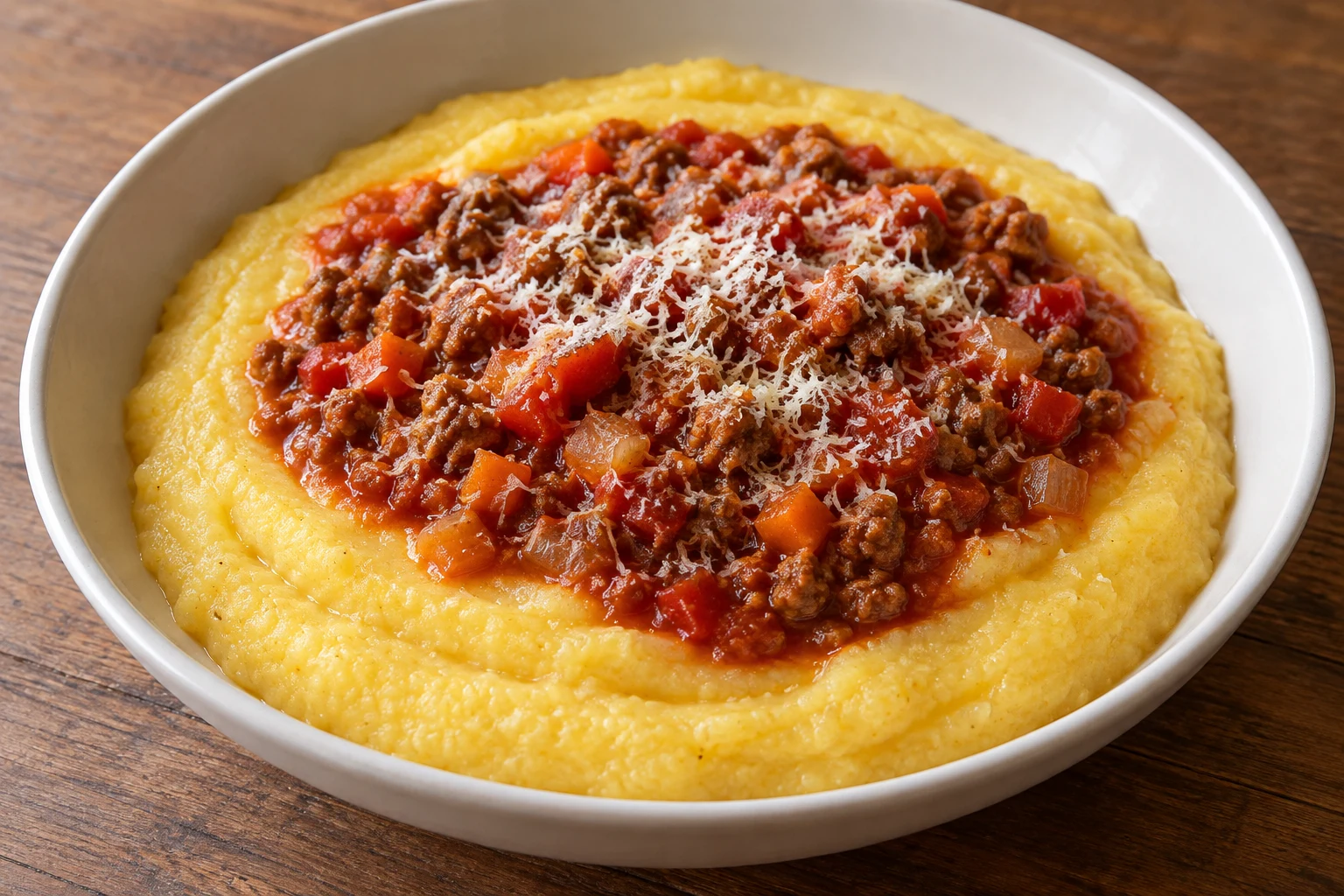
Polenta con Tuco: Spoon It, Slice It, Bake It
Explore Argentine polenta with tuco through a family recollection and three serving textures, from a soft bowl to firm squares and an oven-melted cheese topping.
Argentinian cuisine Steak sandwich
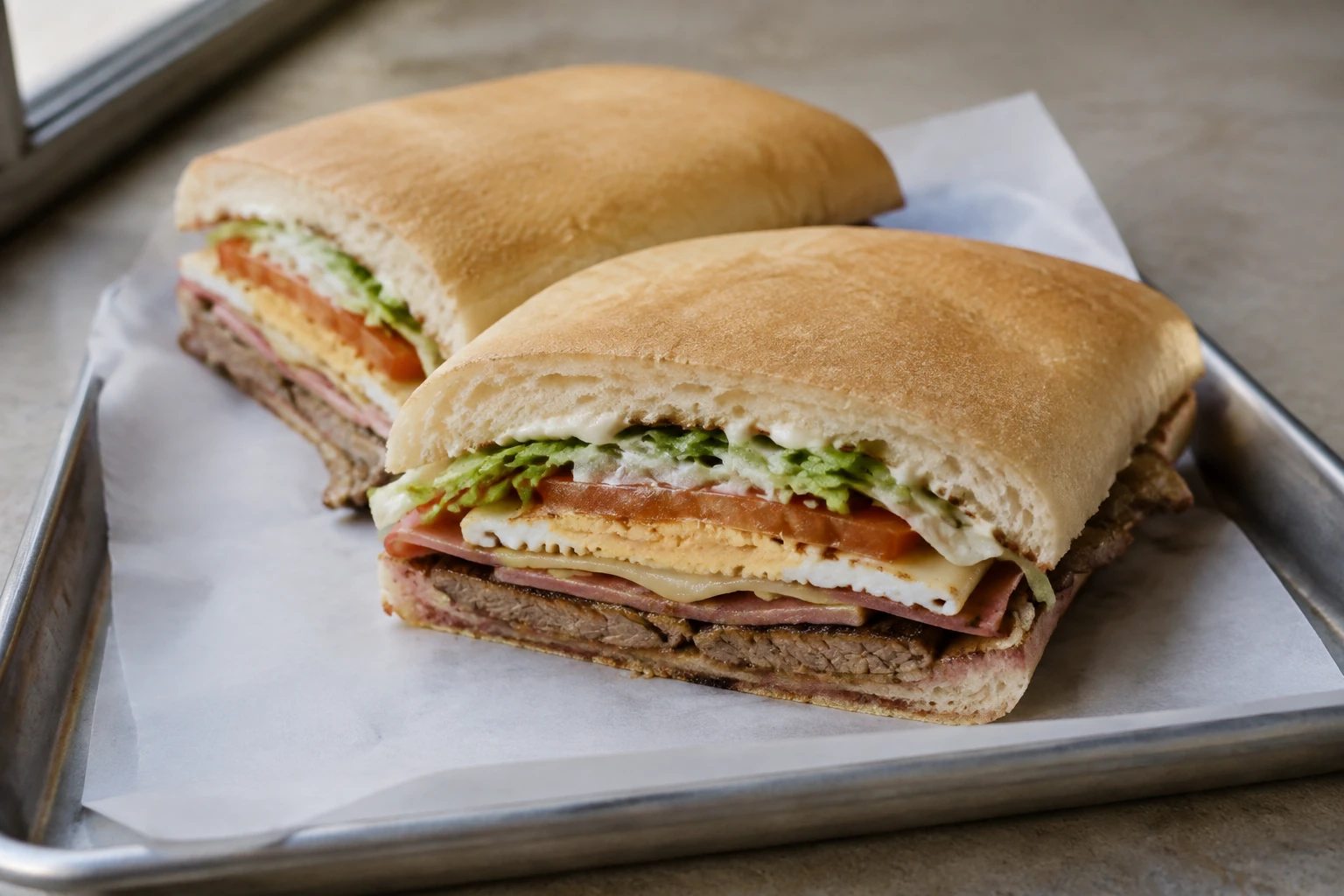
Córdoba’s Lomito: Start with the Bread
Explore Córdoba’s Argentine steak sandwich through its soft bread, thin beef and complete filling, with a practical lomito recipe for two.
Greek cuisine Vegetable and rice dish
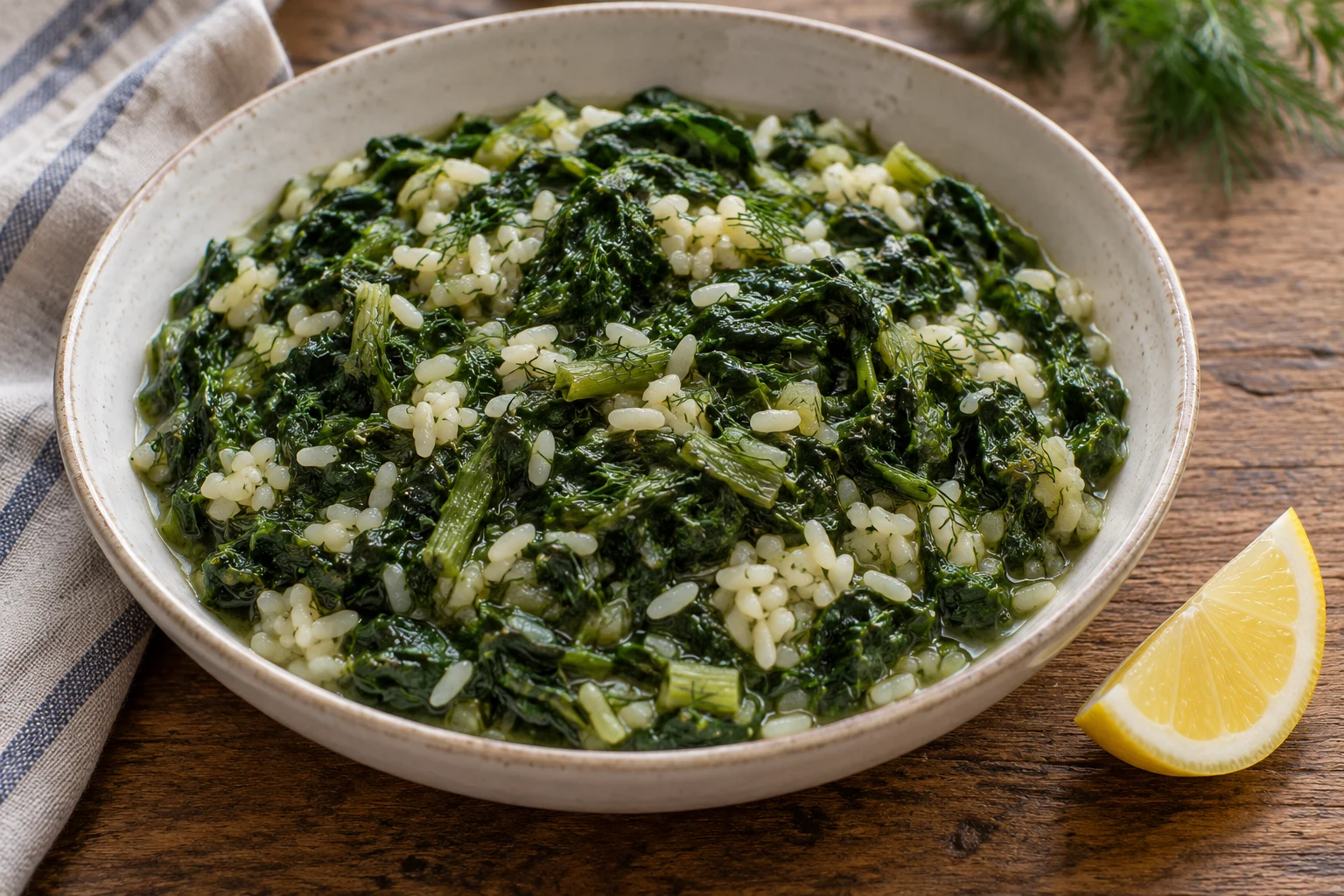
Spanakorizo: Let the Spinach Lead
Greek spinach rice depends on the water in its leaves, the choice of grain and a lemony finish. Compare the decisions behind its soft, vegetable-forward texture.