
Carciofi alla Romana (Roman-Style Artichokes)
Carciofi alla romana
This Roman spring dish is not defined by excess. It depends on a tender local globe, the unmistakable lift of mentuccia, and a covered braise that turns disciplined knife work into softness.
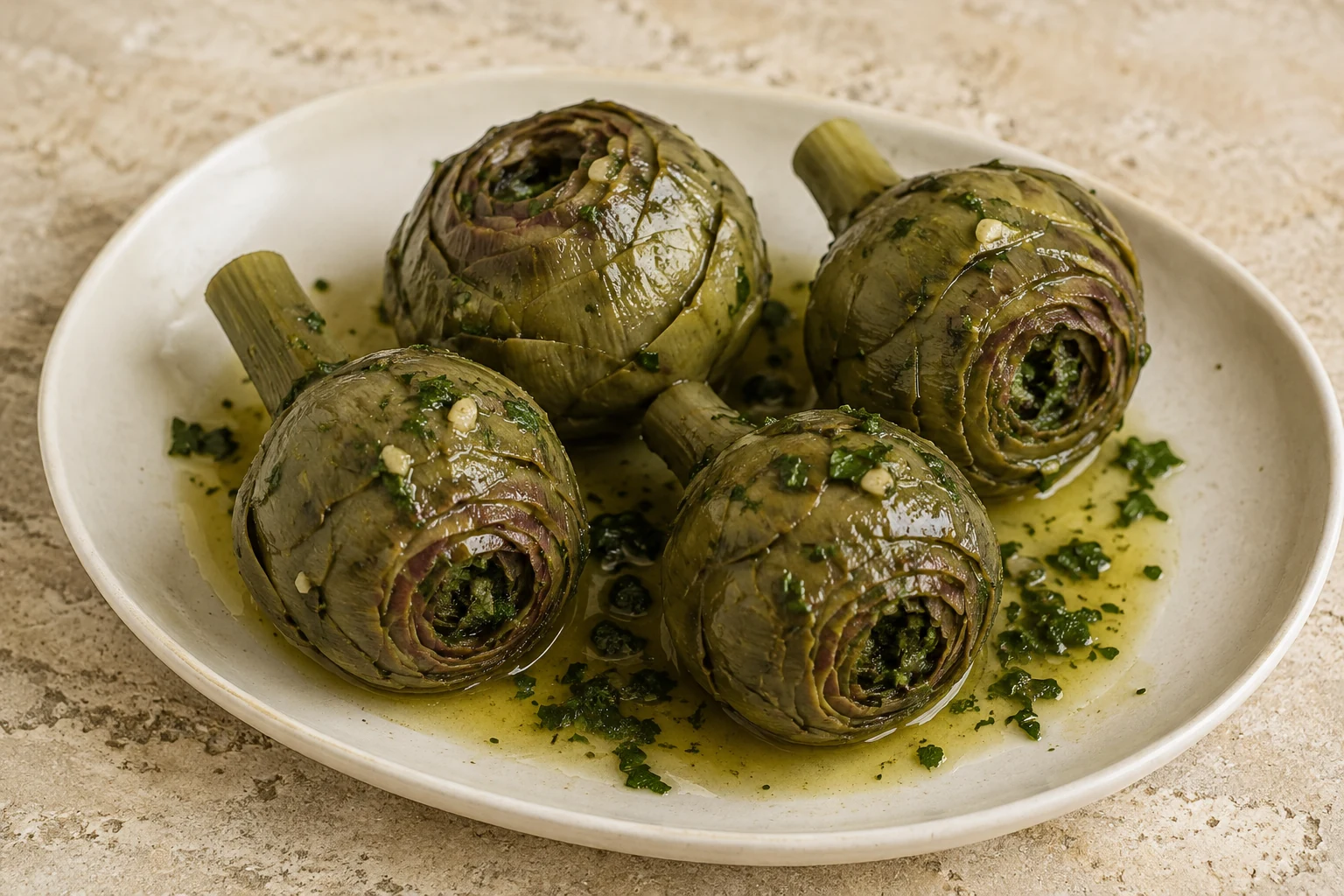
The dish in four facts
A Roman method rooted in a particular vegetable
- Protected name
- Carciofo Romanesco del Lazio IGP
- Harvest window
- January through May
- Defining herb
- Mentuccia
- Cooking posture
- Heads down, stems up
The European Union registered the geographic indication in 2002; its specification names Castellammare and Campagnano cultivars.
ARSIAL gives the regional harvest span; Rome's tourism office places the best market season in March and April.
The small-leaved aromatic is lesser calamint, accepted botanically as Clinopodium nepeta, rather than generic mint.
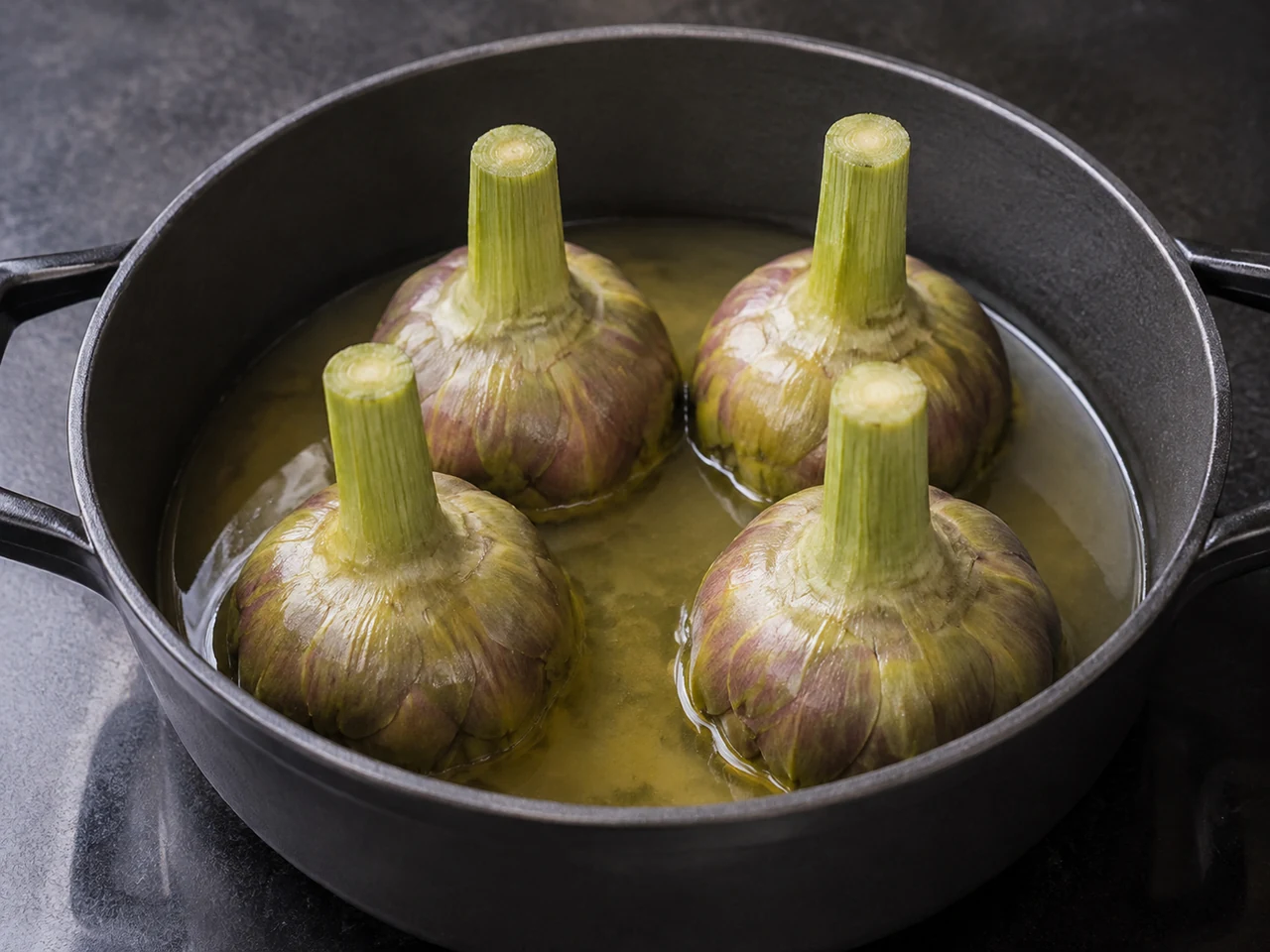
A snug pan supports the whole artichokes while water, olive oil, and trapped steam soften them under cover.
Roman by design
The short recipe is really a chain of choices
First, a correction: carciofi alla romana belong to Rome and Lazio, not Spain. The Spanish wording survives only in this page's inherited address; the dish documented by Lazio and Rome authorities is Roman-style artichokes, a familiar contorno, or side dish, of the capital.
Its apparent simplicity can hide the structure. The round Romanesco artichoke offers a broad, tender heart and relatively forgiving leaves. Trimming removes what would stay fibrous. Mentuccia and garlic perfume the spaces opened between the leaves. Then the whole globes are turned head-down and held close in a covered pan so that oil, water, and steam work together instead of breaking them apart.
Sources do not establish a single inventor or a neat birth date for the finished dish. The protected artichoke has a documented regional identity, and official accounts describe a long Lazio cultivation tradition, but those facts should not be stretched into a claim that today's recipe is unchanged from antiquity.
The whole-artichoke logic
Each move protects the tender center
Exact timing changes with cultivar and size, but the useful signs are tactile: what feels tough before cooking must be removed, and what remains must become yielding without collapsing.
- 01
Choose weight and shape
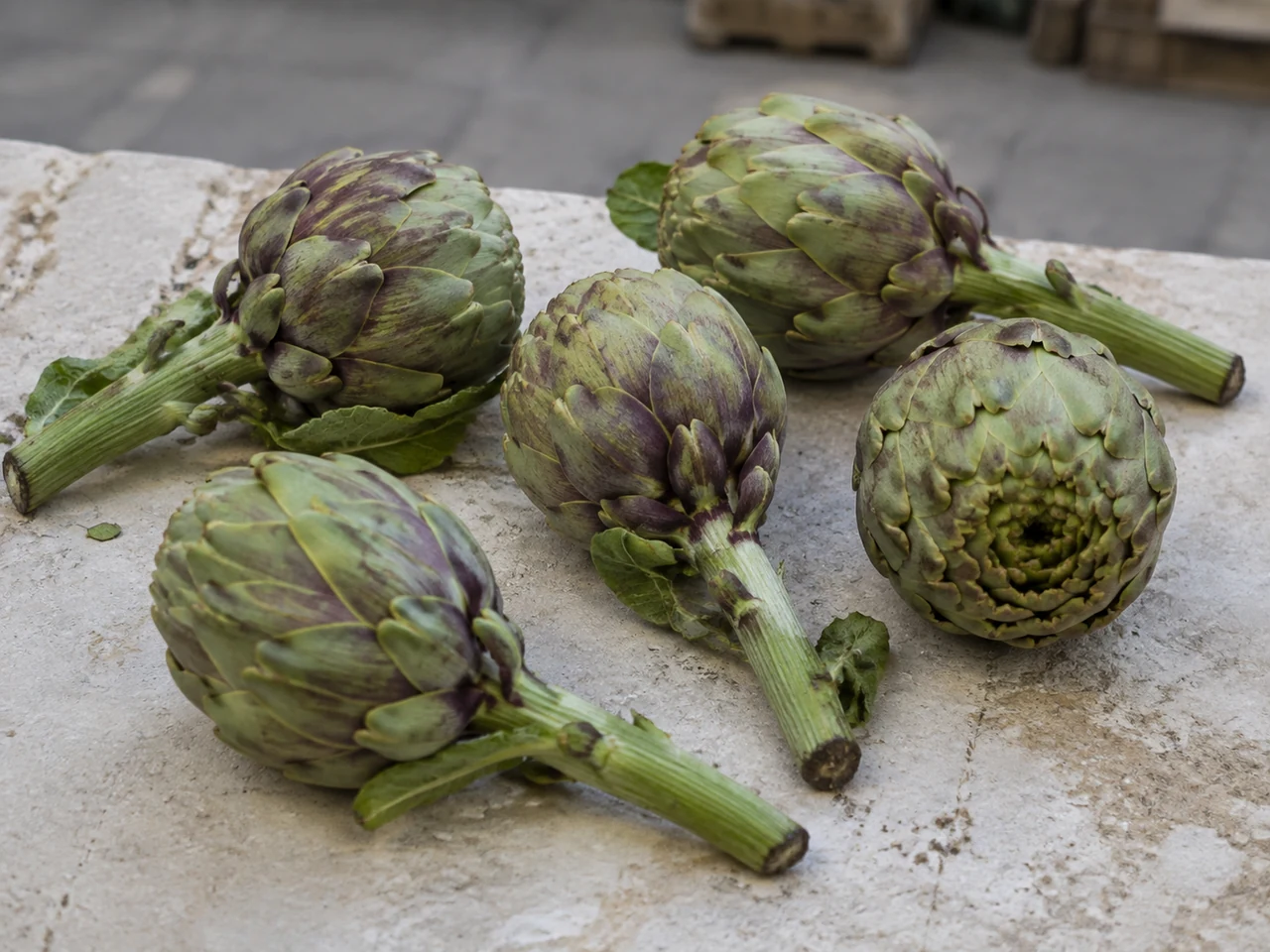
Look for compact globes that feel heavy for their size, with tightly held leaves and firm stems. Romanesco is the regional reference; elsewhere, a medium globe artichoke is a practical substitute, not the protected Lazio product.
- 02
Turn, do not merely chop
Pull away the hard outer leaves, peel the stem, and pare the head in a rising spiral so the tough leaf tips fall away while the softer inner layers remain. Remove a fuzzy choke if the cultivar has one, then hold the trimmed artichoke in lemon water while the rest are prepared.
- 03
Season inside the leaves
Open the center gently and work in chopped mentuccia, parsley, garlic, salt, and pepper. The aromatics belong within the artichoke, where the covered pan captures their fragrance.
- 04
Pack the pan closely
Set each artichoke on its head with its stem pointing up. A high-sided pan just wide enough to hold them prevents rolling; water and olive oil should reach roughly one-third to halfway up the heads.
- 05
Read tenderness at the base
Keep the liquid at a quiet simmer under a lid. The artichokes are ready when a thin knife enters the base with little resistance and an inner leaf is tender, while the whole head still holds together.
Two close readings
The aroma goes inside; the stems point up
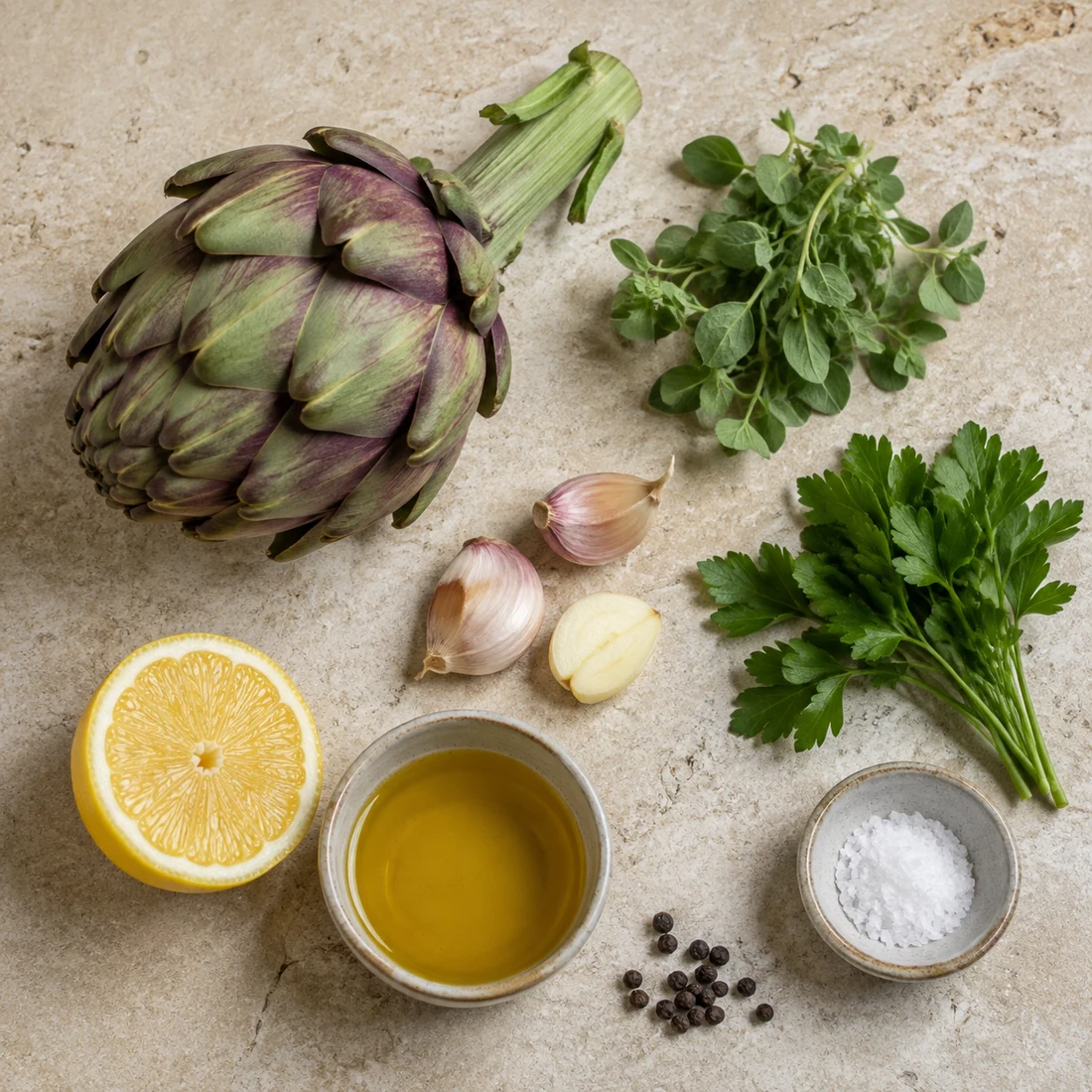
The ingredient list explains the flavor, while the inverted arrangement explains the texture: perfume is tucked into the leaves and the whole heads braise without drifting around the pan.
Cook it at home
Carciofi alla romana
This four-serving method follows the regional core—whole artichokes, parsley, mentuccia, garlic, lemon, olive oil, and water—and uses the covered stovetop braise documented by Roman culinary sources. Choose a snug pan and judge tenderness rather than forcing every artichoke onto one clock.
Ingredients
Artichokes and aromatics
- 4 medium fresh globe artichokes, ideally Carciofo Romanesco del Lazio
- 1 large lemon, halved
- 3 tbsp finely chopped fresh flat-leaf parsley
- 2 tbsp finely chopped fresh mentuccia (lesser calamint)
- 2 cloves garlic, finely minced
- 1 tsp fine sea salt, divided
- 1/4 tsp freshly ground black pepper
For the braise
- 120 ml / 1/2 cup extra-virgin olive oil
- 240 ml / 1 cup water, plus up to 120 ml / 1/2 cup more if the pan is wider
If mentuccia is unavailable
- 1 1/2 tbsp finely chopped fresh spearmint, as an adaptation
- 1/2 tbsp finely chopped fresh oregano, as an adaptation
Method
- 1
Prepare acidulated water.
Fill a large bowl halfway with cool water and squeeze in one lemon half. Keep the other half nearby for rubbing freshly cut surfaces.
- 2
Trim the artichokes.
Working one at a time, shorten the stem to about 6 cm / 2 1/2 inches. Pull off the hard outer leaves, peel the stem, and use a small sharp knife to pare the leaf ends in a spiral toward the top. Cut away roughly 1 cm / 1/2 inch from the tip. Gently open the center and scrape out any fuzzy choke without cutting through the base. Rub cut surfaces with lemon and place the artichoke in the water.
- 3
Make the aromatic filling.
Mix the parsley, mentuccia, garlic, 3/4 teaspoon of the salt, black pepper, and 2 tablespoons of the measured olive oil. If using the home adaptation, replace the mentuccia with the listed spearmint and oregano; do not add both versions.
- 4
Fill and arrange.
Drain the artichokes and shake out the water. Divide the herb mixture among their opened centers, pressing it gently between the inner leaves. Set the artichokes head-down and stem-up in a high-sided pan that holds them snugly.
- 5
Build the braise.
Pour the remaining olive oil and 240 ml / 1 cup water around, not over, the artichokes. Add the remaining 1/4 teaspoon salt. The liquid should reach roughly one-third to halfway up the heads; add some of the reserved water only if needed to reach that level.
- 6
Cover and cook gently.
Bring the liquid just to a simmer over medium heat, cover tightly, and reduce the heat to low. Cook for 30 to 40 minutes, checking at 25 minutes and adding reserved water in small amounts only if the pan is nearly dry. Avoid a hard boil.
- 7
Test and rest.
Insert a thin knife into the base of a head. When it slides in with little resistance and an inner leaf is tender, turn off the heat. Rest covered for 10 minutes, then serve warm or at room temperature with a spoonful of the pan juices.
At the table
Softness, not a fried flower
Carciofi alla romana are served warm or cool enough for the oil and herb aromas to register clearly. The trimmed stem is part of the pleasure: peeled and gently cooked, it becomes an extension of the tender heart. Pan juices belong on the plate, but the artichoke should remain a whole, recognizable globe.
That texture separates the dish from carciofi alla giudia, the Jewish-Roman preparation in which artichokes are fried until their leaves open and crisp like a flower. Both belong to Rome's artichoke vocabulary; braising one and frying the other does not make them interchangeable.
Research notes
Sources behind this article
Regional agencies, Rome's tourism office, EU records, a botanical authority, and a knowledgeable Italian culinary source establish the protected ingredient, season, herb, method, and distinctions used here. None provides a defensible single-inventor story, so this article does not claim one.
- EUR-Lex — Carciofo Romanesco del Lazio registration application Defines the protected product, named cultivars, physical characteristics, production area, and documented link with Lazio.
- EUR-Lex — Commission Regulation (EC) No 2066/2002 Records the 2002 entry of Carciofo Romanesco del Lazio in the register of protected geographical indications.
- ARSIAL — Carciofo Romanesco del Lazio IGP dossier Lazio's regional agricultural agency provides product traits, harvest timing, historical context, and a Roman-style recipe.
- Turismo Roma — Artichokes and a Roman-style recipe Rome's official tourism site documents spiral trimming, aromatic filling, covered cooking, and warm or cold service.
- Turismo Roma — The Romanesco vegetables of the Roman countryside Describes the Romanesco artichoke's shape, market season, mentuccia-and-garlic filling, inverted cooking, and contrast with alla giudia.
- VisitLazio — Carciofo Romanesco del Lazio IGP The regional tourism authority connects the Lazio product to Easter service and the slow-cooked Roman preparation with herbs and olive oil.
- Royal Botanic Gardens, Kew — Clinopodium nepeta Kew's Plants of the World Online supplies the accepted botanical name and taxonomic placement for lesser calamint.
- University of Trieste — Flora of Rome: Clinopodium nepeta The university-hosted flora portal records the plant around metropolitan Rome and identifies mentuccia among its Italian common names.
- Plants — Clinopodium nepeta aroma and cultivation study This peer-reviewed study notes the herb's Italian mentuccia or nepitella names and its aroma between oregano and mint.
- Gambero Rosso — Traditional Roman dishes Corroborates the garlic-and-mentuccia seasoning and close-packed, heads-down covered braise used in Roman cooking.
Keep exploring
More stories for your table
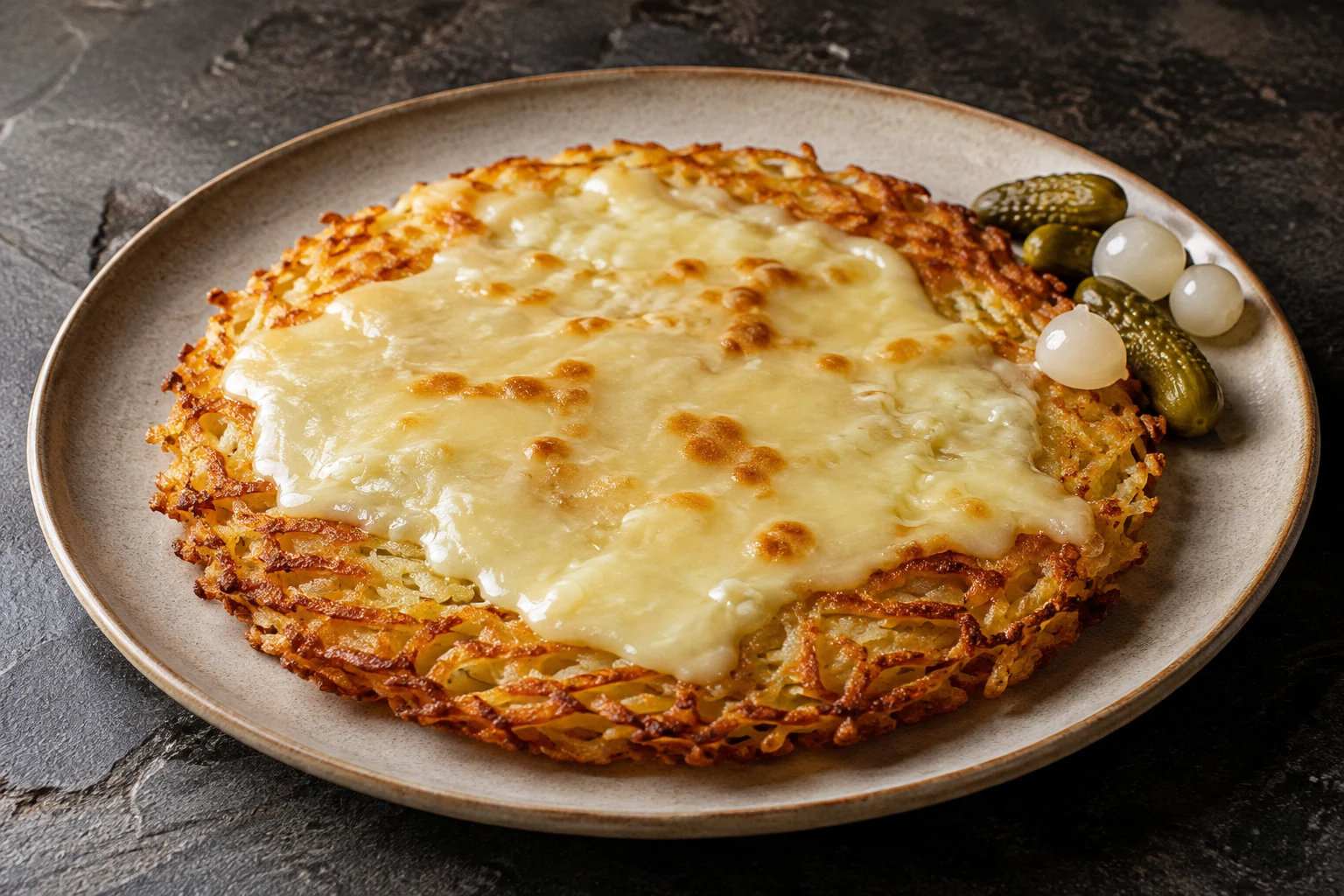
SwitzerlandPotato dish
Rösti with Raclette Cheese
A crisp Swiss potato cake meets molten raclette in a cross-regional pairing that separates documented tradition from a practical home adaptation.
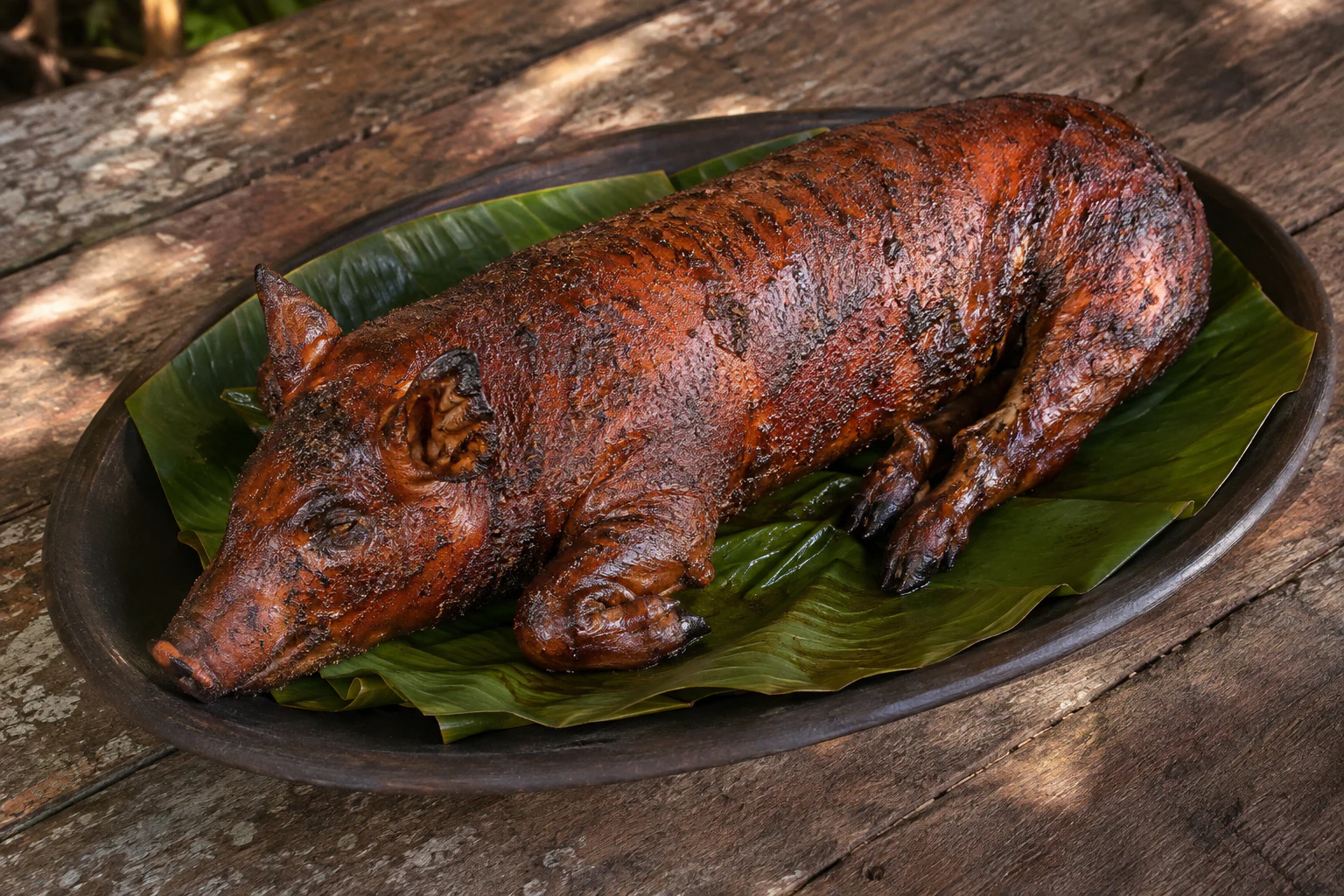
JamaicaPork & fire
Jamaican Roast Suckling Pig
A careful look at how a widely shared whole-pig centerpiece becomes Jamaican through jerk's layered history, pimento smoke, Scotch bonnet heat and living cooks.
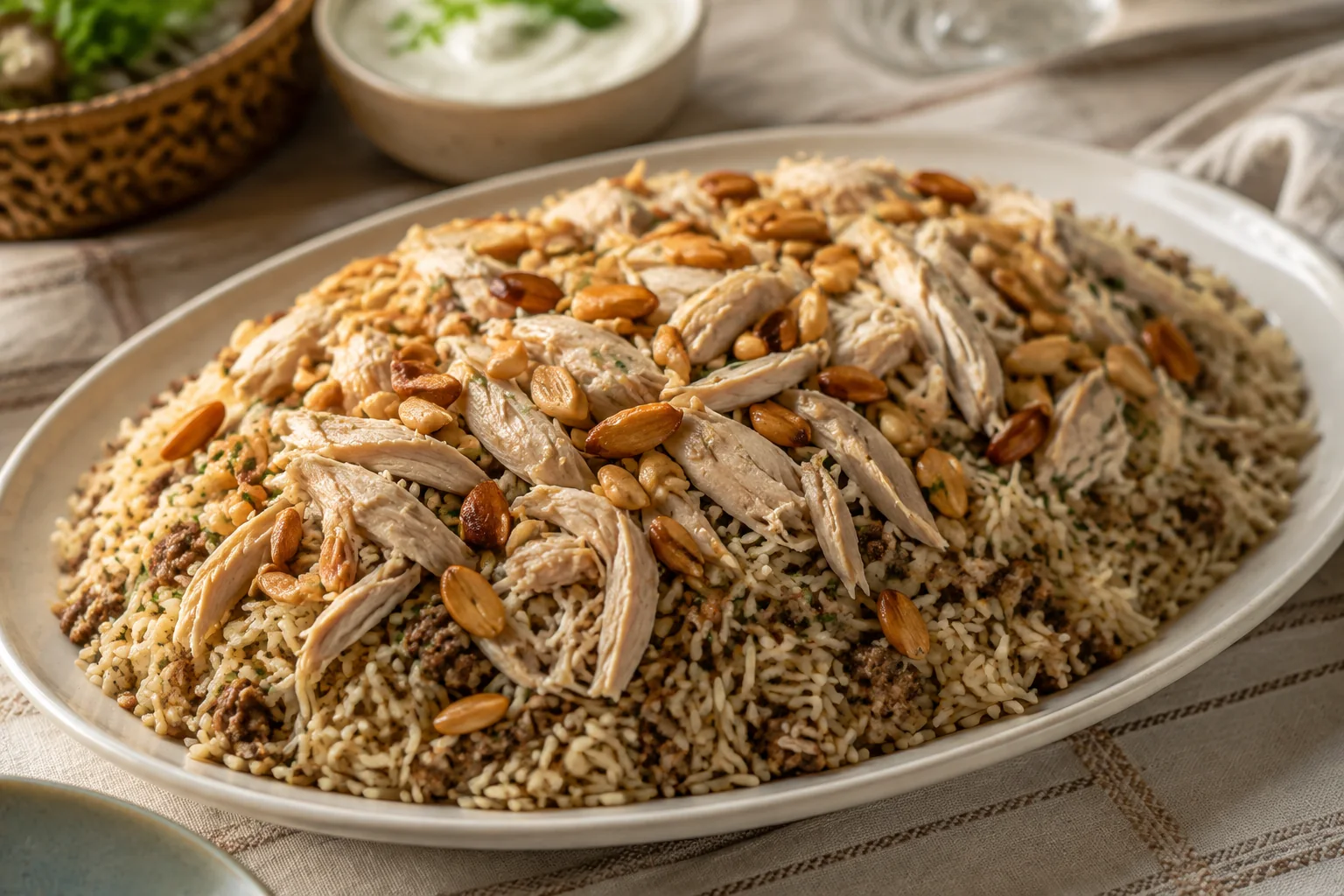
LebanonGathering table
Riz bi Djej
Fragrant rice and finely browned meat, crowned with tender chicken and a generous scatter of toasted nuts.