
Buñuelos de Viento: How Spain’s Airy Fritters Rise
Buñuelos de viento
A small spoonful of cooked paste becomes a golden fritter with room inside. Follow that transformation to understand plain buñuelos, cream-filled bakery sweets and the frying technique that makes them light.
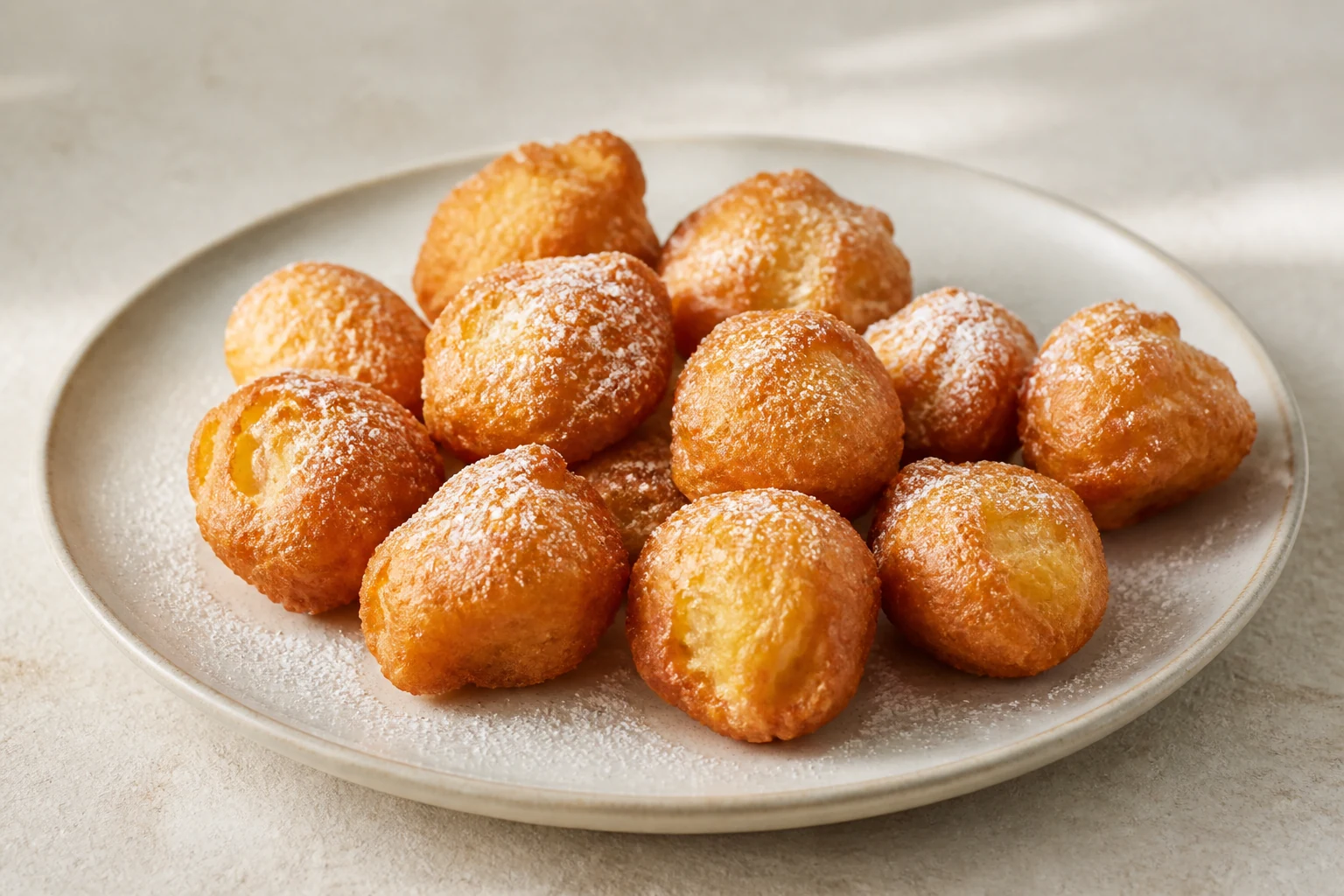
An airy center, two ways to serve it
Buñuelos de viento are small Spanish fried pastries whose name evokes their lightness. The space inside gives cooks a choice: finish the fritter with sugar, or use the pastry to hold a sweet filling. Both choices have clear Spanish examples.
Plain and warm
Karlos Arguiñano’s recipe finishes the fritters with powdered sugar and serves them straight after frying. Here the pastry is the whole bite: a golden surface around a light interior. Lemon zest perfumes the paste.
Cooled, then filled
Madrid bakeries turn the same sort of airy pastry into a container for cream. El Corte Inglés describes cooling its fried shells before filling them with flavors including vanilla pastry cream, nata and chocolate. Nata here is cream; it is a filling choice, not a separate kind of dough.
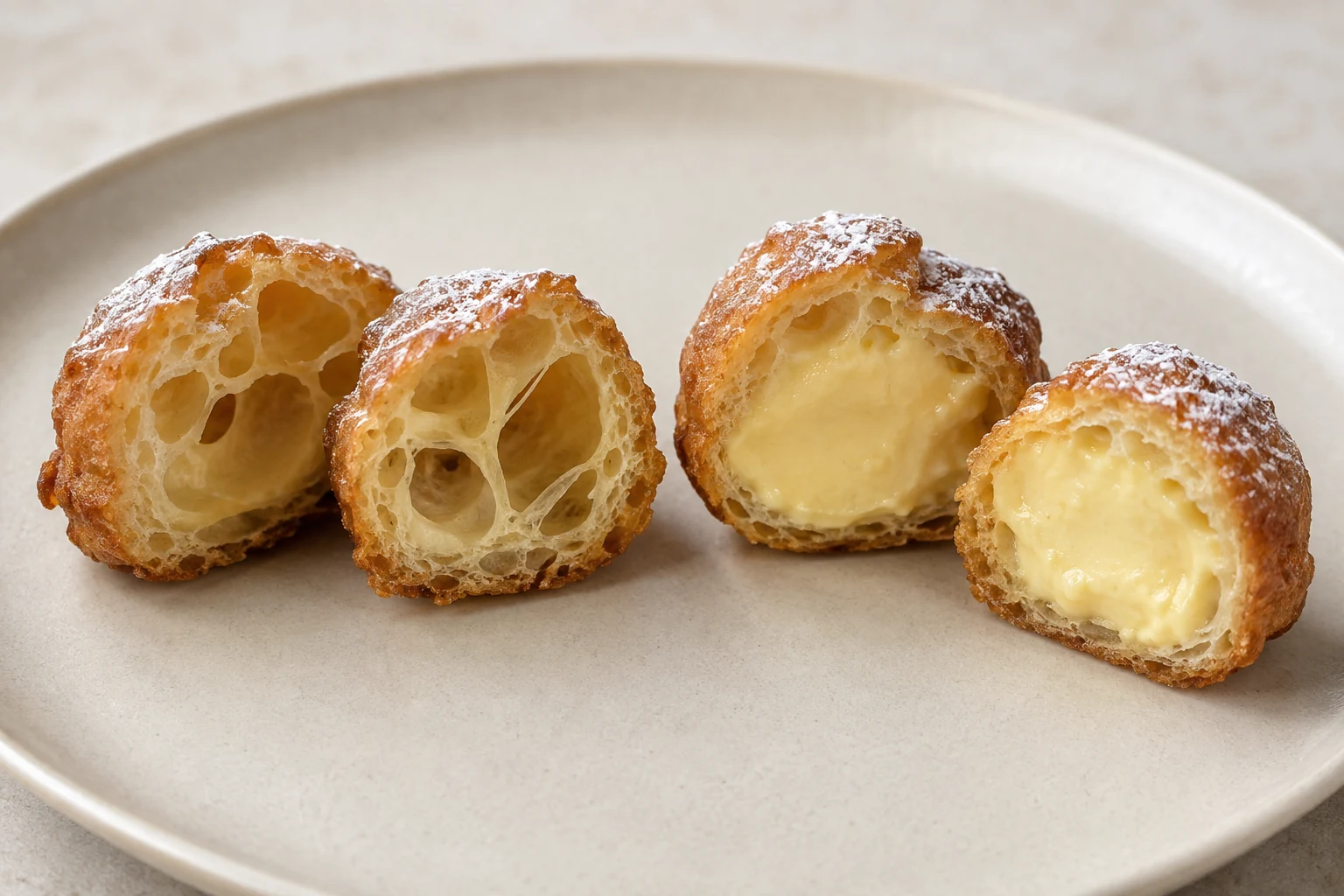
The lift begins in the saucepan
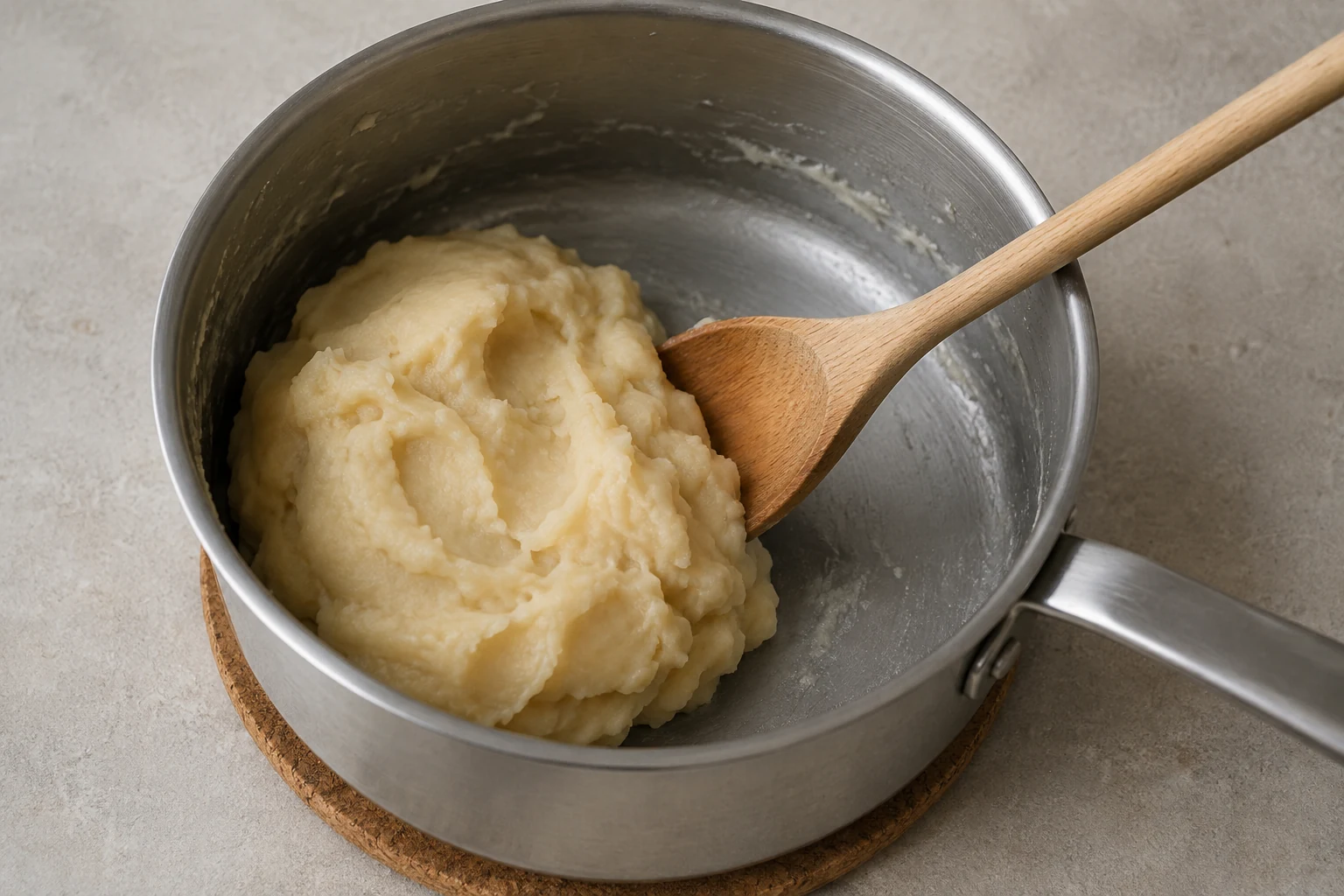
The revealing Spanish preparation term is masa escaldada: flour is mixed into hot liquid to make a cooked paste. RTVE’s report from a Barcelona bakery shows that order clearly, with eggs incorporated only after the paste comes off the heat and cools. El Corte Inglés independently describes adding egg gradually until its paste is smooth.
This is the working logic of choux pastry. King Arthur Baking explains that cooking the flour changes its starch so it can hold more moisture, while eggs help build a structure that can expand and set. In the fryer, water in the paste becomes steam and pushes outward. That explains how a compact spoonful can become a much airier mouthful.
Heat control is the practical consequence. Arguiñano warns that excessively hot oil can set the outside before the fritter has room to grow. Small portions and uncrowded batches make the cooking easier to manage. La Mallorquina’s recipe, published by Madrid Tourism, gives 170°C as its frying temperature; the adaptation below uses that starting point.
Home adaptation · four servings
Plain lemon buñuelos de viento
A butter-based home adaptation of Karlos Arguiñano’s formula, with a brief pan-drying step and a one-hour refrigerator rest. It makes about 24 small unfilled fritters. Allow about 2 hours: 20 minutes preparing the paste, 60 minutes resting and 40 minutes heating the oil and frying. These timings are estimates; this version has not been kitchen-tested.
Ingredients
For the paste
- 125 ml water
- 15 g unsalted butter, diced
- 20 g granulated sugar
- 1/8 tsp fine salt
- 1/4 lemon finely grated zest only
- 65 g plain all-purpose wheat flour
- 100 g beaten whole egg, weighed without shells (about 2 large eggs)
For frying and finishing
- About 1 litre sunflower oil, enough for a 4 cm depth in a small deep saucepan
- 15 g powdered sugar
Method
- 1
Cook the paste
Bring the water, butter, granulated sugar, salt and zest to a boil in a small saucepan. Remove from the heat; stir in all the flour until no dry patches remain. Return to medium-low heat and stir for about a minute, until the paste gathers together and leaves a light film on the pan.
- 2
Cool, then incorporate the egg
Transfer to a mixing bowl and spread out. Cool for about 10 minutes, until warm rather than hot. Beat in the egg in four additions, mixing each in fully before the next. The paste should become smooth and thick enough to scoop.
- 3
Rest in the refrigerator
Cover and refrigerate for 1 hour at 4°C/40°F or below. Do not taste the uncooked paste. Wash the utensils and work surface used for the flour and egg.
- 4
Heat the oil
Use a deep, heavy saucepan with about 4 cm of oil, leaving the pan no more than one-third full. Heat to 170°C/338°F, measured with a frying thermometer. Place paper towels on a tray for draining.
- 5
Fry small portions
Use two teaspoons to ease rounded spoonfuls of about 13 g into the oil, six at a time. Let them expand, turning as needed, for roughly 5–7 minutes until golden and cooked through. Adjust the heat to stay near 170°C. Cut open a test fritter: its pastry walls should be set, with no wet batter. If it browns before cooking through, reduce the heat slightly and allow longer; return undercooked pieces to the oil. Cook all the paste, letting the oil recover between batches.
- 6
Drain and finish
Lift out with a slotted spoon, drain briefly, then dust with the powdered sugar and serve warm. Refrigerate leftovers within 2 hours, or within 1 hour if the room is hotter than 32°C/90°F. They are best for texture when freshly fried.
A place on the pastry calendar
Madrid’s bakery calendar gives buñuelos a conspicuous place around Todos los Santos, All Saints’ Day on November 1. Madrid Tourism documents the occasion through La Mallorquina, and the Royal Spanish Academy’s student dictionary uses the holiday to illustrate the name. The association is strong, but it does not exhaust the pastry’s life: RTVE reported on buñuelos de viento at a Barcelona bakery during Lent in March 2023.
At the counter, ask about the paste as well as the filling if ingredients matter to you. The El Corte Inglés bakery account lists manteca de cerdo, pork lard, in its formulation; the home recipe here uses butter. A sweet appearance alone cannot tell you which fat a baker has chosen.
Research notes
Sources and further reading
Spanish culinary reporting and first-party bakery accounts establish the dish and its service. Pastry science explains the method; FDA guidance informs the handling notes.
- Karlos Arguiñano: Buñuelos de viento The chef’s official recipe supplies the plain-fritter formula, small-batch frying and heat-control advice. Our adaptation specifies egg weight and a refrigerated rest.
- Madrid Tourism: Es tiempo de buñuelos Reporting from La Mallorquina documents Madrid’s November custom, filled service and a 170°C frying temperature. Used for those observations, not its broad origin narrative.
- El Corte Inglés: the bakery’s buñuelos preparation First-party account dated October 31, 2024: scalded paste, gradual egg additions, filling after cooling and lard in its own formulation. Its origin legend is not used.
- King Arthur Baking: understanding pâte à choux Explains cooked starch, cooling before adding eggs, steam expansion and the egg structure of choux. Used to explain the shared pastry mechanism, not Spanish history.
- RTVE: buñuelos from a Barcelona bakery March 2023 reporting documents Lenten service and flour scalded before eggs are added off the heat. Historical speculation and the article’s chronology are excluded.
- Real Academia Española: buñuelo The student dictionary records buñuelo de viento as a sweet filled fritter, with an All Saints’ Day example. This supports filled usage alongside the documented plain recipe.
- FDA: handling flour safely Current guidance on avoiding raw flour and batter, keeping raw ingredients separate and cleaning equipment after preparation.
- FDA: egg safety Current guidance on thorough cooking, a refrigerator at 40°F or below, and prompt refrigeration of foods containing eggs.
Keep exploring
More stories for your table
AfghanistanKebab techniques
Afghan Lula Kebab: Grilled Skewers, Fried Rolls
Afghan lula and lola kebab recipes take two distinct paths. Compare grilled mince with fried meat-and-potato rolls, their ingredients, texture and cooking order.
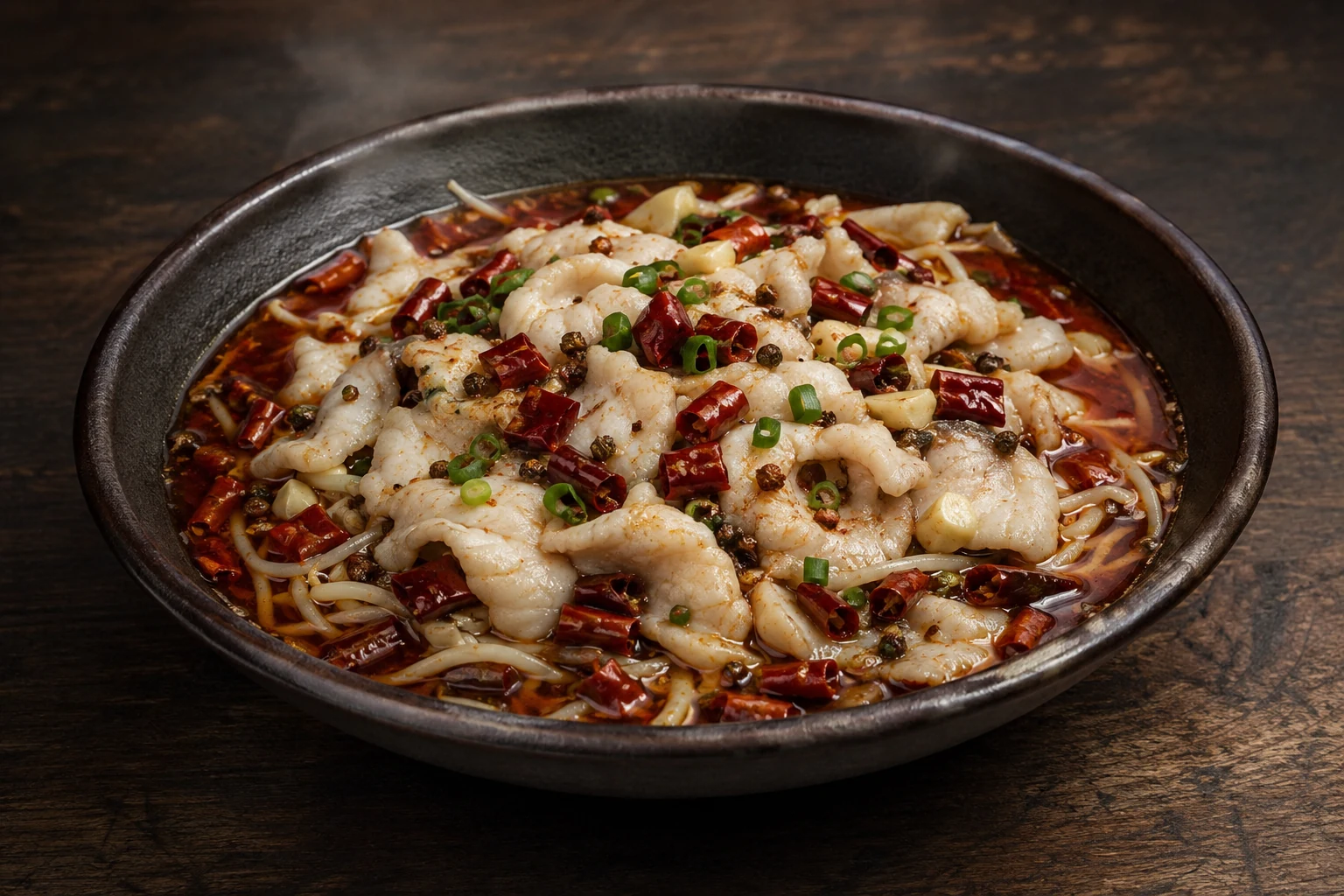
ChinaFish dish
Shui Zhu Yu (Sichuan Water-Boiled Fish)
Why Sichuan water-boiled fish stays tender beneath its dramatic mala finish: a close look at the broth, hot-oil bloom, Chongqing context, and a practical home method.
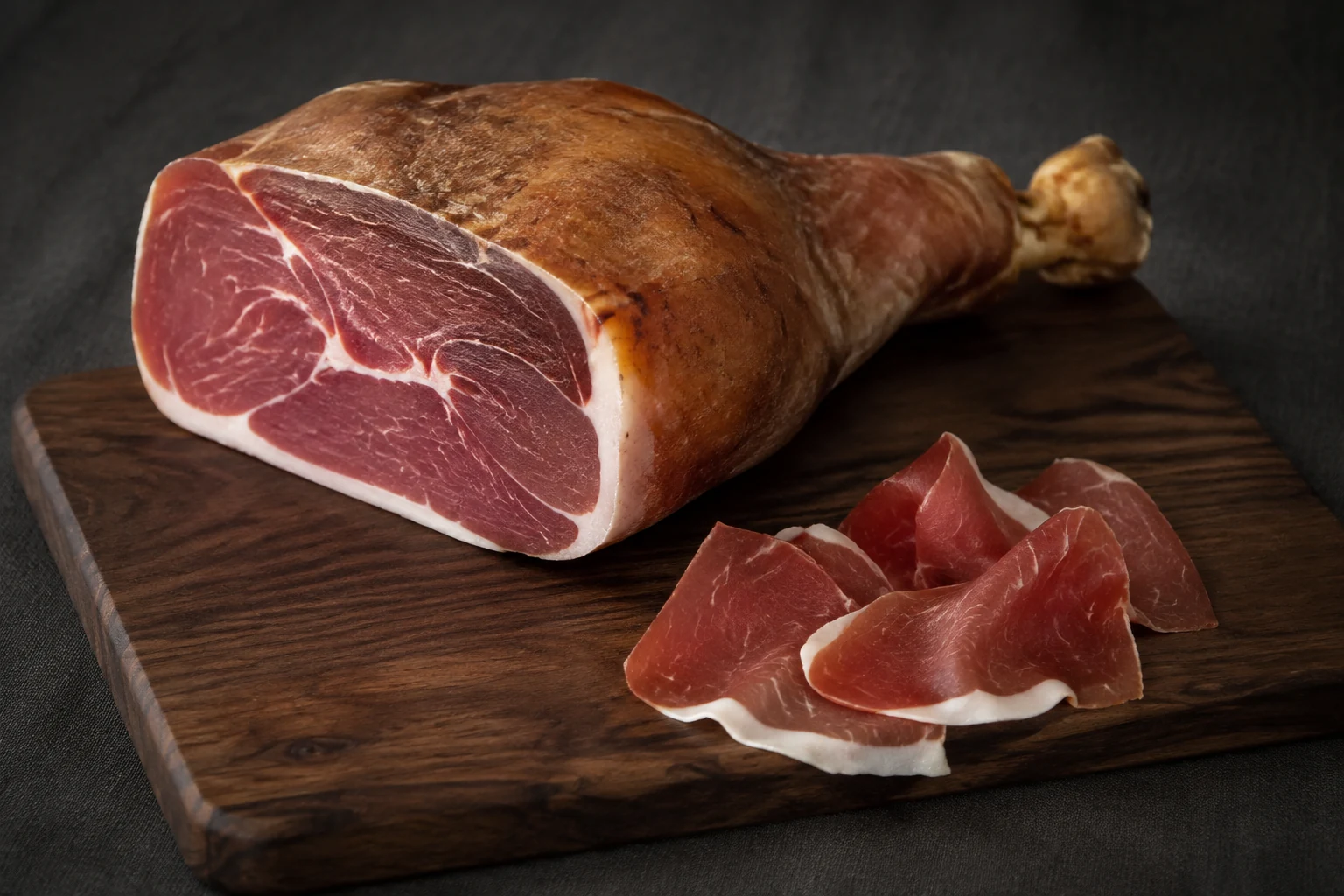
BelgiumDry-cured ham
Jambon d’Ardenne: A Name Made by Place
Belgium’s protected Ardennes ham is defined less by where the pig was raised than by where salt, cold air, optional smoke, and patient maturation turn pork into charcuterie.