
Zakuski: A First Course Made for Sharing
Закуски
A little herring, something pickled, a slice of bread—and time to enjoy the company. The Russian appetizer table gives its first course room to unfold.
Before the main meal
Small dishes, a substantial welcome
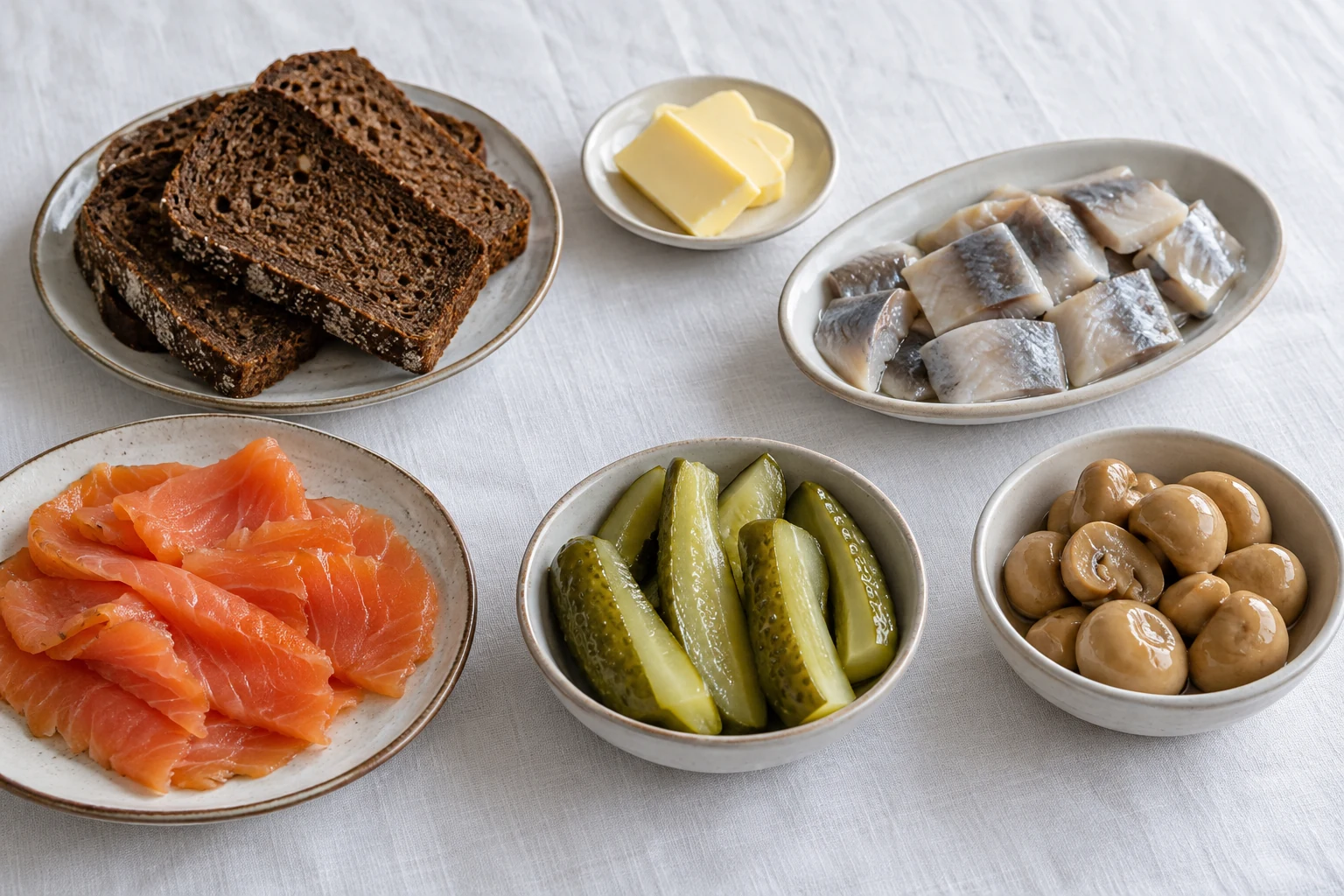
A plate of salted fish, a bowl of pickles, bread and butter: each is straightforward on its own. At a zakuski table, a collection of such dishes gives guests a succession of small choices. The assortment can become substantial before the main meal has even appeared.
Writing about a gathering at a dacha outside Moscow in 2010, historian Peter Pozefsky describes a first course that receives much of the hosts’ attention and the guests’ time. His account lists fresh vegetables and herbs, pickles, cheese, salted fish, bread and cured meats. It is an invitation to settle in.
Cold dishes are only part of the repertoire. Russian Life describes spreads ranging from a few plates to elaborate hot-and-cold arrays. In Deena Prichep’s 2014 NPR report from a family gathering outside Portland, the cold fish, pickles and salads are joined by hot pastries and filled pancakes. “Appetizers” describes their place in the occasion, not a promise that dinner will be light.
An editorial starting point
Three choices for a smaller table
- Salty and savory
- Fish or cured meat
- Sour and piquant
- Pickled vegetables
- Alongside the bites
- Bread and butter
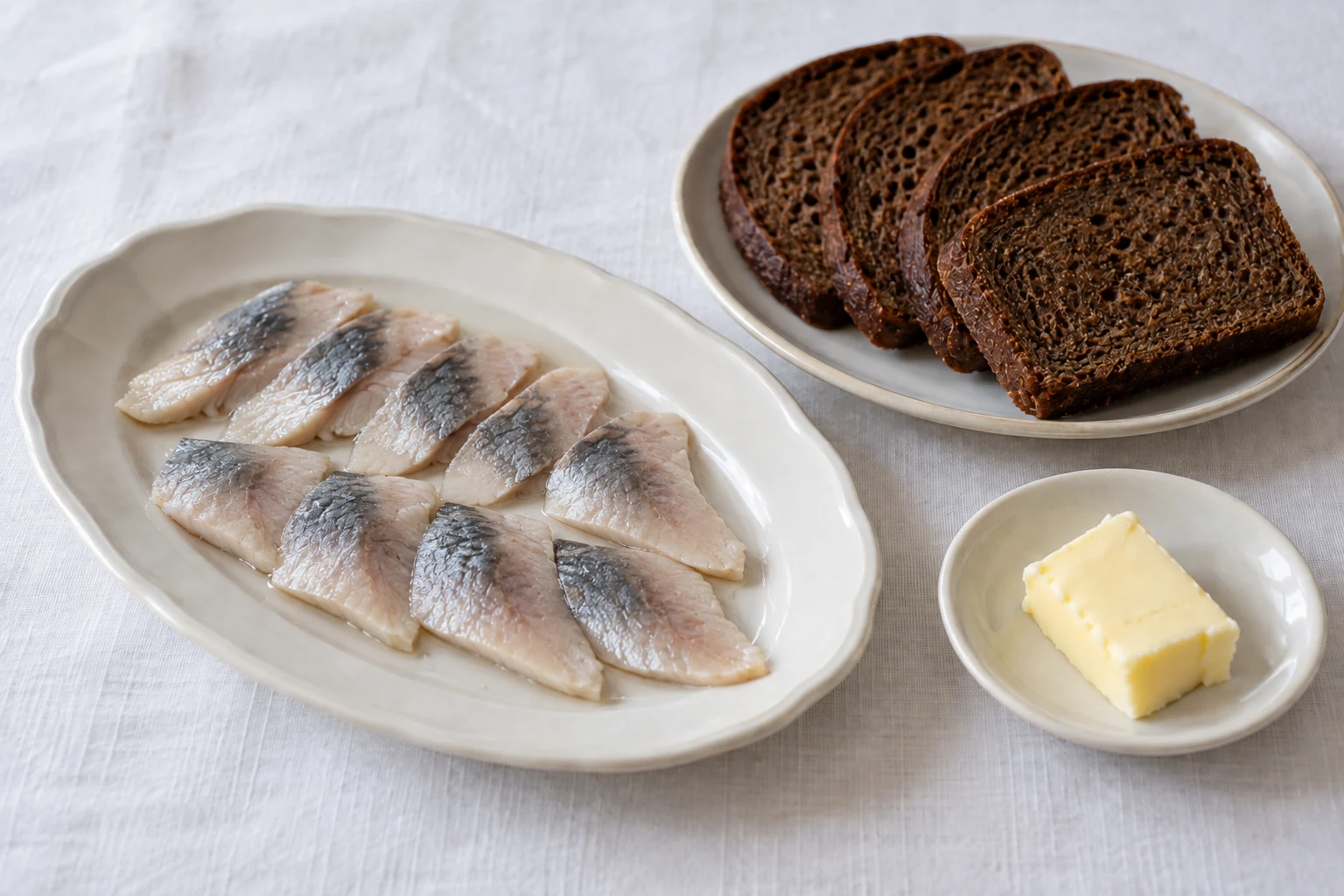
Salted herring, smoked fish and cured meats recur in descriptions of zakuski. Choose a favorite rather than trying to represent every possibility.
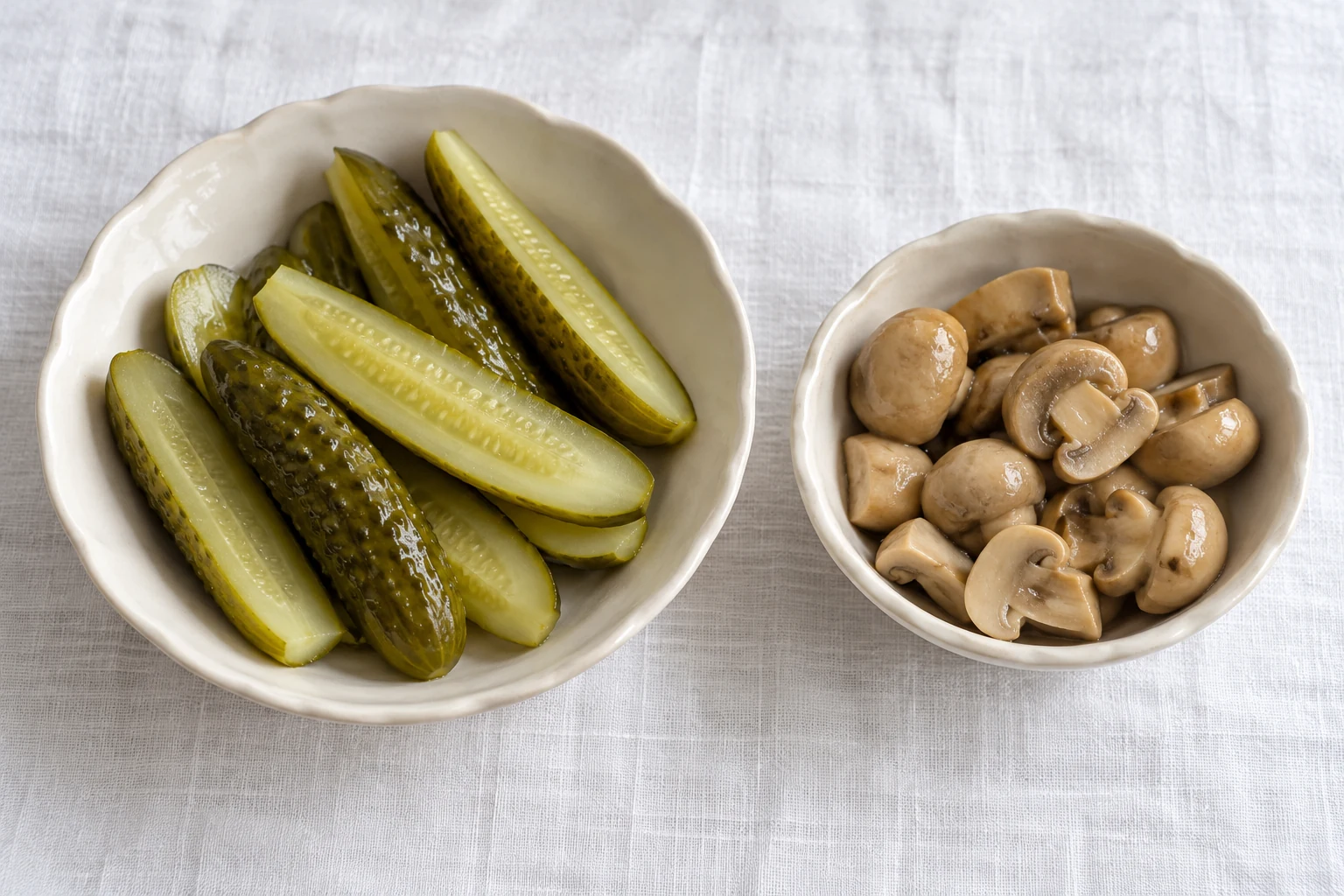
Cucumbers, mushrooms, cabbage and green tomatoes appear across the accounts. A couple of different textures can make this part of the table interesting.
Russian Life describes sliced bread and butter on the appetizer table. Dark rye bread is a useful choice for this suggested spread; keep it easy to reach.
The social course
The toasts belong to the story, too
Vodka and shared toasts feature prominently in both Pozefsky’s account and Prichep’s reporting. Between toasts, diners take a bite of fish, something sour, or bread. The sequence gives the assortment a social rhythm: people return to the small dishes while spending time together.
In the NPR report, food writer Anya von Bremzen explains how a lavish spread could express hospitality and status in Soviet life. Yet generosity need not mean an enormous menu. Speaking with Leah Koenig in Tablet, scholar Darra Goldstein emphasizes the willingness to share even when there is little. That is a useful principle for a home host choosing a handful of good dishes.
The scale changes with the setting. A Russian Federal Agency for Tourism exhibit describes much simpler appetizers in Soviet vodka houses, including sprat sandwiches and eggs with mayonnaise. Those small bar servings and the expansive family table show different settings for food alongside a drink. For the home assortment suggested here, guests can join the conversation and choose their own drinks.
Plan the occasion
A manageable way to host
This is an editorial serving plan drawn from the documented assortment, rather than a fixed traditional menu or a recipe for curing fish and preserving vegetables.
- 01
Decide what follows.
If a hot main course is coming, put out small portions and let guests know there is more to follow. If the assortment will be the meal, say so and plan the rest of the menu accordingly. Use ready-to-eat fish and prepared pickles from a trusted source, following their storage instructions.
- 02
Keep the choices separate.
Arrange small dishes with their own serving utensils and leave room for people’s plates. Check ingredients with guests: fish, milk in butter, gluten in bread, and egg in some salads or spreads may matter. Choose the assortment around the people eating it.
- 03
Replenish safely.
The FDA recommends small serving platters with refrigerated replacements. Keep cold perishable food at 40°F (4°C) or below, and bring it out close to serving time. Replace a nearly empty platter with a fresh one instead of topping it up. Discard perishables left at room temperature for more than 2 hours, or 1 hour when the temperature is above 90°F (32°C), unless they have been held safely hot or cold. Conversation can continue while a fresh chilled dish takes its place.
Research notes
Sources behind the table
Firsthand accounts and food scholarship support the cultural discussion. The suggested smaller assortment is editorial; current FDA guidance governs the serving advice.
- Peter Pozefsky / College of Wooster — Russian Dacha, Vodka and Zakuski A 2010 firsthand account of a gathering outside Moscow, the small-dish assortment and shared toasts.
- Deena Prichep / NPR, republished by KQED — Mastering the Zakuski Spread Reporting from a family table, with Anya von Bremzen on hospitality and status; includes hot and cold examples.
- Russian Life — The Secret of Little Bites The range of the first course, serving arrangements and examples of fish, vegetables, bread and butter.
- Leah Koenig / Tablet — To Russia With Love An interview with Russian-food scholar Darra Goldstein on hospitality, sharing and the foods preceding a meal.
- Federal Agency for Tourism / Google Arts & Culture — Zakusochnayas, Ryumochnayas and Pivnayas Distinguishes Soviet snack bars and vodka houses, including simple sprat sandwiches and egg appetizers.
- FDA — Serving Up Safe Buffets Small replacement platters, cold holding at 40°F or below, and time limits for perishable food.
Keep exploring
More stories for your table
ArgentinaSteak sandwich
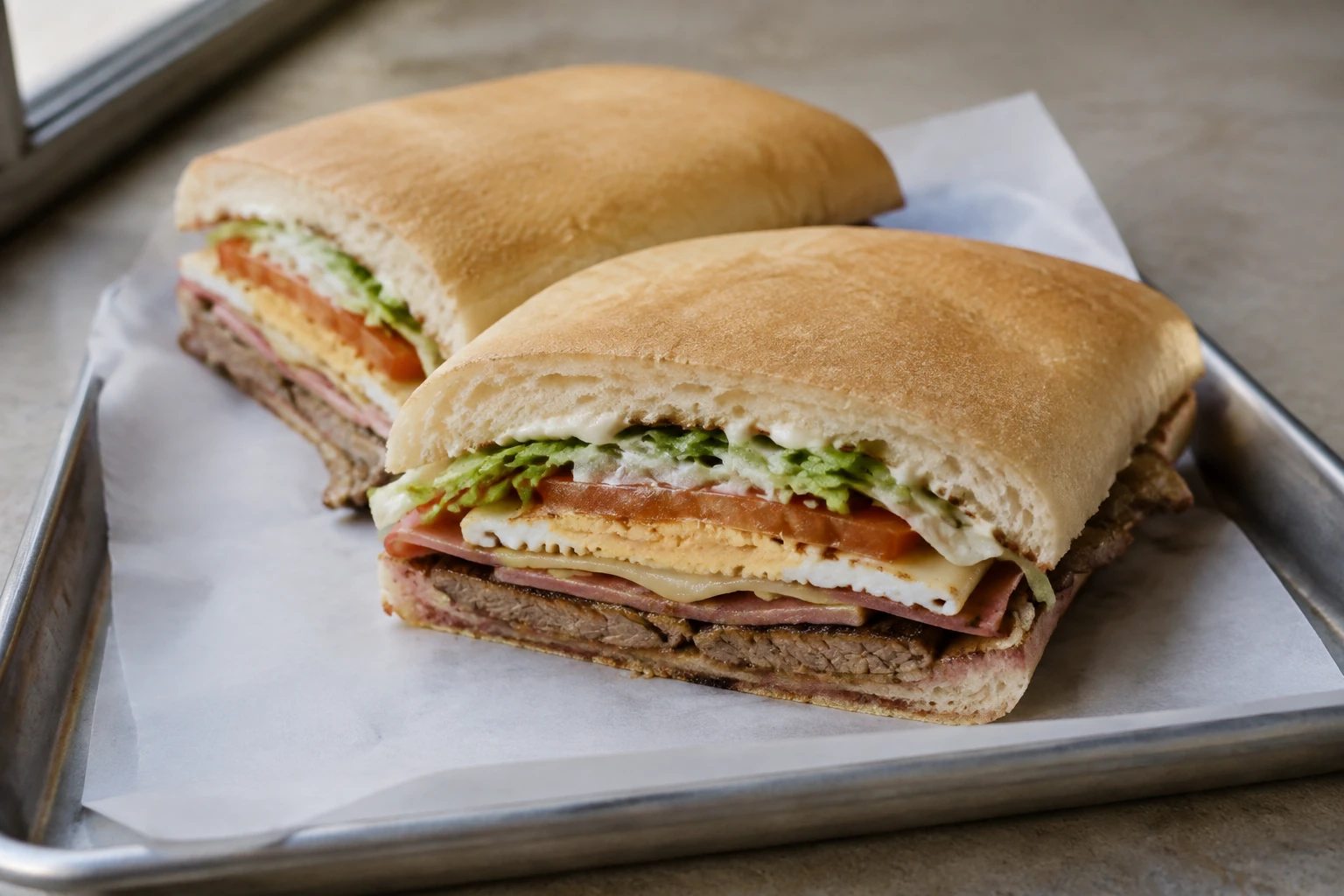
Córdoba’s Lomito: Start with the Bread
Explore Córdoba’s Argentine steak sandwich through its soft bread, thin beef and complete filling, with a practical lomito recipe for two.
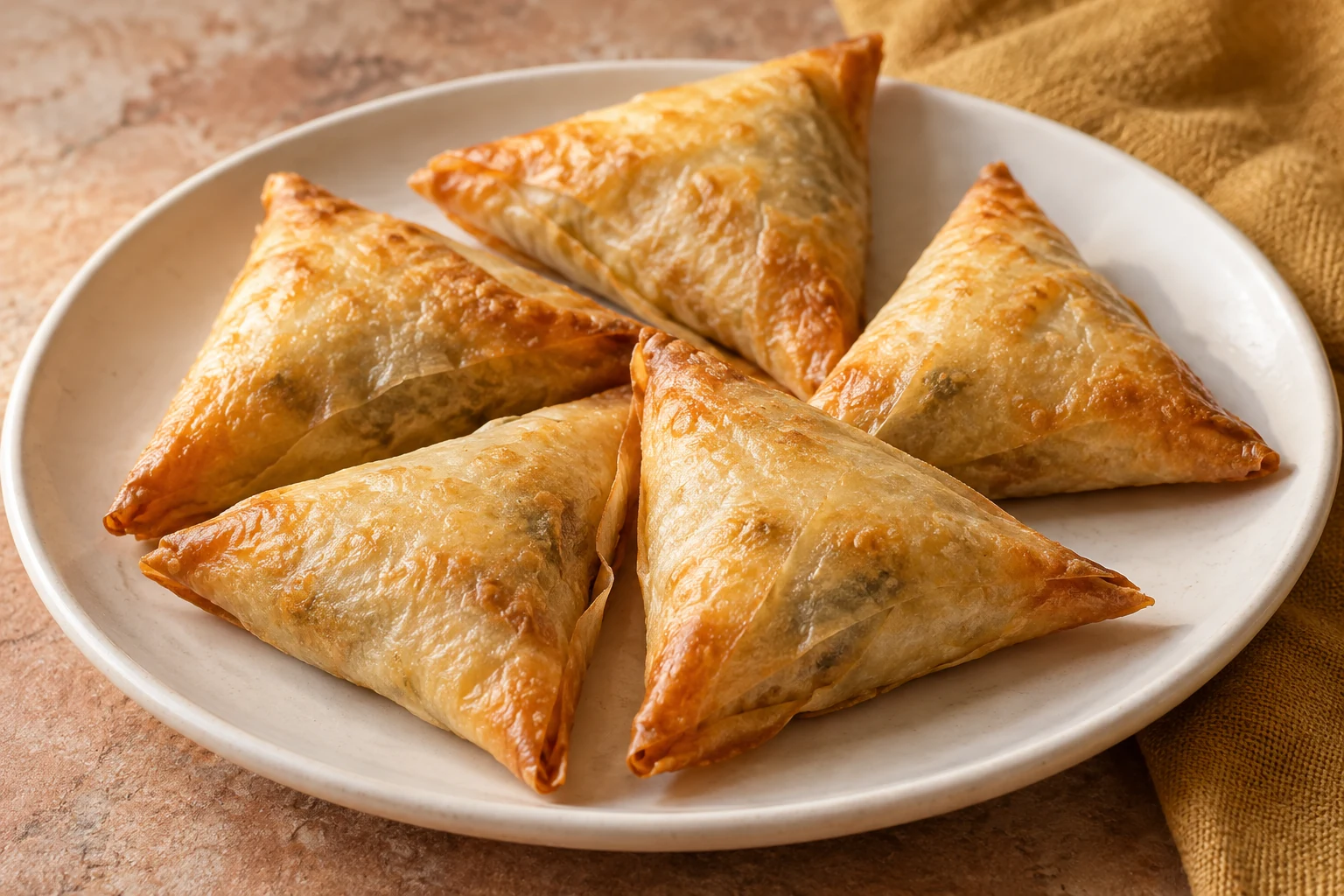
MoroccoSavory pastries
Fish Briouats: Three Fillings Behind the Fold
Compare three documented Moroccan fish-briouat fillings: sardines, white fish with olives, and fish with vermicelli and vegetables.
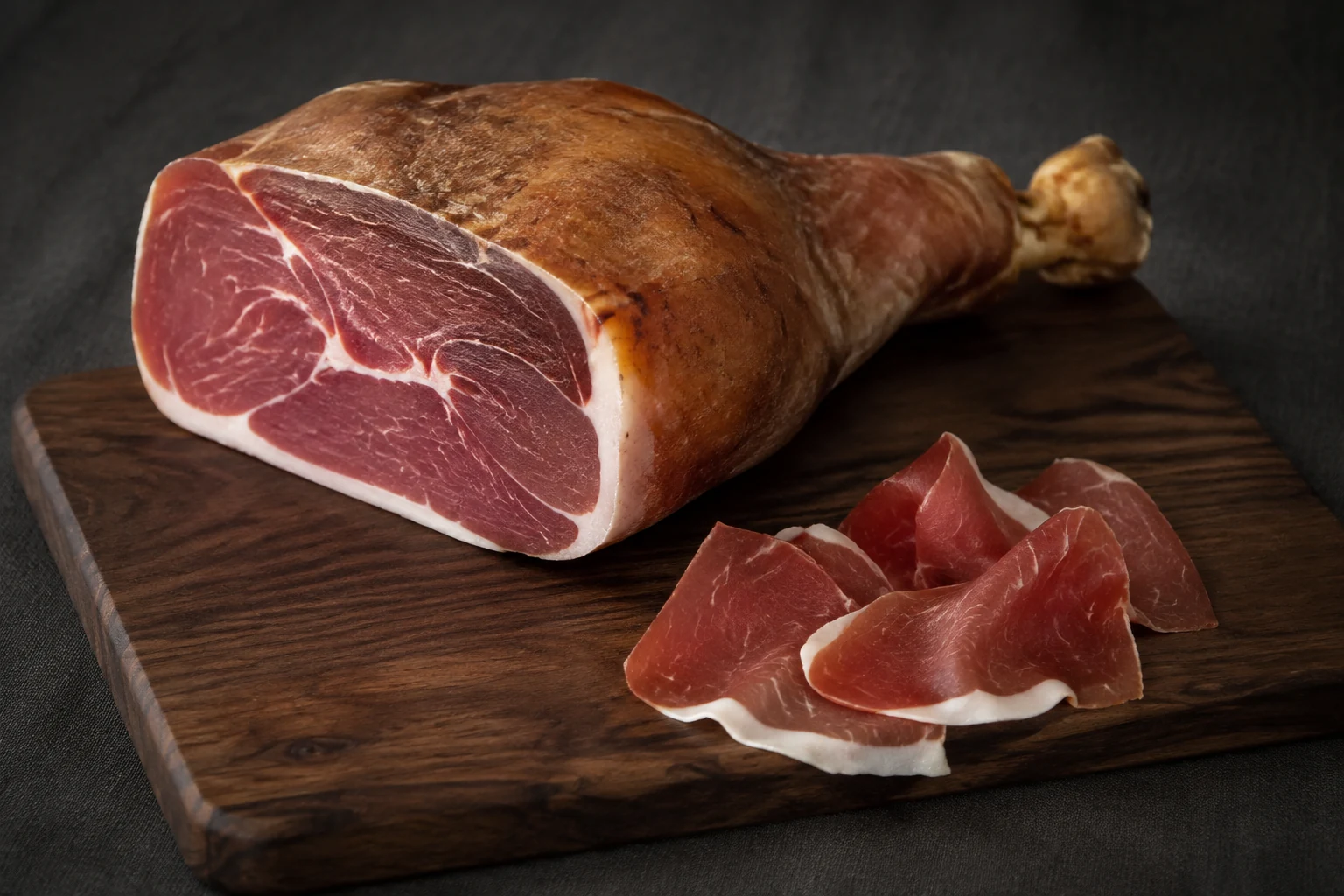
BelgiumDry-cured ham
Jambon d’Ardenne: A Name Made by Place
Belgium’s protected Ardennes ham is defined less by where the pig was raised than by where salt, cold air, optional smoke, and patient maturation turn pork into charcuterie.