
Afghan Jelabi: The Sweet Served with Fish
جلبی
A coil of fried batter and sugar syrup can sit beside fish, travel to a fiancée’s home or accompany tea. The occasions around Afghan jelabi reveal as much as the sweet itself.
The Nowruz table
A sweet with a savory companion
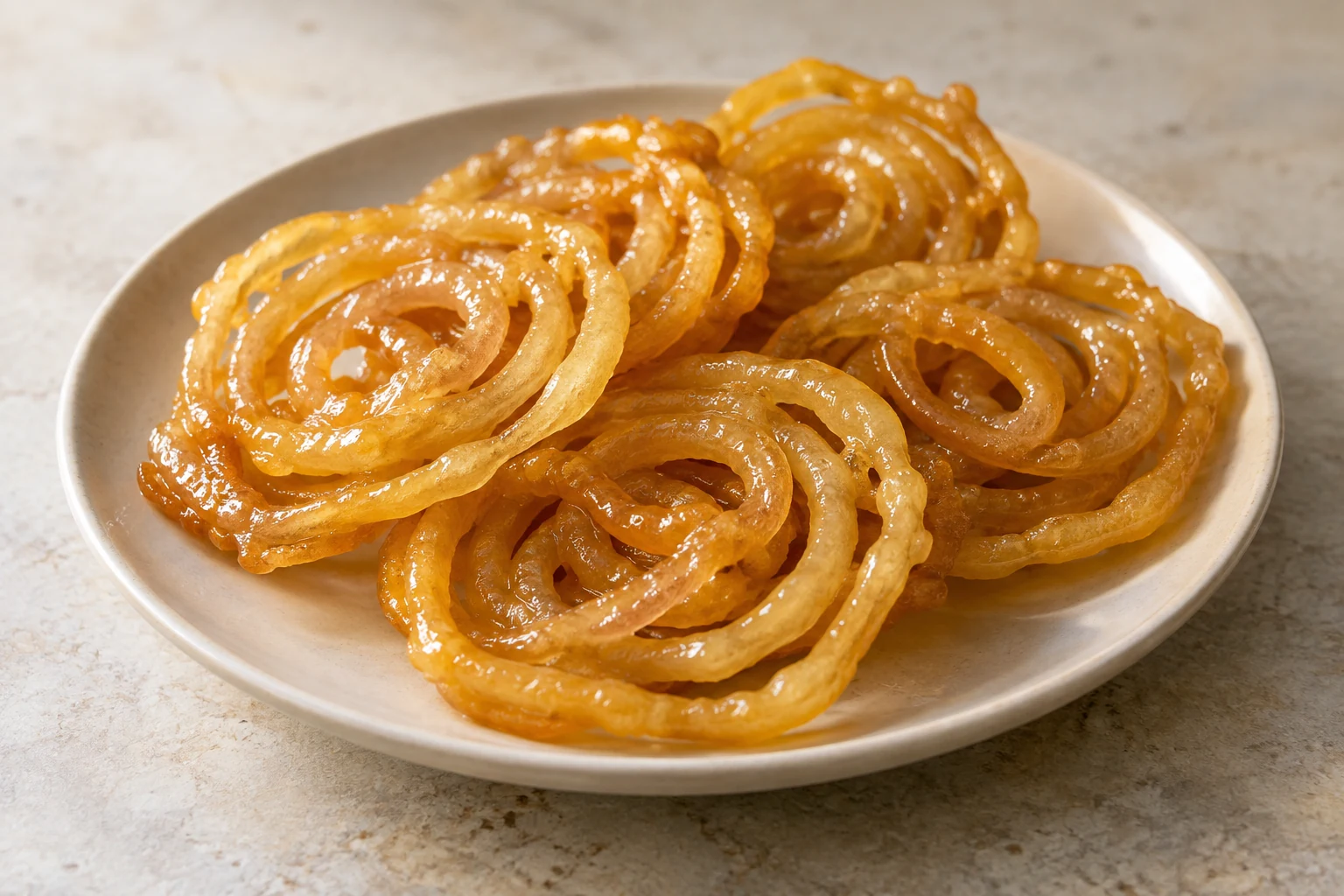
Jelabi, also commonly written jalebi, begins as batter piped in curling strands into hot oil. The fried coils then go into sugar syrup. The result belongs to a family of sweets enjoyed across several countries; its Afghan story comes into focus when you look at what accompanies it.
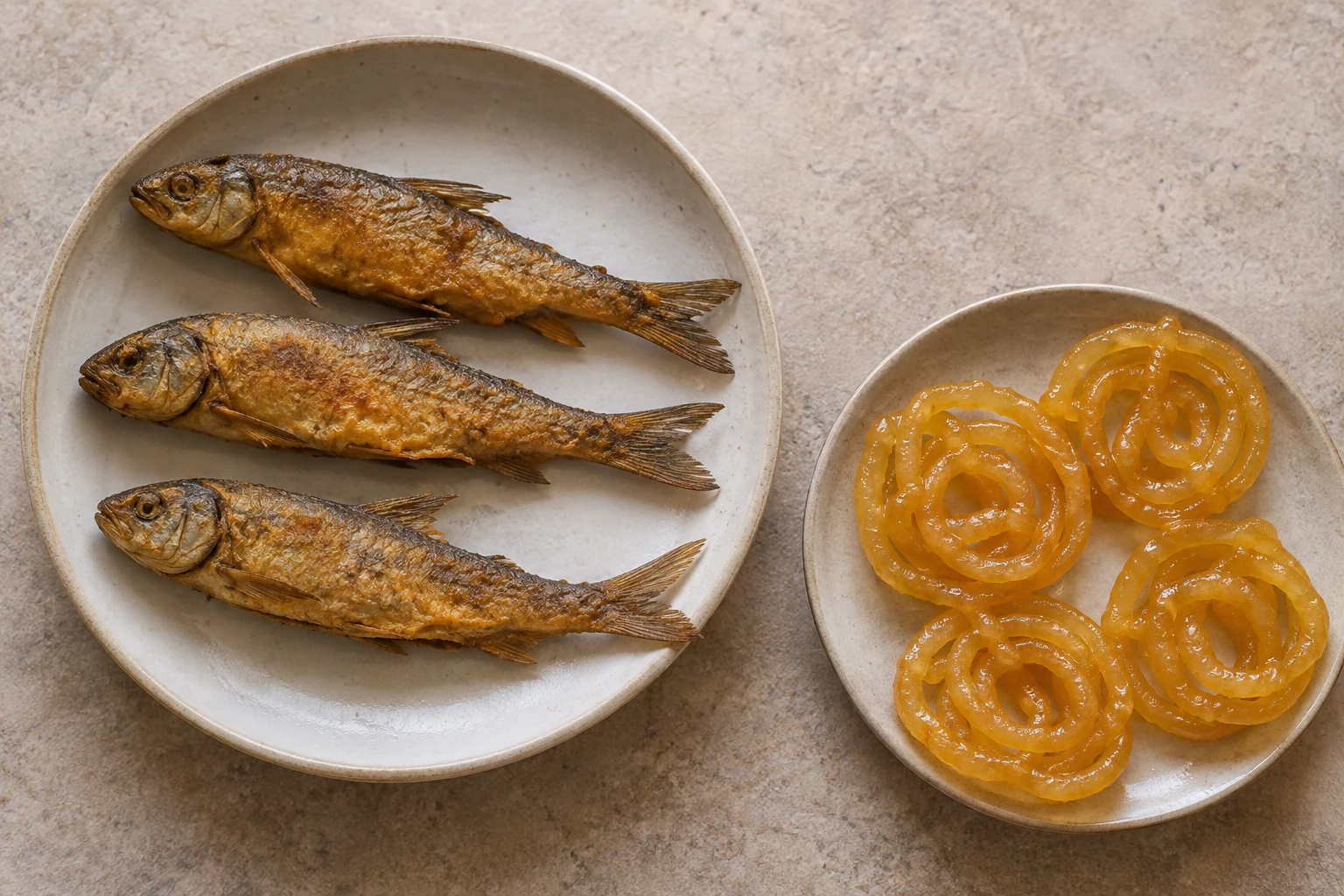
In Parwana, Durkhanai Ayubi places jelabi beside mahee, fried fish, during Nowroz—the spring New Year, also spelled Nowruz. Her description of the fish evokes trays of small, crunchy fried fish in shopfronts. The savory fish and syrupy sweet make a striking contrast on the table.
This pairing also appears in reporting from Kabul. In March 2018, Euronews journalist Maryam Shahi included fish with jelabi among the foods on the city’s Nowruz tables. Together, these accounts place the sweet among the savory dishes of a festive spread.
More than a purchase
When the food travels to a fiancée’s home
Fish and jelabi can also carry a message between households. Pajhwok Afghan News reported in March 2023 that families in Kabul were buying them for Nowruz gifts to the homes of engaged women. In the custom the report describes, the prospective groom’s family gathers food and other presents, according to its means, and women take them to the bride-to-be’s household before or on the holiday.
One Kabul elder interviewed by Pajhwok, Bibi Shahnaz, understood the visit as a way of remembering the bride-to-be and strengthening affection between the two families. The destination changes the meaning of the food: a familiar sweet becomes part of acknowledging someone’s place in the family.
Radio Azadi independently described fish-and-jelabi gifts to fiancées in its March 2022 coverage. It spoke with a Kabul woman buying the pair for her family’s celebration, while other residents explained that they could no longer afford holiday preparations. The custom has a recognizable form, but its scale depends on the people carrying it out.
Beyond the New Year
Another occasion, another companion
Jelabi’s calendar extends beyond Nowruz. Ayubi also names Eid, weddings and engagement parties among its occasions. In Herat, photographer Elaha Sahel documented jalebi being made in a shop during Ramadan in May 2019: fine coils taking shape in a broad frying pan.
In Peshawar, Arab News visited Afghan Jalebi Wala in April 2023. Founded by an Afghan refugee in the early 1980s, the stall was being run by his sons. Customers queued before iftar, the evening meal that breaks the Ramadan fast; the seller also described purchases for friends and relatives in other cities.
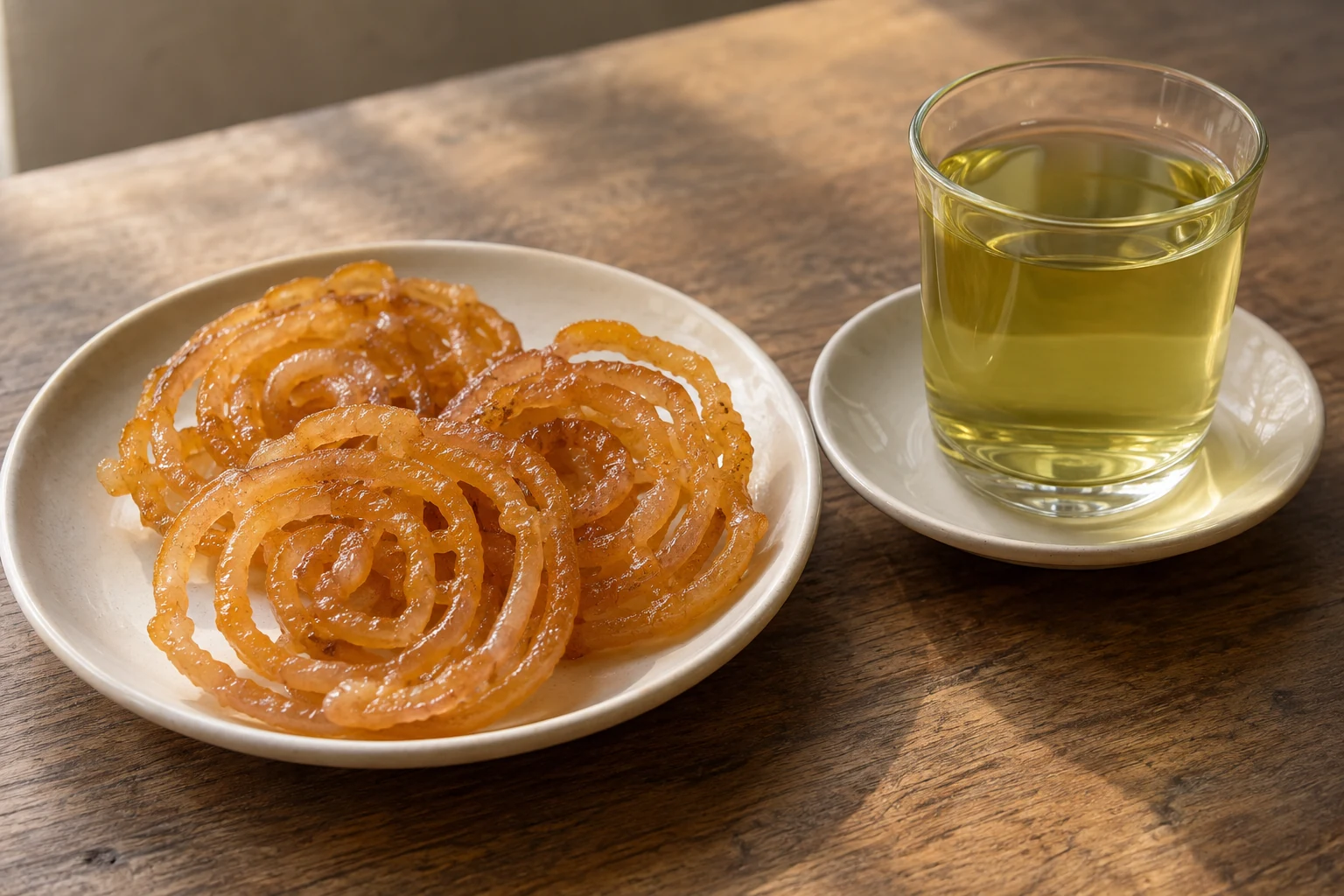
Nasratullah, one of the sons, told the reporter that Afghans eat the sweet with green tea. His account suggests a simple serving: a small plate of jelabi alongside tea. The same syrup-coated coils can take their place in a family gift, a holiday meal or a gathering at the end of a fast.
Research notes
Sources and further reading
These cookbook excerpts and dated reports document particular settings in Afghanistan and its diaspora. They establish serving customs, rather than a single origin story or a rule for every household.
- Durkhanai Ayubi, Parwana — Jelabi (2020) The publicly readable introduction identifies the syrup-coated sweet, its Nowruz fish pairing and other celebrations. The full recipe requires access to the book or ckbk.
- Durkhanai Ayubi, Parwana — Mahee (2020) The public preview describes trays of small, crunchy fried fish displayed during Nowruz.
- Pajhwok Afghan News — Kabul’s Nowruz market (20 March 2023) Dari reporting on fish, jelabi and gifts to a fiancée’s household, including Bibi Shahnaz’s account of their family meaning.
- Maryam Shahi, Euronews — Nowruz in Kabul (20 March 2018) Persian reporting from Kabul places edible fish with jelabi among the foods on the Nowruz table.
- Radio Azadi — Kabul prepares for Nowruz (20 March 2022) Dari interviews document holiday food purchases, gifts to fiancées and the financial constraints on celebration.
- Wasim Sajjad, Arab News — Afghan Jalebi Wala (18 April 2023) Reporting from Peshawar documents the stall’s family history, Ramadan customers, frying and syrup, and the seller’s green-tea account.
- Elaha Sahel, Xinhua — Jalebi in Herat (14 May 2019) A photograph taken on 13 May shows jalebi being piped into oil at a Herat shop during Ramadan.
Keep exploring
More stories for your table
AfghanistanKebab techniques
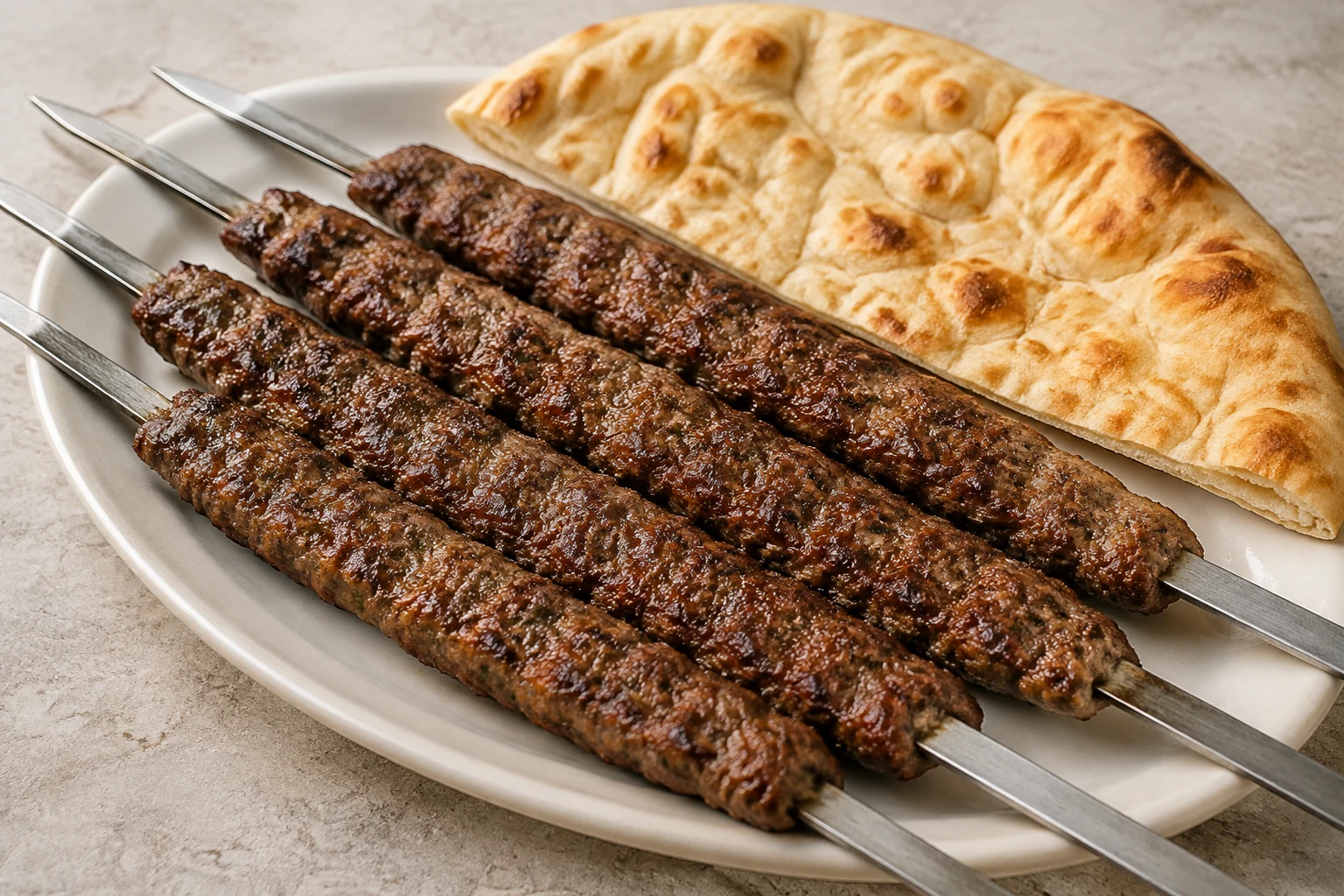
Afghan Lula Kebab: Grilled Skewers, Fried Rolls
Afghan lula and lola kebab recipes take two distinct paths. Compare grilled mince with fried meat-and-potato rolls, their ingredients, texture and cooking order.
SpainSweet fritters
Buñuelos de Viento: How Spain’s Airy Fritters Rise
Why buñuelos de viento puff, when to serve them plain or filled, and how to make a small batch of Spain’s airy lemon fritters at home.
MoroccoSavory pastries
Fish Briouats: Three Fillings Behind the Fold
Compare three documented Moroccan fish-briouat fillings: sardines, white fish with olives, and fish with vermicelli and vegetables.